
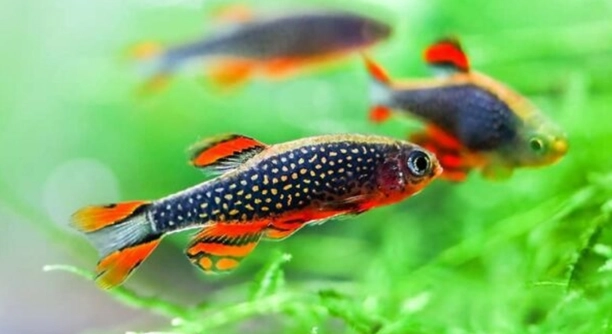
Do you ever notice your danios swimming together but sometimes acting unsettled or aggressive? Observing their interactions can reveal a lot about their social structure and how their environment influences group behavior.
Improving group dynamics in danios involves attention to tank size, water quality, hiding spaces, and social composition. Consistent feeding schedules, minimal stressors, and gradual introductions of new fish contribute to stable, harmonious interactions within the school.
Enhancing these conditions ensures your danios remain active, healthy, and visually engaging, creating a lively and balanced aquarium environment that supports their natural social behaviors.
Proper Tank Size
A tank that is too small can create stress and aggression in danios, so choosing the right size is essential. For a small school of five to six danios, at least a 20-gallon tank is recommended. Larger groups need more space to swim freely without feeling crowded. Crowding can lead to chasing, fin-nipping, and uneven distribution of resources such as food and hiding spots. Open swimming areas combined with plants and décor create natural territories, helping each fish find a comfortable spot. Regularly observing interactions can reveal if any individual is overly dominant or isolated. Adjusting decorations or rearranging plants occasionally can reduce persistent aggressive patterns. In addition, maintaining water flow and proper filtration contributes to a healthier environment, reducing stress. A well-sized tank allows danios to express natural schooling behavior while maintaining stable social dynamics. Over time, you will notice calmer interactions and a more active, visually engaging group. Proper space is the foundation for balanced social behavior.
Tank size directly affects social harmony, swimming patterns, and stress levels among your danios.
Monitoring tank size is crucial because cramped spaces heighten aggression and inhibit natural movement. Adjusting decorations or spacing helps maintain peaceful group interactions. Regular observation ensures every fish has space to thrive. Proper sizing promotes balanced dynamics.
Consistent Feeding Schedules
Maintaining a consistent feeding schedule helps reduce competition and tension among danios. Feeding small amounts multiple times a day is preferable to a single large feeding. Uneven feeding can cause dominant fish to chase others away from food, creating stress and potentially harming weaker individuals. Choosing high-quality flakes or micro-pellets that float briefly before sinking allows all fish to access food. Some danios prefer mid-water feeding, while others feed near the surface. Observing preferences and adjusting feeding methods ensures every fish receives adequate nutrition. Remove uneaten food to prevent water quality issues. A predictable feeding routine reassures fish and encourages calmer interactions, reducing the frequency of chasing or bullying. Over time, your group will establish a more harmonious feeding rhythm, making the tank more enjoyable to watch. Feeding consistency not only supports health but also fosters stronger social cohesion within the school.
Regular feeding routines reduce aggression and create a calmer, more balanced group environment.
In addition to timing, the amount and type of food significantly influence group behavior. Offering a variety of foods prevents nutritional gaps and keeps all fish engaged. Overfeeding can lead to poor water quality, increasing stress and conflict. Using slow-sinking or floating foods allows fish with different feeding habits to access nutrition without crowding. Observing how fish respond during feeding provides insight into social hierarchies. Adjusting feeding practices based on these observations helps prevent dominant individuals from monopolizing resources. Gradually introducing new foods ensures acceptance without disrupting routines. Consistency in feeding strengthens trust in the environment, reducing anxiety-related aggression. Over time, the school develops predictable patterns, allowing each fish to feed calmly. Maintaining clean water during feeding periods further supports health and limits tension. Feeding is more than nutrition; it’s a key tool for encouraging cooperative behavior and stabilizing the overall dynamics within your danio community.
Hiding Spaces
Providing hiding spaces prevents stress and reduces aggressive encounters among danios. Plants, rocks, and small decorations offer safe spots for timid fish to retreat, helping them feel secure and supported within the school.
Hiding spaces allow danios to escape dominant individuals and recover from stressful interactions. Dense plant clusters, caves, and driftwood create natural breaks in the open swimming areas, giving fish the choice of shelter. Fish that have access to retreats are less likely to display constant chasing behavior. Alternating open areas and hiding spots ensures every fish can explore freely while still feeling protected. These spaces also encourage natural behavior, such as darting in and out of cover, which adds interest and reduces tension. Over time, the tank becomes a balanced environment where social hierarchies form without constant conflict.
Proper placement of hiding spots ensures that all fish have access without blocking swimming paths. Rotating decorations or adding new shelters periodically prevents territorial disputes and keeps interactions calmer. Fish can establish temporary territories within these safe zones, reducing stress-related health issues. By balancing open swimming areas with secure retreats, you foster a more cohesive and peaceful group dynamic, supporting overall activity, natural behavior, and long-term health.
Social Composition
Keeping danios in appropriate group sizes helps maintain balance and prevents isolation. A minimum of five to six individuals is recommended to allow natural schooling behavior without overcrowding.
Group composition affects behavior and stability. Mixing different ages or slightly varying sizes can reduce dominant aggression, as no single fish monopolizes the group. Adding new individuals should be done gradually to avoid shocking the established social structure. Introducing fish in stages allows them to acclimate to existing members and helps prevent constant chasing or bullying. Observing interactions during introductions ensures that dominant fish do not isolate or harm newcomers. Proper group composition encourages cooperative swimming, stable hierarchies, and consistent activity levels. Over time, the school behaves more naturally, showing coordinated movement and less stress.
Balanced social composition improves both visual appeal and fish health. Adjusting group size and age differences reduces tension and ensures calmer interactions. Avoid overcrowding, and monitor newcomers closely to maintain harmony. When social structure is stable, fish spend more time exploring and schooling, enhancing activity and overall wellbeing. The right combination of individuals allows every danio to thrive, expressing natural behaviors without frequent conflict.
Water Quality
Maintaining clean, stable water conditions is crucial for danios. Regular water changes and proper filtration help prevent stress, disease, and aggression, ensuring the group remains healthy and active.
Monitoring pH, temperature, and ammonia levels keeps the tank environment consistent. Sudden fluctuations can trigger erratic behavior and disrupt social dynamics.
Gradual Introductions
Introducing new danios slowly reduces stress and prevents aggression. Quarantining newcomers and allowing visual contact before release helps them acclimate to the existing school.
Minimal Stressors
Keeping external disturbances low, such as sudden movements or loud noises, helps danios feel secure. Stressful environments lead to chasing, hiding, or reduced activity.
Observing Behavior
Regularly watching interactions allows early detection of aggression or illness. Prompt adjustments to tank layout, group composition, or feeding routines maintain harmony and protect the school’s overall wellbeing.
What is the ideal number of danios for a school?
A school of danios should have at least five to six fish to display natural schooling behavior. Smaller groups may become stressed or shy, while larger groups require bigger tanks to avoid crowding. Maintaining an appropriate number supports balanced interactions and reduces aggression.
How often should I feed my danios?
Feeding two to three small meals per day is ideal. Frequent, smaller portions prevent dominant fish from monopolizing food and reduce competition. Using high-quality flakes or micro-pellets ensures proper nutrition. Observing how each fish responds allows adjustments to the feeding method.
What type of hiding spaces work best?
Dense plants, driftwood, and small caves provide effective hiding spots. These allow timid fish to retreat and recover from stressful interactions. Hiding spaces also break up open swimming areas, helping to reduce aggression and encourage natural behavior patterns.
Can tank size affect danio behavior?
Yes. A tank that is too small increases chasing and fin-nipping due to limited space. For a small school of five to six danios, a 20-gallon tank is recommended. Larger groups need proportionally more space to swim freely and establish territories.
How should new danios be introduced to an established group?
Gradual introductions are key. Quarantine new fish for a few weeks and allow visual contact with the established school before full release. Staging introductions in this way reduces stress and aggression and allows newcomers to adjust to social hierarchies.
Does water quality influence group dynamics?
Absolutely. Stable water conditions with proper pH, temperature, and ammonia control are essential. Sudden fluctuations can trigger erratic behavior, stress, and aggression. Regular water changes and filtration keep the environment safe and comfortable for all fish.
What role do stressors play in social behavior?
External disturbances such as sudden movements, loud noises, or excessive handling increase stress. Stressed fish may hide, chase others, or become lethargic. Minimizing these stressors promotes calmer interactions and helps maintain a stable, harmonious group.
How can I tell if my danios are stressed or unhappy?
Signs of stress include constant chasing, fin damage, hiding excessively, or reduced activity. Observing the tank regularly allows early intervention through adjustments in tank layout, water quality, or group composition, ensuring the school remains healthy.
Should I mix danios with other species?
Mixing species is possible but should be done carefully. Compatible species of similar size and temperament work best. Aggressive or slow-moving tankmates may disrupt the social balance, leading to stress or injury among danios.
How important is observing daily behavior?
Daily observation is crucial for maintaining harmony. Monitoring interactions helps identify bullying, illness, or territorial issues early. Prompt changes in decorations, hiding spots, or feeding routines can prevent long-term stress and support a thriving, cohesive school.
Can decorations influence group dynamics?
Yes. Decorations create natural territories and break lines of sight, reducing constant chasing. Rearranging plants or adding new hiding spaces occasionally prevents dominant fish from holding permanent control over areas, encouraging calmer, more balanced interactions.
Is it necessary to rotate tank décor?
Rotating or rearranging décor periodically benefits danios by preventing boredom and territorial aggression. It encourages exploration and natural schooling behavior, helping maintain dynamic but peaceful social interactions.
How do feeding techniques affect behavior?
Feeding at different levels, using floating or sinking food, ensures all fish access nutrition. This reduces competition and stress, allowing timid fish to feed without being chased. Consistent routines create predictability, further stabilizing social dynamics.
What is the impact of age and size differences within a group?
Mixing slightly different sizes or ages can reduce dominance issues. Older or larger fish may naturally assert control, but careful monitoring and balanced grouping prevent bullying, ensuring the school remains cohesive and active.
How long does it take for a new school to settle?
Adjustment depends on group size, tank conditions, and personality of individual fish. Generally, a few days to a couple of weeks allows hierarchies to form and stress to decrease. Gradual introductions and proper tank setup accelerate this process.
Are danios territorial?
Danios are semi-territorial. They establish temporary territories within swimming areas and hiding spaces. Providing enough space and break points reduces conflict and ensures dominant behavior does not harm the school’s cohesion.
How does water flow affect danios?
Moderate water flow keeps fish active and simulates natural conditions. Strong currents may stress weaker swimmers, while stagnant water can lead to boredom and aggression. Balanced flow supports both activity and group stability.
Do lighting conditions matter?
Consistent, moderate lighting reduces stress. Sudden changes or overly bright lights can cause hiding or erratic swimming. Lighting that mimics a natural day-night cycle helps danios maintain normal activity patterns and social interactions.
How can I manage aggressive fish?
Observe the behavior and separate extremely aggressive individuals if needed. Adding hiding spots or rearranging décor can mitigate dominance. Ensuring proper tank size and group composition reduces the likelihood of persistent bullying.
Can stress affect health?
Yes. Chronic stress weakens the immune system, making fish more susceptible to disease. Managing tank conditions, social composition, and feeding routines is essential to maintaining long-term health and balanced behavior.
Is it necessary to quarantine new fish?
Quarantine protects both new and established fish from disease and stress. Isolating newcomers for two to three weeks ensures they are healthy before joining the main school, reducing the risk of outbreaks and social disruption.
How can I encourage natural schooling behavior?
Providing adequate space, consistent feeding, hiding spots, and stable water conditions allows fish to swim together naturally. Gradual introductions and balanced group sizes also support coordinated movement and social harmony.
What are the signs of a well-balanced school?
A balanced school displays coordinated swimming, minimal chasing, even access to food, and active exploration. Fish are visible, healthy, and interact without prolonged aggression. Regular observation ensures these patterns remain stable over time.
How does temperature influence behavior?
Stable water temperature within the recommended range for danios supports normal activity. Sudden changes can trigger aggression, lethargy, or stress. Using a reliable heater and thermometer maintains consistency and reduces behavioral issues.
How often should water be tested?
Testing water weekly for ammonia, nitrites, nitrates, and pH is recommended. Frequent checks detect issues early and prevent stress-related conflicts, ensuring the group remains healthy and social interactions remain stable.
Do danios prefer a planted tank or open tank?
A mix of open swimming areas and planted zones is ideal. Plants provide hiding spaces and reduce aggression, while open areas allow schooling behavior. Balancing both elements promotes natural, healthy interactions.
Can overcrowding be managed without a larger tank?
Partial solutions include reorganizing décor and providing more hiding spots. However, true overcrowding can only be fully resolved by reducing numbers or upgrading to a larger tank. Proper space is key to stable social dynamics.
What is the role of observation in long-term care?
Continuous observation allows timely adjustments to diet, tank layout, and group composition. It ensures aggression or illness is managed quickly, protecting both social balance and overall health.
How important is filtration?
Efficient filtration maintains water clarity and stability. Clean water reduces stress, supports immune health, and prevents behavioral problems caused by poor water quality. Choosing a filter appropriate for tank size is essential for a harmonious group.
How do you handle bullying in the tank?
Bullying can be mitigated by adding hiding spots, rearranging décor, or temporarily separating aggressive fish. Addressing aggression early protects weaker individuals and maintains a cohesive, active school environment.
Can social dynamics change over time?
Yes. Dominance hierarchies, growth, and new introductions can shift interactions. Regular monitoring and adjustments help maintain stability and prevent prolonged stress or conflict.
What is the best way to observe danios without stressing them?
Watching from a distance or using calm, gentle movements allows natural behavior to emerge. Avoid tapping the glass or sudden actions, which can trigger stress and disrupt social interactions.
Do danios interact differently at night?
Danios reduce activity at night but still explore hiding spaces. Maintaining a dark, quiet environment supports natural resting behavior and prevents nocturnal stress, ensuring balanced behavior during daylight.
Are there signs of sickness that affect social behavior?
Lethargy, clamped fins, discoloration, or isolation are common indicators. Sick fish may be chased more or avoid interaction. Prompt treatment and observation protect the health and cohesion of the group.
How does adding decorations gradually affect the group?
Gradual additions prevent territorial disputes. New hiding spots or plants give fish choices without triggering dominance struggles, helping maintain calm and cooperative schooling behavior.
Can water hardness impact behavior?
Stable water hardness supports health and reduces stress. Sudden shifts can cause erratic swimming or aggression. Monitoring hardness and adjusting gradually preserves natural behavior and social balance.
What is the ideal schooling pattern?
A cohesive, synchronized group with even spacing and minimal chasing indicates healthy dynamics. Fish should swim together fluidly, exploring both open areas and shelters without persistent stress or conflict.
Does introducing plants change aggression levels?
Yes. Plants provide cover and break sightlines, reducing chasing and territorial disputes. Dense planting can calm dominant fish and give timid individuals a chance to thrive without constant harassment.
How do you handle a dominant fish?
If one fish consistently harasses others, adding hiding spots or rearranging décor can diffuse control. In extreme cases, separating the individual temporarily ensures the school remains peaceful and active.
Are small water changes better than large ones?
Regular, smaller water changes maintain stability and reduce stress. Large, sudden changes can shock fish, increasing aggression or causing health issues. Maintaining gradual adjustments ensures balance and harmony in the school.
Can seasonal changes affect group behavior?
Seasonal light or temperature variations can influence activity and aggression. Maintaining consistent conditions indoors helps stabilize behavior, preventing stress-related conflicts or reduced activity levels.
How does tank layout influence feeding behavior?
Open areas with accessible hiding spots reduce competition at feeding times. Fish can approach food safely without constant chasing, ensuring even nutrition and calmer social interactions.
What is the effect of overcrowded plants?
Excessive planting may block swimming space, creating territorial disputes. Balancing cover with open areas allows schooling behavior while providing safety, reducing stress and aggressive interactions.
How often should decorations be cleaned?
Cleaning every few weeks prevents algae buildup and maintains hiding spaces. Removing or scrubbing décor too aggressively can disturb territories, so gentle cleaning preserves established social structures.
Do danios prefer slow or fast water flow?
Moderate flow encourages natural swimming without stressing weaker individuals. Slow flow may reduce activity, while strong currents can cause fatigue or stress, affecting social cohesion and behavior.
Can lighting color impact behavior?
Soft, natural lighting supports calm behavior. Harsh or constantly changing light may increase hiding, chasing, or erratic swimming. Consistent, gentle illumination maintains a stable environment for schooling behavior.
How does noise influence danios?
Loud or sudden noises trigger stress responses, including hiding or chasing. Minimizing environmental noise helps maintain calm, predictable interactions and supports long-term health and social balance.
Should I adjust feeding location to reduce aggression?
Feeding in multiple spots or varying levels allows timid fish to access food without being chased. This reduces stress, encourages even nutrition, and promotes peaceful schooling behavior.
How can temperature swings be prevented?
Using a reliable heater and monitoring with a thermometer prevents sudden changes. Stable temperatures reduce stress, maintain activity, and prevent aggression caused by discomfort or erratic behavior.
Does tank height matter for schooling?
Moderate tank height supports vertical swimming but should not restrict horizontal space. Adequate horizontal swimming room is essential for natural schooling and maintaining balance in the group.
How important is water clarity for behavior?
Clear water allows visual contact among fish, supporting coordinated swimming and stable social interactions. Murky water can cause confusion, hiding, or aggression. Regular filtration and maintenance keep the environment clear and calm.
Can adding floating plants help?
Floating plants provide shaded areas and break sightlines. These reduce stress and territorial disputes, giving timid fish safe zones while maintaining open swimming areas for schooling behavior.
Do danios prefer specific tank shapes?
Long, rectangular tanks are ideal. They provide space for horizontal swimming, supporting schooling behavior, while short or tall tanks may restrict movement and increase chasing or stress.
How can I tell if the school is balanced after changes?
Look for coordinated swimming, minimal chasing, even access to food, and active exploration. Stable behavior after rearranging décor, adding fish, or changing feeding routines indicates a healthy, harmonious group.
Are sudden water parameter changes harmful?
Yes. Rapid shifts in temperature, pH, or hardness can stress fish, trigger aggression, or cause health issues. Gradual adjustments maintain calm, stable interactions and preserve group cohesion.
What is the best approach for adding new hiding spots?
Add one or two at a time and observe behavior. Sudden placement of many new shelters may confuse dominant fish or create territorial disputes. Gradual integration ensures smoother social adjustment.
Does schooling behavior vary with age?
Younger danios may be more active and playful, while older fish may swim more predictably. Mixing ages carefully can reduce dominance but requires observation to prevent bullying or isolation.
Can aggressive fish calm down over time?
Yes. With proper tank size, hiding spaces, and social composition, even naturally dominant fish often reduce chasing as hierarchies stabilize and stress is minimized.
How important is regular observation during feeding?
Watching daily feedings reveals hidden aggression, ensures all fish get nutrition, and allows adjustments to placement or portions, maintaining harmony and preventing stress-related issues.
What is the effect of overcrowding during feeding?
Overcrowding leads to chasing and stress. Using multiple feeding points, smaller portions, and floating or sinking food ensures even access, reducing competition and promoting calm group behavior.
How can plants and decorations be arranged for balance?
Alternate dense cover with open swimming areas. Avoid clustering all hiding spots in one corner. Balanced placement prevents dominant fish from controlling territories and encourages peaceful interactions.
Can water current changes affect aggression?
Yes. Sudden increases in flow may stress timid fish, causing hiding or erratic chasing. Maintaining a stable, moderate current supports activity without disrupting social cohesion.
Do danios prefer daylight cycles similar to nature?
Consistent day-night cycles support predictable activity, feeding, and schooling behavior. Abrupt lighting changes increase stress and may trigger aggression or hiding. Mimicking natural light patterns ensures stability.
How does tank maintenance influence social harmony?
Regular cleaning, water changes, and gentle décor adjustments maintain stable conditions. Predictable maintenance reduces stress, prevents territorial disputes, and supports long-term group cohesion.
Can overcrowded schools be rebalanced without removing fish?
Adding hiding spots, rearranging décor, and feeding at multiple levels can temporarily reduce aggression, but long-term overcrowding requires reducing numbers or upgrading tank size to maintain stable dynamics.
How do seasonal lighting or temperature changes indoors affect danios?
Indoor stability is key. Fluctuations in temperature or light levels can increase stress, reduce activity, and trigger aggressive behavior. Maintaining consistent conditions supports calm, predictable schooling.
Is it beneficial to use multiple hiding spots of different sizes?
Yes. Multiple, varied shelters allow all fish to retreat according to size or personality. This prevents constant chasing and helps establish a balanced, stress-free social structure.
How does water flow direction impact schooling?
Even flow across the tank encourages cohesive swimming. Strong localized currents may create territorial disputes or force weaker fish to expend extra energy, disrupting group harmony.
Can gradual water changes prevent stress-related aggression?
Small, frequent water changes maintain stability, preventing the sudden shock that triggers chasing, hiding, or erratic swimming. This approach keeps the school calm and active.
Are floating versus rooted plants more effective for hiding?
Both help, but floating plants provide shade and reduce visual stress, while rooted plants create mid-water retreats. A combination supports natural behavior and balanced interactions.
How important is water temperature consistency?
Consistent temperatures prevent stress, maintain activity, and reduce aggression. Sudden fluctuations can cause chasing, hiding, or illness, destabilizing the school’s social dynamics.
Does tank décor affect dominance patterns?
Yes. Strategic placement of shelters and obstacles prevents permanent control by dominant fish. Rearranging décor occasionally redistributes territories and maintains calmer interactions.
What is the effect of irregular feeding times?
Inconsistent feeding triggers competition and stress. Dominant fish may chase others aggressively, and timid fish may go underfed. A predictable schedule stabilizes behavior and supports group cohesion.
Can adding or removing fish alter social hierarchy?
Yes. New introductions or removals shift dominance patterns. Gradual changes and careful observation help the group adjust without prolonged stress or aggression.
How do danios behave in tanks with poor visibility?
Murky water or excessive decorations can hinder schooling, increase stress, and trigger chasing. Clear lines of sight help fish maintain coordinated swimming and stable social interactions.
What are the long-term effects of high aggression levels?
Persistent aggression causes stress, fin damage, reduced feeding, and weakened immune response. Addressing tank size, hiding spaces, and social composition prevents chronic behavioral issues and maintains overall health.
How does aquarium shape influence schooling?
Longer, rectangular tanks allow horizontal swimming and natural schooling. Tall or square tanks restrict movement, increasing stress and aggression. Proper dimensions support activity and stable social behavior.
Are certain feeding methods better for timid fish?
Floating or slow-sinking foods at multiple locations allow shy individuals to feed safely. This reduces competition, ensures proper nutrition, and maintains harmony within the group.
How can I ensure every fish gets food without conflict?
Spread food across the tank and vary feeding levels. Observing feeding behavior helps identify shy or bullied fish, allowing adjustments to portions or placement for balanced nutrition.
Can gradual rearrangement of decorations reduce fighting?
Yes. Slowly changing hiding spots prevents dominance disputes. Fish adapt gradually, allowing natural hierarchies to adjust without prolonged aggression or stress.
Does water hardness consistency affect schooling?
Stable water hardness supports health and reduces stress. Sudden changes may trigger hiding or chasing, disrupting coordinated movement and social stability.
Are temporary separations effective for resolving aggression?
Yes. Isolating overly aggressive individuals temporarily gives weaker fish relief. Reintroducing them later in a rearranged tank reduces conflicts and supports long-term harmony.
How can observation help during tank modifications?
Watching interactions during décor changes, water adjustments, or feeding routine changes ensures any stress or aggression is addressed quickly, preserving a balanced school.
Can lighting duration influence social behavior?
Consistent lighting supports normal activity patterns. Overly long or short periods may cause hiding, reduced feeding, or increased aggression. Mimicking natural cycles stabilizes behavior.
What is the best approach for a new school introduction?
Quarantine newcomers, allow visual contact
Managing a healthy group of danios takes careful attention to their environment and behavior. Tank size is one of the most important factors in maintaining harmony. A properly sized tank allows fish to swim freely, establish temporary territories, and avoid unnecessary stress. Overcrowding can lead to chasing, fin-nipping, and uneven distribution of resources, while a spacious tank encourages natural schooling behavior and calm interactions. Providing hiding spaces such as plants, caves, and driftwood is equally essential. These shelters give timid fish a chance to retreat and recover from aggressive encounters. Arranging hiding spots strategically throughout the tank helps balance the social structure, reduces dominance conflicts, and allows all fish to feel secure. Regular adjustments or additions of décor can prevent the formation of permanent territorial disputes, keeping the group dynamic and peaceful.
Feeding routines and water quality also play critical roles in group dynamics. Consistent feeding schedules, with small portions provided multiple times per day, reduce competition and minimize stress during meal times. Offering food at different levels, using floating or slow-sinking flakes and pellets, ensures that all fish can access nutrition without being chased away. Clean, stable water is another key element for maintaining a healthy school. Monitoring pH, temperature, ammonia, and hardness on a regular basis prevents stress and aggression caused by sudden environmental changes. Proper filtration and routine water changes help sustain a comfortable habitat, supporting both the health of the fish and the stability of social interactions. Stress-free conditions allow danios to swim actively, interact naturally, and display coordinated schooling patterns without constant conflict.
Observing behavior regularly is vital for long-term success. Paying attention to signs of stress, illness, or bullying allows you to make timely adjustments to tank layout, feeding practices, or group composition. Introducing new fish gradually, ensuring age and size compatibility, and providing gradual acclimation periods help maintain a balanced social hierarchy. Even dominant individuals often calm over time when the tank environment supports natural behavior and all fish have access to space and resources. Minimizing external stressors such as sudden movements, loud noises, or rapid water changes further protects the group’s stability. By focusing on these key aspects—adequate space, hiding spots, consistent feeding, water quality, and careful observation—you can support a cohesive, active, and healthy school of danios. Maintaining these conditions encourages natural behavior, reduces aggression, and ensures the long-term wellbeing of every fish in the tank.

Hello,
If you enjoy the content that we create, please consider saying a "Thank You!" by leaving a tip.
Every little bit helps us continue crafting quality advice that supports the health, happiness, and well-being of pets around the world, for pets of all shapes, sizes, and species.
We really appreciate the kindness and support that you show us!