
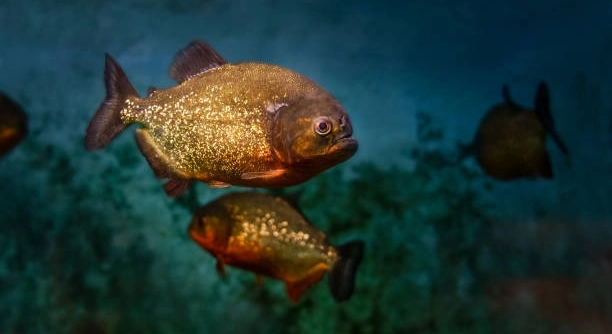
Have you ever worried whether your piranhas are getting everything they need to stay strong, active, and disease-free in their tank? Water quality plays a big role in their health and behavior, especially in home aquariums.
Specific water additives can help maintain piranhas’ health by supporting their immune system, improving water clarity, balancing pH levels, and reducing harmful bacteria. These additives are essential for preventing illness and promoting consistent growth and vitality in aquarium environments.
Knowing which additives to use can make daily care easier and more effective for your fish. Let’s look at the best options available.
1. Dechlorinators
Chlorine and chloramine in tap water can harm piranhas by irritating their gills and damaging their internal systems. Using a dechlorinator helps neutralize these chemicals, making the water safer and less stressful for your fish. Dechlorinators are simple to use and act quickly. Just a small amount added during water changes can instantly treat the entire tank. Most products on the market also bind heavy metals, which further protects your piranhas. For anyone using tap water in their aquarium, this additive is not optional. It helps maintain a clean, chemical-free environment and supports consistent fish behavior and appetite.
Dechlorinators are essential for anyone who uses untreated tap water. Without them, your piranhas are at risk of serious health problems, especially during routine water changes.
Always follow the instructions on the label and dose according to your tank size. Make sure the product treats both chlorine and chloramine. Some older products may only remove chlorine.
2. Beneficial Bacteria Starters
These additives help establish and maintain a stable nitrogen cycle in your tank. They introduce good bacteria that break down ammonia and nitrites, which are toxic to piranhas.
A stable biological filter is key to keeping your piranhas safe. When you first set up a tank or after cleaning the filter, ammonia and nitrite levels can spike. This puts your fish at risk. Beneficial bacteria starters help by jumpstarting the growth of nitrifying bacteria. They can also help recover from disruptions caused by medications, water changes, or filter maintenance. While your tank will eventually establish its own bacterial colonies, adding a concentrated source of these bacteria helps speed up the process. Some products come in liquid form, while others are powder-based. Either option is effective if used correctly and consistently. These bacteria work behind the scenes, but their impact is easy to notice—clearer water, healthier fish, and fewer problems with waste buildup.
3. pH Stabilizers
Piranhas need a stable pH level between 6.5 and 7.5 to stay healthy. Sudden changes in pH can stress them out, weaken their immune system, and lead to long-term health problems if left unchecked.
Using a pH stabilizer helps prevent fluctuations caused by water changes or waste buildup. These products act as a buffer, keeping the pH steady even when external factors would normally alter it. They’re especially useful in regions where tap water is too acidic or too alkaline for tropical fish. When you add a stabilizer, it works gradually and doesn’t cause abrupt shifts, which helps reduce stress. Look for products labeled as “buffer” or “stabilizer” and follow the instructions closely. If your pH is already within range, it’s still a good idea to maintain it with regular use of a stabilizer. Consistency in water chemistry makes a noticeable difference in your piranhas’ energy and color.
Once you find the right stabilizer for your setup, it can make tank maintenance feel a lot easier. These products also help balance hardness levels, which play a role in how pH is maintained over time. Keeping everything stable supports your piranhas’ digestion, gill function, and resistance to common illnesses like ich and fin rot.
4. Water Conditioners with Aloe Vera
These conditioners do more than remove harmful chemicals—they also soothe your fish’s skin and gills. The aloe vera in some formulas acts as a natural healing agent, helping your piranhas recover from stress, minor scrapes, or fin damage.
Standard water conditioners usually target chlorine, chloramine, and heavy metals, but formulas with aloe vera offer added protection. Piranhas can be aggressive with each other, and fin tears or body scrapes are common. Aloe vera promotes tissue repair while also forming a thin protective coating over the fish’s body. This barrier can reduce the risk of infection after stressful events like netting, water changes, or territory disputes. Use this type of conditioner after any event that could stress your piranhas or cause minor injuries. It’s also great for new tank additions. Just be sure the product doesn’t contain additives that cloud the water or interfere with filtration. It’s a small change that brings steady benefits.
5. Electrolyte Balancers
Electrolyte balancers help regulate hydration and nerve function in piranhas, especially during stressful conditions like transport or illness. These additives also support recovery and help maintain a stable internal environment in freshwater tanks.
They can be used during water changes or whenever your fish show signs of stress. Products often contain minerals like potassium and sodium that improve energy levels and help reduce aggression.
6. Vitamin-Enriched Water Additives
These additives provide extra nutrition directly through the water, especially useful when fish aren’t eating well. Vitamins like C and B-complex help reduce stress, boost immunity, and speed up recovery from minor wounds or infections. They’re often added after tank disturbances or when fish look pale or sluggish. Not all products are the same—some are stronger and more concentrated than others—so always check the label before use. These supplements don’t replace a healthy diet but help fill nutritional gaps when needed. They’re especially useful for younger piranhas or during times of rapid growth. Regular use can improve color and reduce the risk of disease.
7. Herbal Extracts
Herbal water additives can calm piranhas and reduce aggression in community tanks. Some products use natural ingredients like chamomile or garlic to help soothe stress and boost immunity.
FAQ
What is the best way to add water additives to my piranha tank?
Adding water additives is usually best done during a water change. First, remove the old water, then add the appropriate amount of additive to the new water before pouring it into the tank. This method ensures the additive mixes evenly and reaches the fish gently. Always follow the manufacturer’s dosage instructions. Avoid overdosing, as it can harm your piranhas or disrupt the tank’s balance. Using additives in small, regular amounts often works better than large, infrequent doses.
How often should I use water additives for piranhas?
The frequency depends on the type of additive and your tank conditions. Dechlorinators are used every time you add tap water. Beneficial bacteria starters are usually needed only when cycling a new tank or after filter cleaning. pH stabilizers can be used weekly or as needed, based on testing. Vitamin and herbal additives may be added occasionally to support health or reduce stress. Overuse of additives can lead to buildup or imbalance, so monitor your water parameters regularly to decide when to use them.
Can I use multiple water additives together?
Yes, many additives are designed to be compatible, but it’s important to check the labels and instructions. Some additives may interact or reduce each other’s effectiveness. For example, certain medications and bacterial starters might not work well if used simultaneously. When combining additives, add them separately and wait a short time between each dose. Monitoring water parameters before and after adding products helps prevent problems. Keeping a log of what you add and when can also help identify any issues that arise.
Are natural or herbal water additives safer for piranhas?
Natural or herbal additives often provide gentle support, such as calming stress or improving immunity, but “natural” does not always mean safer. Some herbal ingredients can irritate sensitive fish or affect water chemistry if overused. It’s essential to choose products from reputable sources and use them as directed. Natural additives can be a good option for long-term health maintenance, especially in tanks with multiple fish species. However, they are not substitutes for proper tank care, water quality, and a balanced diet.
What should I do if I accidentally overdose my tank with additives?
If you suspect an overdose, the first step is to perform a partial water change to dilute the concentration. Remove about 25-50% of the tank water and replace it with fresh, treated water. Avoid adding more additives until the tank stabilizes. Keep an eye on your piranhas for signs of distress like gasping at the surface, lethargy, or unusual behavior. If symptoms persist, consider consulting an aquatic veterinarian or experienced aquarist. Preventing overdoses by measuring carefully and following directions is the best approach.
Can water additives replace regular tank maintenance?
Water additives support your tank’s health but do not replace regular maintenance tasks such as water changes, filter cleaning, and monitoring water quality. Additives work best when combined with a clean environment and proper feeding. Relying only on additives without maintaining the tank can lead to poor water conditions and unhealthy fish. Establishing a routine for testing parameters like ammonia, nitrite, nitrate, and pH helps you decide when and which additives to use. Preventive care remains the foundation for healthy piranhas.
How do I know if my piranhas need water additives?
Signs that additives might be necessary include changes in water chemistry, poor fish behavior, or visible health issues. For example, cloudy water, foul odors, or fluctuating pH levels indicate a need for treatment. If your fish are inactive, losing color, or showing signs of fin damage, certain additives like vitamin boosters or aloe vera conditioners may help. Regular water testing is the most reliable way to know if additives are required. Establishing a baseline for your tank’s parameters helps you spot changes early and respond appropriately.
Are some additives harmful to piranhas?
Yes, some additives designed for other fish species or aquarium types may harm piranhas. Products with harsh chemicals, dyes, or strong medications can cause stress or damage. It’s important to research and select additives formulated for tropical freshwater fish, or specifically for carnivorous species like piranhas. Avoid using additives that alter water hardness or pH beyond the safe range for your fish. When in doubt, seek advice from aquarium specialists or read reviews from piranha keepers. Safe additives contribute to health without causing unnecessary risk.
Can water additives help treat common piranha diseases?
Certain additives can support treatment by improving water quality and boosting immunity, but they are not cures on their own. For example, beneficial bacteria can help reduce ammonia levels that worsen stress during illness. Aloe vera conditioners soothe damaged tissue but do not cure infections. Medications prescribed for diseases should be used carefully and separately from some water conditioners. Maintaining stable, clean water with the right additives helps prevent disease and supports recovery alongside specific treatments.
Should I test my water after adding additives?
Testing water after adding additives is a good practice, especially when trying new products. It confirms that the water parameters remain within safe ranges for piranhas. Some additives can affect pH, hardness, or nutrient levels, so monitoring these changes helps avoid unintended harm. Regular testing also helps track the tank’s overall health and the effectiveness of the additives used. Using test kits for ammonia, nitrite, nitrate, and pH is recommended. Keeping detailed records aids in maintaining a healthy environment consistently.
Final Thoughts
Maintaining healthy piranhas requires careful attention to their water environment. Water additives play an important role in supporting this by improving water quality, stabilizing pH, and providing essential nutrients. When used properly, these additives can reduce stress, prevent diseases, and promote overall well-being. It is important to select products that are suitable for piranhas and to follow the recommended dosages. Overuse or misuse of additives can cause harm or disrupt the tank’s natural balance. Regular monitoring of water parameters, along with routine maintenance like water changes and filter cleaning, is necessary to ensure the tank remains a safe habitat.
Understanding the specific needs of piranhas helps in choosing the right additives. For example, dechlorinators are essential when using tap water to remove harmful chemicals. Beneficial bacteria products assist in breaking down waste and maintaining a healthy nitrogen cycle. Other additives like vitamin supplements and herbal extracts can boost immunity and calm fish during stressful periods. It is important to remember that additives should not replace a balanced diet or proper care but rather complement them. Observing the fish’s behavior and physical condition can give clues about their health and whether additional support through additives is needed.
In summary, water additives are valuable tools in maintaining a healthy environment for piranhas. Using them wisely ensures better water quality, less stress, and stronger fish. However, they work best alongside regular tank upkeep and proper feeding habits. Keeping a close watch on water conditions and the fish’s response to additives will help maintain a thriving aquarium. With consistent care and appropriate use of additives, piranhas can stay healthy and active, making the aquarium a more enjoyable experience.

Hello,
If you enjoy the content that we create, please consider saying a "Thank You!" by leaving a tip.
Every little bit helps us continue crafting quality advice that supports the health, happiness, and well-being of pets around the world, for pets of all shapes, sizes, and species.
We really appreciate the kindness and support that you show us!