
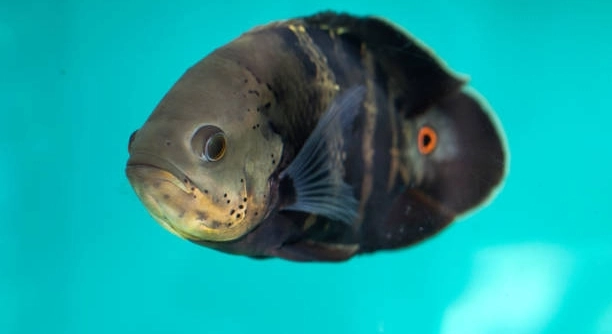
Oscar fish are known for their beauty and vibrant colors, making them a popular choice among aquarium enthusiasts. However, their health can sometimes be hard to monitor. Recognizing the early signs of poor health is key to helping them recover.
Oscar fish health can deteriorate due to various factors, such as poor water conditions, improper diet, or disease. The following signs indicate that your Oscar may be experiencing health issues, which should be addressed promptly to prevent further complications.
Understanding these warning signs will help you take better care of your Oscar fish. Knowing when something is wrong can make all the difference in maintaining their well-being and ensuring they thrive in your aquarium.
Lack of Appetite
If your Oscar fish suddenly stops eating or shows little interest in food, it could be a sign that something is wrong. Oscars are usually eager feeders, so a decrease in appetite should raise concern. Several factors can cause this, including stress, water quality, or illness.
A lack of appetite can lead to malnutrition, making your fish even weaker. Stress from other tank mates, water temperature, or even a change in the tank environment could impact their eating habits. Additionally, internal parasites or infections may be at fault.
If this happens, check the water parameters immediately. Ensure the temperature is within the right range and that there is no ammonia or nitrite buildup in the tank. Offering different food options like live or frozen food may entice your fish to eat. If the issue persists, it’s best to consult with a veterinarian or fish expert to identify any underlying health issues and take appropriate action.
Abnormal Swimming Behavior
Swimming erratically or staying at the bottom of the tank can indicate distress or health problems.
Your Oscar’s behavior speaks volumes about their health. If they’re swimming in circles, scratching against objects, or hiding, something isn’t right. It could be a sign of stress, parasites, or an injury.
Pay close attention to the water conditions first. Poor water quality, including low oxygen levels, could be affecting their swimming. Parasites and infections might also cause discomfort, leading to abnormal movement. Ensure your tank is well-maintained with proper filtration, and consider adjusting the temperature if needed. If the strange behavior continues, it might be time to take a closer look at their health and get a professional diagnosis.
Faded Coloration
A sudden loss of vibrant colors in your Oscar fish could signal a problem. Oscars are known for their bright hues, and any dulling or fading could be caused by various issues such as stress, poor diet, or illness.
The most common reason for fading is poor water quality. Ammonia or nitrites can stress the fish, affecting their pigmentation. A lack of proper nutrients in their diet, such as inadequate protein or missing vitamins, can also lead to faded colors. Ensure you’re feeding a balanced diet with the right vitamins and minerals.
If the water parameters are fine, consider the tank’s environment. Sudden changes, like shifting decorations or tank mates, can cause stress. Stress can directly affect your Oscar’s health and their vibrant colors. If the fading continues, it’s time to assess other factors and consult an expert if necessary.
White Spots or Lesions
Spots or lesions on your Oscar can be a clear sign of infection or disease. These marks may appear as white patches or sores, often caused by parasites or bacterial infections.
White spots could be a sign of “Ich,” a common parasite that affects fish. This infection usually appears as small white dots on the skin or fins. If you notice lesions or open sores, it could indicate a bacterial infection, which may require antibiotics to treat. In both cases, quick action is necessary to prevent the spread of illness.
Maintaining a clean tank and consistent water quality can help reduce the risk of infection. Quarantining new fish before introducing them to the tank can also limit the possibility of spreading parasites or diseases. If your fish show signs of illness, treat the water accordingly and consult with a vet for the proper medications to restore your Oscar’s health.
Labored Breathing
If your Oscar fish is struggling to breathe, it can indicate poor health. Rapid or labored breathing often points to low oxygen levels, poor water quality, or gill issues.
This issue can arise from a variety of factors. First, check your filtration system and water parameters. High ammonia or low oxygen levels can cause this symptom. Sometimes, physical obstructions or infections in the gills can also lead to difficulty breathing.
If improving water quality doesn’t help, consider adding aeration or adjusting the temperature. If the breathing doesn’t improve, further investigation may be required to identify potential gill issues or infections.
Bloating or Swelling
Bloating in an Oscar fish can be a sign of internal problems such as constipation, overfeeding, or more serious conditions like dropsy.
In some cases, Oscar fish might eat too much, causing their stomachs to swell. This could be due to a high-protein diet or feeding them too often. However, swelling could also be a symptom of more severe internal issues like infections or organ failure.
A proper diet and feeding schedule can prevent bloating. If the swelling doesn’t go away, it may indicate a more serious health issue, and a vet visit is necessary.
Discoloration of Fins
When Oscar fish experience changes in their fins, like darkened tips or ragged edges, it may be a sign of stress, injury, or disease.
These changes could occur due to fights with other fish, poor water conditions, or fin rot caused by bacteria. If the fins become severely damaged or show signs of infection, it’s essential to intervene quickly. Maintaining water quality is crucial to preventing this problem. Regularly check for any stress factors in the tank, and separate any aggressive fish to minimize injuries.
FAQ
How can I improve my Oscar fish’s appetite?
If your Oscar is not eating, the first thing to check is the water quality. Poor water conditions can stress fish and make them lose their appetite. Test the water for ammonia, nitrites, and nitrates to ensure they are at safe levels. If the water quality is fine, consider offering different food types, such as live or frozen food, to entice your fish. Sometimes Oscars can get bored with the same food, so variety can help. Also, avoid overfeeding, as it could make the fish reluctant to eat.
Why is my Oscar fish swimming strangely?
Strange swimming behavior can be a sign of stress or discomfort. If your Oscar is swimming erratically, rubbing against objects, or staying in one spot, it could be due to poor water quality, tank mates, or illness. Check the water parameters and ensure your fish’s environment is suitable. Make sure that the tank is big enough for your Oscar and that there is no overcrowding. Tank mates should also be compatible, as aggression from other fish can stress your Oscar and cause abnormal behavior. If the behavior continues, it might be a good idea to check for parasites or other illnesses.
How can I tell if my Oscar has a bacterial infection?
Bacterial infections often show up as lesions, swelling, or sores on the skin of your Oscar. These could be red, white, or even yellowish spots. If the infection is severe, the fish may also have faded colors and exhibit erratic swimming behavior. To treat a bacterial infection, you should first isolate the infected fish to prevent it from spreading to others. Next, ensure that the water is clean and that there are no underlying issues like poor water quality. You can treat bacterial infections with antibiotics available at pet stores or from a vet specializing in fish.
What should I do if my Oscar has white spots?
White spots on your Oscar are typically a sign of “Ich,” a common parasite that infects fish. Ich appears as small, white, salt-like spots on the skin, fins, and gills. To treat Ich, you will need to raise the water temperature slowly to 82°F (28°C) and add a medication specifically designed for this parasite. It is important to follow the instructions on the medication carefully and continue the treatment for the full recommended time, even if the spots seem to disappear earlier. Also, make sure that the tank is kept clean to prevent reinfection.
How can I prevent my Oscar fish from getting sick?
The best way to prevent illness in your Oscar fish is to maintain a clean tank and ensure stable water parameters. Regularly test the water for ammonia, nitrites, and nitrates, and perform partial water changes as needed. Also, be sure to keep the tank free of any sharp objects that could injure your fish. A balanced, nutritious diet is important, as Oscars require a mix of high-protein foods such as pellets, worms, and occasional live food. Lastly, avoid introducing new fish to the tank without quarantining them first to prevent the spread of disease.
Why are my Oscar fish’s fins looking ragged?
Ragged or torn fins can be caused by poor water quality, aggression from tank mates, or a bacterial infection. If your Oscar is being attacked by other fish, especially if they are territorial or aggressive, this could lead to damaged fins. It’s important to assess the behavior of other fish in the tank. If the fins are infected, you may notice additional symptoms like swelling, redness, or discoloration. In this case, treating the tank with antibacterial medication can help. Regular water changes and maintaining proper water conditions are essential to preventing fin damage.
What could cause my Oscar to lose its color?
Oscar fish may lose their color due to stress, poor diet, or illness. Stress factors such as incompatible tank mates, changes in the environment, or poor water quality can lead to fading. Ensure that your fish is kept in a stable, peaceful environment with appropriate tank mates. Inadequate nutrition can also cause color loss, so feeding your Oscar a varied diet with high-quality pellets and live food is essential for maintaining its vibrant hues. If the color loss is accompanied by other symptoms like lethargy or abnormal swimming, you may need to consult a vet.
What is the best temperature for an Oscar fish?
Oscar fish thrive in warmer water temperatures. The ideal temperature range for Oscars is between 75°F and 80°F (24°C to 27°C). Water temperatures that are too low or too high can stress the fish and make them more susceptible to illness. To maintain a stable temperature, use an aquarium heater with a thermometer. It’s important not to fluctuate the water temperature too rapidly, as sudden changes can also cause stress.
How often should I feed my Oscar fish?
Feeding frequency depends on the age and size of your Oscar. Young Oscars need to be fed more frequently, usually once or twice a day, while adult Oscars can be fed once a day. Make sure not to overfeed, as this can lead to water quality issues and obesity. Offer a variety of foods, such as high-quality pellets, live food, and frozen foods. Always remove any uneaten food after 15-20 minutes to prevent it from decomposing in the tank.
What could be causing my Oscar to breathe rapidly?
Rapid or labored breathing in Oscar fish is usually a sign of stress or poor water quality. Check the water parameters to make sure there are no elevated ammonia or nitrite levels. Lack of oxygen can also cause rapid breathing, so ensure that the tank has proper aeration and filtration. Sometimes, rapid breathing could be a sign of gill problems or an infection. If the water is clean and oxygen levels are sufficient, but the breathing continues, it’s worth consulting a veterinarian to check for underlying issues.
Final Thoughts
Taking care of an Oscar fish requires attention to detail and quick action when signs of illness appear. Oscars are hardy fish, but they can suffer from various health issues if not properly maintained. Monitoring their behavior, keeping the water clean, and providing a balanced diet are all essential steps in ensuring your fish stays healthy. Regular water tests, proper filtration, and occasional water changes help maintain a stable environment for your Oscar to thrive. By staying on top of these factors, you can prevent many of the common health issues that Oscars face.
One of the most important things to remember is that early detection of health problems can make a big difference. If you notice changes in your Oscar’s behavior, appetite, or appearance, addressing the issue as soon as possible can often prevent further complications. Even minor issues, such as slight discoloration or reduced activity, should not be ignored. Taking quick action allows you to correct problems before they become serious. Additionally, knowing the common warning signs of poor health will help you become more familiar with what’s normal for your Oscar and what might require attention.
Ultimately, maintaining a healthy environment for your Oscar is key to its well-being. Proper tank setup, regular maintenance, and careful observation will help you provide the best care for your fish. If problems arise that you cannot solve on your own, don’t hesitate to consult an expert or veterinarian. They can offer guidance and help you determine the right course of action. By staying proactive and informed, you can enjoy a long and healthy life for your Oscar fish, and ensure it continues to brighten up your aquarium.

Hello,
If you enjoy the content that we create, please consider saying a "Thank You!" by leaving a tip.
Every little bit helps us continue crafting quality advice that supports the health, happiness, and well-being of pets around the world, for pets of all shapes, sizes, and species.
We really appreciate the kindness and support that you show us!