
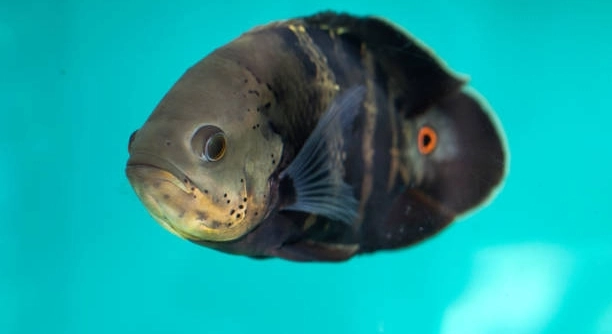
Oscar fish are known for their unique personalities and social behaviors, making them fascinating pets for aquarium enthusiasts. If you’ve noticed a change in your fish’s behavior after losing a mate, you may wonder how this affects them emotionally.
Oscar fish can experience signs of loneliness after losing a mate, particularly if they were previously paired for a long period. They may become more aggressive or display unusual behaviors as a result of the loss.
Understanding the impact of such a loss can help ensure your Oscar fish remains healthy and comfortable in its environment. There are ways to manage these emotional shifts and support your fish during this challenging time.
Why Do Oscar Fish Get Lonely After Losing a Mate?
Oscar fish are naturally social creatures. They form strong bonds with their mates, often displaying affection and companionship. When one fish in a pair passes away, the surviving Oscar can experience a range of emotional responses, including loneliness. This is not just a human-like reaction but a behavioral response to the loss of a close companion. They may become withdrawn, more aggressive, or exhibit signs of stress. The bond between paired Oscars can be deep, and the absence of a mate can leave the surviving fish feeling lost and unsettled.
It’s important to recognize that Oscar fish are intelligent and aware of their surroundings. After losing a mate, they may show altered behavior such as hiding more often or being less active. This can indicate that they are mourning or adjusting to the loss.
If you observe these behaviors in your Oscar fish, consider providing extra attention. A change in their environment or routine might help ease their transition. Some owners even introduce a new mate to the tank to help with the adjustment.
How to Tell If Your Oscar Fish Is Lonely
Oscar fish will show noticeable signs if they’re feeling lonely after losing a mate. You may see your fish becoming more aggressive or territorial, or perhaps they’ll swim aimlessly in the tank. They might also stop eating or hide more frequently, signaling a change in their behavior.
Behavior changes are often the first sign that something is wrong. If your fish begins swimming erratically or shows aggression toward other tank mates, it’s likely due to stress from the loss of its mate. These behaviors can indicate that the fish is struggling emotionally. Additionally, a sudden drop in appetite is another strong sign that your Oscar is experiencing loneliness.
Providing an enriching environment with hiding spots or other fish can help reduce loneliness. Consider adding new tank mates that are compatible with your Oscar’s personality. While not all Oscars will accept a new mate immediately, giving them time to adjust can help them feel less isolated and more secure in their tank.
Should You Add a New Mate?
Introducing a new Oscar fish to your tank can help reduce loneliness, but it’s not always a straightforward process. Adding another fish to the tank may lead to territorial issues, especially if the surviving Oscar is still grieving. It’s crucial to monitor their interactions closely during the introduction.
When adding a new mate, ensure that the new Oscar is of similar size and temperament. This reduces the chances of aggression or bullying. Some Oscars are more accepting of new tank mates than others, so be prepared for the possibility of some initial fighting. However, with careful monitoring and patience, the two may eventually bond. Keep the water conditions stable and provide ample space for both fish to establish their territory. By doing this, you can help your Oscar adjust and reduce feelings of loneliness over time.
Can an Oscar Fish Live Alone?
Oscar fish can live alone, but it’s not always ideal. They can survive without a mate, but they may exhibit signs of stress, like aggression or depression. In the wild, they are often found in pairs or groups, making them more social than some other types of fish.
Without a mate or social interaction, your Oscar may become lonely and act out. If your fish is the only one in the tank, you may notice increased aggression, hiding, or even a loss of appetite. It’s important to observe your Oscar closely and adjust the environment as needed to reduce stress.
How to Help Your Oscar Adjust After Loss
To help your Oscar adjust after losing a mate, focus on providing a stable and enriched environment. Adding decorations or plants can give your fish places to hide and explore. Keeping the water clean and temperature stable is also key to reducing stress.
Even though your Oscar may be adjusting, it can take time. Be patient and allow the fish to get comfortable with the changes in its environment. Monitor behavior and consider introducing a new mate once they’re ready. This can help prevent the emotional toll from becoming too overwhelming.
FAQ
Can Oscar fish get lonely after losing a mate?
Yes, Oscar fish can get lonely after losing a mate. These fish form strong bonds with their partners and may experience a period of sadness or stress when left alone. You might notice changes in behavior, such as increased aggression or withdrawal, as they adjust to the loss. Giving your Oscar extra attention and keeping its environment enriched can help during this transition.
What are the signs that an Oscar fish is lonely?
Lonely Oscar fish often show behavioral changes, such as aggression, territoriality, or hiding more frequently. They may also swim aimlessly or show a lack of interest in food. These signs indicate that your fish is struggling with its emotions, particularly after losing a mate.
Is it okay to keep an Oscar fish alone?
While it is possible for an Oscar to live alone, it’s not always the best option. Oscar fish are naturally social and thrive better when they have company. A solitary Oscar may become stressed, leading to behavioral problems like aggression or depression. If you plan to keep your Oscar alone, it’s important to monitor its behavior closely and ensure its environment is stimulating enough.
How long does it take for an Oscar fish to adjust after losing a mate?
The adjustment period can vary depending on the individual fish and how close the bond was with its mate. Some Oscars may adjust within a few days, while others may take weeks. During this time, they may display signs of stress, such as loss of appetite or aggressive behavior. It’s important to be patient and give your fish time to settle into its new routine.
Should I add a new mate after my Oscar loses a partner?
Adding a new mate can be helpful, but it requires careful consideration. Oscars are territorial, and introducing a new fish can lead to aggression, especially if the surviving Oscar is grieving. If you decide to add a new mate, make sure the new fish is similar in size and temperament. It may take time for the two Oscars to get along, so it’s important to monitor them closely and ensure the tank has enough space for both fish to feel comfortable.
What type of fish can live with an Oscar after it loses a mate?
When choosing tank mates for your Oscar, it’s important to pick fish that are compatible in size and temperament. Larger fish like pacus, plecos, or larger cichlids may be suitable companions. However, you should avoid small or timid fish, as they may be seen as prey. Keep in mind that Oscars are territorial and may not get along with every fish, so proper introductions are crucial.
Can Oscar fish be depressed?
Yes, Oscar fish can experience a form of depression after losing a mate or going through significant environmental changes. Symptoms of depression in Oscar fish include lethargy, loss of appetite, or a decrease in activity levels. Providing a stable, enriched environment with plenty of hiding spots can help improve their mood.
How can I tell if my Oscar fish is stressed?
Stressed Oscar fish often show signs such as rapid swimming, erratic behavior, aggression, or loss of appetite. They may also hide more frequently or show a change in their usual swimming patterns. Stress can be caused by factors like poor water quality, changes in tank mates, or even the loss of a mate.
What should I do if my Oscar is not eating after losing a mate?
If your Oscar isn’t eating after losing a mate, it’s important to assess the tank conditions. Check the water quality, temperature, and the overall environment. Sometimes, Oscars stop eating due to stress or sadness, so providing extra attention, food, and comfort can help. You may also try offering different types of food to entice your fish. If the problem persists, consult with a veterinarian who specializes in fish.
Can I add more than one new Oscar fish to the tank?
Adding more than one new Oscar to the tank can be risky, especially if the surviving Oscar is still adjusting to the loss of its mate. Oscars are territorial, and introducing multiple fish at once can lead to aggression and stress. If you want to add more Oscars, it’s best to wait until the surviving fish is fully adjusted, and then introduce them one at a time, keeping an eye on their interactions.
How can I help my Oscar feel less lonely?
To help your Oscar feel less lonely, consider enriching its environment with decorations, plants, and hiding spots. Keeping the tank clean and maintaining proper water conditions will reduce stress. Spending extra time observing your Oscar and interacting with it can also help ease its feelings of loneliness. If the fish continues to show signs of distress, consider introducing a compatible tank mate to alleviate the isolation.
Final Thoughts
Oscar fish, like many other animals, form emotional bonds with their mates, and when those bonds are broken, they can experience loneliness. This can affect their behavior, making them more aggressive or withdrawn. It’s important to notice these signs early on and understand that loneliness can cause stress for your fish. While Oscar fish can live alone, they are naturally social creatures and do better when they have a companion. Taking care of their emotional needs is just as important as their physical needs.
If your Oscar is showing signs of loneliness, there are a few things you can do. First, make sure that the tank environment is comfortable and provides enough space for your fish. Adding decorations, plants, or even other fish can help reduce feelings of isolation. If you decide to introduce a new mate, it’s essential to be patient and let the fish adjust to each other gradually. The process may take time, and you may need to monitor them carefully at first to avoid aggression or territorial issues.
Ultimately, every fish is different, and some may cope better with loneliness than others. If your Oscar is still showing signs of stress despite your efforts, it may be worth seeking advice from a professional. They can help guide you on the best ways to support your fish, whether through environmental changes or finding a suitable companion. The goal is to ensure that your Oscar remains healthy, happy, and as stress-free as possible in its environment.

Hello,
If you enjoy the content that we create, please consider saying a "Thank You!" by leaving a tip.
Every little bit helps us continue crafting quality advice that supports the health, happiness, and well-being of pets around the world, for pets of all shapes, sizes, and species.
We really appreciate the kindness and support that you show us!