
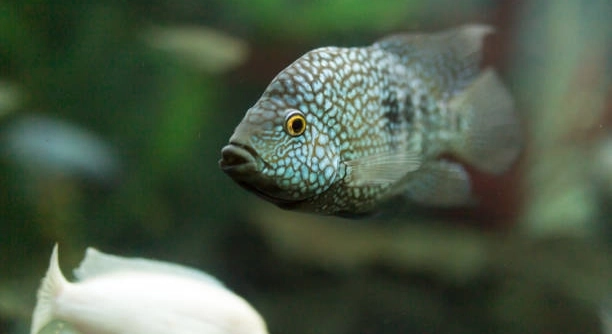
Jack Dempsey fish are known for their vibrant colors and territorial behavior in freshwater aquariums. These fish often display distinct visual signals to communicate with other fish, showing dominance or caution in their environment. Observing these cues can help owners understand them better.
Jack Dempsey fish use visual signals such as color changes, flaring fins, gill displays, body posture shifts, rapid swimming patterns, eye intensity, and lateral displays to warn other fish of potential threats or territorial intrusion effectively.
Recognizing these signals can help maintain harmony in your aquarium and prevent conflicts between your fish. Knowing what each warning looks like makes caring for them easier.
Color Changes
Jack Dempsey fish often shift their colors to communicate warnings. When stressed or threatened, their vibrant hues can darken or become more intense, signaling to others that they feel uneasy. This is especially common during territorial disputes. Watching these changes closely helps in predicting aggression before it escalates. For example, a normally calm fish may suddenly darken its body or fins when a new fish approaches its space. These color shifts are not permanent and usually revert once the perceived threat passes. By paying attention to these signals, owners can rearrange tank decorations or adjust interactions to prevent stress. Color changes are subtle at first, so consistent observation is key. Over time, noticing these patterns can improve understanding of your fish’s behavior. This also ensures that the tank remains a peaceful environment and reduces the chances of injury among your aquatic pets.
Recognizing color changes allows you to respond early to stress or territorial disputes in your aquarium.
Understanding these visual cues in Jack Dempsey fish can prevent unnecessary aggression and ensure a stable tank environment. Observing shifts in color intensity provides insight into how the fish feel about their surroundings and companions. Sometimes the changes are dramatic, with fins and body darkening noticeably, while other times, the shift is subtle, requiring careful observation. These alterations often indicate stress, excitement, or a warning to stay away. Consistent monitoring of your fish helps in identifying patterns in their behavior, allowing proactive adjustments. Tank decorations can be rearranged to give fish personal space, or introductions of new tank mates can be done gradually to reduce tension. Over time, understanding color changes not only improves fish health but also strengthens the overall balance in the aquarium. By interpreting these signals correctly, owners can maintain a calm and safe environment where Jack Dempsey fish thrive and coexist peacefully.
Flaring Fins
Flaring fins are a common visual warning for Jack Dempsey fish. When they feel threatened, they extend their fins fully to appear larger and more intimidating to other fish.
This display signals dominance or alerts nearby fish to keep their distance. Flaring is often paired with other behaviors like rapid swimming or gill displays. It is an instinctive response to protect territory or assert social hierarchy. Observing this behavior helps prevent conflicts in the tank by allowing timely intervention. While flaring looks aggressive, it is a natural form of communication. Ensuring adequate space in the aquarium reduces frequent displays and stress. Decorations and hiding spots can give each fish a sense of security. Flaring also indicates readiness to defend resources like food or breeding areas. By understanding this behavior, owners can create a healthier environment. Flaring fins are temporary and usually relax once the perceived threat moves away, making it an effective warning system for Jack Dempsey fish.
Gill Displays
Gill displays are a clear warning in Jack Dempsey fish. By expanding their gill covers, they make themselves appear larger and more threatening to intruders, signaling they are ready to defend their space.
When Jack Dempsey fish feel threatened, they flare their gill covers outward to intimidate other fish. This behavior often accompanies fin flaring and rapid movements, creating a combined display of strength. Gill displays are especially common when new fish are introduced or when territory is being challenged. Watching for this behavior allows owners to intervene early, preventing unnecessary fights. The expansion of gills is a temporary reaction, and the fish will relax once the perceived threat moves away. Noticing these displays helps maintain harmony in the aquarium.
Understanding gill displays is key to interpreting Jack Dempsey behavior. These subtle but strong warnings indicate tension and potential aggression. Observing gill movements alongside fin flares provides insight into their mood and readiness to defend territory. This behavior is part of their natural communication and serves as a non-lethal way to assert dominance. Regular monitoring ensures that stress levels stay low, allowing for peaceful coexistence. Adjusting tank layout or separating fish when displays become frequent can prevent escalation. Over time, recognizing gill displays helps in predicting interactions and maintaining a balanced, calm environment in the aquarium.
Body Posture Shifts
Body posture shifts signal alertness or aggression in Jack Dempsey fish. They angle their bodies, arch backs, or lower heads to communicate dominance or readiness to defend.
These shifts are an essential form of non-verbal communication. A lowered head and arched body can indicate aggression, while a relaxed posture shows comfort and lack of threat. By observing these movements, owners can identify stress or disputes before fights occur. Adjusting tank arrangements or separating fish can reduce conflicts. Posture shifts often happen quickly, making careful observation important for accurate interpretation. This behavior, combined with color changes and fin displays, creates a full warning system that keeps Jack Dempsey fish safe.
Rapid Swimming Patterns
Rapid swimming patterns are a clear sign of agitation in Jack Dempsey fish. Quick, sudden movements often indicate the fish feels threatened or is asserting dominance within its territory.
These bursts of speed are usually paired with other visual warnings like fin flaring and gill displays. Observing these patterns helps prevent conflicts and allows timely adjustments in the tank.
Eye Intensity
Jack Dempsey fish use eye intensity as a warning. Their eyes become more focused and alert, signaling heightened awareness of nearby threats or rivals.
This visual cue often accompanies other defensive behaviors, making it an important part of their communication. Sharp, intense eye contact warns other fish to stay back and respect boundaries.
Lateral Displays
Lateral displays involve the fish showing their full side profile to appear larger. This posture emphasizes size and strength to intimidate intruders.
It is a common warning used during territorial disputes, usually paired with flaring fins and darkened colors. Observing these displays helps maintain balance and prevent aggressive encounters in the aquarium.
FAQ
How can I tell if my Jack Dempsey fish is stressed?
Stress in Jack Dempsey fish is often visible through changes in behavior and appearance. They may darken in color, flare their fins frequently, or swim rapidly in short bursts. Gill displays and sudden posture shifts are also signs that the fish feels threatened. Observing these cues consistently helps prevent fights and reduces tension in the tank.
Why does my Jack Dempsey flare its fins at other fish?
Flaring fins is a natural warning signal. The fish spreads its fins to appear larger and more intimidating, signaling dominance or defending territory. This behavior usually happens when new fish are introduced, during feeding, or when the fish feels its space is being invaded. Recognizing flaring as communication, not just aggression, allows you to respond appropriately.
What does a color change mean in Jack Dempsey fish?
Color changes are one of the clearest warning signals. Darkening indicates stress or agitation, while intense colors may signal excitement or readiness to defend territory. These shifts are temporary and often revert once the perceived threat passes. Watching for subtle changes helps you understand their mood and adjust tank conditions accordingly.
How important are gill displays in their communication?
Gill displays are a significant non-verbal warning. Expanding gill covers makes the fish appear larger and warns intruders to stay back. This is often paired with fin flaring and posture shifts. Monitoring gill displays helps prevent conflicts and ensures that the fish’s environment remains calm.
What does rapid swimming indicate?
Rapid swimming usually signals agitation or alertness. Jack Dempsey fish use bursts of speed to warn others or escape potential threats. This behavior is often combined with flaring fins, gill displays, and darkened colors, forming a complete warning system. Observing swimming patterns helps identify when the fish is uncomfortable.
Why does my fish show its full side in lateral displays?
Lateral displays are a form of intimidation. By turning sideways, the fish appears larger and stronger. This behavior occurs during territorial disputes and is usually accompanied by flaring fins and darkened colors. Recognizing lateral displays allows owners to prevent aggressive encounters before they escalate.
How can I reduce stress and aggression in my tank?
Providing enough space, hiding spots, and proper tank layout helps minimize stress. Introducing new fish gradually and monitoring interactions can prevent conflicts. Observing warning behaviors like color changes, gill displays, and rapid swimming allows timely intervention. Regular maintenance and environmental stability also support calmer behavior.
Do Jack Dempsey fish always use multiple signals at once?
Often, yes. These fish combine color changes, fin flaring, gill displays, posture shifts, and lateral presentations to communicate effectively. Each signal reinforces the warning, ensuring other fish understand boundaries. Watching for combinations rather than single behaviors provides a clearer understanding of their mood and intentions.
Can these visual warnings prevent fights entirely?
Visual warnings reduce the likelihood of physical confrontations by signaling intentions early. Proper tank management, awareness of warning behaviors, and giving each fish adequate territory can prevent many aggressive interactions. While conflicts may still occur, reading visual cues ensures timely action to protect the fish.
Are juvenile Jack Dempsey fish as expressive as adults?
Juveniles do use visual signals but often less intensely than adults. As they mature, behaviors like fin flaring, lateral displays, and gill expansion become more pronounced. Observing juveniles over time helps predict how they will interact as adults, allowing better tank management.
How often should I monitor my fish for these behaviors?
Daily observation is ideal. Even brief monitoring sessions can reveal changes in color, posture, or behavior. Consistent attention helps identify stressors early, maintain peace in the tank, and ensure the long-term health of your Jack Dempsey fish.
What should I do if one fish is constantly displaying warnings?
Persistent warning displays may indicate insufficient space, territorial disputes, or stress. Consider rearranging tank decor, adding hiding spots, or separating aggressive individuals. Monitoring interactions and responding to repeated signals prevents escalation and keeps the aquarium balanced.
Can environmental changes trigger these visual warnings?
Yes. Changes in lighting, temperature, tank layout, or introduction of new fish can trigger warning behaviors. Jack Dempsey fish are sensitive to their surroundings, and sudden changes may increase flaring, color shifts, and gill displays. Gradual adjustments help reduce stress.
Are there differences in warning behaviors between males and females?
Males tend to display more intense warnings, especially during breeding or territorial disputes. Females also use visual signals but usually less aggressively. Recognizing these differences helps in managing tank dynamics and ensuring peaceful coexistence.
Can I train my fish to reduce aggressive displays?
While training is limited, providing a stable environment, adequate space, and consistent routines can reduce frequent aggression. Responding to early warning signals and avoiding overcrowding allows the fish to feel secure, minimizing stress-driven behaviors.
How do these warnings help in breeding tanks?
Visual warnings establish dominance and territory in breeding tanks. Recognizing these behaviors ensures compatible pairings and reduces stress among potential mates. Proper space and hiding areas allow the fish to communicate naturally without harming each other, supporting healthier breeding conditions.
How long do warning displays usually last?
Most displays are short-lived and last from a few seconds to several minutes. Once the perceived threat passes, color, posture, and fin position return to normal. Continuous observation helps distinguish normal warning behavior from prolonged stress or aggression.
Do Jack Dempsey fish ever misinterpret signals from other fish?
Occasionally, yes. Mistaken interpretations can trigger unnecessary displays or brief skirmishes. Understanding typical behaviors and signals helps owners anticipate responses and reduce conflicts, creating a calmer environment in the aquarium.
Are visual signals enough to manage aggression in a mixed-species tank?
They help but may not be sufficient alone. Some species do not respond appropriately to warnings. Observing interactions and providing space, hiding spots, and proper tank design is crucial to prevent aggression and maintain harmony.
How can I record or track these behaviors effectively?
Keeping a daily log of color changes, fin flaring, gill displays, and posture shifts helps identify patterns. Recording which fish interact and how they respond allows better tank management and early intervention when aggression appears.
Can health issues affect warning behaviors?
Yes. Sick or injured fish may flare less or display unusual patterns. Conversely, discomfort can increase stress-related behaviors. Monitoring warning signals alongside overall health ensures both physical and behavioral needs are addressed.
What is the best way to introduce new fish to a Jack Dempsey tank?
Introduce new fish gradually, ideally in a separate divider or quarantine area first. Allow existing fish to observe without direct contact. Monitor visual warnings closely and remove or separate fish if displays become constant, preventing injury and stress.
Do tank decorations influence warning behaviors?
Yes. Rocks, plants, and hiding spots provide security and reduce conflicts. A well-structured tank allows fish to establish territories and retreat when necessary, reducing the frequency of warning displays and supporting peaceful coexistence.
How can I tell if warning behaviors are escalating to aggression?
Escalation is evident when displays become constant, combined with chasing, nipping, or cornering other fish. Intervening early, rearranging the tank, or separating aggressive individuals prevents injuries and maintains balance among Jack Dempsey fish.
Are visual signals the same in captivity as in the wild?
Yes, the core signals remain the same, though captivity may intensify or alter their frequency. Tank size, density, and environment influence how often these behaviors appear, but the communication patterns are consistent with natural instincts.
What role does diet play in aggression and warning displays?
A balanced diet reduces stress and maintains energy, decreasing unnecessary aggression. Overfeeding or poor nutrition can increase agitation, leading to more frequent displays. Monitoring feeding routines supports calmer, healthier fish.
Can older fish behave differently than younger ones regarding warnings?
Older fish often exhibit more controlled and deliberate warnings, while younger fish may display frequent, unpredictable behaviors. Observing age-related patterns helps anticipate interactions and manage tank harmony effectively.
How do I know if a warning is serious or just routine?
Serious warnings are often combined with multiple signals like color changes, fin flaring, rapid swimming, and gill displays. Routine warnings may be brief, subtle, or isolated. Understanding combinations helps distinguish between minor tension and potential conflict.
What’s the best method to calm an agitated Jack Dempsey fish?
Reducing stressors like overcrowding, rearranging tank décor, and giving the fish personal space helps. Monitoring warning behaviors and providing hiding spots allows the fish to feel secure, calming agitation without physical intervention.
How long does it take to read these visual signals accurately?
Consistent observation over days or weeks helps identify each fish’s patterns. Recognizing subtle color shifts, gill flares, and posture changes requires patience but significantly improves tank management and reduces conflicts.
Can multiple warning behaviors occur at the same time?
Yes, combining color changes, flaring fins, gill displays, lateral views, and rapid swimming creates a strong signal to other fish. Observing multiple cues ensures you interpret intentions correctly and maintain a balanced aquarium.
Are warning behaviors different in male-male versus male-female interactions?
Male-male interactions often show more intense displays due to competition for territory. Male-female interactions may be less aggressive unless breeding behavior is involved. Recognizing these patterns helps manage interactions and avoid unnecessary stress.
Is it necessary to act on every warning display?
Not every display requires intervention. Brief, isolated signals are often part of normal communication. Focus on persistent or escalating behaviors, which indicate stress, territorial disputes, or potential aggression that needs attention.
How do environmental stability and water quality affect warning behaviors?
Stable water conditions reduce stress and help minimize frequent warning displays. Sudden changes in temperature, pH, or cleanliness can trigger more frequent color changes, fin flaring, and gill displays, highlighting the importance of consistent tank maintenance.
Can visual signals indicate readiness to breed?
Yes. During breeding, males often intensify color, flare fins, and show lateral displays to attract females and establish territory. Recognizing these signals allows proper preparation of breeding spaces and reduces conflicts in the tank.
How can I track improvements in fish behavior over time?
Keeping a journal or notes on warning behaviors, tank adjustments, and interactions allows comparison over weeks or months. This tracking helps identify triggers, monitor stress levels, and improve tank harmony.
Do all Jack Dempsey fish display warnings the same way?
Individual personalities affect intensity and frequency. Some fish are naturally more aggressive or expressive, while others are calmer. Observing each fish over time helps understand personal tendencies and manage interactions effectively.
Can visual warnings help prevent injuries in a mixed tank?
Yes. Recognizing early signals like fin flaring, lateral displays, and gill expansions allows timely intervention. Adjusting tank layout or separating fish based on warning behaviors reduces physical conflicts and keeps the aquarium safe.
How often should I check for warning behaviors after introducing new fish?
Monitoring closely during the first days is crucial, as new introductions trigger multiple displays. Regular checks for at least the first week help prevent escalations and ensure peaceful adjustment.
What role do hiding spots play in visual warning behaviors?
Hiding spots reduce the frequency of warnings by giving fish a safe space. Fish can retreat instead of constantly displaying aggression, helping maintain a calm, balanced environment in the tank.
Are some warning behaviors more reliable than others?
Color changes, gill displays, and flaring fins are the most consistent signals. Rapid swimming and posture shifts can be subtle but are still important. Observing multiple behaviors together provides the most accurate understanding of fish intentions.
Can lighting affect how warnings are displayed?
Yes. Bright or uneven lighting can intensify colors, making warnings more visible. Low light may hide subtle cues. Proper lighting ensures accurate observation of visual signals without stressing the fish.
Do Jack Dempsey fish use warnings when interacting with other species?
They often do, but responses vary depending on the other species. Some fish recognize warnings, while others may ignore them. Understanding these interactions helps manage mixed-species tanks safely.
How do warning behaviors differ during feeding?
During feeding, warnings can increase as fish compete for food. Color intensifies, fins flare, and rapid swimming occurs more frequently. Observing feeding behavior helps manage portions and reduce stress-driven aggression.
Can water temperature changes trigger warnings?
Yes. Sudden drops or increases in temperature can make fish uneasy, causing more frequent warning displays. Maintaining stable temperatures supports calmer behavior and reduces stress-induced signaling.
How long does it take for new tank mates to learn each other’s signals?
It may take days to weeks. Fish observe each other and respond to repeated warnings. Gradual introductions and careful monitoring help them establish boundaries and reduce conflicts.
Are lateral displays more common in confined spaces?
Yes. Smaller or crowded tanks increase territorial disputes, making lateral displays more frequent. Providing ample space and hiding spots reduces stress and unnecessary displays.
Do Jack Dempsey fish ever stop displaying warnings as they age?
No, these behaviors continue throughout life but may become less frequent if dominance and territories are established. Experienced fish often show more controlled, deliberate warnings.
Can warning behaviors indicate illness?
Unusual patterns, such as constant color changes or lack of typical displays, can signal health issues. Observing warning behaviors alongside other symptoms ensures early detection of problems.
Is it necessary to separate aggressive fish permanently?
Not always. Temporary separation may be sufficient while fish establish territories or adapt to changes. Long-term separation is only needed if aggression persists despite adjustments.
Can stress from overcrowding cause excessive warning behaviors?
Yes. Overcrowded tanks increase tension, leading to more frequent color changes, fin flaring, gill displays, and posture shifts. Proper stocking density reduces stress and improves overall harmony.
Do warning behaviors differ between day and night?
Most visual signals occur during daylight when fish are active. At night, displays are minimal as activity decreases. Observing behavior during active periods provides the clearest insights.
Can I rely solely on visual signals to manage aggression?
Visual signals are highly useful but should be combined with proper tank setup, monitoring health, and observing interactions. Using both behavioral and environmental management ensures safer and calmer tanks.
How do I distinguish between playful and aggressive displays?
Playful behavior is usually brief, with minimal color changes and less intense fin flaring. Aggressive warnings involve multiple combined signals, sustained intensity, and directed actions toward specific fish, indicating serious territorial defense.
Are there specific signs that a warning is escalating into a fight?
Yes. Persistent displays, chasing, biting, and cornering are clear escalation signs. Monitoring early warning cues allows intervention before injury occurs, maintaining a safe environment for all fish.
How much space should be given to reduce warning behaviors?
Adequate space varies with tank size and number of fish. Each Jack Dempsey should have enough room to establish a territory without constant encounters. Observing interactions helps determine if additional space or barriers are needed.
Can environmental enrichment reduce frequent warning displays?
Yes. Rocks, plants, and hiding spots provide security, reduce stress, and minimize repeated flaring, lateral displays, and rapid swimming. Enrichment supports natural behaviors without conflict.
What are the most common triggers for warning behaviors?
New fish, limited space, feeding competition, breeding periods, and environmental changes are the main triggers. Recognizing these factors allows timely adjustments to prevent escalation.
Is it normal for a single fish to display warnings constantly?
Occasionally, yes, especially in small or crowded tanks. Persistent displays indicate stress or territorial issues that require intervention, like rearranging decor or separating individuals.
How do I ensure my fish understand each other’s warnings?
Consistent observation and gradual introductions allow fish to recognize signals and respect boundaries. Providing enough space and hiding spots supports natural communication without conflicts.
Are visual signals different in aggressive versus shy Jack Dempsey fish?
Aggressive fish display more frequent, intense warnings with color changes, fin flaring, and gill displays. Shy fish may show subtle or minimal cues. Understanding personality differences helps manage interactions effectively.
Can these warning behaviors change over time?
Yes. Factors like age, tank environment, social dynamics, and health influence frequency and intensity. Regular observation ensures continued understanding of your fish’s behavior and needs.
Do all aquariums show the same intensity of warning behaviors?
No. Tank size, decorations, stocking density, and species mix affect frequency and intensity. Larger, well-structured tanks tend to reduce constant displays, while smaller or crowded setups increase visual signaling.
How can I combine observation of all signals for better understanding?
Watching color changes, fin flaring, gill displays, posture, lateral views, eye intensity, and rapid swimming together provides a complete picture. Patterns reveal stress, territory issues, or readiness to breed, guiding appropriate action for a balanced tank.
What should I prioritize when managing multiple warning behaviors?
Focus on persistent, escalating, or combined signals. Early intervention with tank adjustments, added hiding spots, or temporary separation prevents injury and stress, keeping Jack Dempsey fish safe and comfortable.
Can warning behaviors indicate compatibility between fish?
Yes. Fish that respond appropriately to warnings and establish boundaries indicate compatible pairings. Persistent conflicts suggest incompatibility, helping determine which fish can coexist peacefully.
How long should I observe before making tank adjustments?
Several days of consistent observation provide enough information to identify patterns. Early adjustments based on repeated warning behaviors prevent stress and maintain a harmonious environment.
Do water flow and current affect warning displays?
Yes. Strong currents may increase rapid swimming or flaring if fish feel threatened. Proper flow helps reduce stress and allows natural warning behaviors without exaggeration.
Can feeding schedules influence visual signals?
Irregular or competitive feeding can trigger flaring, lateral displays, and chasing. Maintaining consistent feeding routines reduces tension and supports calmer behavior.
Are there seasonal variations in warning behaviors?
Breeding seasons may increase displays like fin flaring, lateral presentations, and color changes. Outside of breeding periods, visual warnings are mostly related to territory and stress, less frequent but still important to monitor.
How do I interpret subtle warnings versus dramatic displays?
Subtle warnings are brief and involve minor fin movements or slight color changes. Dramatic displays combine multiple signals with intense colors, rapid movements, and gill flaring. Observing both provides a full understanding of the fish’s state.
Can repeated exposure to the same fish reduce warning intensity?
Yes. Over time, fish establish dominance and territory, often reducing the frequency and intensity of warnings. Gradual acclimation and consistent observation allow calmer coexistence.
How do I balance multiple fish showing warnings at the same time?
Monitor all interactions, provide adequate space, hiding spots, and separate aggressive individuals temporarily if needed. Observing combined displays helps prevent escalation and maintains harmony.
Can I rely on visual signals to predict future conflicts?
Yes. Repeated or escalating warnings often indicate potential fights. Recogn
Final Thoughts
Jack Dempsey fish are remarkable for their vibrant colors and expressive behaviors. Their visual signals, such as color changes, fin flaring, gill displays, body posture shifts, rapid swimming, eye intensity, and lateral displays, serve as essential ways to communicate stress, aggression, and territorial boundaries. Observing these signals carefully allows owners to better understand their fish and manage interactions in the tank. Each behavior has a purpose, from warning other fish of potential threats to establishing dominance without physical confrontation. Recognizing and interpreting these cues can help reduce conflicts and maintain a more peaceful aquarium environment. Over time, paying attention to these visual signals becomes easier, and it becomes natural to respond appropriately to your fish’s needs.
Providing an environment that supports natural behavior is key to minimizing frequent warning displays. Proper tank size, hiding spots, decorations, and clear territories allow Jack Dempsey fish to feel secure. Overcrowding or abrupt changes in tank layout can trigger excessive displays and stress, so consistency is important. Monitoring interactions closely, especially when introducing new fish, helps prevent escalation of aggression. Daily observation and recording behaviors can highlight patterns that may not be obvious at first. Understanding individual personalities is also important, as some fish are naturally more expressive or dominant than others. Adjustments, such as rearranging decorations or temporarily separating aggressive individuals, can make a significant difference in overall tank harmony. The goal is to create a balanced space where each fish can establish territory and communicate effectively without unnecessary conflict.
Finally, recognizing warning behaviors not only improves safety but also enhances the enjoyment of keeping Jack Dempsey fish. By understanding their visual signals, owners can anticipate issues before they become serious, manage stress, and support healthy interactions. These fish rely on subtle cues that may seem small at first but carry important messages about their mood, health, and environment. Learning to interpret these signs helps maintain a calm and stable tank, ensuring both fish welfare and a more rewarding experience for the owner. Observing, adjusting, and providing a secure habitat allows Jack Dempsey fish to thrive, display natural behaviors, and coexist peacefully with others, making aquariums safer and more enjoyable for everyone involved.

Hello,
If you enjoy the content that we create, please consider saying a "Thank You!" by leaving a tip.
Every little bit helps us continue crafting quality advice that supports the health, happiness, and well-being of pets around the world, for pets of all shapes, sizes, and species.
We really appreciate the kindness and support that you show us!