
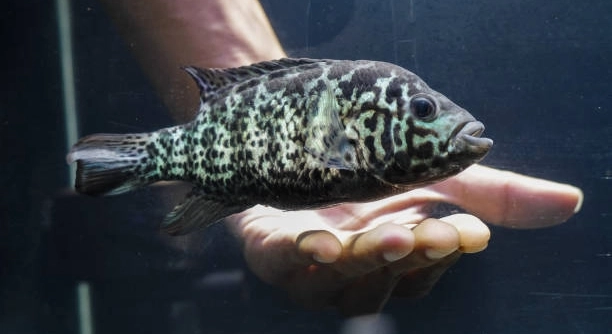
Have you ever noticed your Jack Dempsey fish moving around the tank more aggressively than usual? Many owners find themselves observing their fish’s behavior and wondering if it is simply playful or starting to claim territory.
Jack Dempsey fish claim space by establishing dominance over areas in the tank, often defending preferred spots from other fish. This behavior is a natural territorial instinct that helps maintain hierarchy and reduces competition in their environment.
Recognizing these behaviors early can help you manage your aquarium more effectively and maintain a balanced habitat for all your fish.
Increased Aggression Toward Tank Mates
When a Jack Dempsey starts claiming space, aggression often rises. They may chase other fish or block their access to favorite spots. This behavior is most common when they feel their territory is threatened or when new fish are added. You might notice tail nipping or persistent circling, which can stress other fish. Tank size plays a role—smaller tanks tend to intensify these territorial displays. Decorations and hiding spots can help, giving both the Jack Dempsey and other fish room to retreat. Consistent feeding schedules also reduce stress-driven aggression. Observing the interactions closely helps you predict when conflicts might escalate. You may see a sudden flare of aggression that lasts a few minutes, then settles once the fish feel secure. Avoid overcrowding, as too many fish increases competition. Even subtle gestures, like chasing without biting, signal dominance. Adjusting the tank environment can calm these behaviors and protect all the inhabitants.
Aggression in Jack Dempsey fish is often a direct response to space ownership and perceived threats from other tank members.
Learning to recognize signs of aggression early allows you to make small changes that keep the tank peaceful and reduce stress for every fish. Proper arrangement of plants, rocks, and caves can redirect attention away from confrontations. By giving your Jack Dempsey defined territory and escape options for others, conflicts are minimized.
Guarding Hiding Spots
Jack Dempseys often focus on shelters like caves or dense plants. They may linger near these areas, refusing to let other fish approach. Even in a large tank, they can display strong attachment to a single hiding spot. Their behavior can seem stubborn but is rooted in instinct. They feel safer near cover and more confident when defending it. Recognizing this tendency helps you place decorations strategically to prevent repeated conflicts over a single spot.
Territorial guarding can escalate if ignored, leading to constant chasing or stress-related health issues. Adjusting the tank layout and providing multiple shelters can prevent problems.
Creating multiple secure hiding spots reduces fights and allows fish to establish their own space without constant confrontation. Use rocks, caves, or plants to create boundaries and visual separation. Rotating or rearranging decorations occasionally helps disrupt fixed territories and lowers persistent guarding. A calm environment encourages natural behavior while minimizing stress for all inhabitants. Observing how your Jack Dempsey interacts with each shelter provides insight into their preferences, helping you maintain balance in the tank. It also allows shy or smaller fish to feel safer and thrive alongside a territorial species. These adjustments support a more harmonious aquarium.
Flare Fins and Display Behavior
Jack Dempsey fish often flare their fins to show dominance. This display is most noticeable when another fish comes too close or when they patrol their territory. It’s a natural way to communicate strength without direct confrontation, signaling ownership of a specific area in the tank.
These displays can last a few seconds or several minutes, depending on how threatened the fish feels. The flared fins make the Jack Dempsey appear larger, helping to ward off others. You may notice them spreading dorsal and pectoral fins while holding a firm posture near a favorite spot. This behavior is common during feeding times or when new tank decorations are introduced. Observing these actions helps you understand the fish’s comfort level and predict potential conflicts. Over time, repeated displays indicate the fish is consistently asserting its presence, which is important for maintaining territorial boundaries.
Flared fins are often paired with subtle body movements like side-to-side swaying. They may approach other fish briefly, then retreat, reinforcing dominance without physical harm. Understanding these gestures helps prevent stress in other tank members. Adjusting tank layout or adding hiding spots can reduce tension, ensuring all fish coexist more peacefully. The intensity of displays usually lessens once a hierarchy is established, making the aquarium calmer overall.
Territory Circling
Jack Dempseys frequently swim in loops around their chosen area. This circling reinforces ownership and can intimidate nearby fish. You may notice repeated passes over gravel, rocks, or plants, which signals their attachment to that section of the tank.
Circling behavior is often linked to feeding or shelter spots. The fish patrols boundaries, occasionally stopping to inspect or flare fins at intruders. It’s more pronounced in smaller tanks or when tank mates compete for space. Providing multiple resting or hiding spots can reduce constant patrolling and minimize aggression. Observing these movements helps predict which areas the fish considers most valuable.
Territorial circling can also influence the behavior of other fish. Shy species may avoid high-traffic areas, while more confident fish learn boundaries through repeated interactions. This pattern allows a Jack Dempsey to maintain control without frequent direct fights. Strategic tank design, such as placing decorations to break sightlines or creating visual barriers, helps manage these patterns. Recognizing the intensity and frequency of circling informs decisions about tank population and layout, ultimately supporting a balanced environment where all fish can thrive with minimal stress.
Guarding Food Areas
Jack Dempsey fish can become protective over feeding spots. They often swim quickly to claim food before other fish can reach it, showing clear signs of territorial behavior during meal times. This guarding ensures they get enough nutrition and establishes dominance in the tank.
Feeding aggression can be managed by offering multiple feeding points. Spreading food throughout the tank reduces competition and stress. Observing their habits helps you adjust feeding routines to accommodate all fish, maintaining balance.
Color Intensification
When a Jack Dempsey is claiming space, its colors often become brighter. This vivid display signals health and confidence, making the fish appear more dominant in its territory. The intensity of colors usually increases during feeding or when defending a favorite spot.
Resting in High Spots
Jack Dempseys often choose elevated areas of the tank to rest. These high positions provide a clear view of their surroundings and reinforce their sense of control over the territory. Keeping these areas open supports their natural behavior.
FAQ
How can I tell if my Jack Dempsey is claiming space?
You can observe certain behaviors such as chasing other fish, flaring fins, and circling specific areas of the tank. They often linger near hiding spots or decorations and may guard feeding areas. Brightened colors and elevated resting positions are also signs that the fish feels territorial.
Is this behavior normal?
Yes, claiming space is a natural instinct for Jack Dempseys. In the wild, they establish territories to reduce conflict and protect resources. Even in aquariums, these behaviors are typical, though intensity can vary depending on tank size, number of tank mates, and available hiding spots.
Will my Jack Dempsey harm other fish?
Occasional chasing or mild nipping can occur, especially if space is limited. Physical harm is rare if the tank is appropriately sized and well-decorated. Providing multiple hiding spots, visual barriers, and sufficient swimming space reduces aggressive encounters.
How big should the tank be to prevent excessive aggression?
A larger tank, generally over 55 gallons for a single Jack Dempsey, allows for personal territory and reduces stress. Multiple hiding areas and decorations further divide the space, lowering chances of conflicts with other fish.
Can multiple Jack Dempseys live together?
Yes, but careful planning is needed. Keeping fish of similar size and temperament helps. Introducing them simultaneously rather than adding a new one later reduces territorial disputes. Multiple shelters and clear boundaries in the tank are essential.
Does diet affect territorial behavior?
Yes, consistent feeding schedules and sufficient food minimize competition. A well-balanced diet ensures the Jack Dempsey doesn’t feel threatened and reduces guarding over feeding spots. Feeding in multiple locations can also help manage aggression.
Why does my Jack Dempsey flare its fins at other fish?
Flaring is a display of dominance. It signals ownership of an area without physical confrontation. This behavior helps maintain hierarchy and prevents constant fighting, which is a natural and healthy way for them to communicate territorial boundaries.
Can tank decorations reduce conflicts?
Absolutely. Rocks, caves, and plants create visual barriers, multiple resting areas, and hiding spots. These divisions allow fish to establish separate territories, giving both the Jack Dempsey and other fish space to avoid constant interaction and reduce stress.
How long does territorial behavior last?
It varies. Initially, it may be frequent and intense as the fish establishes boundaries. Over time, as hierarchy forms and the fish feels secure, displays such as chasing, circling, and fin flaring often decrease but never completely disappear.
Should I separate aggressive Jack Dempseys?
Separation is only necessary if fights lead to injuries or if tank size cannot support multiple territories. Observing behavior and adjusting tank layout first can often resolve issues without isolating the fish.
Do males and females differ in claiming space?
Males tend to be more territorial, especially during breeding or when guarding favorite areas. Females may claim space too, but usually less aggressively. Knowing the sex of your fish can help manage tank dynamics effectively.
How can I tell if my fish is stressed from territorial disputes?
Signs include faded colors, hiding excessively, loss of appetite, or erratic swimming. Persistent stress may affect health, so monitoring interactions and adjusting tank layout or population is important.
Can older Jack Dempseys become less territorial?
Some calm down slightly with age, especially if their territory is well-established and the tank environment is stable. However, territorial instincts remain, and occasional displays like circling or fin flaring are expected throughout their life.
What role do water conditions play?
Stable water conditions reduce stress, which can prevent aggression from escalating. Poor water quality may heighten territorial behavior, so maintaining proper temperature, pH, and cleanliness is key for peaceful interactions.
Is it safe to keep smaller fish with Jack Dempseys?
Caution is needed. Smaller fish may be chased or stressed, particularly in smaller tanks. Providing hiding spots and observing interactions can sometimes allow coexistence, but careful selection of tank mates is crucial to prevent injury.
Can Jack Dempseys share tanks with other aggressive species?
Yes, but only with similarly sized, equally strong species. Tank size, hiding areas, and constant monitoring are essential. Mismatched aggression levels often result in serious conflicts and stress for both species.
How do I introduce a new fish without triggering aggression?
Add new fish gradually and try to rearrange decorations first. This breaks established territories and reduces immediate confrontations. Feeding in multiple areas during introduction also helps redirect attention and minimize aggression.
Are territorial behaviors seasonal or constant?
They are generally constant but may intensify during feeding, breeding, or when new tank mates are introduced. Recognizing these patterns helps manage aggression and maintain a calmer tank environment.
Can I train my Jack Dempsey to be less territorial?
While you cannot eliminate natural instincts, you can manage behavior. Regular observation, strategic tank layout, multiple shelters, and consistent feeding reduce stress and prevent escalation of aggression. Over time, the fish adapts to the environment with fewer conflicts.
Do hiding spots really make a difference?
Yes. Multiple hiding places allow fish to retreat and reduce confrontations. They support natural behavior, giving Jack Dempseys and other tank mates defined spaces, which keeps interactions more controlled and reduces stress levels significantly.
How do I know if my tank has enough space for territorial fish?
Monitor behavior. Excessive chasing, constant fin flaring, or lack of rest areas indicate insufficient space. Providing additional hiding spots or upgrading to a larger tank often resolves these issues and helps maintain harmony.
Can stress from territorial behavior cause illness?
Yes. Constant stress weakens the immune system, making fish more prone to infections. Ensuring a stable environment, adequate space, proper diet, and hiding areas helps reduce stress-related health problems.
How long does it take for Jack Dempseys to settle into a new tank?
It usually takes several days to weeks. During this period, territorial behavior is more pronounced as the fish establishes boundaries. Observing interactions and adjusting tank layout can help them settle faster with minimal stress.
What is the best way to monitor territorial behavior?
Regular observation during feeding and quiet periods is most effective. Note patterns such as chasing, circling, fin flaring, and color changes. This helps identify trouble spots and allows you to adjust tank layout or population accordingly.
Do Jack Dempseys ever completely stop claiming space?
No, territorial instincts remain throughout their life. Intensity may lessen with age or in a well-structured environment, but occasional displays of dominance, like flaring or guarding areas, are normal and healthy behaviors.
How important is tank layout for managing space claims?
Tank layout is critical. Strategically placed decorations, multiple shelters, and visual barriers allow fish to establish territories without constant conflict. Rotating or rearranging items occasionally disrupts fixed boundaries, further reducing tension among tank mates.
Can I keep Jack Dempseys with peaceful fish?
Yes, but careful selection is necessary. Peaceful fish must be fast, able to hide, or large enough to avoid stress. Providing ample hiding spots and monitoring interactions helps prevent conflicts while maintaining a balanced community tank.
How often should I adjust the tank for territorial fish?
Minor adjustments every few months can help prevent fixed territories from causing stress. Moving decorations, adding new hiding spots, or changing feeding locations encourages exploration and reduces repeated confrontations.
What are the long-term benefits of managing territorial behavior?
Proper management reduces stress, prevents injuries, and maintains a healthier tank ecosystem. Fish display more natural behavior, grow healthier, and coexist with minimal conflict. Observing, adjusting, and providing appropriate space ensures long-term harmony and well-being for all tank inhabitants.
How can I tell if my Jack Dempsey is comfortable in its territory?
Signs include calm resting, normal feeding, consistent patrolling without excessive chasing, and occasional fin displays without prolonged aggression. Comfortable fish show confidence but not constant stress-driven dominance, indicating a balanced and secure environment.
What is the most effective way to prevent disputes between Jack Dempseys and other fish?
Provide a large tank, multiple hiding spots, adequate feeding stations, and careful selection of tank mates. Observing behavior and making gradual adjustments ensures a peaceful coexistence while respecting natural territorial instincts.
Are there specific decorations that help reduce territorial behavior?
Caves, rocks, driftwood, and dense plants work well. They create boundaries and break sightlines, giving each fish its own area. Multiple decorations prevent monopolization of a single spot and allow for natural territorial behavior without constant aggression.
How do I know when aggression is becoming a problem?
Frequent chasing, injuries, stress signs, or avoidance by other fish indicate serious issues. Early intervention with tank adjustments, added hiding spots, or separation if needed helps maintain a healthy and safe environment for all inhabitants.
Can Jack Dempseys coexist with other territorial species long-term?
Yes, with careful planning. Ensuring compatible size, temperament, and tank layout is essential. Multiple hiding spots and visual barriers help distribute territories evenly. Close monitoring during the first few weeks prevents serious conflicts and establishes a balanced hierarchy.
What is the best approach for new tank introductions?
Rearrange decorations first, add multiple hiding areas, and feed in several spots. Introducing fish gradually or simultaneously reduces territorial disputes. Observation and minor adjustments during the first days help fish adapt peacefully.
Do territorial displays increase during breeding?
Yes, males become more protective of space, particularly near potential nesting sites. Providing extra shelters and sufficient space helps manage heightened aggression during breeding periods and reduces stress on other fish.
How can I keep my Jack Dempsey happy without encouraging aggression?
Maintain a balanced tank environment with enough space, hiding spots, stable water conditions, and consistent feeding. Observing behavior and making small adjustments ensures the fish can express natural territorial instincts without harming tank mates or stressing the ecosystem.
Jack Dempsey fish are naturally territorial, and understanding their behavior is essential for a healthy aquarium. Claiming space is a normal part of their instinct, and it does not always mean aggression will lead to harm. Observing the fish carefully helps you recognize the signs of territory-claiming behaviors, such as chasing, circling, or flaring fins. These actions are ways the fish communicates dominance and establishes a sense of safety in their environment. Even behaviors like guarding hiding spots or elevated resting areas are part of their natural instincts. By identifying these patterns early, you can make adjustments that allow the Jack Dempsey to express its territorial nature without putting other fish at risk.
Managing a Jack Dempsey’s space-claiming tendencies often comes down to proper tank setup and environment. Tank size is an important factor, as overcrowded spaces increase stress and aggressive displays. Adding multiple hiding spots, caves, and plants gives the fish options for claiming territory and allows other fish to avoid conflict. Strategic placement of decorations can break up visual lines of sight, which helps reduce prolonged chasing or aggression. Feeding routines also influence territorial behavior. Offering food in multiple areas and maintaining a consistent schedule can lower competition during mealtimes. Paying attention to water quality, temperature, and general tank conditions also plays a role in reducing stress. A stable environment helps the Jack Dempsey feel secure in its territory, which in turn reduces excessive displays of dominance.
Ultimately, having a Jack Dempsey in your tank requires a balance between respecting its natural instincts and maintaining harmony among all fish. Understanding that territorial behavior is part of its personality helps you approach interactions with patience and planning. With a thoughtful tank layout, sufficient space, and proper care, you can allow the fish to thrive while keeping aggression under control. Monitoring behavior regularly, making small adjustments when needed, and providing opportunities for retreat and hiding ensures all fish have room to feel safe. By giving attention to the needs of the Jack Dempsey and the other inhabitants of your tank, you create an environment where the fish can display natural behaviors without causing constant stress. Over time, you may notice that the fish settles into a rhythm, establishing boundaries and expressing its personality in a way that is manageable and predictable. This balance leads to a more peaceful aquarium where the Jack Dempsey can live healthily while other fish coexist comfortably.

Hello,
If you enjoy the content that we create, please consider saying a "Thank You!" by leaving a tip.
Every little bit helps us continue crafting quality advice that supports the health, happiness, and well-being of pets around the world, for pets of all shapes, sizes, and species.
We really appreciate the kindness and support that you show us!