
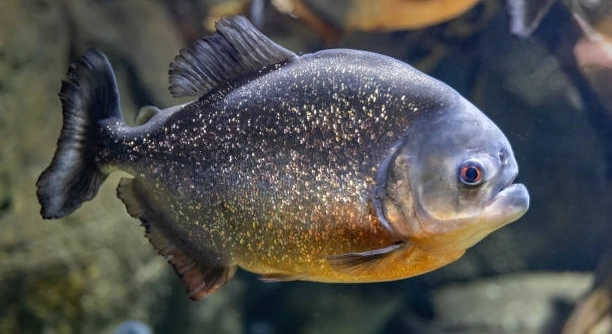
Piranhas are often seen as slow-moving fish, but there have been moments when they suddenly sped up. These bursts of speed are surprising and not very well known outside scientific circles. Understanding these events sheds light on their behavior.
Piranhas can accelerate quickly due to sudden changes in their environment, such as threats from predators or competition for food. These factors trigger rapid bursts of speed, allowing them to escape danger or seize prey efficiently.
These unusual moments reveal more about how piranhas survive and interact in their natural habitat, offering insight into their unique adaptations and instincts.
Sudden Speed During Feeding Frenzies
When piranhas sense food nearby, they can suddenly speed up to catch their meal. These fish often swim calmly, but the moment prey appears, they switch to rapid bursts of movement. This fast reaction helps them grab food before other fish arrive. The feeding frenzy can cause piranhas to move with surprising agility, showing a side of them many don’t expect. Their sharp teeth and swift motions work together to secure a quick meal. This behavior is crucial for their survival, especially in areas with many competing predators.
The sudden speed during feeding is a key survival tactic for piranhas, helping them outpace rivals and claim food quickly.
These bursts of speed are also triggered by the piranhas’ social behavior. When one fish speeds up, others often follow, creating a chain reaction. This makes their feeding frenzy even more intense and fast-paced. Watching this in action reveals just how coordinated and responsive these fish can be under pressure.
Escaping Predators Quickly
Piranhas often increase their speed to avoid predators. When a threat approaches, they rely on quick, sharp movements to get away. This sudden acceleration can surprise the predator and give piranhas a better chance to survive. Their body shape helps them make fast turns and quick escapes in tight spaces. Speed is an important part of their defense strategy, especially when hiding spots are limited.
Rapid bursts of speed allow piranhas to evade danger effectively.
This escape behavior is triggered by sensory cues in the water, such as vibrations or sudden changes in light. When these signals occur, piranhas respond immediately by swimming faster. This quick reaction reduces the chances of being caught. In groups, their speed can also confuse predators, making it harder for a single fish to be targeted. The ability to move fast and change direction sharply is essential for piranhas to stay safe in their often crowded and risky environments.
Reacting to Water Disturbances
Piranhas speed up quickly when they detect sudden changes in the water. Vibrations from nearby movements or objects falling into the water can cause this reaction. Their sharp senses help them respond fast to potential threats or opportunities.
These fish rely heavily on their lateral line system, which detects vibrations and pressure changes in the water. When a disturbance occurs, it sends immediate signals to the brain. This triggers the piranha to speed up, either to investigate or to avoid danger. The ability to react quickly to water disturbances helps them stay alert in their environment, where unexpected events can happen often. This sensitivity also helps during feeding, as it alerts them to struggling prey or rival fish.
Piranhas’ fast swimming in response to water disturbances is also a group behavior. When one fish speeds up, others notice and join in, creating a wave of rapid movement. This collective response increases their chances of survival and success.
Responding to Mating Signals
During mating season, piranhas may suddenly speed up in response to signals from others. These signals include movements and chemical cues in the water, prompting quick reactions. This behavior helps them find and attract mates efficiently.
Mating triggers a lot of activity among piranhas. The sudden bursts of speed are part of their courtship rituals, helping them stand out or chase potential partners. These rapid movements can also ward off rivals, creating space for breeding. Speed is important during this time because it increases the chances of successful reproduction. The energy invested in these quick swims shows how crucial mating is for the continuation of their species.
Chasing Away Intruders
Piranhas speed up quickly when they sense an intruder in their territory. This fast reaction helps them protect their space from other fish or animals. They show aggression by swimming rapidly toward the threat.
The sudden rush often scares intruders away without a fight. Speed is a key part of their defense, allowing them to maintain control over their area and resources.
Escaping from Fishing Nets
When trapped in fishing nets, piranhas try to swim fast to escape. Their quick bursts of speed can sometimes help them find weak spots in the net and slip out.
Speed is one of the few chances these fish have to avoid capture by humans or predators using nets.
Reacting to Changes in Water Temperature
Piranhas may suddenly speed up if the water temperature changes quickly. This reaction helps them adjust to new conditions or find better areas in the water. Speed allows them to move quickly to safer or more comfortable spots.
FAQ
Why do piranhas suddenly speed up during feeding?
Piranhas speed up suddenly during feeding because it helps them catch prey quickly before others do. When they sense food nearby, their instincts push them to react fast. This quick movement improves their chances of grabbing a meal in crowded or competitive waters. Their sharp teeth and fast reflexes work together in these moments, making feeding frenzies intense and effective. This behavior also helps them survive when food is scarce.
How do piranhas detect threats that make them speed up?
Piranhas detect threats using their lateral line system, which senses vibrations and pressure changes in water. When a predator or sudden movement is near, this system alerts them instantly. The quick detection triggers a burst of speed to escape danger. This ability to sense small disturbances in the water keeps them safe from predators and helps them react before an attack happens.
Can piranhas speed up for reasons other than feeding or escaping predators?
Yes, piranhas also speed up during mating season and territorial disputes. During mating, sudden movements help attract partners or ward off rivals. When defending their space, they speed up to chase away intruders. These behaviors show that speed is important not only for survival but also for reproduction and maintaining social order.
How fast can piranhas swim during these sudden bursts?
Piranhas can swim up to 30 miles per hour (48 kilometers per hour) in short bursts. This speed is much faster than their usual slow swimming pace. These bursts are brief but powerful, enough to catch prey or avoid threats quickly. Their strong muscles and streamlined bodies make these fast movements possible.
Are all piranha species equally fast?
No, speed varies between species. Some piranhas are built for quick bursts, while others rely more on group behavior or other defense tactics. Environmental factors like water flow and habitat also affect how fast different species can move. However, most piranhas have the ability to speed up suddenly when needed.
Do piranhas use group tactics when speeding up?
Yes, piranhas often speed up as a group. When one fish senses danger or food, others follow quickly. This collective movement helps confuse predators or increases the success of a feeding frenzy. Group speed bursts also strengthen their social bonds and improve survival chances.
How do changes in water temperature cause piranhas to speed up?
Sudden changes in water temperature can stress piranhas, prompting them to move quickly to find better conditions. Speed helps them leave uncomfortable or dangerous areas and reach spots with stable temperatures. This quick response increases their chances of staying healthy and avoiding harm.
Can piranhas’ sudden speed bursts be dangerous to humans?
Generally, piranhas’ bursts of speed are not dangerous to humans unless the fish feel threatened or are provoked. Their speed mainly helps them catch prey or avoid predators. While they have sharp teeth, they rarely attack people unless cornered or disturbed. Most sudden movements are directed at other fish or threats in their environment.
How do piranhas’ bodies support these quick bursts of speed?
Piranhas have strong muscles, streamlined bodies, and powerful tails that allow fast swimming. Their bodies are built for sudden acceleration and sharp turns. These physical traits help them generate bursts of speed quickly and maintain control while moving fast in water.
Do environmental changes affect how often piranhas speed up?
Yes, environmental factors like water clarity, temperature, and predator presence influence how often piranhas speed up. In noisy or dangerous waters, they may react more frequently to threats or disturbances. In calmer environments, bursts of speed may happen less often. These adjustments help piranhas balance energy use with survival needs.
Piranhas are often seen as slow swimmers, but the moments when they suddenly speed up reveal a lot about their survival skills. These bursts of speed happen for many reasons, from chasing food to escaping danger. Understanding why piranhas move quickly at certain times helps us see them as more than just fierce fish. It shows their ability to respond to their environment in ways that keep them safe and fed.
The quick movements of piranhas are closely tied to their senses and natural instincts. They use their sharp senses to detect changes in their surroundings, like vibrations or temperature shifts. These signals trigger fast swimming to either catch prey, avoid predators, or protect their territory. Piranhas also work together during these moments, often speeding up as a group. This teamwork helps them survive in crowded and sometimes dangerous waters. Their bodies are perfectly designed for these bursts of speed, with strong muscles and flexible shapes that make fast swimming possible.
Looking at piranhas this way gives a clearer picture of their behavior. The sudden speed changes are not random but purposeful actions to handle challenges in their habitat. These moments of quick movement highlight the balance piranhas maintain between caution and aggression. They are skilled fish that use speed wisely, not just to hunt but also to survive. This knowledge helps us appreciate the complexity of their lives and the important role they play in their ecosystems.

Hello,
If you enjoy the content that we create, please consider saying a "Thank You!" by leaving a tip.
Every little bit helps us continue crafting quality advice that supports the health, happiness, and well-being of pets around the world, for pets of all shapes, sizes, and species.
We really appreciate the kindness and support that you show us!