
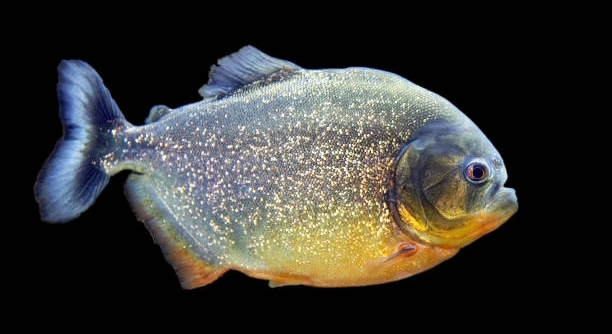
Piranhas are often known for their fierce reputation, but they do not always behave aggressively. In certain situations, these fish can become surprisingly passive. Understanding when and why this happens offers a clearer view of their behavior in nature.
Piranhas turn passive mainly due to factors such as adequate food supply, environmental conditions, reproductive cycles, threat level, social hierarchy, water temperature, and stress. These elements influence their aggression, causing temporary periods of inactivity or calm behavior.
Knowing these situations provides a better understanding of piranha behavior beyond the usual stereotypes. It reveals how their actions adapt to changing circumstances in their habitat.
When Food Is Plentiful
Piranhas are well known for their sharp teeth and aggressive feeding habits, but when there is enough food available, their behavior changes. If their environment provides a steady supply of food like smaller fish, insects, or plants, they have less reason to fight or compete. This abundance reduces their need to be aggressive because they can meet their nutritional needs without confrontation. In the wild, piranhas often feed in groups, and when food is plentiful, these groups remain calm and avoid unnecessary conflict. The presence of enough food helps maintain peace among the school, allowing them to conserve energy and focus on growth or reproduction. Over time, this behavior allows the fish to thrive without the constant stress of competition, which can lead to healthier individuals and more balanced ecosystems.
When piranhas do not need to compete for food, their aggression significantly decreases. They focus on feeding calmly.
Piranhas are opportunistic feeders, and when their environment consistently supplies food, their aggressive tendencies diminish. This means they are more likely to coexist peacefully with others in their group. When food becomes scarce, however, their aggression rises sharply to protect their share. Understanding this dynamic helps explain why piranhas sometimes seem passive instead of fierce. Their behavior closely follows the availability of food in their habitat. As they adapt to environmental changes, their feeding strategy shifts to maintain survival with minimal conflict.
During Reproductive Periods
Piranhas become less aggressive during their reproductive cycles to protect their offspring. Male piranhas, in particular, focus on guarding their nests rather than hunting or fighting. They stay close to the eggs and young fry, keeping them safe from threats without engaging in unnecessary aggression. This period of parental care requires calmness and attention, which means piranhas reduce their usual aggressive behavior. This protective instinct allows the young to survive long enough to grow stronger. Outside of this time, piranhas return to their normal behavior patterns, but during reproduction, their priority shifts from hunting to guarding.
During breeding, piranhas prioritize safety for their eggs and young over aggressive behavior.
Reproductive behavior in piranhas is marked by a clear change in activity. The males build nests in shallow waters and guard them closely. Aggression toward other fish or intruders is limited unless there is a direct threat to their offspring. This temporary passivity helps ensure that the next generation has a better chance to survive. By focusing energy on protection rather than confrontation, piranhas balance their survival needs with species continuation. This phase is crucial for maintaining population levels in their natural habitats, showing a different side of these fish beyond their typical aggressive image.
Influence of Water Temperature
Water temperature greatly affects piranha behavior. When temperatures drop, their metabolism slows down, making them less active and less aggressive.
Lower temperatures cause piranhas to conserve energy. Their bodily functions slow, reducing the need to hunt or fight. In cooler water, they often remain still and avoid unnecessary movement. This state of reduced activity helps them survive until conditions improve. Conversely, warmer water increases their metabolism, leading to heightened aggression and feeding activity. Temperature changes signal the fish to adjust their behavior for survival, showing that piranhas respond closely to their environment’s conditions.
This sensitivity to temperature also means piranhas are more active and aggressive in their natural warm habitats. Seasonal changes can shift their behavior between passive and aggressive states, depending on the water temperature.
Social Hierarchy and Group Behavior
Piranhas live in groups where social order plays a role in their behavior. Dominant individuals lead, while others follow, reducing overall conflict.
Within these groups, piranhas establish clear hierarchies that minimize fighting. Subordinate fish avoid challenging stronger members, which keeps aggression low. This social structure promotes group stability and cooperation, especially during feeding or resting periods. When the hierarchy is respected, piranhas coexist with less tension. This organization reduces the need for constant aggression, as each fish knows its place. Understanding their social behavior highlights that their aggression is not constant but regulated by group dynamics, allowing them to balance competition and cooperation effectively.
Reduced Threat Level
Piranhas tend to become passive when they perceive fewer threats in their environment. Without immediate danger, their aggressive responses decrease significantly.
This calm state helps conserve energy and reduces unnecessary risk. When threats are low, piranhas focus on survival tasks like feeding and resting rather than defense.
Impact of Stress on Behavior
Stress can cause piranhas to reduce aggressive behavior as a coping mechanism. Prolonged or intense stress makes them less active and more withdrawn. Stress factors include overcrowding, poor water quality, or frequent disturbances. When stressed, piranhas may isolate themselves or hide, avoiding conflict and aggression. This response helps them manage energy and avoid injury in unfavorable conditions. Recognizing the effects of stress on piranha behavior is important for maintaining healthy environments, especially in captivity or research settings.
Seasonal Changes
Seasonal variations affect piranha activity and aggression. During certain seasons, their behavior shifts to less aggressive patterns.
This change helps them adapt to environmental fluctuations like food availability and water conditions.
What causes piranhas to be passive instead of aggressive?
Piranhas become passive mainly when their basic needs are met without competition or threat. This includes having enough food, comfortable water temperatures, and a safe environment. During periods like reproduction or when stress levels rise, they also reduce aggression to conserve energy and protect offspring. These factors make them less likely to engage in aggressive behavior.
How does food availability affect piranha behavior?
When food is abundant, piranhas do not need to compete, which lowers their aggression. They can feed calmly and spend energy on growth or reproduction instead of fighting. Scarce food makes them more aggressive to protect resources, but a steady supply keeps them peaceful for longer periods.
Do piranhas always hunt in groups?
Piranhas often feed in groups for safety and efficiency, but they do not always hunt aggressively. When conditions are right—such as sufficient food and low threat—they can feed passively as a group without conflict. Group feeding behavior varies with environment and social structure.
Why do piranhas reduce aggression during reproduction?
During breeding, male piranhas focus on guarding eggs and young rather than hunting or fighting. This parental care requires calm behavior to avoid drawing attention to the nest and to protect offspring from harm. Aggression is reserved only for direct threats during this period.
How does water temperature influence piranha activity?
Colder water slows piranhas’ metabolism, making them less active and aggressive. They conserve energy by staying still and avoiding fights. Warmer water increases metabolism and aggression, encouraging more active feeding and territorial behavior.
What role does social hierarchy play in piranha groups?
Social order limits conflict in piranha groups. Dominant fish establish control, and others avoid challenges. This hierarchy helps maintain group stability and reduces constant fighting. When social ranks are clear, piranhas coexist with less tension and aggression.
Can stress make piranhas passive?
Yes, stress from factors like overcrowding or poor water quality makes piranhas less active and more withdrawn. Stress causes them to hide or isolate themselves, avoiding aggression. This helps them conserve energy and avoid injury until conditions improve.
Are piranhas always aggressive in the wild?
No, piranhas are aggressive mostly when necessary, such as during food shortages or territorial disputes. They spend much time in passive states, especially when food is plentiful or during breeding. Their behavior adapts to environmental and social conditions.
How do seasonal changes affect piranha behavior?
Seasonal shifts can alter food availability, water temperature, and breeding cycles, which all influence aggression levels. In less favorable seasons, piranhas become more passive to conserve energy, becoming more active and aggressive again when conditions improve.
Is it safe to keep piranhas in captivity given their aggressive nature?
Piranhas can be kept in captivity if their environment mimics natural conditions, including adequate space, proper water quality, and enough food. Reducing stress and managing social hierarchy helps lower aggression, making captivity safer for both fish and caretakers.
Piranhas are often seen as aggressive fish, but they do show moments of calm and passivity. Their behavior depends on many factors such as the environment, social structure, and biological needs. When threats are low, food is available, or water conditions change, piranhas tend to reduce their aggressive actions. This helps them save energy and focus on survival tasks like feeding and breeding. Understanding these moments of passivity gives a more balanced view of piranhas beyond their fierce reputation.
Water temperature plays an important role in how active piranhas are. In cooler water, their metabolism slows, and they become less active. This means they are less likely to attack or show aggression. When the water warms up, their activity and aggression increase as they search for food or defend territory. Additionally, piranhas live in groups with social hierarchies. These groups help reduce conflict by setting clear roles among individuals. Dominant fish lead while others follow, preventing constant fighting. Stress also affects their behavior. When piranhas experience poor water quality, overcrowding, or other stressors, they often become passive and avoid conflict. This shows that their aggression is not constant but influenced by many conditions.
Recognizing the situations where piranhas turn passive can improve how we interact with them, whether in the wild or captivity. Knowing that they are not always aggressive helps in managing their care and safety. It also changes the way they are viewed in research and education. Their behavior is a balance between aggression and passivity depending on their needs and environment. Piranhas are adaptable fish that change their actions to survive, not just fierce predators as commonly thought. This understanding provides a clearer and fairer picture of their nature.

Hello,
If you enjoy the content that we create, please consider saying a "Thank You!" by leaving a tip.
Every little bit helps us continue crafting quality advice that supports the health, happiness, and well-being of pets around the world, for pets of all shapes, sizes, and species.
We really appreciate the kindness and support that you show us!