
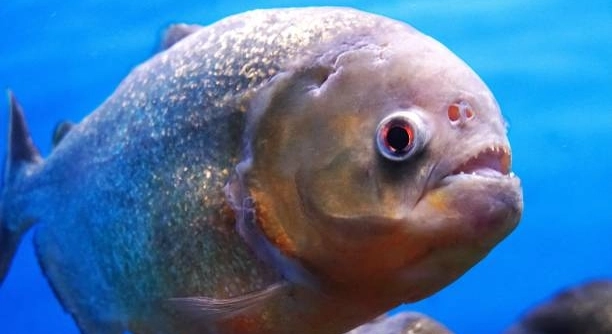
Piranhas are often seen as fierce and fearless fish, but they have their own sources of stress that are not widely known. Understanding what causes stress in piranhas can help keep them healthy and calm. This article explores lesser-known stress factors affecting these fish.
Piranhas experience stress from environmental changes, poor water quality, overcrowding, improper diet, sudden movements, loud noises, and lack of hiding spaces. These factors can negatively impact their behavior, immune system, and overall well-being.
Knowing about these stressors can improve how piranhas are cared for and help maintain a peaceful environment for them to thrive.
Environmental Changes and Water Quality
Sudden changes in a piranha’s environment can cause a lot of stress. These fish are very sensitive to variations in water temperature, pH levels, and cleanliness. Even a slight shift in temperature or water chemistry can make them uncomfortable and anxious. Poor water quality, like high ammonia or nitrate levels, harms their health and increases stress. Keeping the water clean and stable is essential. Regular water changes and testing help maintain the right conditions. Piranhas need a consistent environment because they are used to stable rivers in nature. Rapid changes can disrupt their normal behavior, making them more aggressive or withdrawn. This stress can lower their immune defenses, leading to illness. It’s important to create a balanced tank setup with good filtration and consistent care. This will keep your piranhas calm and healthier in the long run.
Good water quality and stable conditions reduce stress and keep piranhas active and healthy.
Providing a proper habitat with regular monitoring can prevent many health problems caused by stress. Water conditions affect piranhas more than many people realize. Stability supports their natural behavior and well-being, which is important for their survival in captivity.
Overcrowding and Social Stress
Overcrowding in a tank can stress piranhas quickly. When there are too many fish in a small space, they compete for food, territory, and hiding spots. This leads to constant aggression and tension among them. Piranhas naturally live in groups but still need enough room to swim and avoid conflicts. Without space, their stress levels rise, and they may become injured or sick. Watching your fish carefully helps identify signs of overcrowding. If you notice frequent fights or damaged fins, it might be time to reduce the number of fish or upgrade the tank size. Creating hiding places and break areas with plants or decorations also helps lower stress by giving them safe spots. Proper tank management is key to preventing social stress and keeping piranhas balanced and peaceful.
Improper Diet
Feeding piranhas the wrong food can cause stress and health problems. They need a balanced diet that matches their natural eating habits.
Piranhas are carnivores and require a protein-rich diet. Feeding them too much plant material or processed food can upset their digestion and lower their energy. A diet high in fresh fish, insects, and occasional pellets made for carnivorous fish works best. Overfeeding or underfeeding can also cause stress. Too much food pollutes the water, while too little leaves them hungry and weak. Maintaining a regular feeding schedule helps keep them calm and healthy. Variety in their diet supports their natural behavior and keeps them active.
Poor nutrition weakens their immune system, making them more vulnerable to disease. Feeding them well and consistently will reduce stress and help your piranhas thrive over time.
Loud Noises and Sudden Movements
Loud noises near the tank can startle piranhas and increase their stress levels. Sudden movements around the tank also make them uneasy.
Piranhas are alert fish that react quickly to unexpected disturbances. Loud banging, tapping, or vibrations can cause them to become defensive or hide. This constant tension affects their overall health. It’s best to keep the area around the tank calm and quiet. Minimizing sudden gestures, especially near the glass, helps piranhas feel safe and relaxed. Creating a stable environment without frequent disturbances reduces stress and encourages natural behavior. Quiet surroundings let piranhas swim freely and stay calm without unnecessary fear or aggression.
Lack of Hiding Spaces
Piranhas need places to hide to feel secure. Without enough shelter, they can become stressed and anxious.
Providing plants, rocks, or decorations helps create safe spots. These hiding places reduce aggression and let piranhas rest comfortably.
Sudden Temperature Fluctuations
Rapid changes in water temperature shock piranhas and increase their stress levels. Maintaining a steady temperature is crucial. Sudden shifts weaken their immune system and make them more prone to disease. Using a reliable heater and thermometer can help keep temperature stable, promoting a healthy and calm environment for your fish.
Overhandling
Frequent tapping or moving the tank disturbs piranhas and stresses them out. It’s best to keep interactions minimal to avoid unnecessary agitation.
FAQ
What signs show that piranhas are stressed?
Stressed piranhas often act differently than usual. They may hide more, swim erratically, or become aggressive. You might see them gasp at the surface or lose appetite. Changes in color or damaged fins can also indicate stress. Observing these signs early helps in correcting problems before serious health issues develop.
How can I improve water quality to reduce piranha stress?
Regular water changes are essential. Testing water for ammonia, nitrites, and nitrates helps keep levels safe. Using a good filtration system supports clean water and removes waste. Avoid overcrowding to reduce waste buildup. Keeping temperature and pH stable also prevents stress. Cleaning the tank and removing leftover food helps maintain a healthy environment.
Is it okay to keep multiple piranhas together?
Piranhas live in groups in nature but need enough space in captivity. Overcrowding causes stress and fights. A large tank with hiding places reduces conflict. Monitor behavior to prevent bullying. If aggression is high, consider separating some fish or providing more space and enrichment to keep the group peaceful.
What foods should I avoid feeding piranhas?
Avoid feeding piranhas bread, processed human food, or too much plant material. These can cause digestive problems. Stay clear of fatty or spoiled foods, which pollute water and harm health. Focus on fresh fish, insects, and specially formulated carnivorous fish pellets to meet their nutritional needs without causing stress.
Can loud noises really affect piranhas?
Yes, loud noises and vibrations near the tank can startle piranhas. This causes them to become nervous or aggressive. Keeping the tank in a quiet spot and minimizing sudden movements nearby helps piranhas feel secure. Reducing noise is especially important if your tank is in a busy room.
How often should I feed piranhas to avoid stress?
Feeding adult piranhas once or twice a day is enough. Overfeeding pollutes the tank and stresses fish, while underfeeding makes them weak and anxious. Offer small portions they can finish quickly. Stick to a consistent schedule to keep them comfortable and healthy.
Why do piranhas need hiding spots?
Hiding spots provide a sense of security. Without places to retreat, piranhas feel exposed and stressed. Plants, rocks, and decorations create natural barriers that reduce fights and allow rest. A well-decorated tank mimics their natural environment and helps keep them calm.
What temperature range is best for piranhas?
Piranhas thrive in water between 75°F and 80°F (24°C–27°C). Sudden changes outside this range cause stress. Using a heater with a thermostat keeps temperature steady. Avoid placing the tank near drafts or direct sunlight to prevent fluctuations.
Can stress cause illness in piranhas?
Yes, stress weakens their immune system and makes piranhas prone to infections. Common illnesses include fin rot and parasites. Reducing stress by managing water quality, diet, and environment is crucial for preventing sickness. Early care improves their chances of recovery.
Is it harmful to tap on the glass of a piranha tank?
Tapping on the glass startles piranhas and raises stress levels. Frequent tapping makes them defensive and nervous. It’s best to avoid sudden noises or movements near the tank. Treating their environment gently promotes calm and healthy fish behavior.
How can I tell if my tank is overcrowded?
Signs of overcrowding include constant fighting, torn fins, and limited swimming space. If piranhas seem aggressive or hide excessively, the tank might be too small. Adding more space or reducing the number of fish helps lower stress and improve overall health.
What is the best way to introduce new piranhas to a tank?
Quarantine new fish before adding them to the main tank to avoid disease spread. Introduce them slowly and provide enough space to reduce aggression. Rearranging decorations before adding new fish helps break existing territories and lowers fighting chances. Monitoring their behavior closely during this time is important.
How often should I clean a piranha tank?
Partial water changes of 20-30% once a week keep the tank clean and reduce stress. Remove leftover food and debris regularly. Full cleaning should be gentle to avoid disturbing beneficial bacteria. Consistent maintenance supports a healthy environment for your piranhas.
Taking care of piranhas means understanding what causes them stress and how to prevent it. These fish may seem tough, but they are sensitive to many changes in their environment. Keeping their tank clean, stable, and comfortable helps them stay healthy. Simple things like monitoring water quality, feeding the right diet, and giving them enough space make a big difference. When piranhas are less stressed, they behave more naturally and have a stronger immune system.
Stress in piranhas comes from many sources, such as loud noises, overcrowding, and sudden changes in water conditions. By reducing these stress factors, you help them avoid illness and aggression. Providing hiding spots in the tank is also important because it lets them feel safe. Paying attention to their behavior can help catch early signs of stress or illness. Taking action early is key to keeping them well. Managing their environment with care and patience ensures they live longer and happier lives in captivity.
Overall, knowing these stress points allows you to create a better habitat for your piranhas. It is important to balance their needs with your care routine. Regular cleaning, feeding properly, and maintaining a peaceful setting go a long way. Piranhas are interesting and active fish when they are comfortable. With proper care, you can enjoy watching them thrive without worry. Understanding what stresses them out is the first step to being a responsible keeper.

Hello,
If you enjoy the content that we create, please consider saying a "Thank You!" by leaving a tip.
Every little bit helps us continue crafting quality advice that supports the health, happiness, and well-being of pets around the world, for pets of all shapes, sizes, and species.
We really appreciate the kindness and support that you show us!