
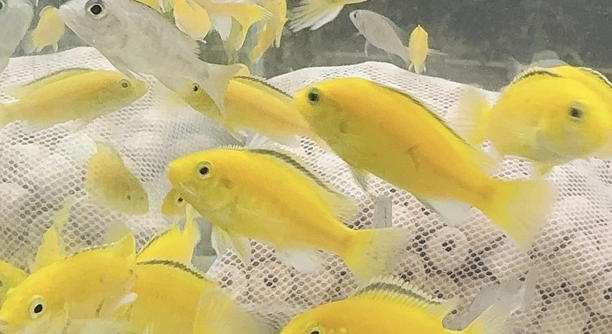
Do you ever find yourself admiring the bright, sunny hues of an Electric Yellow cichlid but wondering if what you see is truly the species you think it is? Many fish look similar at first glance.
Several subspecies are commonly mistaken for Electric Yellow cichlids due to overlapping coloration, body shape, and habitat preferences. Accurate identification requires examining fin structure, markings, and subtle color variations that differentiate each closely related subspecies.
Knowing which subspecies is which helps ensure proper care, tank compatibility, and overall health for your cichlids. Accurate identification can make all the difference in your aquarium setup.
Lemon Cichlid (Neolamprologus leleupi)
The Lemon Cichlid is often confused with the Electric Yellow due to its bright yellow coloration. Unlike Electric Yellows, Lemon Cichlids tend to have more elongated bodies and a slightly sharper head profile. Their yellow hue can range from pale lemon to a deeper golden shade depending on water conditions and diet. They are native to Lake Tanganyika, which gives them different environmental needs than the Electric Yellow cichlid. These fish are moderately aggressive and may establish territories in the aquarium, requiring careful placement with tankmates. Their breeding patterns are also distinct, with pair bonding and substrate spawning being common. Recognizing these traits early helps prevent misidentification and ensures the proper care for each species. Understanding the subtle differences in color intensity, body shape, and behavior is essential for anyone maintaining a mixed cichlid tank or aiming for species-specific breeding.
They can grow slightly larger than Electric Yellows, reaching up to 4 inches in captivity, and need rocky hiding spaces.
Observing their behavior helps with identification. Lemon Cichlids are more territorial and less social, often defending small areas aggressively. Their fins may display faint orange accents, particularly during breeding, which can help distinguish them from Electric Yellows. Water parameters also affect their coloration; slightly harder, alkaline water enhances their golden tones. While diet influences vibrancy, attention to habitat and social structure is crucial. Knowing these differences ensures both species thrive without stress and reduces the likelihood of misidentifying tankmates.
Yellow Lab (Labidochromis caeruleus)
Yellow Labs are often mistaken for Electric Yellows because of their bright yellow body. Their smaller size and slightly rounded shape set them apart in most aquariums.
These cichlids are peaceful compared to other Lake Malawi species but can still display mild territorial behavior. Unlike Electric Yellows, Yellow Labs prefer slightly harder water with a higher pH. Their coloration can appear more uniform, and males develop subtle black accents on dorsal and tail fins. They are prolific breeders and tend to spawn readily in home aquariums, making them appealing for selective breeding. Recognizing the differences in habitat preference, size, and social behavior allows hobbyists to maintain proper tank dynamics. Overlooking these distinctions may lead to stress or aggression if mixed improperly. Proper care involves providing rocky shelters and monitoring water quality to maintain their health. While visually similar to Electric Yellows, Yellow Labs’ unique requirements and subtle markings help identify them correctly in captivity.
Electric Blue Johanni (Melanochromis johannii)
Electric Blue Johannis have a vivid blue tone that can sometimes appear yellowish under certain lighting, causing confusion with Electric Yellows. Their stripes and body shape are key identifiers, distinguishing them from purely yellow cichlids.
These cichlids are territorial and aggressive compared to Electric Yellows. Males develop strong blue coloration with dark vertical stripes, while females remain lighter with subtle patterns. Their behavior in the tank often involves defending specific hiding spots and rock formations. Unlike Electric Yellows, they are less tolerant of close neighbors and need careful monitoring when mixed with other species. Feeding should include protein-rich diets to support growth and maintain their bright colors. Recognizing their unique stripe patterns and temperament ensures proper identification and tank management.
In captivity, these fish require stable water parameters similar to Lake Malawi conditions. Rock-based aquascaping is essential to mimic natural hiding spots. Lighting can affect how their colors appear, which sometimes leads to initial misidentification. Observing aggression levels and fin shapes also helps separate them from Electric Yellows. Proper monitoring of tankmates and understanding their social hierarchy supports both health and coloration.
Yellow Peacock (Aulonocara baenschi)
Yellow Peacocks display a soft golden yellow that is easily mistaken for Electric Yellows. Males are more vibrant, and females tend to be paler, adding to identification challenges in mixed tanks. Their elongated bodies and pointed heads differ subtly from Electric Yellows.
They are semi-aggressive but generally peaceful compared to other cichlids. Yellow Peacocks prefer sandy substrate and open swimming areas, unlike the rocky habitats favored by Electric Yellows. Their coloration can vary depending on diet and water quality, with males showing intense yellow-orange highlights during breeding displays. Understanding their specific environmental needs, including temperature, pH, and tank structure, helps maintain their health and reduces stress. Recognizing these subtle distinctions ensures proper tank management, particularly in species-specific aquariums.
Breeding Yellow Peacocks requires attention to tank hierarchy and space. Males may become territorial, especially during mating, while females care for fry in hidden areas. Monitoring water quality and diet is crucial, as it directly influences coloration and reproductive success. Unlike Electric Yellows, these cichlids may develop gentle blue or orange hints in their fins, which can serve as a distinguishing factor. Proper placement in the tank minimizes conflicts and supports natural behavior, making identification and care easier.
Golden Mbuna (Pseudotropheus crabro)
Golden Mbunas are often confused with Electric Yellows due to their bright yellow coloration. They have a slightly stockier body and display faint black markings along their dorsal fins, which help differentiate them in a mixed tank.
Their temperament is more aggressive than Electric Yellows. They establish territories quickly and may chase smaller or less dominant fish, making tank arrangement and monitoring essential for maintaining harmony among cichlids.
Kenyan Yellow (Labidochromis sp.)
Kenyan Yellows are smaller and more compact than Electric Yellows. Their uniform yellow coloring can make them hard to distinguish at first glance, but subtle body shape differences and fin length provide clear identification.
Sunshine Cichlid (Labidochromis caeruleus “Sunshine”)
Sunshine Cichlids resemble Electric Yellows but display slightly softer yellow tones and a more rounded body. Males develop faint black edges on their dorsal fins, which helps distinguish them during breeding. Their peaceful temperament makes them suitable for community tanks, but they still benefit from structured environments with hiding spots.
Malawi Golden (Metriaclima sp.)
Malawi Goldens display intense yellow coloring similar to Electric Yellows. They have elongated bodies and slightly pointed heads, which help separate them visually. Proper identification ensures correct care, feeding, and tank placement to prevent aggression or stress.
What is the main difference between Electric Yellow and similar subspecies?
The main difference lies in body shape, fin structure, and subtle color variations. Electric Yellows have a more streamlined body and uniform bright yellow color. Other subspecies may show stripes, black edging on fins, or slightly different yellow shades. Recognizing these traits helps prevent misidentification and ensures proper care.
Can Electric Yellows be kept with Lemon Cichlids or Yellow Labs?
Yes, but careful observation is needed. Lemon Cichlids are more territorial, and Yellow Labs are smaller and slightly less aggressive. Providing plenty of rocks, hiding spaces, and monitoring interactions reduces stress and aggression. Tank size and layout are key for harmonious cohabitation.
How can I tell a Yellow Peacock apart from an Electric Yellow?
Yellow Peacocks have a softer yellow tone, slightly elongated bodies, and males show orange highlights during breeding. They prefer sandy substrate and open swimming areas, unlike Electric Yellows, who favor rocky shelters. Noticing these distinctions prevents misidentification in mixed cichlid tanks.
Do lighting conditions affect how Electric Yellows appear?
Yes, lighting can dramatically change the perceived color. Some subspecies, like Electric Blue Johannis, may appear yellow under certain lighting. Observing fish in natural or balanced lighting conditions helps with accurate identification and prevents mistakes in recognizing other similar subspecies.
What are the ideal water conditions for Electric Yellows?
Electric Yellows thrive in slightly alkaline water with stable pH and moderate hardness, mimicking Lake Malawi conditions. Temperature should be maintained around 76–82°F. Consistent water parameters enhance coloration, support immune health, and reduce stress that could lead to aggression or disease.
How does diet influence their color?
A high-quality diet rich in carotenoids and proteins enhances vibrancy. Overfeeding or poor-quality food can dull their bright yellow tone. Offering a mix of flakes, pellets, and occasional live or frozen foods ensures proper nutrition, maintains health, and helps distinguish Electric Yellows from similar subspecies.
Are Electric Yellows suitable for beginners?
Yes, they are generally hardy and adaptable, but attention to tankmates and water conditions is necessary. Avoid keeping them with highly aggressive or very small fish. Their manageable care needs and striking coloration make them popular, but understanding their behavior ensures a healthy, stable tank environment.
What signs indicate stress or poor health in Electric Yellows?
Fading color, clamped fins, or hiding excessively are common signs. Aggression or lethargy can indicate overcrowding, poor water quality, or incompatible tankmates. Regular observation and maintaining optimal conditions help prevent stress, ensuring Electric Yellows remain vibrant and active.
Can Electric Yellows breed in a community tank?
They can breed, but raising fry requires separating them or providing safe spaces. Males are protective of territories and fry, and females carry eggs in their mouths. Recognizing breeding behavior and preparing proper hiding areas improves fry survival rates and helps differentiate Electric Yellows from similar subspecies.
How do I avoid confusing other yellow cichlids with Electric Yellows?
Focus on body shape, fin edges, subtle color variations, and behavior. Documenting observations, comparing with reliable species guides, and monitoring tank interactions improves identification accuracy. Regularly checking water conditions and diet also supports correct coloration, making it easier to tell Electric Yellows apart from lookalike subspecies.
What tank setup is best for distinguishing subspecies in mixed cichlids?
A well-structured tank with rocks, hiding spots, and open swimming areas allows each species to display natural behavior. Proper lighting enhances true coloration, and separating highly aggressive individuals reduces stress. Observing social interactions helps recognize unique traits, ensuring each subspecies thrives without confusion.
How important is monitoring social hierarchy?
Very important. Aggression and territorial behavior vary between subspecies. Electric Yellows are moderately social but can be bullied or harass others if hierarchy is disrupted. Regular monitoring, adjusting tankmates, and providing escape routes ensures harmony, maintains health, and allows clear identification of similar yellow cichlids.
Electric Yellow cichlids are one of the most recognizable and vibrant freshwater fish, but they are often mistaken for several similar subspecies. While their bright yellow coloring is striking, small differences in body shape, fin edges, and coloration can distinguish them from other yellow cichlids like Lemon Cichlids, Yellow Labs, or Yellow Peacocks. Observing these details carefully can help ensure you correctly identify each species in your tank. Misidentification can lead to unintended stress, aggression, or dietary issues, so paying attention to these differences is essential for maintaining a healthy aquarium environment.
Understanding the behavioral traits of Electric Yellows compared to similar species is also important. Electric Yellows are moderately social, establishing territories but generally coexisting well with other peaceful or semi-aggressive cichlids. In contrast, species like Lemon Cichlids or Golden Mbunas can be more territorial and aggressive, requiring specific tank layouts with ample hiding spaces. Yellow Peacocks and Sunshine Cichlids tend to be gentler, but they still benefit from structured habitats that reduce stress. Recognizing these social and territorial behaviors helps hobbyists maintain harmony among tankmates and ensures that all fish thrive in their environment. Attention to water parameters, feeding routines, and tank decoration also plays a crucial role in supporting natural behavior and maintaining optimal coloration.
Proper care and identification go hand in hand for a successful aquarium. Providing the right water conditions, diet, and habitat allows Electric Yellows and similar subspecies to flourish. Lighting, substrate choice, and the availability of hiding spots all influence both coloration and behavior, making it easier to tell species apart while reducing stress. By observing subtle differences in body shape, fin edges, and coloration patterns, you can confidently distinguish Electric Yellows from other yellow cichlids. Consistently monitoring tank dynamics and maintaining water quality ensures long-term health and vibrant coloration. Overall, careful observation, proper care, and understanding the unique traits of each species create a balanced and visually appealing aquarium that highlights the beauty of Electric Yellows and their closely related subspecies.

Hello,
If you enjoy the content that we create, please consider saying a "Thank You!" by leaving a tip.
Every little bit helps us continue crafting quality advice that supports the health, happiness, and well-being of pets around the world, for pets of all shapes, sizes, and species.
We really appreciate the kindness and support that you show us!