
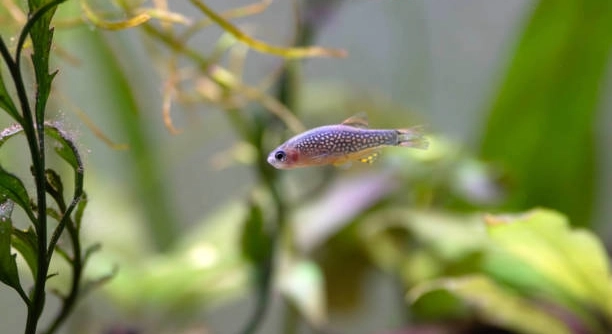
Young danios are lively and colorful fish that grow quickly in home aquariums. Observing their development can be both fascinating and rewarding, as each stage of growth reveals unique patterns and changes in behavior.
Young danios exhibit several types of growth that can be categorized into seven main areas: physical size, fin development, coloration, skeletal structure, muscle formation, reproductive maturity, and behavioral growth. Each type progresses at varying rates influenced by genetics, environment, and nutrition.
Understanding these growth types helps maintain healthy fish and supports their proper development over time. Proper care ensures their vitality and enhances the enjoyment of observing them.
Physical Size Growth
Young danios grow rapidly during their first months. At hatching, they are tiny and almost transparent, but with proper feeding and water conditions, they can double in size within weeks. Consistent water temperature and a balanced diet support steady growth, while overcrowding or poor water quality can slow development. Observing daily changes helps track healthy progress.
Tracking their growth can be as simple as noting weekly measurements. Small tanks can limit growth if space becomes restricted.
Regular monitoring ensures that each danio reaches its potential size. Overfeeding may cause bloating, while underfeeding can stunt growth. Providing a variety of food, including high-quality flakes and occasional live or frozen treats, promotes muscular and skeletal development. Proper filtration and weekly water changes prevent disease that can affect size. Young danios thrive in stable conditions, and slight adjustments in tank setup can make a noticeable difference in their growth rate and overall health.
Fin Development
Fins begin as small extensions and gradually lengthen, gaining strength and coloration.
Healthy fin development requires minimal stress, clean water, and adequate nutrition. Broken fins heal slowly, and prevention is essential.
Danios rely on fins for swimming efficiency and balance. Properly developed fins reduce energy expenditure and improve maneuverability. Environmental enrichment like plants or gentle currents encourages natural movement, which strengthens fin structure. Aggressive tank mates or rough surfaces can damage fins, so careful observation and tank arrangement are necessary. Nutrition rich in proteins and fatty acids supports fin growth, while stable water parameters prevent infections. Over time, fins become proportionate to body size, enhancing the fish’s appearance and functionality. This stage is a clear indicator of overall health and proper care, reflecting the effectiveness of tank management and feeding practices.
Coloration
Young danios often start with muted colors that intensify as they grow.
Coloration depends on genetics, diet, and light exposure. Providing varied food rich in carotenoids and maintaining consistent lighting enhances natural pigments. Stress or illness can dull colors, so stable water conditions are essential for vibrant hues.
As danios mature, patterns become more defined. Males usually display brighter stripes and spots, while females remain slightly muted. Proper tank setup, including plants and hiding spaces, allows them to display colors fully. Exposure to natural or full-spectrum light promotes pigmentation, while sudden changes in environment can temporarily reduce brightness. Watching these changes is rewarding, as it reflects both health and comfort. Maintaining water quality and feeding a balanced diet ensures colors remain vivid throughout growth stages, contributing to their overall well-being.
Skeletal Structure
The skeletal system supports growth and movement. Early development requires adequate calcium and phosphorus.
Proper nutrition and stable water parameters are crucial for strong bones. Young danios are prone to deformities if diet lacks essential minerals or if water conditions fluctuate.
Skeletal growth progresses as the fish matures, with bones elongating and strengthening. Consistent feeding with high-quality flakes, supplemented with live or frozen foods, provides necessary nutrients. Uneven growth or deformities often indicate deficiencies or stress. Maintaining a slightly harder water helps mineral absorption. Observing posture and swimming patterns can reveal potential skeletal issues. Preventing overcrowding reduces pressure on developing bones, allowing each danio to grow correctly. Regular tank maintenance ensures water remains free of harmful substances that could weaken the skeleton. Strong skeletal structure supports overall health, efficient swimming, and proper development of other body systems.
Muscle Formation
Muscle growth is visible as young danios gain strength and bulk. Proper protein intake supports healthy development.
Regular swimming in an adequately sized tank helps build muscle. Gentle currents encourage activity, improving overall fitness and endurance.
Reproductive Maturity
Danios reach sexual maturity at different rates depending on species, diet, and environment. Proper nutrition accelerates healthy development. Reproductive organs develop gradually, and males begin showing brighter coloration and fin extensions.
Behavioral Growth
Young danios learn social behaviors, territory preferences, and feeding routines. Early experiences shape their interactions and adaptability.
Monitoring behavior helps identify stress, illness, or compatibility issues. Providing a balanced environment supports confidence, coordination, and overall well-being.
FAQ
How fast do young danios grow?
Growth rates vary by species, diet, and tank conditions. Most young danios show noticeable size increases within the first few weeks. Maintaining stable water temperature, clean conditions, and consistent feeding encourages steady growth. Overcrowding or poor nutrition can slow development significantly.
What is the best diet for young danios?
A balanced diet includes high-quality flakes, pellets, and occasional live or frozen foods like brine shrimp or daphnia. Protein-rich meals support muscle and skeletal growth, while varied nutrients enhance coloration. Feeding small amounts multiple times a day prevents overfeeding and maintains water quality.
How can I tell if my danio is healthy?
Healthy danios are active, swim evenly, and display bright colors. Fins should be intact, free of tears or discoloration. Eyes clear and body shape proportional indicate good health. Any sudden changes in behavior or appearance can signal stress, illness, or poor water conditions.
Why are my danio’s colors dull?
Dull coloration often stems from stress, poor nutrition, or insufficient light. Stable water parameters, a diet rich in carotenoids, and proper tank lighting can restore natural pigmentation over time. Disease or overcrowding may also reduce vibrancy.
When do danios reach sexual maturity?
Most species mature between three and six months, depending on environmental conditions and diet. Males typically develop brighter stripes and elongated fins, while females may appear fuller-bodied. Providing space and proper nutrition ensures healthy reproductive development.
How can I encourage fin growth?
Clean water, minimal stress, and a nutrient-rich diet promote fin development. Gentle tank currents or plants for navigation help strengthen fins. Avoid sharp decorations or aggressive tank mates, which can damage delicate fin tissue.
What are common growth problems in young danios?
Stunted growth can result from overcrowding, inconsistent water conditions, or nutritional deficiencies. Deformities may appear if calcium or phosphorus is lacking. Overfeeding can lead to bloating and poor swimming ability. Observing growth patterns and maintaining stable conditions prevent most issues.
Do danios need companions for proper development?
Danios are social fish and thrive in groups. Proper social interaction encourages normal behavior, feeding habits, and activity levels. Keeping at least five or six in a tank supports both mental and physical development while reducing stress from isolation.
How often should I monitor growth?
Weekly observation is sufficient for most young danios. Note size changes, coloration, and behavior. Tracking growth helps detect early signs of disease, nutritional deficiencies, or water quality problems, allowing timely adjustments to care routines.
Can environmental changes affect growth?
Yes. Sudden temperature shifts, poor filtration, or overcrowding can hinder growth. Gradual, consistent conditions are essential for physical development, skeletal strength, fin formation, and overall health. Proper tank management ensures young danios reach their full potential.
Is tank size important for growth?
A larger tank provides space for swimming, reduces stress, and encourages natural behavior. Overcrowding can limit growth and cause deformities. Proper tank size combined with filtration and water maintenance supports healthy development.
How do I prevent skeletal deformities?
Balanced nutrition, stable water conditions, and adequate space are crucial. Supplementing with calcium-rich foods or slightly harder water supports bone formation. Avoiding overcrowding and monitoring posture helps identify potential issues early.
Can stress slow growth in young danios?
Stress impacts digestion, immune function, and overall growth. Aggressive tank mates, sudden water changes, or poor nutrition increase stress levels. Providing hiding spots, maintaining stable water parameters, and ensuring social compatibility reduce negative effects.
How important is lighting for young danios?
Proper lighting enhances coloration, regulates activity cycles, and supports overall health. A consistent day-night cycle helps maintain natural rhythms. Avoid sudden changes or overly bright light that can stress young fish and affect growth.
What signs indicate behavioral problems?
Lethargy, constant hiding, aggression, or difficulty swimming may indicate stress, illness, or poor tank conditions. Early detection allows adjustments in diet, tank setup, or social grouping, helping young danios develop normally.
How long does it take for fins and coloration to fully develop?
Fins and colors gradually mature over several months. Males usually display full coloration and fin length before females. Stable conditions, proper nutrition, and minimal stress accelerate the process, while damage or illness can delay development.
Are there ways to accelerate growth safely?
Providing a balanced diet, stable water, sufficient space, and regular observation ensures optimal growth. Avoid overfeeding or rapid environmental changes, as these can cause health problems or deformities. Growth accelerates naturally under consistent, healthy conditions.
Can genetics affect growth types?
Yes. Different strains and species show varying growth patterns, coloration, fin length, and skeletal structure. Genetics influence how quickly danios develop and the intensity of their colors. Understanding breed characteristics helps set realistic expectations for care.
What is the most critical factor for overall growth?
Stable water quality, proper nutrition, adequate space, and social interaction are key. Neglecting any of these factors can compromise size, fin structure, coloration, skeletal health, and behavior. Careful monitoring and maintenance support long-term growth and vitality.
How do I handle young danios to avoid stress?
Minimize handling unless necessary for medical reasons. Use gentle nets, avoid sudden movements, and maintain consistent water parameters during transfers. Stress from handling can stunt growth and increase susceptibility to disease.
When should I separate danios?
Separation may be necessary if aggression, illness, or overcrowding occurs. Sick or injured fish should be isolated to prevent further harm. Adequate space prevents stunted growth and ensures proper development for each individual.
How does water temperature influence growth?
Danios grow best within species-specific temperature ranges. Too cold slows metabolism and development, while excessive heat increases stress and oxygen demand. Maintaining stable, optimal temperature promotes efficient feeding, growth, and overall health.
Can I track growth without measuring?
Observing behavior, size relative to tank mates, fin development, and coloration provides a practical growth assessment. Visual checks are effective for day-to-day monitoring, supplemented by occasional measurements for accuracy.
What common mistakes affect young danio growth?
Overcrowding, inconsistent feeding, poor water quality, and lack of social interaction are frequent problems. Sudden environmental changes or inadequate nutrition also hinder growth. Preventing these ensures healthy development across all seven growth types.
How often should water changes occur?
Weekly partial water changes maintain water quality, reduce stress, and support healthy growth. Regular testing for ammonia, nitrites, and pH ensures conditions remain stable, preventing issues that could slow development or affect coloration.
Is it normal for some danios to grow faster than others?
Yes. Genetics, feeding hierarchy, and minor environmental differences create variability. Ensuring adequate food for all and avoiding aggressive competition promotes balanced growth among tank mates.
How do I know when growth is complete?
Physical size stabilizes, fins reach full length, coloration is vivid, and reproductive organs mature. Behavioral patterns also normalize. Observing these traits indicates that growth stages are largely finished.
Can illness affect all growth types?
Yes. Disease can stunt size, dull colors, weaken fins, deform skeletons, and alter behavior. Early detection and treatment prevent long-term damage, allowing recovery across all development areas.
What is the ideal tank setup for growth?
A spacious tank with gentle filtration, stable temperature, hiding spots, and proper lighting supports size, fin, color, skeletal, muscle, reproductive, and behavioral development. Balanced feeding and minimal stress are equally important.
How long should I monitor young danios closely?
Careful observation is most important during the first six months. During this period, growth rates, coloration, and behavior are highly variable. Consistent monitoring ensures early intervention if problems arise.
Can environmental enrichment improve development?
Yes. Plants, rocks, and gentle currents encourage natural swimming, reduce stress, and strengthen fins and muscles. Environmental complexity supports behavioral growth and promotes mental stimulation.
Are supplements necessary for growth?
A well-balanced diet usually provides sufficient nutrients. Occasional live or frozen foods add variety and essential vitamins. Supplements are only needed if deficiencies are suspected.
How do I prevent aggression among young danios?
Maintaining groups of at least five, providing ample swimming space, and adding plants or decorations reduce territorial behavior. Observing interactions ensures that aggressive individuals do not hinder growth or stress others.
Is observation enough to track reproductive maturity?
Yes. Male coloration and fin changes, along with female body fullness, indicate sexual development. Monitoring these traits allows proper timing for breeding or tank management decisions.
What factors most influence behavioral growth?
Social interactions, tank size, hiding spaces, feeding routines, and environmental stability shape behavior. Consistent care promotes confident, well-adjusted fish that interact normally with tank mates.
How do I prevent stunted growth long-term?
Balanced diet, proper tank size, stable water, social grouping, and monitoring for disease or stress are essential. Avoid overcrowding and overfeeding to maintain healthy development across all seven growth types.
Can tank mates impact growth?
Yes. Aggressive or larger fish can stress young danios, reducing feeding and growth. Compatible tank mates and adequate space help maintain balanced development and minimize conflicts.
What is the best way to support coloration permanently?
Consistent diet, stress-free environment, and stable lighting maintain vibrant colors. Avoid sudden changes and disease exposure, which can temporarily or permanently dull pigmentation.
Are weekly measurements necessary for all types of growth?
Not all types require measurements. Size, skeletal development, and fin length benefit from tracking, while coloration, behavior, and reproductive maturity can be observed visually. Combining both approaches ensures complete monitoring.
How do I handle unexpected growth issues?
Identify environmental, dietary, or social factors causing the problem. Adjust water parameters, feeding, or tank layout as needed. In some cases, isolating affected fish prevents further stress and allows targeted care.
What is the role of genetics in behavioral growth?
Genetics influence activity levels, social tendencies, and temperament. While environment shapes behavior, inherent traits determine how fish interact, feed, and respond to stress. Understanding these traits helps manage tank dynamics.
How can I improve overall health during growth?
Stable water, balanced nutrition, adequate space, compatible companions, and regular observation promote all growth types. Preventing stress and disease ensures young danios reach their full physical and behavioral potential.
Are live plants necessary for growth?
Not strictly, but plants improve water quality, provide hiding spots, and encourage natural swimming, indirectly supporting fin, muscle, and behavioral growth.
How does tank cleanliness affect growth?
Dirty water stresses fish, increases disease risk, and can stunt growth. Regular filtration, water changes, and monitoring of ammonia, nitrite, and nitrate levels are essential for healthy development.
What is the safest way to introduce new danios?
Quarantine new fish before adding them to the main tank. Introduce them gradually, maintaining stable water conditions to reduce stress and prevent disease transmission. Proper introduction supports social and behavioral growth.
Can temperature swings permanently affect growth?
Yes. Frequent or extreme changes can slow metabolism, stunt size, and impact coloration or fin development. Stable temperatures are essential for consistent growth and overall health.
How do I know if growth is healthy?
Healthy growth includes steady size increase, bright coloration, intact fins, proper skeletal structure, strong muscles, normal reproductive development, and natural behaviors. Deviations may indicate environmental or nutritional issues requiring attention.
Is overfeeding a problem for growth?
Yes. Overfeeding can cause bloating, poor water quality, and stunted skeletal or muscular development. Feeding small, controlled portions multiple times a day supports healthy growth without stressing the tank ecosystem.
What is the best water hardness for skeletal health?
Slightly harder water provides calcium and minerals that strengthen bones. Testing and adjusting water hardness supports skeletal development and prevents deformities.
How do I prevent fin damage?
Smooth tank decorations, compatible tank mates, and proper diet reduce fin injuries. Regular monitoring ensures damage is addressed before it affects swimming or growth.
Are frozen foods better than live foods?
Both have benefits. Live foods encourage natural hunting behavior, while frozen foods are convenient and nutrient-rich. Alternating between both ensures balanced nutrition for muscle, fin, and color development.
Can growth issues be reversed?
Some issues, like slow size gain or dull coloration, can improve with better nutrition and water conditions. Skeletal deformities are harder to correct, emphasizing prevention and early intervention.
How do I balance social groups for growth?
Maintain even sex ratios and groups of five or more. Provide space and hiding spots to reduce aggression and ensure all fish receive proper nutrition and attention for balanced growth.
Does tank location affect growth?
Yes. Tanks away from drafts, direct sunlight, or vibration reduce stress. Stable environmental conditions help young danios grow efficiently across all physical and behavioral areas.
What signs indicate reproductive readiness?
Males show brighter stripes and elongated fins, females appear fuller in the abdomen. Courtship behavior and increased activity indicate sexual maturity, supporting breeding decisions.
How do I support young danios after growth is mostly complete?
Continue balanced feeding, clean water, stable temperature, and social management. Regular monitoring ensures continued health, fin integrity, coloration, and reproductive capability throughout adulthood.
Can I track growth visually instead of measuring?
Yes. Observing size relative to tank mates, fin development, coloration, and behavior provides practical growth assessment. Combining visual checks with occasional measurements gives a complete picture.
Are there specific supplements for color enhancement?
Carotenoid-rich foods like shrimp or spirulina support vibrant coloration. Supplements should be occasional and balanced with standard diet to avoid overfeeding or nutritional imbalance.
How do I maintain behavioral growth long-term?
Provide consistent feeding, social interaction, environmental complexity, and minimal stress. Observation and small adjustments support natural activity patterns and prevent aggression or lethargy in mature fish.
Is monitoring necessary after six months?
Yes. Continued observation ensures ongoing health, identifies illness, and maintains optimal coloration, fin condition, skeletal integrity, and behavior. Adult care influences longevity and overall vitality.
What is the key takeaway for healthy growth?
Stable water, balanced diet, proper tank size, social management, and regular observation promote development across all growth types. Early detection of issues and preventive care ensure strong, vibrant, and active danios.
How do I prevent stress-related growth issues?
Maintain stable environmental conditions, avoid overcrowding, provide hiding spots, and reduce sudden changes. Minimizing stress protects physical development, coloration, and behavior.
Can young danios recover from minor growth setbacks?
Yes, if conditions improve. Adequate nutrition, stable water, and proper social settings help fish recover size, color, and fin integrity, though skeletal deformities may be permanent.
Are there seasonal effects on growth?
Seasonal temperature and light variations can slightly affect metabolism and activity. Consistent indoor conditions minimize these effects, allowing steady growth throughout the year.
How can I ensure all seven growth types develop properly?
Provide balanced nutrition, stable water, adequate space, social grouping, environmental enrichment, and careful observation. Supporting each factor ensures healthy physical, behavioral, and reproductive development simultaneously.
Can water pH affect growth?
Yes. Extreme pH levels stress fish, reduce feeding, and can stunt skeletal and muscular development. Maintaining slightly neutral to mildly hard water supports optimal growth.
How do I know if my growth monitoring is effective?
Consistent observation of size, color, fin condition, skeletal structure, muscle tone, reproductive signs, and behavior indicates effective monitoring. Early interventions prevent long-term issues.
Are tank decorations necessary for growth?
Not essential but beneficial. Plants, rocks, and hiding spaces reduce stress, encourage swimming, and support fin, muscle, and behavioral development.
Can overpopulation slow growth?
Yes. Crowding reduces food access, increases stress, and may cause skeletal deformities. Adequate tank size and controlled stocking levels prevent growth inhibition.
How does water flow affect muscle development?
Gentle currents encourage swimming, strengthening muscles and fins. Too strong currents may stress fish, while stagnant water reduces activity and slows physical growth.
Do all danios grow at the same rate?
No. Genetics, feeding order, and minor environmental differences create variability. Proper care ensures even growth among individuals.
Can young danios experience stunted behavioral development?
Yes. Isolation, stress, or lack of stimulation can hinder social and activity patterns. Providing companions, enrichment, and stable conditions supports healthy behavioral growth.
Are there signs of poor dietary growth?
Slow size increase, pale colors, fin deterioration, and lethargy indicate insufficient nutrition. Adjusting diet and ensuring variety promotes recovery and proper development.
How important is water filtration for growth?
Filtration removes waste, maintains oxygen levels, and reduces toxins. Clean water supports size, coloration, fin integrity, skeletal health, and overall vitality.
Is monitoring necessary after growth completion?
Yes. Maintaining stable conditions and observing behavior, fin health, and coloration ensures long-term vitality and prevents late-stage growth or health issues.
Can multiple growth issues occur simultaneously?
Yes. Poor diet, stress, overcrowding, and disease can affect size, coloration, fins, skeleton, muscles, behavior, and reproductive maturity at the same time. Holistic care is essential.
What is the most overlooked factor in growth?
Social interaction and tank environment often receive less attention but are critical for behavioral, fin, and overall physical development. Proper management enhances all growth types.
How do I balance nutrition for all growth types?
Feed a mix of flakes, pellets, and live or frozen foods rich in protein, minerals, and vitamins. Rotating food types ensures muscle, skeletal, fin, color, and reproductive growth are supported.
Can sudden changes in diet affect growth?
Yes. Abrupt changes can cause stress, digestive issues, or temporary color loss. Gradual diet adjustments maintain steady growth and reduce health risks.
How do I handle illness during growth stages?
Isolate affected fish, treat appropriately, and maintain stable tank conditions. Early intervention prevents setbacks in size, color, fin, skeletal, muscle, and behavioral development.
Are growth patterns the same across all danio species?
No. Different species vary in growth rate, coloration, fin shape, skeletal structure, and behavior. Knowing species-specific traits guides proper care and expectation management.
How do I prevent long-term growth problems?
Consistent monitoring, balanced nutrition, adequate space, stable water parameters, compatible tank mates, and enrichment prevent chronic issues across all seven growth types.
What is the role of observation in preventing growth issues?
Regular observation allows early detection of stress, disease, or nutritional deficiencies. Timely interventions maintain healthy development and prevent permanent damage.
How can I ensure fin, color, and muscle growth occur together?
Provide high-quality nutrition, stable water,
Young danios are delicate yet resilient fish that require careful attention during their growth stages. Observing their development across size, fins, coloration, skeletal structure, muscle, reproductive maturity, and behavior gives insight into their overall health. Each type of growth is interconnected, meaning that issues in one area can affect others. For example, poor nutrition can slow muscle development, dull colors, and weaken fins, while overcrowding may stunt size and affect behavior. Maintaining consistent water quality, a balanced diet, and an appropriate tank environment is essential for supporting all aspects of growth. Even small adjustments, such as adding plants or creating gentle currents, can positively influence swimming ability and fin strength. Tracking their progress over time allows early identification of problems, helping prevent long-term health issues that could compromise development. Regular observation also makes it easier to provide the right interventions when needed.
Providing proper nutrition is a key factor in healthy growth. A varied diet that includes high-quality flakes, pellets, and occasional live or frozen foods ensures that young danios receive the essential proteins, vitamins, and minerals necessary for physical development. Protein-rich foods support muscle and skeletal growth, while ingredients like carotenoids improve coloration. Feeding smaller portions multiple times a day prevents overfeeding and maintains water quality, which directly affects growth rates. Additionally, water parameters such as temperature, hardness, and cleanliness play a critical role in ensuring proper development. Stable conditions reduce stress and allow young danios to use energy for growth rather than coping with environmental challenges. Supplementing diet with occasional live foods encourages natural behaviors while also enhancing nutrient intake. These combined efforts ensure that growth is steady, healthy, and balanced across all seven types.
Behavior and social interaction are equally important during growth. Danios are naturally social fish, and proper grouping encourages confidence, activity, and normal feeding patterns. Stress caused by isolation, aggressive tank mates, or sudden environmental changes can slow growth and affect fin and muscle development. Providing adequate space, hiding spots, and gentle currents supports natural behaviors while preventing injury and promoting overall well-being. Even after physical growth stabilizes, maintaining these conditions supports long-term health, coloration, and behavior. Observing young danios as they mature helps identify subtle changes, such as slowed swimming or dulling colors, which can indicate minor issues before they become serious. Attention to these details ensures that each fish reaches its potential size and exhibits strong fins, vibrant colors, proper skeletal structure, and healthy behavior. Careful, consistent management of diet, water conditions, and social environment provides the foundation for young danios to grow successfully and remain healthy throughout adulthood.

Hello,
If you enjoy the content that we create, please consider saying a "Thank You!" by leaving a tip.
Every little bit helps us continue crafting quality advice that supports the health, happiness, and well-being of pets around the world, for pets of all shapes, sizes, and species.
We really appreciate the kindness and support that you show us!