
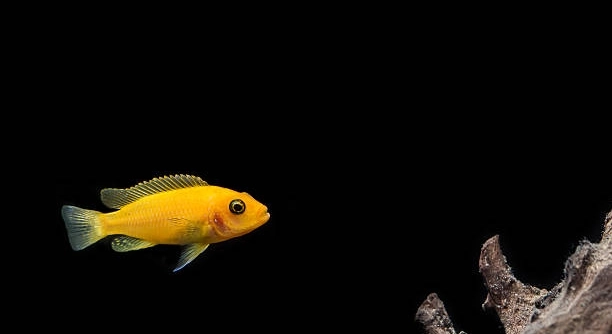
Have you ever noticed your cichlids lingering closer together, sharing space more calmly than before? Observing these subtle behaviors can reveal changes in their social habits, indicating how these fish are learning to interact more smoothly.
Cichlids often exhibit increased social behavior through group swimming, reduced aggression, cooperative feeding, and consistent interaction patterns. Monitoring these signs allows aquarists to understand the evolving dynamics within their tanks and promote healthier, more balanced communities.
Recognizing these patterns can enhance your tank management and improve the well-being of your cichlids, offering insights into their growing social nature.
Increased Group Swimming
Over the past few weeks, I have noticed my cichlids spending more time swimming together rather than scattered throughout the tank. They move in synchronized patterns, exploring the aquarium as a collective. This behavior is a clear indication that they are becoming more comfortable with each other’s presence. Earlier, even minor proximity could trigger chasing or territorial displays. Now, these moments are rare, and the fish seem to respond more calmly when another approaches. Observing them, it is apparent that their social structure is evolving. They engage in short bursts of coordinated movement, sometimes following one another around corners or near hiding spots. This pattern not only reduces stress among the group but also creates a more balanced environment, where each fish can explore without constant confrontation. The shared activity also promotes mental stimulation, keeping them active and alert throughout the day. This collective swimming demonstrates a shift toward cooperation and mutual tolerance.
This change in behavior shows that cichlids are naturally adapting to coexist and navigate their shared space more harmoniously.
By encouraging group swimming through careful tank arrangements and observing their interactions, you can support their social growth. Providing adequate space and hiding spots helps maintain balance and reduces aggression, ultimately promoting a healthier tank environment.
Reduced Aggression
Cichlids are showing fewer signs of chasing or biting within the tank.
Aggression reduction is a key indicator of social development. In my tank, aggressive encounters have noticeably decreased over time. Previously, feeding times often triggered frantic chasing or territorial displays. Now, fish can approach food and interact without constant conflict. This shift is partly due to the establishment of clearer hierarchies and familiar routines, allowing each cichlid to understand its place. They seem to recognize boundaries naturally, resulting in smoother interactions and fewer injuries. Environmental adjustments, such as arranging plants, rocks, and hiding spots strategically, contribute to this calmer atmosphere. Providing visual barriers helps less dominant fish feel secure, while dominant ones can patrol without excessive confrontation. Over time, this balance encourages cooperation and shared space usage. Additionally, keeping water quality stable and maintaining consistent feeding schedules support calmer behavior. Observing these changes confirms that social development in cichlids is ongoing and measurable.
With reduced aggression, the tank becomes a calmer environment, enhancing both the fish’s well-being and your ability to observe their natural behaviors.
Cooperative Feeding
Cichlids now feed with less competition, often allowing others to access food without chasing or blocking. Observing their behavior during feeding shows they can tolerate each other, waiting their turn or sharing small spaces peacefully.
I have noticed that during feeding times, multiple cichlids approach the same area calmly, even when food is limited. They no longer display frantic chasing or defensive postures. Smaller or less dominant fish are now able to get their share without constant harassment. This cooperative approach reduces stress and prevents injuries, creating a more balanced feeding environment. Providing food in multiple spots also encourages fairness, allowing all fish to access nourishment simultaneously. Over time, this cooperation strengthens social bonds, as the cichlids learn to respect each other’s space and timing. Even the most aggressive individuals seem to exercise restraint, showing that patience and awareness are increasing within the group. This behavior is a practical sign of their evolving social structure.
Supporting cooperative feeding requires attention to tank layout and food distribution. Observing these patterns can guide adjustments, ensuring every cichlid receives adequate nutrition without triggering conflict. Maintaining consistency and monitoring interactions helps solidify this social growth.
Consistent Interaction Patterns
Cichlids now display regular, predictable interactions with each other. They engage in repeated swimming circuits, follow similar routes, and revisit favored hiding spots together.
Their behavior has become remarkably structured. I’ve noticed that certain fish tend to group in consistent pairs or trios, following each other through the tank and sometimes pausing at specific locations. These patterns suggest recognition and memory, as fish recall familiar companions and safe areas. Repetition in interactions reduces surprises that might provoke stress or aggression, fostering a stable community. Watching them, it is clear that these patterns help establish trust and mutual understanding. Tank rearrangements can temporarily alter behavior, but the fish quickly adapt, resuming familiar routes. The consistency also helps in identifying social shifts or changes in hierarchy, as deviations from these patterns often indicate stress or illness.
Tracking these patterns allows me to predict behavior and better manage tank dynamics. It also highlights how cichlids balance individuality with group cohesion, demonstrating advanced social awareness and adaptability within their environment.
Shared Hiding Spots
Cichlids are increasingly comfortable sharing caves and shelters without displaying aggression. They tolerate close proximity, allowing multiple fish to rest or hide together peacefully.
Even the more dominant cichlids now allow others to occupy favored spots. This change reduces stress and fosters a sense of security, encouraging calmer interactions throughout the tank.
Mutual Grooming
Some cichlids engage in gentle nipping or rubbing against each other, which appears to help maintain their fins and scales. This behavior reinforces social bonds and demonstrates trust within the group. Observing these interactions shows they are becoming more attentive and cooperative in their relationships, moving beyond simple tolerance toward active social engagement.
Coordinated Territory Patrol
Cichlids now patrol their tank in pairs or small groups, moving together along the same routes. This coordinated activity helps maintain order and prevents territorial disputes, reflecting an increase in social awareness and shared responsibility for the space.
Playful Interaction
Occasional chasing and spinning around each other have shifted from aggressive displays to more playful engagement. This indicates growing comfort and willingness to interact socially without causing harm.
FAQ
How can I tell if my cichlids are becoming more social?
You can observe changes in group behavior, such as swimming together calmly, sharing hiding spots, and cooperating during feeding. Less aggression and more predictable interaction patterns are strong indicators that your cichlids are becoming socially aware and comfortable with each other.
Why do some cichlids still show aggression even in a social group?
Aggression can persist due to individual personality traits, dominance hierarchies, or competition over resources. Some fish naturally maintain territorial instincts, so occasional chasing or displays are normal. Ensuring enough space, hiding spots, and distributed food can help reduce these incidents over time.
Can tank size affect social behavior in cichlids?
Yes, a larger tank allows fish to establish territories and reduces overcrowding stress. When space is limited, cichlids may feel threatened or confined, which can increase aggression. Providing adequate swimming areas and hiding spots encourages calmer social interactions and supports cooperative behaviors.
How does feeding method influence social development?
Feeding in multiple locations prevents competition and allows all cichlids access to food without conflict. Observing their behavior during feeding times shows whether they can wait their turn or share space. Over time, cooperative feeding fosters trust and reduces stress among the group.
Are there specific cichlid species that are more social than others?
Some species naturally display higher social tendencies, such as schooling or forming loose hierarchies. Others are more territorial and may take longer to adjust. Knowing your species’ typical behavior helps in anticipating interactions and creating an environment that encourages social growth.
How long does it take for cichlids to become more social?
Time varies depending on species, age, and tank conditions. Some fish may show social changes within weeks, while others need months. Consistency in feeding, tank layout, and monitoring interactions accelerates this process and helps maintain calmer, cooperative groups.
What role does tank environment play in social behavior?
A well-structured tank with hiding spots, plants, and visual barriers reduces stress and allows fish to interact safely. Environmental enrichment encourages natural behaviors like cooperative feeding, group swimming, and gentle interactions, contributing to social development and overall well-being.
Can social behavior affect breeding in cichlids?
Yes, socially comfortable cichlids are more likely to display mating behaviors and care for eggs or fry. Calm interactions and established hierarchies reduce stress, making the environment more suitable for reproduction and fostering a supportive community for offspring.
Should I intervene if two cichlids constantly fight?
Occasional disputes are normal, but repeated intense aggression may require intervention. Separating the most aggressive individuals temporarily or adjusting hiding spots can restore balance. Monitoring interactions carefully helps prevent injury while maintaining social cohesion among the rest of the group.
Is it possible to train cichlids to be more social?
While not “training” in the traditional sense, consistent routines, gradual introductions of new fish, and structured feeding strategies encourage social growth. Over time, these practices help cichlids adapt to each other, reducing aggression and promoting cooperative behaviors within the tank.
How do I maintain social behavior long-term?
Maintaining stable water conditions, consistent feeding schedules, and thoughtful tank design supports long-term social development. Regular observation allows you to identify early signs of conflict or stress. Reinforcing positive interactions, providing enough space, and respecting natural hierarchies help your cichlids sustain healthy social behavior indefinitely.
Cichlids are fascinating fish, and observing their behavior over time can reveal a lot about how they interact and adapt within a shared environment. Social development in cichlids is gradual, often showing through small but meaningful changes such as group swimming, cooperative feeding, and tolerance of shared spaces. These behaviors indicate that fish are learning to balance their natural instincts with the dynamics of the tank. While aggression may never disappear completely, it usually becomes less frequent as fish establish hierarchies and become familiar with each other. By paying attention to these subtle signs, aquarists can better understand the evolving relationships within their tanks and take steps to support positive social interactions.
Maintaining a stable environment is key to fostering social growth in cichlids. Tank size, hiding spots, and feeding practices all play significant roles in encouraging calmer, cooperative behaviors. Providing enough space for individual territories, as well as areas for group activity, helps reduce stress and minimizes conflicts. Consistent feeding routines and multiple food locations prevent competition and give all fish access to nourishment without confrontation. Environmental enrichment, such as rocks, plants, and caves, not only supports natural behaviors but also provides security for less dominant fish. Over time, these measures allow cichlids to build trust, engage in gentle interactions, and establish predictable patterns, all of which contribute to a more harmonious tank.
Observing social development in cichlids can be rewarding and insightful. It allows aquarists to witness growth, cooperation, and even playful behaviors that reflect comfort and confidence in the tank environment. By recognizing the signs of increasing social behavior, adjustments can be made to improve tank conditions and overall fish welfare. Encouraging group swimming, cooperative feeding, and shared territory use enhances the daily experience for both the fish and the observer. Social growth in cichlids is a continuous process, shaped by careful management and attention to their needs. With patience and observation, these fish can thrive in a balanced, engaging, and socially enriched environment, providing both visual enjoyment and a deeper understanding of their complex behaviors.

Hello,
If you enjoy the content that we create, please consider saying a "Thank You!" by leaving a tip.
Every little bit helps us continue crafting quality advice that supports the health, happiness, and well-being of pets around the world, for pets of all shapes, sizes, and species.
We really appreciate the kindness and support that you show us!