
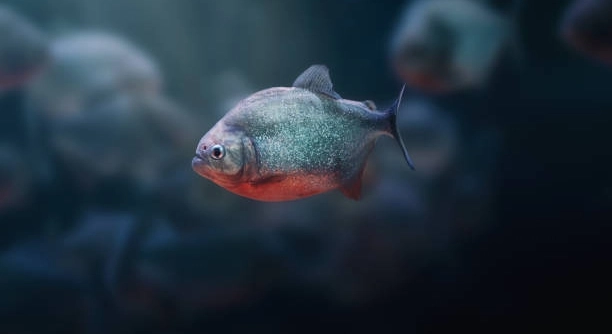
Many people find piranhas fascinating due to their sharp teeth and strong jaws. However, some species also have the unique ability to change their colors quickly. This interesting trait helps them in various ways in their environment.
Seven species of piranhas are known to change their color rapidly. This ability is usually linked to communication, camouflage, or stress response. Color change happens through specialized cells called chromatophores in their skin, allowing them to adapt quickly to surroundings.
Learning about these color-changing piranhas reveals much about their behavior and survival strategies. This article explores how these fish use their color shifts in nature and what makes them special among freshwater species.
How Piranhas Change Their Color
Piranhas change color using special skin cells called chromatophores. These cells contain pigments that can expand or contract to show different colors. When a piranha feels threatened, excited, or needs to communicate, these cells adjust quickly. The change can be from bright red or orange to dull brown or gray, helping the fish blend in or warn others. This ability is useful for avoiding predators or signaling during social interactions. The color change is not permanent; it happens within seconds to minutes depending on the situation. Some piranha species show more vivid color changes than others. Environmental factors like light and water conditions also influence how noticeable these changes appear. This adaptive feature plays an important role in their survival and behavior in the wild. Understanding this helps explain why some piranhas are so striking when seen in their natural habitat.
The chromatophores control color by shifting pigment particles inside the cells. This allows rapid and reversible changes.
Color change is a practical skill for piranhas, aiding in camouflage, warning signals, and social communication. This biological trait highlights their adaptability in diverse environments.
Species Known for Rapid Color Changes
Several piranha species are famous for quick color shifts, including the red-bellied piranha and the black piranha. The red-bellied piranha often shows bright red underbellies that become duller when stressed or resting. The black piranha shifts between dark and lighter shades depending on mood and surroundings. These changes serve to communicate dominance, attract mates, or hide from threats. Their ability to switch colors rapidly provides advantages in hunting and social behavior. Some species have evolved to make these color changes more pronounced than others, often linked to their habitat’s complexity. In murky or densely vegetated waters, changing colors help them blend better. In clearer water, vivid colors may be more useful for showing strength or warning others. These natural adaptations make each species unique in how it uses color.
Not all piranhas change color equally; some species rely more on this ability.
This variation reflects how each species has adapted to different environments and survival needs, showcasing nature’s diversity in this fish family.
Reasons Behind Color Changes
Piranhas change color mainly for protection, communication, and mating. These changes help them survive and interact with other fish in their environment.
Color changes help piranhas blend into their surroundings, making it harder for predators to spot them. When threatened, they often darken their bodies to avoid attention. In social settings, color shifts signal aggression or submission, helping reduce fights. During mating, brighter colors attract partners and show health and vitality. These color changes are temporary and can reverse quickly depending on the situation. This flexibility is important in their often-dangerous habitats.
Stress also triggers color changes. When a piranha feels uneasy or threatened, its colors may fade or darken. This helps it avoid drawing attention and gives it a better chance of escape. Understanding these reasons shows how color change supports piranhas in many aspects of life.
How Environment Affects Color Change
Environmental factors like light, water clarity, and background influence piranha color changes. These factors determine how easily their color shifts are noticed.
In clear water with plenty of light, piranhas can afford to show brighter colors for communication and mating displays. However, in murky or shaded waters, duller colors help with camouflage. Temperature and water quality can also impact how vivid their colors appear. For example, colder water may slow down pigment movement, making changes less noticeable. Seasonal changes can affect behavior too, with some piranhas changing colors more often during breeding seasons. This interaction between environment and color change helps piranhas adapt quickly to different conditions, increasing their survival chances. It shows how closely their bodies respond to the world around them.
Color Change During Feeding
Piranhas often change color while feeding. Their colors can become darker or more intense as they become more aggressive or excited.
This shift helps signal to other fish that they are focused and may act defensively. It also can confuse prey, giving piranhas an advantage when hunting in groups.
Role of Social Interactions
Social hierarchy affects how piranhas change color. Dominant fish tend to display brighter or more intense colors to show their status. Submissive or weaker fish usually have duller colors to avoid conflict. This visual signaling helps maintain order in groups and reduces physical fights, keeping the school stable and balanced.
Color Changes and Stress
Stress causes rapid color changes in piranhas. When feeling threatened or uneasy, their colors often darken or fade quickly as a defense mechanism.
Piranhas in Captivity
Piranhas kept in tanks may also show color changes. Changes in lighting, tank mates, or water conditions influence how their colors shift.
What causes piranhas to change color so quickly?
Piranhas change color quickly because of specialized skin cells called chromatophores. These cells contain pigments that can move around inside the cells to show different colors. When a piranha feels stressed, threatened, or wants to communicate, these pigments shift rapidly. This movement allows their skin to go from bright colors to duller tones or vice versa in just seconds or minutes. It’s a natural response that helps them adapt to changes in their environment and social situations.
Do all piranhas change color the same way?
Not all piranhas change color in the same way or to the same degree. Some species, like the red-bellied piranha, show very noticeable changes in their belly color, while others might only have subtle shifts. The extent and speed of color change depend on the species’ habitat, behavior, and evolutionary adaptations. Some piranhas rely more on color for communication, so their changes are more dramatic. Others may use different methods like body posture or sound to interact.
Is the color change permanent or temporary?
The color change in piranhas is temporary. It usually lasts only as long as needed—seconds to minutes—depending on the situation. Once the cause, like stress or mating display, passes, their colors return to normal. This reversibility is important because it allows piranhas to adjust quickly to new circumstances. Permanent color changes don’t happen because they would reduce the fish’s ability to camouflage or signal effectively.
How do piranhas use color change to communicate?
Piranhas use color changes to send messages to other fish. For example, a bright or intense color might signal dominance or readiness to mate. Darker colors can show submission or stress. These visual cues help avoid unnecessary fights by clearly showing where each fish stands in the social hierarchy. Color also helps them warn others of danger or signal when they are ready to hunt. This non-verbal communication keeps their groups more organized and safer.
Can color change help piranhas avoid predators?
Yes, color change is a key defense mechanism for piranhas. By shifting to dull or darker shades, they blend better into their surroundings, making it harder for predators to spot them. When the water is murky or filled with plants, piranhas can adjust their colors to match, hiding effectively. This ability increases their chances of survival, especially in environments where threats are common.
Does the environment affect how piranhas change color?
The environment plays a big role in how piranhas show their colors. Light levels, water clarity, temperature, and even the type of plants or background affect how visible their colors are. In clear water with bright light, piranhas can afford to be more colorful. In darker or murkier waters, they usually adopt duller colors for better camouflage. Changes in temperature or water quality can also impact the speed and brightness of their color shifts.
How do piranhas’ colors change during mating season?
During mating season, many piranhas display brighter and more vibrant colors. This helps attract potential mates by showing health and vitality. Males often intensify their reds or oranges to stand out, signaling they are strong and ready to reproduce. These color changes can also help females recognize suitable partners. The bright colors usually fade again after the mating period ends.
Do piranhas in captivity change color the same way as wild ones?
Piranhas in captivity do change color, but the triggers can be different from those in the wild. Factors like tank lighting, water quality, and the presence of other fish influence their color changes. Stress or boredom in captivity may cause unusual fading or darkening. Providing a well-maintained environment with natural hiding spots can help keep their color changes healthy and natural. Watching how captive piranhas shift colors can offer clues about their well-being.
Is stress the main reason for color change in piranhas?
Stress is one of the main reasons piranhas change color, but it’s not the only one. Stressful situations like predator threats, overcrowding, or poor water conditions often cause their colors to darken or fade. This helps them avoid detection and reduce conflict. However, piranhas also change color for other reasons, such as social signaling and mating displays, which are normal and healthy behaviors.
Can we tell a piranha’s mood by its color?
To some extent, yes. A brightly colored piranha often feels confident or is trying to attract attention. Darker or dull colors usually indicate stress, fear, or submission. These color shifts can provide insight into their mood or social status. However, other factors like lighting and environment should also be considered, as they can influence appearance. Observing color alongside behavior gives the best clues to a piranha’s state.
Are rapid color changes unique to piranhas?
Rapid color changes are not unique to piranhas but are common among many fish and other animals. Species like cuttlefish, chameleons, and certain types of frogs also change colors quickly for similar reasons—camouflage, communication, or stress response. What makes piranhas interesting is how their color changes tie closely to their social behavior and survival in freshwater habitats.
Can humans affect piranhas’ ability to change color?
Human activity can impact piranhas’ natural color-changing abilities. Pollution, habitat destruction, and poor water quality in their environments can stress these fish, causing unnatural or prolonged color changes. Overfishing or captivity conditions can also alter their behavior and appearance. Protecting their natural habitats helps maintain the balance that allows piranhas to use their color changes effectively for survival and communication.
Piranhas are often known for their sharp teeth and strong bite, but their ability to change color quickly is just as fascinating. This color change happens for many reasons, such as protection, communication, and mating. By adjusting their skin color, piranhas can blend into their surroundings, warn others, or show readiness to mate. This skill is important because it helps them survive in the wild, where they face many dangers and challenges. The quick color shifts are made possible by special cells in their skin called chromatophores, which control the movement of pigments. This biological feature shows how well piranhas can adapt to their environment and social needs.
Different species of piranhas have different ways of changing color, and some are more noticeable than others. For example, the red-bellied piranha often shows bright red on its belly when calm but may dull this color when stressed or threatened. In groups, color changes help piranhas communicate their mood or position in the social order. Dominant fish may display brighter colors, while submissive ones appear duller to avoid conflict. These signals are important because they reduce fighting and help keep the group balanced. The environment also affects color changes. Clear water and bright light encourage more vivid colors, while murky water calls for duller tones to stay hidden. This connection between environment and appearance helps piranhas stay safe and successful in different habitats.
Understanding piranhas’ rapid color changes gives us a better picture of their behavior and survival strategies. This ability is not just about looking different—it’s a key part of how they live and interact with others. Whether hiding from predators, warning rivals, or attracting mates, color change plays many roles. For people who keep piranhas in tanks, knowing about this helps ensure better care. Changes in color can show how the fish feel or respond to their surroundings, so paying attention can improve their health and well-being. Overall, the quick color shifts of piranhas highlight their unique place in freshwater ecosystems and remind us how animals adapt in surprising ways.

Hello,
If you enjoy the content that we create, please consider saying a "Thank You!" by leaving a tip.
Every little bit helps us continue crafting quality advice that supports the health, happiness, and well-being of pets around the world, for pets of all shapes, sizes, and species.
We really appreciate the kindness and support that you show us!