
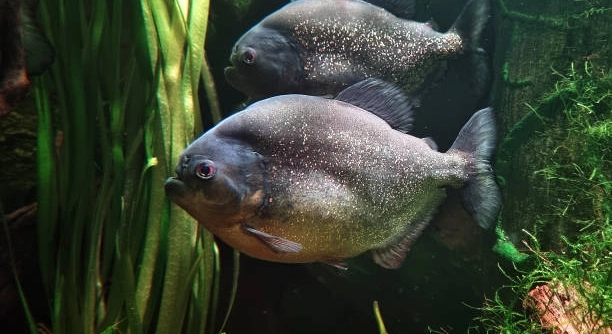
Are your piranhas thriving, but cleaning their tank feels like a hassle every single time? You’re not alone in this struggle.
Keeping a piranha tank clean and stable requires consistent care, but using the right tools can make the entire process more efficient and less stressful for both you and your fish.
Whether you’re a new piranha owner or looking to upgrade your setup, the right gear can make tank maintenance smoother and more manageable.
Gravel Vacuum Cleaners
Keeping the bottom of your tank clean is important, especially with messy eaters like piranhas. A gravel vacuum cleaner helps remove leftover food, waste, and debris from the substrate without having to scoop it out manually. This tool also helps with water changes by sucking out dirty water while cleaning the gravel. It cuts your work in half and helps maintain water quality. There are both manual and electric options, so you can pick what suits your setup best. Using it once a week keeps the tank looking fresh and helps avoid build-up that affects your piranhas’ health.
Gravel vacuums are easy to use and save time. They’re a simple upgrade that makes tank care feel less like a chore.
Choosing a vacuum with strong suction and a long hose makes a big difference. It should reach all parts of your tank easily. Clean gravel means better water and healthier fish.
Algae Scrapers
Algae can build up quickly on tank walls, even in well-maintained tanks. Algae scrapers help remove it without disturbing your piranhas or damaging the glass.
Magnetic algae scrapers are one of the most useful tools for tanks with aggressive fish like piranhas. Since you don’t have to put your hand in the tank, it’s safer and cleaner. The outer magnet glides along the outside of the tank, moving the inner scraper to clear off algae. This keeps the tank looking clear and sharp, which makes it easier to spot any issues with your fish. It also allows more light into the tank, which helps support any plants or decorations you may have. Scrape the tank walls once or twice a week, depending on your algae levels. Choose a scraper that’s strong enough for your tank’s glass thickness to get the best results.
Water Testing Kits
Water testing kits help you keep track of ammonia, nitrites, nitrates, and pH levels. These numbers matter because poor water quality can stress your piranhas and lead to illness. Testing once or twice a week helps prevent problems before they get serious.
Liquid test kits are usually more accurate than test strips. While strips are faster, they sometimes give unclear readings. A good test kit lets you know when to do a water change or adjust your filter. High ammonia or nitrite levels are dangerous, so acting early keeps your fish safe. It’s also helpful when you’re cycling a new tank or adding new fish. Keep your test kit somewhere easy to reach and get in the habit of checking regularly. Once you learn the normal values for your tank, it becomes easier to spot when something is off.
Always test after a water change to make sure everything is stable. Testing during feeding days is also helpful, since uneaten food can raise ammonia levels. Don’t skip testing when things look fine—water can look clean but still be unsafe. Marking results in a notebook or app makes it easier to spot patterns and adjust your maintenance routine. Small steps like this go a long way.
Sponge Filters
Sponge filters are a gentle and affordable way to help keep your piranha tank clean. They’re easy to install and provide both mechanical and biological filtration without creating strong currents.
Piranhas don’t like strong water movement, so sponge filters work well in their tanks. These filters pull in water using an air pump and trap debris in the sponge while also growing helpful bacteria. These bacteria break down waste and keep the water safe. They’re especially useful for smaller tanks or as backup filters in larger setups. Cleaning a sponge filter is simple—just rinse it in tank water during a water change. This keeps the good bacteria alive. Sponge filters are also quiet, which helps create a calm environment. You can use more than one in a big tank for better coverage. Their low cost and ease of use make them a smart choice for both new and experienced piranha keepers.
Aquarium Tongs
Aquarium tongs help you move decorations, remove waste, or retrieve items from the tank without putting your hands in the water. This is safer for both you and your piranhas, especially during feeding times when they’re more alert.
Look for tongs that are rust-proof and long enough for deep tanks. Lightweight designs with a strong grip make it easier to handle small objects or uneaten food without disturbing the tank layout or stressing the fish.
Automatic Feeders
Automatic feeders are great for keeping a feeding schedule when you’re busy or away. They dispense food at set times, which keeps your piranhas well-fed and reduces the risk of overfeeding. Many models allow you to adjust the portion size. This helps maintain water quality and keeps the tank cleaner. It’s important to use food that fits easily into the feeder to avoid clogs. Always test the feeder before relying on it. You’ll want to make sure the timing and portions are right for your tank. They’re especially useful during short trips or busy weeks when routines get off track.
Aquarium Nets
A soft, fine-mesh aquarium net is useful for removing waste or uneaten food. It also helps you catch fish when needed without causing too much stress or injury.
FAQ
How often should I clean my piranha tank?
Partial water changes should be done weekly, usually around 25–30% of the tank’s volume. This helps remove waste and keeps the water stable. Gravel vacuuming and algae scraping should also be part of this weekly routine. Full deep cleans aren’t needed unless there’s a serious problem. Over-cleaning can remove beneficial bacteria that keep the tank balanced. Stick to light, consistent cleaning and monitor your water levels. If you notice changes in your piranhas’ behavior, water clarity, or odor, you may need to clean more often or test the water more closely.
What size tank do piranhas need for easier maintenance?
A larger tank is actually easier to maintain because the water parameters stay more stable. A single adult piranha needs at least 40 gallons, but a group does better in 75 gallons or more. With more water, waste is diluted more effectively, giving you more time between water changes and fewer spikes in ammonia or nitrite. Larger tanks also allow better filtration setups and more space for equipment like sponge filters or automatic feeders. If you have room, start with a bigger tank—it’s more forgiving and makes the maintenance feel less constant.
Can I use regular tools instead of aquarium tools?
It’s not recommended. Household tools can introduce harmful substances into the tank, like soap residue, rust, or plastic that isn’t aquarium-safe. Aquarium tools are made to be safe in water and gentle on fish. For example, aquarium tongs are longer and coated to prevent rust, while regular ones might corrode quickly and harm your fish. Algae scrapers designed for tanks are made to avoid scratching the glass or acrylic. It’s safer and smarter to invest in tools made for aquarium use, especially when dealing with sensitive fish like piranhas.
Why is it important to test the water regularly?
Piranhas are sensitive to sudden changes in water conditions. Testing helps you catch problems early—like ammonia spikes or pH drops—that can stress or sicken your fish. Even if your water looks clear, there may still be harmful substances in it. Testing regularly helps you make better decisions about when to clean, adjust filters, or change feeding habits. It’s also useful when adding new fish, changing food, or switching equipment. Stable water means healthier fish and fewer issues over time. Keeping a record of your test results can show you patterns and help prevent future problems.
Are sponge filters enough for a piranha tank?
They can be, depending on the size of your tank and the number of fish. Sponge filters are great for biological filtration and gentle water flow, which piranhas prefer. In small to medium tanks, a sponge filter paired with regular water changes can work well. For larger tanks, sponge filters are best used alongside other filtration methods like canister filters. If you notice cloudy water, debris build-up, or poor water test results, your filter setup may not be strong enough. Adding a second sponge filter or upgrading to a more powerful system can help maintain water quality.
How do I know if my piranhas are stressed from poor tank maintenance?
Stressed piranhas often show signs like hiding more than usual, rapid breathing, faded color, or refusing food. Poor water conditions are a common cause. Check ammonia, nitrite, and pH levels first. Also look for leftover food, algae overgrowth, or cloudy water. These are signs that your tank may need more regular care. A clean and stable environment helps piranhas feel secure and stay active. If problems persist after cleaning and adjusting water conditions, there may be another health issue involved, and it’s worth researching further or asking a specialist.
Final Thoughts
Taking care of a piranha tank can feel like a big task at first, but the right tools make it much easier. From gravel vacuums to automatic feeders, each tool helps with a specific part of maintenance. They save time, reduce stress, and help keep the tank in better shape. When your tools are simple to use, you’re more likely to stay on top of care tasks without putting them off. Piranhas are strong and active fish, but they still need a stable and clean environment to stay healthy. Using tools designed for aquarium care makes a clear difference.
It’s also important to understand that no tool does everything on its own. These tools work best when used regularly as part of a simple routine. For example, a water test kit won’t fix water issues, but it tells you when to take action. A sponge filter won’t clean every inch of the tank, but it helps support healthy bacteria and low flow. You don’t need to buy everything all at once. Start with the basics—like a gravel vacuum, algae scraper, and water test kit. Add more as you go and as your setup grows. Choose tools that match your tank size and setup, and make sure they’re easy to clean and reuse.
Good maintenance isn’t just about keeping the tank looking nice. It’s about giving your piranhas the best chance to stay healthy and active for years. A clean tank supports good eating habits, reduces disease risk, and helps you spot problems early. Whether you’ve had piranhas for a while or just started, keeping things simple will help you stick with it. With a bit of planning and the right tools, tank care doesn’t have to feel overwhelming. In the end, your piranhas will show the results—clearer water, better behavior, and a more peaceful tank environment.

Hello,
If you enjoy the content that we create, please consider saying a "Thank You!" by leaving a tip.
Every little bit helps us continue crafting quality advice that supports the health, happiness, and well-being of pets around the world, for pets of all shapes, sizes, and species.
We really appreciate the kindness and support that you show us!