
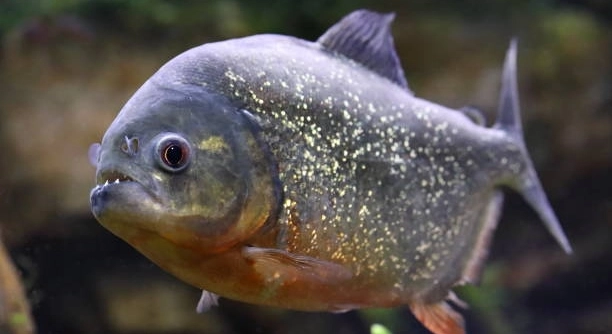
Piranha illness can affect these fish in many ways, often showing signs before becoming severe. Recognizing early warnings can help protect their health and prevent serious problems. Paying attention to these signs is important for any piranha owner.
Seven early warnings of piranha illness include changes in appetite, abnormal swimming behavior, visible injuries or spots, lethargy, rapid breathing, cloudy eyes, and unusual mucus buildup. Identifying these signs early helps prompt timely treatment and improves recovery chances.
Knowing these warning signs will help you keep your piranhas healthier and happier over time. Awareness is key to maintaining a safe and thriving environment for your fish.
Changes in Appetite
One of the first signs of piranha illness is a noticeable change in their eating habits. Healthy piranhas usually have a strong appetite and eagerly respond to feeding time. If you observe that your piranha is eating less or refusing food altogether, it could indicate that something is wrong. This change might happen gradually, so it’s important to watch closely every day. Illness, stress, or poor water quality can all affect their appetite. Sometimes, a sick piranha may still nibble but won’t eat as much as usual. Noticing this early can give you a chance to check their environment and take action before the condition worsens. Keep track of feeding behavior regularly to spot these subtle shifts in appetite.
Loss of appetite in piranhas often signals illness or stress. Early attention to this sign is crucial for timely care and recovery.
Appetite changes can be caused by several factors like infections, parasites, or water problems. When a piranha stops eating, it might be fighting an infection or experiencing discomfort. Testing the water quality is a good first step, as poor conditions can quickly make fish sick. If the water is fine, looking for other symptoms such as changes in color or behavior will help narrow down the problem. In some cases, adjusting diet or medication may be necessary. Always provide a clean tank and nutritious food to support their health and improve appetite.
Abnormal Swimming Behavior
Abnormal swimming behavior can be a clear warning sign of illness in piranhas. When a fish swims erratically, floats near the surface, or hides more than usual, it’s a sign something isn’t right. This behavior can indicate stress, injury, or disease. If your piranha suddenly starts swimming in circles or struggles to stay balanced, it needs immediate attention.
Erratic swimming or lack of movement often points to neurological or physical problems. Monitoring behavior helps catch issues early.
Changes in swimming patterns usually mean the piranha is uncomfortable or weak. This could be caused by parasites affecting their balance or internal infections making movement difficult. Stress from overcrowding or poor water quality also leads to strange swimming. It’s important to keep the tank clean, maintain proper temperature, and ensure enough space. If abnormal behavior continues, isolating the affected fish and consulting a vet or specialist can prevent worsening. Early action improves chances for recovery and helps avoid spreading illness to other fish.
Visible Injuries or Spots
Visible injuries or unusual spots on a piranha’s body often indicate illness or infection. These marks can be white, red, or black and may appear suddenly or gradually.
These spots might be caused by bacterial or fungal infections, parasites, or physical damage. For example, white spots often point to ich, a common parasite. Red sores or wounds can result from fights or rough surfaces inside the tank. Black spots sometimes appear as part of a healing process but should still be monitored. If you notice any unusual marks, it’s important to check water quality and consider treatment options. Clean water helps prevent infections and supports healing.
Injuries on piranhas may also come from tank mates or sharp decorations. Keeping the tank safe and monitoring fish interactions reduces these risks. If the spots worsen or the fish shows other symptoms, consulting a specialist is recommended. Early treatment can prevent serious illness and help your piranha recover faster.
Lethargy and Weakness
Lethargy and weakness in piranhas are strong indicators that something is wrong. When a fish becomes unusually inactive, resting at the bottom or floating without much movement, it’s a clear warning.
This lack of energy may be caused by poor water conditions, infections, or stress. Sick piranhas tend to avoid swimming actively and may isolate themselves from other fish. Weakness can also mean the fish is struggling to breathe or digest food properly. In many cases, lethargy comes with other symptoms such as faded color or clamped fins. Addressing water quality, feeding nutritious food, and isolating the affected fish can improve their condition. Keeping a regular cleaning schedule and monitoring water parameters will reduce the chance of illness and keep your piranha more active.
Rapid Breathing
Rapid breathing in piranhas can signal stress or illness. When their gills move faster than usual, it often means they are struggling to get enough oxygen.
This symptom can result from poor water quality, low oxygen levels, or infections affecting the respiratory system. Checking water parameters and improving aeration usually helps reduce rapid breathing.
Cloudy Eyes
Cloudy eyes in piranhas are a common sign of infection or poor water conditions. The eyes may appear dull or foggy, affecting the fish’s vision.
This condition often occurs when bacteria or fungi attack the eye, or when the water contains high levels of toxins. Treating the water and using appropriate medication can help clear up cloudy eyes.
Unusual Mucus Buildup
An excessive mucus layer on the piranha’s body is often a defense response to irritation or illness. The fish may look slimy or have thick patches of mucus.
This can be caused by parasites, bacterial infections, or poor water quality. Keeping the tank clean and treating infections promptly can prevent mucus buildup and protect your fish’s health.
FAQ
What should I do if I notice my piranha is losing appetite?
If your piranha starts eating less or stops eating, first check the water quality. Poor water conditions are a common cause of appetite loss. Make sure temperature, pH, and ammonia levels are within the recommended range. Remove any leftover food and clean the tank if needed. Try offering different types of food like frozen or live options to encourage eating. If the appetite doesn’t improve in a few days, observe for other signs of illness and consider isolating the fish. In some cases, medication may be necessary to treat infections or parasites affecting the fish.
How can I improve my piranha’s swimming behavior if it seems abnormal?
Abnormal swimming is often caused by stress, illness, or injury. Make sure the tank environment is stable and clean. Avoid overcrowding and aggressive tank mates. Check water parameters and maintain proper filtration and aeration. If your piranha is injured, provide a calm space to recover, possibly in a quarantine tank. Monitor for signs of parasites or infections that might affect balance or mobility. Sometimes, adjusting water temperature or using recommended treatments can help restore normal swimming patterns.
Why does my piranha have white spots on its body?
White spots are usually a sign of ich, a common parasite. This illness can spread quickly and cause serious problems if untreated. Raising the tank temperature slightly and using over-the-counter ich treatments can be effective. Also, maintain clean water and remove stress factors. Early detection and treatment are important to stop the spread and help your piranha recover.
Can cloudy eyes heal, or is it a permanent condition?
Cloudy eyes can often improve if the underlying cause is treated early. This condition usually results from bacterial or fungal infections or poor water quality. Improving water conditions and using appropriate medications can clear up the cloudiness. However, if left untreated, the damage might become permanent. Keep monitoring your piranha’s eyes during treatment to see improvement.
Is mucus buildup on my piranha always a sign of illness?
Not always, but excessive mucus buildup generally means the fish is irritated or fighting an infection. It can also be a reaction to poor water quality or parasites. Regular water changes, good filtration, and prompt treatment of infections help reduce mucus production. Healthy piranhas have a thin mucus layer that protects their skin, but thick or patchy mucus suggests a problem.
How often should I check my piranha’s health for early signs of illness?
Daily observation is best. Watching your piranha’s behavior, appetite, and appearance every day helps catch problems early. Quick responses to signs like changes in swimming, appetite, or color can prevent serious illness. Make it part of your routine to check water parameters at least once a week to keep the environment safe.
What can cause lethargy in piranhas besides illness?
Lethargy may result from stress due to poor water quality, overcrowding, or sudden changes in the tank environment. Low oxygen levels or incorrect temperature can also cause weakness. While illness is a common reason, environmental factors should be ruled out first. Fixing these issues often improves the fish’s energy before other treatments are needed.
How do I isolate a sick piranha without causing more stress?
Use a quarantine tank with similar water conditions to the main tank. Keep the environment calm and avoid sudden changes. Provide hiding spots to reduce stress. Handle the fish gently and keep the quarantine duration as short as possible while monitoring for improvement. Isolation helps prevent disease spread and allows focused treatment.
Can poor diet cause illness symptoms in piranhas?
Yes, a poor or unbalanced diet weakens their immune system and can lead to illness. Piranhas need a variety of foods including meat-based proteins. Feeding only one type of food or low-quality pellets might cause health problems. Offering fresh, high-quality food supports their health and helps prevent many common issues.
When should I consult a vet or fish specialist?
If symptoms persist despite improving water quality and diet, or if your piranha shows severe signs like constant gasping, bleeding, or loss of balance, consult a professional. A vet or fish specialist can provide accurate diagnosis and recommend specific treatments that are hard to manage at home. Early professional help increases chances of recovery.
Monitoring your piranha’s health is important for keeping your fish safe and comfortable. The early signs of illness, such as changes in appetite, unusual swimming behavior, and visible spots, give clues about their condition. Paying attention to these signals allows you to act quickly before problems get worse. Regularly checking water quality and providing proper care help maintain a healthy environment, which is the best way to prevent many common illnesses. Simple steps like cleaning the tank, feeding a balanced diet, and watching your fish’s behavior closely go a long way in supporting their well-being.
It’s normal for piranhas to have small changes in behavior from time to time, but persistent symptoms should never be ignored. Sometimes a small issue like rapid breathing or mucus buildup can point to bigger health problems. When you notice these signs, it’s important to take action. Start with improving water conditions and isolating any sick fish to avoid spreading disease. If the problem continues, consulting a specialist can provide better guidance. Early intervention makes treatment more effective and increases the chances of your piranha recovering fully.
Taking care of piranhas requires patience and observation. Each fish may show different signs depending on the illness or stress it faces. Learning to recognize these early warnings helps you create a safer and more comfortable home for your fish. While some signs may seem minor, they often carry important information about your piranha’s health. With consistent care and attention, you can support your fish’s long-term health and enjoy watching them thrive in a well-maintained tank.

Hello,
If you enjoy the content that we create, please consider saying a "Thank You!" by leaving a tip.
Every little bit helps us continue crafting quality advice that supports the health, happiness, and well-being of pets around the world, for pets of all shapes, sizes, and species.
We really appreciate the kindness and support that you show us!