
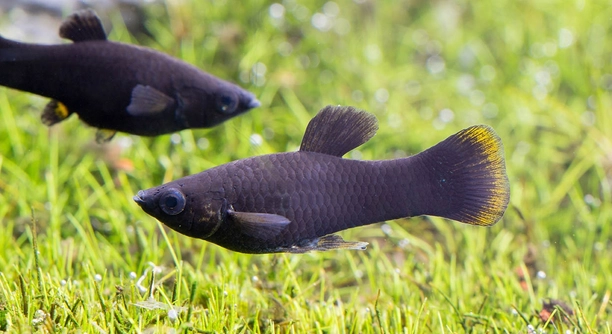
Are your black mollies swimming calmly around their tank, seemingly without stress? Observing their behavior closely can reveal subtle signs that indicate whether they feel secure and content in their environment each day.
Black mollies exhibit safety through steady swimming, regular feeding, and interaction with tank mates. A secure environment encourages natural behaviors, reduces stress-related reactions, and promotes overall health and longevity, ensuring these fish thrive in their aquatic habitat.
Recognizing these cues will help maintain a balanced and comfortable environment for your black mollies to flourish happily.
Calm and Steady Swimming
When black mollies feel safe in their tank, their swimming patterns are smooth and steady. They glide through the water without sudden jerks or frantic movements, moving confidently between plants and decorations. You might notice them exploring the entire tank without hesitation, staying near hiding spots at times, then venturing out to open areas. A relaxed swimming pattern is a clear indicator of trust in their surroundings. Observing their fins and body posture is also important. Fins held naturally and bodies upright show comfort, while clamped fins or darting movements suggest stress. Tankmates influence swimming behavior as well; mollies that interact gently and peacefully are more likely to feel secure. Environmental stability, including consistent water temperature and clean conditions, encourages this calm behavior. Over time, these steady swimming habits help maintain overall health and reduce the risk of illness linked to stress, providing a more enjoyable and harmonious tank for both you and the fish.
Consistent swimming patterns reflect confidence and security, signaling that black mollies feel comfortable with their tank environment and surroundings.
Maintaining calm swimming behavior involves monitoring water conditions, tankmate interactions, and decorations. Mollies that feel safe often swim in groups, investigate new areas slowly, and avoid sudden, jerky motions. Regular observation helps spot changes in behavior early. If a fish suddenly becomes skittish or hides excessively, it may indicate stress or environmental discomfort. Providing stable temperatures, sufficient space, and gentle lighting reinforces their sense of security. Decorations and plants give hiding spaces without overcrowding the tank, allowing mollies to explore safely. Over time, this stability encourages natural behaviors, including foraging, interacting with other fish, and engaging with the environment. Consistent, predictable care reduces stress, helps mollies thrive, and strengthens their immune systems. Observing these steady swimming habits not only ensures the fish are safe but also creates a more visually appealing and lively tank atmosphere, making it easier to enjoy their natural movements and interactions.
Regular and Confident Feeding
Black mollies that feel safe eat without hesitation and approach food quickly, showing trust in their surroundings and you as the caretaker.
Observing confident feeding is a reliable sign of comfort and indicates that their tank environment meets their needs consistently.
A predictable feeding routine is essential. Mollies that feel secure will swim to the surface or designated feeding area without fear, eating in the presence of tankmates calmly. Hesitant or aggressive feeding often signals insecurity or competition stress. Ensuring that food is appropriate for their size and species helps them thrive. Feeding should be done in small portions multiple times a day, mimicking natural grazing patterns. Overcrowding or sudden movements during feeding can disrupt their comfort, so a calm environment is key. Monitoring how mollies interact during feeding can also reveal social dynamics; safe, confident mollies may share food peacefully or gently assert dominance without harm. Providing consistency in feeding schedule, quantity, and quality creates a sense of security, reinforcing positive behavior and helping mollies grow healthier and more active over time.
Interaction with Tankmates
Black mollies that feel safe coexist peacefully with other fish, swimming together without aggression or constant chasing. They maintain their space while occasionally engaging in social behaviors, signaling comfort in their tank environment.
Mollies display balanced social interactions when secure. They may swim alongside tankmates, share open spaces, and engage in gentle chasing without causing stress or injury. Aggressive behavior or constant hiding usually indicates discomfort. Safe mollies recognize boundaries and respond calmly to other fish, showing trust in both the environment and the animals around them. Their interactions are predictable, with little sudden movement or territorial disputes. This behavior reflects a stable social structure and a well-maintained habitat. Providing ample swimming space and hiding spots helps support these positive interactions, encouraging mollies to feel secure and maintain healthy relationships with other tank inhabitants.
Observing how black mollies relate to each other is crucial for tank harmony. When they display calm, friendly behaviors, it demonstrates a low-stress environment. Mollies feeling safe often follow each other, investigate new tank areas together, and retreat to plants or decorations for rest without panic. Over time, this stable social behavior reinforces their confidence, reduces stress-related health issues, and promotes natural activity patterns. Maintaining proper tank size, water quality, and compatible species ensures these social cues continue, creating a balanced and thriving aquatic ecosystem that reflects their sense of security.
Hiding and Resting Behavior
Mollies that feel safe use hiding spots and resting areas without fear, returning to open swimming afterward confidently. Their use of shelter is deliberate, not frantic.
Safe black mollies exhibit calm hiding and resting behaviors, retreating to plants or decorations only for short periods before returning to activity. They explore new hiding spots at a measured pace and do not remain hidden for long periods, which shows trust in their surroundings. Providing multiple hiding options allows them to regulate stress naturally and feel in control of their environment. In contrast, stressed fish may cling to a single hiding spot, avoiding interaction entirely. These resting behaviors are a clear indicator of comfort and security.
Consistent observation of hiding and resting patterns helps gauge overall wellbeing. Mollies that feel secure alternate between open swimming and sheltered areas, resting quietly without showing panic or erratic movements. Overuse of hiding spots can indicate environmental stress or illness, so balance is essential. Clean water, stable temperatures, and calm tankmates support safe and predictable hiding behaviors. By monitoring how mollies utilize shelters, you can better understand their comfort level, ensure their physical and mental health, and create a tank environment that encourages natural activity, exploration, and restful periods without fear.
Exploring the Tank
Black mollies that feel secure explore their tank steadily, moving through plants, decorations, and open spaces without hesitation. They show curiosity without panic, maintaining control over their movements.
Exploration is gradual and measured. Safe mollies investigate new areas slowly, returning to familiar spots when necessary. Their confidence reflects trust in the environment and consistency in care.
Interaction with Humans
Black mollies that feel safe approach the tank glass and swimming areas calmly during feeding or observation. They do not scatter at movement or noise nearby, demonstrating comfort with your presence. Their calm approach shows a level of trust that indicates a secure, stable environment.
Bright Colors and Healthy Appearance
Safe black mollies maintain vibrant coloration, clear eyes, and intact fins. Dull colors, torn fins, or sunken eyes can indicate stress or poor health. Bright appearance reflects proper nutrition, clean water, and a comfortable habitat, signaling the fish’s wellbeing.
Regular Breathing Patterns
Mollies that feel secure breathe evenly, without rapid gill movement or gasping at the surface. Steady respiration shows comfort and proper oxygen levels in the tank, confirming their environment supports healthy, stress-free living conditions.
How can I tell if my black molly feels safe in the tank?
You can tell by observing their daily behavior. Black mollies that feel safe swim steadily, explore without fear, interact peacefully with tankmates, and eat confidently. They use hiding spots without panic and display calm resting patterns. Their fins are open, bodies upright, and movements deliberate, all showing comfort.
What behaviors indicate stress in black mollies?
Signs of stress include darting, clamped fins, hiding excessively, aggression toward tankmates, loss of appetite, or dull coloration. Rapid gill movement or gasping at the surface also signals stress. Identifying these behaviors early allows you to adjust water conditions, improve tank environment, or manage social dynamics to reduce discomfort.
How important is tank size for black mollies’ sense of safety?
Tank size is critical. Crowded tanks lead to competition, stress, and limited swimming space. Black mollies need enough room to swim, explore, and interact without fear. Providing at least 20 gallons for a small group supports natural behavior, reduces aggression, and encourages confident, calm swimming.
Do black mollies need hiding spots to feel secure?
Yes, hiding spots like plants, caves, or decorations give mollies control over their environment. Safe fish use them briefly for resting or refuge but return to open swimming. Multiple hiding areas reduce stress and support natural behavior. Lack of shelter can make mollies skittish and prone to health issues.
How does tankmate choice affect their safety?
Compatible tankmates are crucial. Aggressive or overly active fish can stress black mollies, causing hiding, loss of appetite, or frantic swimming. Peaceful species that share similar water requirements help mollies feel safe and promote natural social interactions. Observing how mollies respond to neighbors helps assess compatibility.
Does water quality impact their comfort?
Absolutely. Stable temperature, clean water, and balanced pH are vital. Poor water conditions increase stress, reduce immune function, and alter behavior. Regular water changes, testing, and proper filtration maintain an environment where black mollies swim confidently, eat regularly, and exhibit normal social behaviors.
Can I encourage my mollies to feel safe?
Yes, consistency is key. Maintain water quality, provide hiding spots, avoid sudden movements, feed on a schedule, and choose compatible tankmates. Observing their swimming, feeding, and resting behaviors helps you adjust the environment. Gradual changes in tank layout or decorations prevent fear and reinforce security.
Why do some black mollies hide constantly?
Excessive hiding usually indicates stress, illness, or poor tank conditions. Overcrowding, aggressive tankmates, sudden changes in lighting, or water issues can trigger this behavior. Providing ample hiding spots and maintaining a calm, stable environment encourages safe exploration while reducing fear.
How can I tell if their feeding behavior is normal?
Safe black mollies approach food confidently, eat without hesitation, and return to open swimming afterward. Hesitant eating, stealing from others, or avoiding food may indicate insecurity or competition. Feeding small portions regularly supports natural grazing behavior and reassures fish of a reliable environment.
Do black mollies show affection or trust toward humans?
While not affectionate in a traditional sense, they show trust by swimming calmly near your presence, responding to feeding, and exploring the tank without fear when you are nearby. Consistent, gentle interactions reinforce their sense of security, making the tank a predictable and safe space.
How do I maintain a long-term safe environment for my mollies?
Consistent care is essential. Keep water clean and stable, provide sufficient space and hiding areas, choose compatible tankmates, and maintain regular feeding. Observe behavior daily to catch stress signals early. Gradual changes and predictable routines help mollies remain confident, healthy, and thriving in their aquatic habitat.
What are subtle signs of safety I might miss?
Small gestures like slow fin movements, brief exploration of new areas, or gentle interactions with tankmates indicate comfort. Mollies that occasionally rest openly or hover near the surface without panic also demonstrate trust. Noticing these subtleties ensures their environment supports both mental and physical wellbeing.
How quickly can black mollies adjust to a new tank?
Adjustment varies by individual and environment. With proper hiding spots, stable water conditions, and compatible tankmates, mollies usually settle within a few days to a week. Rushing the process or making abrupt changes can cause stress, so gradual acclimation and observation are essential.
Does lighting affect their sense of safety?
Yes, lighting should mimic natural day-night cycles without sudden brightness changes. Harsh lights can cause hiding and skittish behavior. Dimmed or indirect lighting, along with predictable schedules, supports normal activity patterns, exploration, and calm swimming, contributing to a secure environment.
Can black mollies thrive in a community tank?
They can if tankmates are peaceful and water requirements match. Safe mollies in community tanks swim confidently, share space without constant chasing, and feed alongside others. Overcrowding or incompatible species can lead to stress, hiding, and health issues. Observing interactions ensures a secure, harmonious tank.
How often should I check their behavior for safety signs?
Daily observation is ideal. Watching swimming patterns, feeding response, interactions, breathing, and resting habits helps detect subtle stress signs early. Quick intervention for environmental or social issues prevents prolonged discomfort and ensures black mollies remain confident, healthy, and comfortable in their tank.
Are water temperature fluctuations dangerous?
Yes, sudden changes can cause stress, reduced appetite, and erratic swimming. Black mollies thrive in stable temperatures around 75–82°F. Using a reliable heater and thermometer maintains consistency, allowing fish to feel secure and exhibit natural behaviors without fear of sudden environmental shifts.
How do I know if their tank environment is truly secure?
A secure environment is evident through calm, steady swimming, confident feeding, regular breathing, vibrant coloration, and peaceful social interactions. Mollies explore, rest, and hide appropriately without fear. Consistency in care, water quality, and tankmates reinforces long-term security, making the tank a comfortable, safe home for your fish.
What should I do if I notice sudden stress behaviors?
Immediate action is necessary. Check water parameters, remove aggressive tankmates, ensure hiding spots are available, and observe feeding behavior. Correcting environmental issues quickly reduces stress, prevents illness, and helps mollies return to confident, safe behavior patterns in their tank.
How do I keep my mollies confident over time?
Consistency and observation are key. Maintain clean water, proper nutrition, compatible tankmates, and calm handling. Gradual adjustments, reliable routines, and attention to subtle behaviors support long-term comfort. Mollies that feel safe remain active, explore confidently, and show stable social interactions throughout their life.
This FAQ section provides guidance to ensure black mollies feel secure, thrive, and display natural, healthy behaviors consistently in their tank environment.
Observing your black mollies closely can provide a lot of insight into how safe and comfortable they feel in their tank. Their swimming patterns, interactions with tankmates, feeding habits, and resting behaviors all serve as signals of their wellbeing. Calm, steady swimming and confident exploration of the tank show that the environment is meeting their needs. Mollies that use hiding spots briefly but return to open swimming demonstrate that they feel secure and in control. Paying attention to these details allows you to adjust the tank conditions as needed to maintain a stable and safe environment. Regular observation helps identify any changes in behavior early, giving you the opportunity to correct potential stressors before they affect your fish’s health.
Proper care for black mollies involves maintaining consistent water conditions, providing ample space, and ensuring compatible tankmates. Clean water, stable temperature, and balanced pH levels are essential for keeping stress low and promoting natural behaviors. Hiding spots and decorations give mollies control over their surroundings, allowing them to rest safely or retreat when necessary. Feeding schedules, portion sizes, and appropriate food types also contribute to their sense of security. When mollies are confident in their environment, they eat regularly, explore the tank, and display bright colors. Ensuring these basic needs are consistently met helps them thrive and reduces the risk of health problems related to stress. Attention to these details reflects a responsible and thoughtful approach to aquarium care.
Long-term success with black mollies comes from understanding and responding to their behavioral cues. By monitoring swimming, resting, feeding, social interactions, and even subtle signs like steady breathing or fin position, you can gauge their comfort levels. A secure environment encourages natural behaviors, strengthens immune systems, and promotes a lively and balanced tank. Gradual adjustments, consistent routines, and careful observation ensure that black mollies feel safe and confident in their home. Over time, this creates a harmonious tank where fish can thrive, interact positively with tankmates, and display their best physical condition. Focusing on these aspects provides both the fish and the caretaker with a satisfying and sustainable aquarium experience.

Hello,
If you enjoy the content that we create, please consider saying a "Thank You!" by leaving a tip.
Every little bit helps us continue crafting quality advice that supports the health, happiness, and well-being of pets around the world, for pets of all shapes, sizes, and species.
We really appreciate the kindness and support that you show us!