
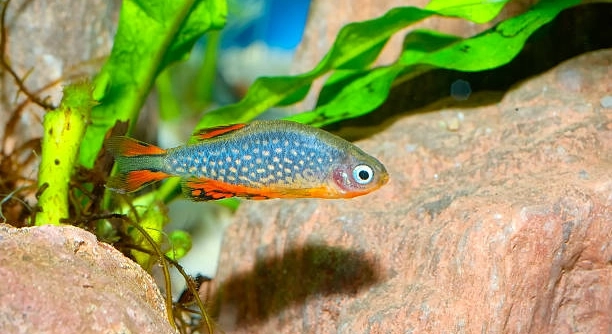
Do you enjoy capturing the delicate movements of your danios but struggle with keeping them calm during photography? Observing their vibrant colors and active behavior can be rewarding, yet stressful handling may affect their well-being.
To photograph danios without causing stress, it is essential to maintain a calm environment, minimize sudden movements, use appropriate lighting, and allow the fish to acclimate gradually. Gentle handling and patience ensure accurate, high-quality images without compromising their health.
Following simple practices can enhance your photography sessions and promote the comfort and safety of your fish. Implementing these tips will make a noticeable difference.
Preparing the Aquarium
Before taking photos, make sure your aquarium is clean and clear. Remove any debris, algae, or leftover food that can distract from the fish. A clear tank allows light to pass through evenly, highlighting the danios’ colors. Check that the water level is appropriate and that the background is simple, avoiding clutter. A plain background keeps attention on the fish and prevents unwanted reflections.
A clean and organized tank helps the fish feel more secure while you photograph them, reducing stress and improving image quality.
Start by rinsing decorations and wiping down the glass. Avoid harsh chemicals, as they can harm the fish. Adjust the water temperature to match their normal environment, and give the fish time to settle after any changes. Soft, indirect lighting works best to prevent startling reflections. Observe the fish’s behavior and only photograph when they seem calm and active. Taking these steps ensures that the session is smooth and that the images truly capture the danios’ natural movement and patterns. Consistent care makes repeated sessions easier and safer for the fish.
Using the Right Equipment
Selecting the proper camera settings and lenses improves the quality of your photos. A macro lens or close-up lens helps capture detail without needing to get too close to the fish. High shutter speeds prevent motion blur caused by their quick movements. Adjust the ISO and aperture to balance light without overexposing the image.
Using appropriate equipment makes photographing danios easier and more effective.
Avoid using the camera’s built-in flash directly on the aquarium, as it can startle the fish and create reflections. Instead, rely on natural light or external diffused lighting to brighten the tank. A tripod stabilizes your camera, allowing you to frame shots carefully and capture the fish without sudden movements. Experiment with different angles and focus points to highlight their patterns and swimming behavior. Patience is key—wait for the fish to swim naturally into the frame rather than forcing positions. Proper equipment combined with gentle techniques ensures professional-looking images while keeping the fish safe and calm. With consistent practice, photographing danios becomes less stressful and more rewarding for both the photographer and the fish.
Timing Your Photos
Photographing danios when they are most active improves results. Early mornings or late afternoons often provide calm lighting and active fish. Avoid times right after feeding, as sudden movement or agitation can make capturing clear shots difficult.
Plan sessions around your fish’s natural activity patterns to minimize stress. Watching their daily routine helps you predict when they will swim near the front of the tank. Consistent timing also allows the fish to adjust and feel secure during repeated sessions. Choosing the right moment reduces the need for handling and keeps their environment stable, leading to better, more natural photographs while maintaining their well-being.
Observing and recording activity patterns over several days can help establish the best window for photography. Notice when the fish are swimming in open areas rather than hiding or darting around. Adjusting your schedule to match these active periods ensures higher-quality photos with less interference. Avoid sudden interruptions during these times, such as tapping the tank or changing lighting quickly, which can startle the fish. Patience and careful timing are key components of stress-free photography. Over time, your danios will become familiar with the camera presence, allowing smoother sessions and more accurate captures of their colors and movements.
Using Gentle Handling
Minimize physical contact to reduce stress. Use nets or containers only when necessary, and handle them as little as possible.
If you must move a danio, prepare a small, calm container with water from the tank to reduce shock. Slowly transfer the fish and avoid sudden movements. Keep handling sessions brief and return the fish promptly. Stress can affect their health, so limiting physical contact is essential.
Observe your fish closely during any handling. Signs of stress include rapid gill movement or frantic swimming. Work slowly and deliberately, allowing the fish to acclimate to the container and surroundings. Avoid crowding multiple fish together, which can heighten stress levels. Maintaining a gentle, calm approach ensures their safety and reduces the risk of injury. Always rinse nets and containers beforehand to remove residues that could harm them. Following these precautions helps maintain the health of your danios while allowing necessary tasks like photography or tank cleaning to proceed smoothly. Proper handling fosters trust and minimizes stress during all interactions, including photo sessions.
Controlling Lighting
Use soft, indirect lighting to prevent startling your danios. Bright or harsh lights can make them swim erratically, making it harder to capture clear images.
Position lights at an angle rather than directly above the tank. Diffused light reduces reflections and highlights their natural colors without causing stress.
Avoiding Reflections
Keep the tank glass clean and free of fingerprints. Reflections can distort images and distract from the fish’s details. Clean the outside and inside gently with a soft cloth to maintain clarity.
Staying Patient
Wait for the fish to swim naturally into position. Quick movements or rushing the process can stress them and ruin your shots.
Observe and adjust your timing, camera angle, and lighting as needed. Patience ensures calmer fish and better results, allowing you to capture their true patterns and movements without interference.
Limiting Noise
Keep the room quiet during photography sessions. Sudden sounds or vibrations can startle your danios, causing them to hide or dart around the tank.
FAQ
How can I tell if my danios are stressed during a photo session?
Signs of stress in danios include rapid gill movement, frantic swimming, hiding, or clamped fins. If the fish appear tense or avoid the camera, it is best to pause the session. Stress can affect their health, so monitoring behavior closely ensures safe photography.
Is it safe to use flash for aquarium photography?
Direct flash is not recommended, as it can startle danios and create harsh reflections on the glass. Instead, use natural light or external diffused lighting to brighten the tank. Soft lighting highlights their colors without causing stress or sudden movements.
Do I need to adjust the water temperature for photos?
It is important to keep the water at their normal temperature range. Sudden changes in temperature can stress danios and alter their behavior. Maintaining a stable environment ensures the fish swim naturally and remain healthy during photography sessions.
How long should a photography session last?
Sessions should be brief, ideally no more than 10 to 15 minutes at a time. Longer sessions increase stress and can affect their behavior. Short, focused sessions allow you to capture clear images while keeping the fish calm and comfortable.
Can I photograph multiple danios at once?
Yes, but avoid crowding. Too many fish in a small area can create stress and chaotic movement. Allow them space to swim naturally. Photographing one or two at a time ensures better clarity and reduces stress, producing higher-quality images.
What camera settings work best for danios?
High shutter speeds help prevent motion blur caused by their quick movements. Use a macro lens for detail and adjust ISO and aperture to balance light without overexposing the image. A tripod can stabilize the camera, allowing precise framing.
Should I handle the fish to get closer shots?
Handling should be minimized. Only move a danio if absolutely necessary, using a small container with tank water. Gentle and slow movements reduce shock. Most clear, detailed shots can be captured without direct contact by adjusting lens settings and camera angle.
How do I reduce reflections on the glass?
Clean the tank glass inside and out with a soft cloth. Position lights at an angle rather than directly above or in front of the tank. Diffused lighting minimizes reflections and ensures the focus remains on the fish, not unwanted glare.
Can I photograph danios at night?
It is possible if the tank lighting is sufficient, but sudden changes in light can stress them. Maintain gentle, consistent lighting and avoid startling the fish. Nighttime sessions may require longer exposure times or higher ISO settings for clear images.
How often should I photograph my danios?
Limit photography to occasional sessions. Frequent sessions may disturb their routine and increase stress levels. Observe their behavior between sessions to ensure they remain comfortable. Occasional, well-planned photography preserves both their health and natural behavior while still allowing you to capture their beauty.
What should I do if a fish shows signs of stress during shooting?
Stop the session immediately and let the fish settle. Return them to calm, undisturbed water if moved, and avoid further handling. Observe their behavior until normal swimming resumes. Ensuring a stress-free environment is more important than completing a photo session.
Are certain backgrounds better for photographing danios?
Simple, plain backgrounds work best. Avoid clutter or bright patterns that distract from the fish. Neutral or soft colors highlight their natural colors and patterns. Consistency in background also allows better focus and minimizes visual stress for the fish.
How can I make repeated photography easier for my danios?
Keep the environment consistent—same lighting, tank setup, and timing. Gradually introducing the camera helps the fish adjust. Over time, they will become accustomed to your presence, making sessions smoother and reducing stress while still capturing natural behavior.
Is post-processing necessary for aquarium photos?
Minor adjustments for brightness, contrast, and color balance can improve clarity. Avoid over-editing, which may alter the natural appearance of the fish. Gentle edits enhance images while preserving the authenticity of their colors and patterns.
Can photographing danios improve my understanding of their behavior?
Yes, observing them closely during photography helps identify daily patterns, activity levels, and interactions. Regular observation combined with photos allows you to monitor their health and behavior, enhancing both the quality of your images and their overall care.
Final Thoughts
Photographing danios can be a rewarding experience if approached with care and patience. These small, active fish have vibrant colors and graceful movements that make them excellent subjects for photography, but they are easily stressed by sudden movements, harsh lighting, or excessive handling. It is important to remember that the fish’s well-being comes first, and the best photos are taken when they are calm and comfortable in their environment. Taking the time to prepare the aquarium properly, ensuring the water is clean and the decorations are arranged safely, sets the foundation for successful photography. A clear tank with minimal clutter allows light to pass through evenly, highlighting the natural patterns and colors of your danios without distraction. Even small adjustments, such as diffusing light or keeping the room quiet, can make a noticeable difference in their behavior and comfort levels. By focusing on creating a calm environment, you support both the health of your fish and the quality of your images.
Using the right equipment and camera settings also plays a key role in capturing clear, detailed photos without causing stress. A macro lens or close-up lens lets you photograph the fish from a comfortable distance, while high shutter speeds prevent motion blur from their quick movements. Adjusting ISO and aperture allows you to balance the lighting in the tank without relying on a direct flash, which can startle the fish. A tripod can help stabilize your camera, giving you precise control over framing and composition. Paying attention to timing is also crucial. Observing when the danios are most active, typically during early morning or late afternoon, ensures they are swimming naturally and are more likely to stay near the front of the tank. Consistently following these practices allows you to gradually capture their unique behavior and vibrant colors while maintaining a stress-free environment.
Patience and observation remain the most important elements throughout the process. Rushing the session or trying to force the fish into position can lead to stress, poor-quality photos, and potentially impact their health. Short, focused sessions that respect the danios’ natural behavior are far more effective than long or frequent photography attempts. It is also helpful to monitor signs of stress, such as rapid gill movement or frantic swimming, and stop the session if needed. Over time, repeated careful observation and gentle handling allow the fish to become accustomed to the camera, making future photography easier and more enjoyable. By combining preparation, proper equipment, gentle techniques, and patience, photographing danios becomes a manageable, rewarding activity. These practices not only improve the quality of your photos but also ensure the long-term well-being of your fish, helping you enjoy their beauty without compromising their comfort or health.

Hello,
If you enjoy the content that we create, please consider saying a "Thank You!" by leaving a tip.
Every little bit helps us continue crafting quality advice that supports the health, happiness, and well-being of pets around the world, for pets of all shapes, sizes, and species.
We really appreciate the kindness and support that you show us!