
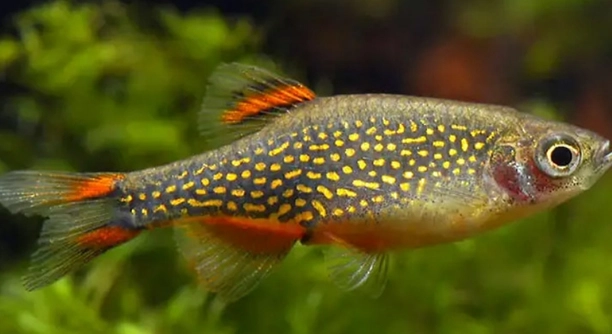
Are your Danio fry tanks truly safe for your tiny fish, or are hidden dangers quietly affecting their growth? Many hobbyists focus on water and food but overlook subtle hazards that can impact fry survival in early stages.
Several overlooked hazards in Danio fry tanks include inappropriate water flow, sudden temperature shifts, overcrowding, insufficient hiding spaces, exposure to strong lighting, leftover food accumulation, and improper filtration. Recognizing these factors is essential for promoting healthy development and reducing fry mortality.
Understanding these hazards helps ensure your fry grow strong and healthy, avoiding preventable setbacks that could compromise their early development in the tank.
Inappropriate Water Flow
Fry are delicate, and strong currents can easily stress them. Even moderate flow from filters or air stones can sweep them into corners or make swimming difficult. Young Danios lack the strength to navigate fast-moving water, which can result in exhaustion or injury. Observing your tank closely helps you determine if flow is too strong. Positioning filter outputs away from the main swimming area or using a sponge pre-filter can reduce current while still maintaining proper filtration. Gentle circulation promotes oxygen exchange without creating unsafe conditions. Avoid placing fry near water movement from heaters or aeration devices. Small adjustments like lowering filter output or redirecting flow can significantly improve fry survival rates. Regular monitoring ensures water remains calm, providing a safe environment where they can feed and grow without constant stress. Even minor changes to flow can have a noticeable impact on their overall health and development.
Too much water movement can prevent fry from feeding properly and reduce growth rates.
Managing water flow requires careful observation, testing adjustments, and maintaining a balance between filtration and a calm swimming environment for healthy fry growth.
Sudden Temperature Shifts
Temperature fluctuations can shock Danio fry, weakening their immune systems. Rapid changes may occur during water changes or when adding new water without proper acclimation. Fry are especially vulnerable to these shifts because their bodies are less resilient than adult fish. Consistently monitoring the tank’s temperature helps avoid these issues. Using a reliable heater and thermometer ensures stability. Even a few degrees difference can cause stress, reduce appetite, and increase susceptibility to disease. Preparing replacement water by matching it to the tank’s temperature minimizes risks during maintenance. Avoid placing tanks near windows, vents, or doors where ambient temperature changes can be sudden. Maintaining stable temperature supports digestion, activity, and overall growth, providing an environment where fry can thrive naturally without constant stress or vulnerability.
Temperature consistency is crucial for early fry development.
Preventing sudden temperature shifts ensures your fry remain active, healthy, and more likely to grow into strong adult Danios. Regular checks and careful water handling make a significant difference.
Overcrowding
Overcrowding reduces swimming space and increases stress for Danio fry. Too many fry in a single tank can lead to competition for food, slower growth, and higher disease risk, making it essential to monitor stocking levels carefully.
Keeping fry numbers manageable allows each fish room to swim freely and access food. Overcrowded tanks often result in weaker fry being pushed aside during feeding, while aggressive siblings dominate. Waste accumulates faster in dense populations, leading to water quality problems that can harm delicate fry. Regularly separating batches or using multiple tanks helps maintain healthy growth rates and reduces mortality. Observing interactions can reveal whether some fry need more space, helping you make timely adjustments.
Overcrowding can also trigger behavioral issues. Fry may hide excessively or become lethargic if stressed by constant contact with others. Maintaining moderate population density improves overall health, feeding efficiency, and long-term survival, creating a more balanced environment for growth and development.
Insufficient Hiding Spaces
Fry feel exposed in open tanks without proper shelters. Hiding spaces reduce stress and provide areas to rest, improving overall survival rates.
Providing live plants, moss, or small artificial shelters gives fry secure areas. Without these, shy or weaker fry may struggle to compete for food or avoid stronger tankmates. Properly arranged hiding spaces also help distribute fry more evenly, preventing overcrowding in one section. Fry often feel safer under leaves or behind decorations, which encourages natural behaviors like exploring and feeding at their own pace. Simple additions like floating plants or gentle cover can make a big difference in comfort and confidence, ensuring fry develop normally.
Fry benefit from multiple hiding options. Dense plant clusters or strategically placed decorations help reduce stress, protect from accidental suction near filters, and provide a more natural environment that promotes steady growth and healthy activity.
Exposure to Strong Lighting
Bright or direct lighting can stress Danio fry, causing them to hide constantly or become lethargic. Fry need gentle, diffused light to feel safe and maintain normal activity levels.
Using floating plants or adjusting the tank light intensity helps reduce exposure. Sudden changes from dark to very bright light can startle fry, disrupting feeding patterns and growth. Maintaining a balanced light schedule supports natural behaviors while preventing stress.
Leftover Food Accumulation
Uneaten food decomposes quickly, polluting the water and encouraging harmful bacteria growth. Fry are especially sensitive to deteriorating water conditions, which can lead to illness or stunted growth. Proper feeding routines and timely removal of excess food are essential.
Checking the tank several times after feeding ensures leftover particles are cleared. Overfeeding not only increases waste but also clouds the water, reducing oxygen levels. Using small portions multiple times a day helps fry consume more efficiently. Cleaning tools like small siphons or nets make removal easier. Keeping the substrate clean prevents bacterial buildup and keeps the water safe for delicate fry.
Improper Filtration
Filtration that is too strong or weak can harm fry. Strong currents may push them around, while weak filtration fails to maintain water quality. Proper filter choice balances gentle water flow with effective cleaning.
How can I tell if water flow is too strong for my fry?
Watch the fry closely after turning on the filter. If they are constantly being pushed against tank walls or struggling to swim, the flow is too strong. Gentle, steady swimming without excessive effort indicates the current is safe. Adjusting the filter output or adding a sponge pre-filter can reduce force without compromising water cleanliness. Fry should be able to explore the tank freely and reach food without being swept away.
What is the best way to maintain stable temperature?
Use a reliable heater and thermometer to monitor the tank consistently. Make sure replacement water during water changes matches the existing tank temperature. Avoid placing the tank near windows, vents, or areas with fluctuating ambient temperatures. Small shifts of even a few degrees can stress fry, reduce appetite, and increase vulnerability to disease. Gradual acclimation when adding new water keeps conditions stable and supports healthy growth.
How do I prevent overcrowding in my fry tank?
Separate fry into smaller groups if the tank becomes too dense. Overcrowding leads to competition for food, slower growth, and higher waste buildup. Monitor interactions to identify weaker fry that may need more space. Using multiple tanks or dividers ensures each fry has enough room to swim, feed, and develop normally. Maintaining moderate population density improves overall health and reduces stress-related behavioral issues.
What types of hiding spaces work best for Danio fry?
Live plants like Java moss or floating plants provide natural shelter. Small artificial decorations, such as tubes or plastic plants, also work effectively. Hiding spaces reduce stress, allow shy fry to feed at their own pace, and prevent weaker fry from being bullied. Distributing shelters throughout the tank ensures even coverage and encourages exploration without forcing fry into unsafe areas.
How do I manage leftover food without stressing fry?
Feed small portions multiple times a day and observe consumption. Remove any uneaten food promptly with a siphon or net. Leftover food decomposes quickly, promoting bacteria growth and reducing water quality. Efficient feeding ensures fry eat properly while keeping the tank clean. Adjust feeding amounts as fry grow to avoid waste buildup and maintain healthy water conditions.
Can improper filtration really harm fry?
Yes. Filters that generate strong currents can push fry around or trap them in suction areas, while weak filtration fails to remove harmful waste. A gentle sponge filter often works best, providing adequate cleaning without disrupting fry. Proper placement and regular maintenance keep water quality stable, supporting healthy growth and reducing stress.
What is the impact of strong lighting on fry?
Bright or direct lighting can cause fry to hide or become lethargic. They thrive under gentle, diffused light, which reduces stress and encourages normal swimming and feeding behaviors. Floating plants or adjusting light intensity helps balance exposure. Maintaining a consistent light schedule supports fry development while preventing stress-related issues.
How often should I clean the fry tank?
Frequent but careful maintenance is essential. Perform partial water changes regularly, remove uneaten food promptly, and check filter operation. Avoid deep cleaning that disturbs fry too much. Consistent attention ensures water quality remains high, reduces harmful bacteria, and promotes healthy growth for all fry in the tank.
How do I know if fry are stressed?
Signs of stress include lethargy, hiding constantly, refusing food, or erratic swimming. Overcrowding, strong currents, sudden temperature changes, and poor water quality are common causes. Observing behavior daily allows you to respond quickly, making adjustments to flow, temperature, light, or feeding to improve conditions and reduce stress.
What is the best feeding routine for Danio fry?
Feed small amounts multiple times a day to match fry appetite. Use appropriate-sized food like infusoria, liquid fry food, or finely crushed flakes. Remove leftovers promptly to maintain water quality. A consistent feeding schedule encourages growth, ensures fry get enough nutrition, and prevents competition-related stress in crowded areas.
How can I reduce bacterial buildup in the tank?
Regular partial water changes, careful feeding, and proper filtration help keep bacteria under control. Avoid overfeeding and remove decaying plant matter. Using a gentle sponge filter keeps water circulating without harming fry. Maintaining stable temperature and clean surfaces reduces conditions that promote harmful bacteria, supporting fry health and longevity.
When should I move fry to a larger tank?
Transfer fry when they become too large for their current space, or if growth is slowed due to limited swimming room. Moving to a larger tank reduces competition, improves water quality, and allows for more hiding spaces. Gradually acclimate them to new conditions to minimize stress and ensure continued healthy development.
How can I make the tank feel more natural for fry?
Add live plants, floating cover, and gentle substrate. Proper hiding spaces, consistent lighting, and calm water flow mimic natural conditions. These elements reduce stress, encourage exploration, and allow fry to develop normal behaviors. A balanced setup helps fry feed efficiently, grow steadily, and remain active in a comfortable environment.
What are the early signs of poor water quality?
Cloudy water, unusual odors, sudden changes in fry behavior, or increased mortality indicate water issues. Test for ammonia, nitrite, and nitrate regularly. Early detection allows you to perform corrective actions like water changes, filter maintenance, or adjusting feeding routines, preventing long-term health problems for the fry.
How do I acclimate fry to water changes safely?
Add replacement water slowly, matching temperature and chemistry. Pour small amounts gradually over several minutes to avoid shocking fry. Avoid sudden changes in water hardness, pH, or temperature. Proper acclimation keeps fry calm, prevents stress-related health issues, and maintains stable growth during routine maintenance.
Can overcrowding lead to disease outbreaks?
Yes. High-density tanks increase stress, weaken immune systems, and accelerate the spread of pathogens. Overcrowded fry are more likely to develop infections or show stunted growth. Keeping populations moderate, ensuring proper filtration, and maintaining clean water reduces disease risk and supports overall tank health.
What is the safest filter type for fry tanks?
Sponge filters are generally safest. They provide gentle water flow, effective filtration, and oxygenation without trapping or harming fry. They are easy to clean and maintain, reducing waste accumulation and supporting stable water quality. Properly sized sponge filters create a calm, healthy environment for young Danios to thrive.
How can I encourage fry to eat without overfeeding?
Offer small portions several times a day, observing what they consume within a few minutes. Remove uneaten food promptly. Using appropriately sized fry food ensures they can eat efficiently without leaving excess behind. This method balances nutrition and water quality, promoting steady growth.
What adjustments can reduce stress from lighting, flow, or hiding spaces?
Reduce light intensity or provide floating plants to limit direct exposure. Redirect or lower filter output to create calmer water areas. Add additional shelters or rearrange decorations to give fry safe zones. Small changes can significantly improve comfort, feeding, and overall health.
How important is regular observation for fry tanks?
Daily monitoring is crucial. It helps detect stress, disease, water quality issues, and behavioral problems early. Observing feeding, swimming patterns, and interactions allows timely adjustments to flow, temperature, or tank setup, ensuring a safe and healthy environment that supports growth and development.
How do I balance water changes without stressing fry?
Perform small, frequent water changes rather than large, sudden swaps. Match temperature and chemistry of replacement water. Remove debris gently and avoid stirring substrate too aggressively. Consistent, careful maintenance maintains water quality while keeping fry calm and healthy.
What common mistakes lead to fry loss?
Overcrowding, strong currents, poor water quality, overfeeding, and lack of hiding spaces are major causes. Sudden temperature changes, bright lighting, and improper filtration also contribute. Addressing these issues early prevents mortality and ensures fry have the best chance to grow into strong adults.
How do I maintain a healthy fry tank long-term?
Combine regular monitoring, gentle filtration, controlled feeding, stable temperature, hiding spaces, and proper lighting. Adjust tank setup as fry grow, avoid overcrowding, and perform frequent water checks. Consistency and attention to detail reduce stress, prevent disease, and encourage healthy growth throughout early development.
Caring for Danio fry requires attention to detail and consistent maintenance. The small size and fragility of fry make them highly sensitive to conditions that adult fish may tolerate. Every factor in the tank—from water flow and temperature to feeding routines and hiding spaces—affects their survival and growth. Ensuring water remains clean, stable, and safe is essential, as even minor lapses can lead to stress, slower development, or illness. Observing fry regularly allows you to detect problems early, whether it is unusual behavior, lethargy, or signs of poor water quality. Small, thoughtful adjustments can make a significant difference in their health and overall development. Taking the time to create a calm, stable environment is not only beneficial for the fry but also reduces the stress and worry often associated with fry care.
Balancing the tank setup involves careful consideration of several interconnected elements. Overcrowding, for example, can impact feeding efficiency, water quality, and fry behavior simultaneously. Providing sufficient hiding spaces, gentle water flow, and proper lighting creates a more natural and secure environment. Filtration plays a critical role, but it must be appropriate for the tank size and population. Improper filtration or overly strong currents can harm fry or reduce their ability to feed effectively. Feeding routines must be structured to provide adequate nutrition while minimizing leftover food that can pollute the water. Each adjustment, from temperature control to plant placement, contributes to creating conditions that encourage healthy growth and reduce the likelihood of disease or stress-related issues. Consistency in all aspects of care is essential, as sudden changes can quickly affect delicate fry.
Patience and observation are key to maintaining a successful fry tank. Fry require more attention than adult fish, but the process becomes manageable with routine practices and careful planning. Monitoring their behavior, water quality, and growth patterns allows you to anticipate needs before they become problems. Creating a safe, calm, and stable environment helps fry develop natural behaviors, feed efficiently, and grow into strong adult fish. While challenges such as water quality fluctuations, leftover food, or strong currents can occur, proactive care and regular adjustments make them manageable. By maintaining a structured approach and paying close attention to details, you ensure that Danio fry have the best possible conditions to thrive, reducing mortality and fostering healthy development throughout the early stages of life.

Hello,
If you enjoy the content that we create, please consider saying a "Thank You!" by leaving a tip.
Every little bit helps us continue crafting quality advice that supports the health, happiness, and well-being of pets around the world, for pets of all shapes, sizes, and species.
We really appreciate the kindness and support that you show us!