
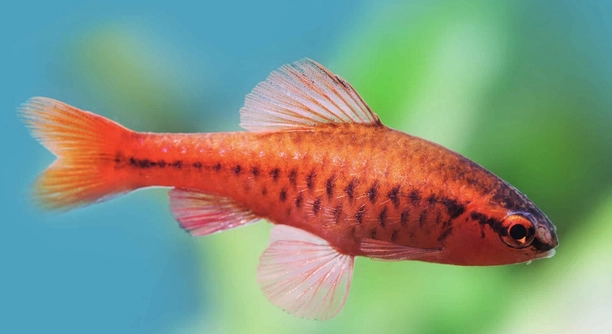
Cherry Barbs and Gouramis are both popular aquarium fish, often kept together in peaceful setups. However, maintaining harmony between these two species requires some attention to detail. Here are seven tips to help them thrive together.
The key to keeping Cherry Barbs and Gouramis together successfully lies in proper tank size, water conditions, and careful selection of tank mates. Ensuring each fish has space and the right environment reduces stress, preventing aggression.
Knowing the best tank setup for both species is essential. With the right care, you can create a peaceful, thriving aquarium that both Cherry Barbs and Gouramis will enjoy.
Tank Size Matters for Both Fish
When planning your aquarium, tank size is one of the first things to consider. Cherry Barbs and Gouramis both need ample space to swim around comfortably, so providing enough room is crucial. A tank of at least 20 gallons is ideal for a small group of both species. Without enough space, these fish may become stressed and start showing aggressive behaviors. Cherry Barbs are active swimmers and require room to explore, while Gouramis tend to prefer slightly more calm areas of the tank, which means the tank should also have hiding spots.
Creating a balance between both species’ needs can be tricky. Adding plants or decorations that provide hiding spots for the Gouramis will allow them to retreat if they feel stressed. At the same time, ensure that the Cherry Barbs still have enough room to swim around without feeling cramped. A larger tank also allows for more diverse plant life, which helps replicate their natural habitat.
Additionally, a bigger tank will help dilute waste and keep water quality stable. This is essential for the long-term health of both Cherry Barbs and Gouramis. Clean, stable water reduces the chances of disease and keeps both species happy.
Water Temperature and pH Preferences
Water temperature is another important factor. Both species prefer a temperature range of 72–80°F. Matching these conditions will ensure your fish remain healthy. Keep the temperature consistent for the best results.
Maintaining a stable pH is essential for both Cherry Barbs and Gouramis. Cherry Barbs prefer a slightly acidic to neutral pH, while Gouramis do well in a neutral to slightly alkaline environment. Aim for a pH level between 6.5 and 7.5 for the best results. Regular water testing will help ensure that both species remain comfortable.
Aquarium Decorations and Hiding Spots
Aquarium decorations help create a comfortable environment for both Cherry Barbs and Gouramis. Adding plants, rocks, or driftwood can provide hiding spots, which are essential for reducing stress. Gouramis, especially, appreciate having places to retreat when they feel threatened or overwhelmed.
Make sure the tank includes areas where the Gouramis can rest quietly without being disturbed. However, avoid overcrowding the space with decorations. Cherry Barbs are active and need ample room to swim freely. Planting live plants can also help mimic natural conditions, offering both species a familiar and safe environment.
The key is to balance hiding spots with open swimming areas. This will ensure both species feel safe and comfortable. Consider plants like Java Moss or Anubias, which provide shelter but still allow room for movement. Proper decoration placement makes a big difference in fish behavior.
Proper Feeding for Both Species
Feeding both Cherry Barbs and Gouramis can be simple as long as you keep their individual needs in mind. Cherry Barbs are omnivores and can thrive on a mix of high-quality flake food and occasional live or frozen foods like brine shrimp. Gouramis also eat a variety of foods but may prefer more protein-rich options like worms or pellets.
Be mindful not to overfeed, as this can lead to poor water quality. It’s essential to offer them a balanced diet that meets their nutritional needs. Make sure the food is appropriate for the size of the fish to avoid excess waste.
Feeding should be done in small portions, ensuring all fish get their share without leaving leftovers that could pollute the water. By observing their eating habits, you can adjust portions and feeding times accordingly, ensuring both species are getting the right nutrients. Regular feedings and a clean tank will keep them healthy.
Compatible Tank Mates
When choosing tank mates, it’s important to select species that won’t cause stress for either Cherry Barbs or Gouramis. Both are relatively peaceful, so avoid aggressive fish. Small peaceful species like Corydoras catfish or snails are good options to pair with them.
Ensure that any new tank mates are not overly aggressive or too large. Avoid fish that might see your Cherry Barbs or Gouramis as food or are territorial. With the right companions, your fish will coexist peacefully, creating a calm and balanced aquarium.
Monitoring Fish Behavior
Watch for signs of stress or aggression between your Cherry Barbs and Gouramis. If one fish seems overly dominant, it might be time to adjust the environment or add more hiding spots. Monitoring their behavior closely helps you catch issues early.
By keeping a close eye on their interactions, you can prevent any harmful issues from developing. Stress is a major factor in health problems, so make adjustments when needed.
FAQ
Can Cherry Barbs live with Gouramis in a 20-gallon tank?
Yes, a 20-gallon tank is suitable for keeping Cherry Barbs with Gouramis, provided you ensure proper space, hiding spots, and the right water conditions. Both species are small enough to thrive in a 20-gallon tank if properly cared for. However, the number of fish and the layout of the tank will play a significant role in keeping them peaceful. A well-maintained tank with ample swimming space and decoration will prevent territorial behavior and ensure the fish remain healthy.
What size tank do I need for Cherry Barbs and Gouramis?
The ideal tank size for Cherry Barbs and Gouramis is 20 gallons or larger. While they can fit in a 20-gallon tank, larger tanks provide more space to reduce stress and allow for better water quality management. In larger tanks, you can include more plants, hiding spots, and other peaceful fish, all of which contribute to a more stable environment. More space means less chance of overcrowding, which is essential for maintaining a peaceful and healthy tank.
What kind of water do Cherry Barbs and Gouramis need?
Both Cherry Barbs and Gouramis thrive in similar water conditions. They prefer water temperatures between 72–80°F (22–27°C) and a pH range between 6.5 and 7.5. Make sure the water is soft to moderately hard. Regular water testing is crucial to maintain stable conditions. A heater will help regulate the temperature, while a filter will help maintain water quality. Keeping the water clean and stable is essential to the health of both species.
How often should I feed Cherry Barbs and Gouramis?
Feed Cherry Barbs and Gouramis once or twice a day. Offer small portions of high-quality flakes, pellets, or frozen foods. For Cherry Barbs, an omnivorous diet works well, so include a mix of plant-based and protein-rich foods. Gouramis will enjoy similar food, but they may prefer protein-rich meals like live or frozen worms. Be careful not to overfeed, as this can lead to poor water quality and health issues.
Do Cherry Barbs and Gouramis need a filter?
Yes, a filter is essential for maintaining a healthy aquarium environment. Both Cherry Barbs and Gouramis produce waste, and a filter helps remove excess nutrients and toxins from the water, keeping it clean. A filter will also help maintain oxygen levels and water circulation, which benefits both species. Choose a filter with a gentle flow to avoid stressing the fish, especially the Gouramis, which prefer calmer waters.
How do I prevent aggression between Cherry Barbs and Gouramis?
Aggression is usually minimal between Cherry Barbs and Gouramis, as both species are peaceful. However, stress or territorial behavior can sometimes occur. To prevent this, make sure your tank is large enough and has enough hiding spots and plants. Providing places for Gouramis to retreat when they feel threatened can also reduce aggression. If aggression arises, it may be due to overcrowding or insufficient food. Monitor your fish and adjust the environment as needed to keep the peace.
Can I add other fish to a tank with Cherry Barbs and Gouramis?
Yes, you can add other peaceful fish, but be mindful of their size and temperament. Small, non-aggressive species like Corydoras catfish, otocinclus, or snails work well with Cherry Barbs and Gouramis. Avoid larger or overly aggressive species that may harass them. It’s important to consider the fish’s behavior and how they will interact with both Cherry Barbs and Gouramis to ensure harmony in the tank.
How do I care for Cherry Barbs and Gouramis together long-term?
Long-term care for Cherry Barbs and Gouramis involves maintaining stable water conditions, feeding them a balanced diet, and monitoring their health regularly. Ensure they have enough space to swim and hide when needed. Keep their tank clean with regular water changes and filter maintenance. Pay attention to any signs of stress or aggression and adjust the environment as necessary. Keeping an eye on water quality and ensuring proper feeding schedules will help your fish live long, healthy lives.
How do I know if my Cherry Barbs and Gouramis are stressed?
Stress in both Cherry Barbs and Gouramis can be identified by changes in behavior. Cherry Barbs may become more skittish, darting around the tank, or they may hide more often. Gouramis may show signs of lethargy or retreating into corners. Both species may display signs of stress when the water conditions are unstable, so it’s important to test the water regularly. Additionally, if the fish stop eating or appear to be chasing each other excessively, stress could be the cause.
Can I breed Cherry Barbs and Gouramis in the same tank?
Breeding Cherry Barbs and Gouramis together is not recommended unless you have enough space and separate breeding areas. Both species may breed in a community tank, but breeding them together can lead to territorial conflicts. Providing dedicated breeding spaces with separate areas for each species can help. Make sure the water conditions are optimal for breeding, as each species has slightly different requirements for successful breeding. Always be prepared to manage the fry separately, as adult fish may eat them.
Final Thoughts
Cherry Barbs and Gouramis can make great tank mates when cared for properly. Both species are peaceful and relatively easy to care for, making them a popular choice for aquarium enthusiasts. However, ensuring their long-term health and happiness requires attention to several key factors, including tank size, water quality, and feeding routines. By providing enough space for each fish to thrive, and by monitoring the water conditions carefully, you can help create an environment that supports both species.
One of the most important aspects of keeping Cherry Barbs and Gouramis together is providing a balanced tank environment. This includes ensuring the water temperature and pH remain stable, as both species have specific preferences that must be met. Additionally, keeping the tank clean with regular water changes and using a proper filtration system will help maintain good water quality. With the right conditions, these fish can live together in harmony, reducing stress and preventing aggression. Regular monitoring of their behavior will also ensure that any issues can be addressed before they become serious.
Overall, maintaining a healthy tank with Cherry Barbs and Gouramis is not difficult, but it does require attention to detail. By keeping a close eye on the water conditions, providing enough space for each fish, and feeding them properly, you can enjoy watching these two species coexist peacefully. Both species will benefit from a well-maintained tank, which will not only help them live longer, but also improve their quality of life. With the right care and a little bit of effort, keeping Cherry Barbs and Gouramis together can be a rewarding experience for any aquarium owner.

Hello,
If you enjoy the content that we create, please consider saying a "Thank You!" by leaving a tip.
Every little bit helps us continue crafting quality advice that supports the health, happiness, and well-being of pets around the world, for pets of all shapes, sizes, and species.
We really appreciate the kindness and support that you show us!