
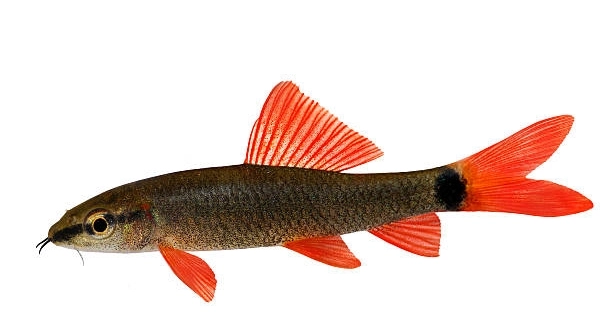
Are your rainbow sharks showing signs of stress or hiding more than usual? These colorful fish need a calm and safe environment to thrive in your aquarium. Providing comfort helps them stay healthy and active in their home.
Creating a secure habitat for your rainbow shark involves proper tank size, hiding spots, consistent water quality, and peaceful tank mates. These factors reduce stress and mimic their natural environment, helping the fish feel safe and stable.
Knowing how to create this environment will improve your fish’s wellbeing and behavior. The following tips focus on simple, effective ways to support your rainbow shark’s comfort and safety.
Proper Tank Size and Setup
A suitable tank size is essential for your rainbow shark’s comfort. These fish need at least 30 gallons to swim freely and avoid stress. Overcrowding can lead to aggression and poor water quality, which affects their health. Include hiding places like caves, plants, or driftwood. These provide shelter and help the fish feel secure. Make sure the substrate is smooth to avoid injuries. Proper lighting is also important; too bright lights can stress your rainbow shark, so moderate lighting with shaded areas works best. Maintaining stable water temperature between 74°F and 80°F supports their wellbeing. Regular cleaning and water changes help keep the environment healthy and comfortable. When setting up the tank, keep in mind the fish’s natural habitat to provide a space that feels familiar and safe.
Proper setup reduces stress and encourages natural behavior in rainbow sharks, improving their health and longevity.
Keeping the tank size adequate and including plenty of hiding spots allows your rainbow shark to thrive comfortably and feel protected from disturbances.
Maintaining Water Quality
Maintaining clean, stable water conditions is critical for your rainbow shark’s safety and health. Frequent water testing for ammonia, nitrites, and nitrates helps detect problems early. Sudden changes in water parameters can cause stress or illness. Using a reliable filtration system ensures toxins are removed and oxygen levels stay balanced. Regular partial water changes, about 20% weekly, help keep the water fresh. Avoid overcrowding to reduce waste buildup and maintain clarity. Pay attention to temperature consistency, as fluctuations may upset your fish’s system. Keeping the pH level between 6.5 and 7.5 is ideal for rainbow sharks. When cleaning the tank, avoid harsh chemicals that could harm your fish. These measures create a stable environment, allowing your rainbow shark to stay healthy and confident in its space. Clean water is the foundation of a safe aquarium.
Compatible Tank Mates
Choosing peaceful tank mates prevents stress for your rainbow shark. Avoid aggressive or very small fish that may provoke or be harmed by the shark. Good companions include larger, calm species that won’t compete aggressively for space or food.
Compatible tank mates like gouramis, barbs, and larger tetras create a balanced environment. Avoid slow-moving or delicate fish, as rainbow sharks can become territorial. Introducing fish gradually helps reduce territorial disputes. Monitor interactions to ensure all fish coexist peacefully. Keeping compatible species allows your rainbow shark to feel safe without constant confrontation or fear.
When tank mates match well, your rainbow shark shows less aggression and stress. This harmony helps maintain a stable and healthy aquarium where each species thrives without conflict or fear.
Providing Adequate Hiding Spots
Hiding spots reduce stress and offer shelter during periods of rest or threat. Structures like caves, dense plants, and driftwood create secure areas for your rainbow shark to retreat.
These shelters mimic the fish’s natural habitat, providing safe zones that protect from direct light or tank disturbances. Placing multiple hiding spots throughout the tank encourages exploration and helps the shark feel more confident. The presence of these shelters lowers aggression and promotes healthier behavior.
Regularly check that hiding places remain clean and accessible. Changing the arrangement occasionally can stimulate the fish’s curiosity and keep the environment engaging. Adequate hiding spots are essential for creating a safe and comfortable space that meets the emotional and physical needs of your rainbow shark.
Consistent Feeding Schedule
Maintaining a regular feeding schedule helps your rainbow shark feel secure. Feeding them at the same times each day reduces stress and encourages natural behavior. Avoid overfeeding to keep the tank clean and the fish healthy.
A balanced diet with high-quality flakes, pellets, and occasional live or frozen foods supports their nutrition. Consistency in feeding times and diet quality contributes to their overall wellbeing.
Monitoring Behavior Changes
Watching your rainbow shark’s behavior closely allows early detection of stress or illness. Changes like hiding excessively, loss of appetite, or erratic swimming indicate potential problems.
Timely action based on these signs can prevent more serious health issues. Keeping a record of any behavior changes helps track your fish’s condition and adjust care accordingly.
Avoiding Overcrowding
Overcrowding increases stress and competition for resources in the tank. Ensuring enough space for each fish promotes a calmer, safer environment.
A properly stocked tank reduces aggression and supports healthy interactions among all inhabitants.
FAQ
How do I know if my rainbow shark feels safe?
A rainbow shark that feels safe will swim actively around the tank, explore hiding spots, and show interest in food. It will not hide constantly or display aggressive or erratic behavior. Calm, steady swimming and regular eating habits are good signs.
What should I do if my rainbow shark is hiding too much?
Excessive hiding often indicates stress or discomfort. Check water quality, temperature, and tank setup first. Make sure the tank size is adequate and there are enough hiding places. Also, consider tank mates—aggressive or overly active fish may cause your rainbow shark to retreat.
Can I keep rainbow sharks with other aggressive fish?
It’s best to avoid aggressive fish as tank mates for rainbow sharks. Aggression can stress your shark, causing health problems or injury. Instead, choose peaceful or semi-aggressive species that won’t challenge or intimidate your fish.
How often should I clean my tank?
Partial water changes of about 20% weekly help keep the tank clean and water parameters stable. Avoid full tank changes unless absolutely necessary, as sudden changes can stress the fish. Clean filters regularly, but don’t disturb beneficial bacteria.
What is the ideal water temperature for rainbow sharks?
Rainbow sharks thrive in water temperatures between 74°F and 80°F. Keeping the temperature stable within this range helps maintain their immune system and reduces stress. Use a reliable heater and thermometer to monitor conditions.
How can I reduce aggression in my rainbow shark?
Providing enough space, hiding spots, and compatible tank mates helps reduce aggression. Avoid overcrowding and keep a consistent feeding schedule. If aggression persists, rearranging the tank decor or separating aggressive individuals may be necessary.
What do rainbow sharks eat?
Rainbow sharks are omnivores. A varied diet of high-quality flakes, pellets, and occasional live or frozen foods like bloodworms or brine shrimp keeps them healthy. Supplement with vegetable matter such as spirulina flakes to support balanced nutrition.
Is it normal for rainbow sharks to jump out of the tank?
Rainbow sharks can jump when startled or stressed. A secure lid is important to prevent escapes. Reducing sudden noises, bright lights, and aggressive tank mates lowers the risk of jumping incidents.
How big do rainbow sharks get?
Rainbow sharks typically grow to about 6 inches in length. They need adequate tank space to accommodate their size and swimming habits. A tank of at least 30 gallons is recommended for a single adult rainbow shark.
Can rainbow sharks live alone?
Rainbow sharks can live alone but often do better with peaceful tank mates. Keeping only one shark helps prevent territorial aggression. If adding more, ensure the tank is large and has many hiding spots to reduce conflicts.
How do I acclimate a new rainbow shark to my tank?
Float the bag in the tank water for 15–20 minutes to equalize temperature. Gradually add small amounts of tank water to the bag every 10 minutes for about an hour. Then gently release the fish into the tank to reduce shock and stress.
What signs indicate illness in a rainbow shark?
Signs include faded color, clamped fins, lethargy, loss of appetite, and unusual swimming patterns. White spots, redness, or sores may indicate infection. Early detection and treatment improve chances of recovery.
How can I treat common diseases in rainbow sharks?
Quarantine sick fish and test water quality. Use appropriate medications for bacterial, fungal, or parasitic infections. Maintain clean water and stable conditions. Consult a vet or aquarium specialist for serious issues.
Can I breed rainbow sharks at home?
Breeding rainbow sharks is challenging. They require large tanks with specific conditions and territories. It is often best left to experienced hobbyists or professionals due to their aggressive nature and spawning habits.
How long do rainbow sharks typically live?
With proper care, rainbow sharks live about 5 to 8 years. Consistent water quality, a balanced diet, and a stress-free environment contribute to a longer, healthier life.
Taking care of a rainbow shark means creating a safe and comfortable environment that meets its basic needs. From providing enough space to maintaining good water quality, each detail matters. These fish rely on a stable habitat where they can swim freely, hide when needed, and feel secure around their tank mates. Proper tank setup and regular maintenance support their health and reduce stress, which is important for their overall wellbeing.
Feeding your rainbow shark a balanced diet on a consistent schedule helps keep it strong and active. Watching for behavior changes allows early detection of possible health issues or stress. Keeping the tank peaceful by choosing compatible tank mates and providing plenty of hiding spots reduces aggression and fear. Each of these steps contributes to creating a space where your fish feels safe and confident, encouraging natural behavior and longevity.
By focusing on these simple but important care practices, you can enjoy watching your rainbow shark thrive. They are beautiful, lively fish that bring life to any aquarium when their environment supports their needs. Careful attention to tank size, water quality, diet, and social interactions makes a significant difference in their happiness. Providing a calm, stable, and secure home will allow your rainbow shark to live a healthy, comfortable life.

Hello,
If you enjoy the content that we create, please consider saying a "Thank You!" by leaving a tip.
Every little bit helps us continue crafting quality advice that supports the health, happiness, and well-being of pets around the world, for pets of all shapes, sizes, and species.
We really appreciate the kindness and support that you show us!