
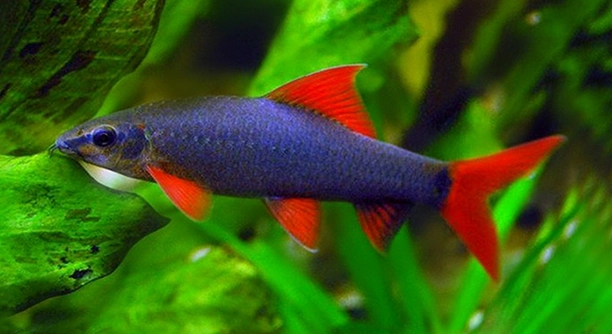
Is your rainbow shark spending more time resting than swimming in your aquarium? Many owners notice their fish moving less than expected. Understanding why your rainbow shark isn’t very active can help improve its health and happiness.
Rainbow sharks may reduce swimming activity due to factors like poor water quality, insufficient space, stress from tank mates, or improper diet. Addressing these causes systematically will encourage healthier, more natural movement in your fish.
Knowing what affects your rainbow shark’s activity can help you create a better environment. This article will guide you through simple yet effective steps to help your fish swim more freely.
Check Water Quality and Temperature
Maintaining clean water is essential for your rainbow shark’s health. Dirty or polluted water can make your fish sluggish and less likely to swim. Test your aquarium water regularly for ammonia, nitrite, nitrate, and pH levels. The ideal temperature for rainbow sharks is between 75°F and 79°F (24°C to 26°C). Water that is too cold or too warm can cause discomfort and reduce activity. Use a reliable aquarium heater and thermometer to keep conditions stable. Changing 20-30% of the water weekly helps keep the environment fresh and healthy. Avoid overfeeding, as leftover food decays and harms water quality. A well-maintained tank encourages your rainbow shark to explore and swim actively.
Poor water quality can stress your fish, leading to less movement and even illness.
Regular water testing and careful temperature control are key to keeping your rainbow shark active and healthy. Proper filtration and frequent water changes will improve its environment significantly.
Provide Enough Space and Hiding Spots
Rainbow sharks need plenty of room to swim and feel secure. A small or overcrowded tank can limit their movement and cause stress. Aim for a tank size of at least 30 gallons for one rainbow shark. This allows enough swimming space and reduces territorial aggression. Adding hiding spots like caves, plants, and decorations gives your fish places to rest safely. When they feel secure, they tend to swim more freely. Be mindful of tank mates, as aggressive or fast fish can scare your rainbow shark into hiding. Creating a balanced and comfortable tank setup encourages natural behavior and increased swimming activity.
Give your rainbow shark space and privacy to feel confident and explore its surroundings fully.
Rainbow sharks are territorial by nature. Providing ample swimming room prevents them from feeling trapped or threatened. Hiding spots not only reduce stress but also encourage movement during active periods. Choose decorations that do not crowd the tank but create a balanced environment. Monitor how your fish interacts with tank mates, making changes if necessary to reduce tension. A peaceful, spacious tank setup promotes a lively and healthier rainbow shark. Adjusting tank conditions to match their natural needs helps them regain their usual swimming energy.
Improve Diet and Feeding Routine
A poor diet can reduce your rainbow shark’s energy and activity. Feeding a balanced mix of pellets, flakes, and live or frozen foods supports their health.
Offering a varied diet with high-quality foods rich in protein helps keep rainbow sharks active. Avoid overfeeding, as excess food leads to poor water quality and lethargy. Feed small amounts two to three times daily, ensuring they consume all the food within a few minutes. Including vegetables like zucchini or spinach can add nutrients and fiber. Watching how your fish reacts to different foods will help you adjust the diet to their preference and needs. A healthy feeding routine boosts vitality and encourages more swimming.
It’s important to maintain consistency with feeding times. Sudden changes can stress your fish, causing less movement. A regular schedule also helps you monitor appetite, an important health indicator. When your rainbow shark is well-nourished, it naturally becomes more active and engaged in its environment.
Reduce Stress and Monitor Tank Mates
Stress often makes rainbow sharks less active. Aggressive or overly active tank mates can intimidate them and cause hiding behavior.
Choose peaceful fish species that share similar water requirements to avoid conflict. Rainbow sharks may become stressed when housed with large or aggressive fish. Keep the tank environment calm by minimizing sudden movements and loud noises near the aquarium. Regularly observe how your rainbow shark interacts with other fish. If you notice bullying or chasing, consider rearranging the tank or separating aggressive individuals. A calm, stress-free environment encourages your fish to swim more confidently and frequently.
Tank conditions play a significant role in reducing stress. Proper hiding spots and stable water parameters also help keep your rainbow shark relaxed. Reducing stress supports overall health and increases swimming activity naturally.
Increase Tank Lighting and Activity
Proper lighting helps regulate your rainbow shark’s daily rhythm and encourages movement. Use a light cycle of about 10–12 hours per day.
Too little light can make fish less active, while too much may cause stress. A balanced lighting schedule helps your fish stay energetic and comfortable.
Clean the Tank Regularly
Regular cleaning removes waste and toxins that slow down your fish. Partial water changes and substrate vacuuming are essential.
Clean tanks support healthy fish and clear water, making your rainbow shark more likely to swim actively.
Check for Illness or Injury
If your rainbow shark is swimming less, inspect for signs of illness like spots, swelling, or fin damage. Treating issues early improves activity.
Always quarantine new fish to prevent disease spread and maintain a healthy tank environment.
FAQ
Why is my rainbow shark hiding all the time?
Rainbow sharks are naturally territorial and can be shy, especially if stressed. Hiding helps them feel safe when the tank feels crowded, water quality is poor, or tank mates are aggressive. Providing enough space, hiding spots, and peaceful companions reduces hiding and encourages activity.
How often should I feed my rainbow shark?
Feeding your rainbow shark two to three times a day with small amounts is ideal. Make sure the food is consumed quickly to avoid leftovers. Overfeeding can harm water quality and cause sluggishness, so stick to measured portions and a consistent schedule.
What is the best tank size for one rainbow shark?
A minimum of 30 gallons is recommended for one rainbow shark. This size offers enough swimming space and reduces territorial stress. Larger tanks are better if you keep more than one or other fish, ensuring everyone has room to thrive.
Can poor water conditions make my rainbow shark stop swimming?
Yes. Poor water conditions like high ammonia, nitrite, or nitrate levels can stress your fish and reduce activity. Regular testing and water changes keep the tank healthy and encourage your rainbow shark to swim normally.
Are rainbow sharks aggressive toward other fish?
Rainbow sharks can be territorial, especially as they mature. They may chase smaller or slower fish, causing stress. Choose compatible tank mates with similar temperaments, and provide hiding spaces to reduce conflicts.
How can I tell if my rainbow shark is sick?
Signs of illness include loss of appetite, faded colors, clamped fins, unusual swimming patterns, or visible spots and wounds. If you notice these, check water quality immediately and consider consulting a vet or aquarium specialist.
Is it normal for rainbow sharks to rest a lot?
Rainbow sharks do rest, especially at night or during low activity periods. However, if resting seems excessive or your fish stays still for long hours, it could indicate stress, illness, or poor water conditions needing attention.
What types of food should I feed my rainbow shark?
Rainbow sharks thrive on a mix of high-quality pellets, flakes, and live or frozen foods like bloodworms or brine shrimp. Supplementing with vegetables like zucchini or spinach adds fiber and nutrients, supporting health and activity.
Can lighting affect my rainbow shark’s swimming behavior?
Yes. Proper lighting helps regulate their daily cycle. Too little light may cause lethargy, while too much can stress the fish. Aim for about 10–12 hours of balanced light daily to keep them active.
Should I quarantine new fish before adding them to the tank?
Quarantining new fish for at least two weeks is important to prevent disease introduction. This protects your rainbow shark and other tank mates from infections that can reduce activity and health.
Taking care of a rainbow shark means paying close attention to its environment and habits. When you notice your fish isn’t swimming enough, it usually points to something in its tank or care routine that needs improvement. Small changes like improving water quality, offering enough space, and providing proper food can make a big difference. Rainbow sharks rely on their surroundings to feel safe and healthy, so maintaining a good balance is key to seeing them active and happy.
Stress is one of the main reasons a rainbow shark might stop swimming much. This stress can come from things like aggressive tank mates, poor water conditions, or not enough hiding spots. When a fish feels threatened or uncomfortable, it tends to hide or stay still. By making sure the tank is peaceful and clean, and that your fish has enough room and places to retreat, you help reduce stress. A calmer fish will swim more and enjoy its space. Monitoring the tank regularly lets you catch problems early, which helps keep your rainbow shark in better shape over time.
Finally, feeding the right diet and keeping a good routine also matter a lot. Overfeeding or feeding low-quality food can cause your fish to become sluggish or unhealthy. Feeding small amounts two or three times a day, and including a variety of foods, supports your fish’s energy and overall health. Along with regular tank cleaning and stable lighting, these steps help your rainbow shark thrive. Paying attention to these details shows your care and helps create the best environment for your fish to swim freely and stay well.

Hello,
If you enjoy the content that we create, please consider saying a "Thank You!" by leaving a tip.
Every little bit helps us continue crafting quality advice that supports the health, happiness, and well-being of pets around the world, for pets of all shapes, sizes, and species.
We really appreciate the kindness and support that you show us!