
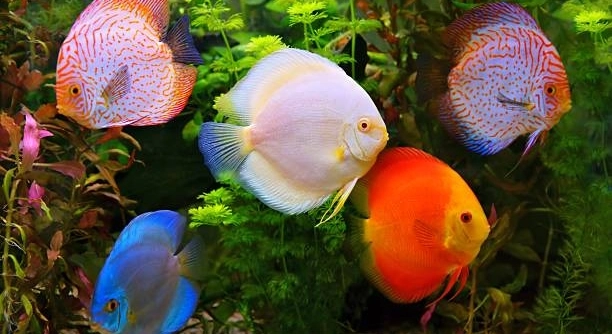
Changing water for discus fish can be a challenging task for many aquarists. Proper water maintenance is essential for keeping discus healthy and vibrant. Finding ways to make water changes easier can save time and reduce stress for both fish and owner.
Efficient discus water changes rely on preparation, consistent routines, and proper equipment. These factors simplify the process, minimize disturbance to the fish, and maintain water quality. Applying practical tips can lead to smoother, less stressful water changes.
Improving water change techniques can enhance discus care and make aquarium maintenance more manageable over time.
Preparing Your Equipment in Advance
Gathering all necessary tools before starting a water change saves time and avoids interruptions. Items like a siphon hose, clean buckets, water conditioner, and a thermometer should be ready. Having a designated space for water changes keeps everything organized and makes the process smoother. Preparing replacement water in advance also helps maintain the aquarium’s temperature and chemistry, reducing stress on the fish. A well-planned setup allows for faster and more efficient water changes.
Keeping equipment clean is equally important. Rinse buckets and hoses thoroughly after each use to prevent contamination. Avoid using soaps or detergents that might leave harmful residues. Proper maintenance of your tools will ensure they last longer and work effectively during water changes.
A checklist can help maintain consistency. Checking off items before and after each change reduces the chance of forgetting important steps. Staying organized contributes to a safer and more effective water change process.
Using a Siphon Hose Efficiently
Using a siphon hose helps remove dirty water quickly without disturbing the tank too much.
Proper siphoning technique involves starting the flow gently to avoid stressing discus. Insert the hose carefully near the substrate, drawing water and debris. Using a gravel vacuum attachment can help clean the bottom while removing water, improving tank cleanliness. Maintain a steady flow and avoid sudden movements around the tank. When siphoning, focus on removing about 20-30% of the water at a time to maintain water quality without shocking the fish.
A longer hose allows water to drain directly into a bucket or drain, reducing spills. Practice controlling the flow by adjusting the hose height or squeezing it gently. Efficient siphoning saves time and helps maintain a healthier environment for discus fish.
Matching Water Temperature
Matching the temperature of the new water to the tank water prevents sudden shocks to discus fish.
Using a reliable thermometer is essential to measure both tank and replacement water temperatures accurately. Adjust the new water temperature by adding warm or cool water gradually. Sudden temperature changes can stress discus and cause health problems. Aim for a difference of less than 1-2 degrees Fahrenheit when adding water.
It’s helpful to mix the replacement water in a large container where temperature can be easily controlled. This method reduces fluctuations and helps maintain a stable environment for the fish. Consistency in water temperature supports discus wellbeing and reduces stress during changes.
Partial vs. Full Water Changes
Partial water changes are safer and more manageable for discus tanks than full water replacements.
Changing 20-30% of the water at once maintains water quality without disturbing the tank’s biological balance. Full water changes can cause stress by removing beneficial bacteria and disrupting the aquarium environment. Partial changes reduce the risk of sudden changes in water chemistry, temperature, and pH levels.
Regular partial changes support the removal of toxins and waste while preserving important minerals and microorganisms. This approach is easier to maintain over time and promotes stable water conditions, which discus fish need to thrive. Consistency in water changes is key to healthy discus care.
Choosing the Right Water Conditioner
Water conditioners remove harmful chlorine and chloramine from tap water. These chemicals can harm discus fish if not treated properly.
Choosing a conditioner that detoxifies heavy metals and supports beneficial bacteria is important. Always follow the product instructions for best results.
Consistency in Water Changes
Keeping a regular water change schedule stabilizes the tank environment. Consistency reduces stress on discus and helps prevent sudden water quality issues.
Set reminders or notes to maintain a steady routine. This habit improves fish health and tank cleanliness over time.
Avoiding Overfeeding Before Changes
Feeding less before water changes reduces waste buildup. Excess food can decay and pollute the tank quickly.
Cutting back feeding one day before water changes helps keep water cleaner. This practice improves water quality and lessens maintenance demands.
How often should I change the water in my discus tank?
Water changes should be done regularly, usually every one to two weeks. Frequent partial water changes help maintain water quality, reduce toxins, and keep the discus healthy. The exact frequency depends on tank size, filtration, and stocking levels, but sticking to a consistent schedule is most important.
What percentage of water should I change at once?
Changing 20-30% of the water during each session is ideal. This amount balances maintaining water quality while minimizing stress to the fish. Larger water changes can cause sudden shifts in water chemistry, which can be harmful to discus. Partial water changes preserve beneficial bacteria and stability.
Can I use tap water directly for water changes?
Tap water often contains chlorine, chloramine, and sometimes heavy metals, which are harmful to discus. Always treat tap water with a quality water conditioner before adding it to the tank. Letting tap water sit out is not effective against chloramine and can be risky. Conditioning is essential to protect fish health.
What temperature should replacement water be?
The temperature of the new water should closely match the tank’s water, ideally within 1-2 degrees Fahrenheit. Sudden temperature differences can stress discus, making them more susceptible to illness. Use a thermometer to measure and adjust water temperature before adding it.
How do I avoid stressing my discus during water changes?
Prepare all equipment beforehand, and perform water changes calmly and gently. Avoid sudden movements or loud noises around the tank. Use a siphon to remove water carefully and add new water slowly. Keeping conditions stable and minimizing disturbance will reduce stress on discus fish.
Is it necessary to clean the substrate during water changes?
Cleaning the substrate can help remove waste and uneaten food, but it should be done carefully. Use a gravel vacuum attachment with your siphon to gently clean without disturbing the fish too much. Avoid deep digging, which can release harmful gases trapped in the substrate.
How do I know if my water changes are effective?
Regular testing of water parameters like ammonia, nitrite, nitrate, and pH can show if water changes are maintaining good conditions. Clear water and healthy, active discus also indicate proper maintenance. Consistent water changes help keep these levels stable.
Can I change water less often if I have a strong filter?
Even with excellent filtration, water changes remain necessary. Filters remove some waste and toxins but do not replace the benefits of fresh water. Water changes remove dissolved waste and replenish minerals, which filtration alone cannot achieve.
What should I do if my discus shows signs of stress after a water change?
Check for temperature differences, sudden water chemistry changes, or aggressive handling. Make sure replacement water is properly conditioned and at the right temperature. If stress continues, reduce the amount of water changed or increase the time between changes to allow fish to adjust.
Is it okay to do a full water change if the water quality is very poor?
Full water changes are not recommended unless absolutely necessary, as they can shock discus and disrupt beneficial bacteria. Instead, perform several smaller partial water changes over a few days to gradually improve water quality without causing stress.
Should I turn off the filter during a water change?
Turning off the filter briefly is acceptable during water changes to avoid siphoning the fish or gravel into the intake. However, do not leave it off for long, as it helps maintain water quality and oxygen levels. Turn it back on as soon as possible.
How do I safely add new water to avoid disrupting the tank?
Add new water slowly, pouring it gently over a plate or container to diffuse the flow and reduce disturbance. Avoid splashing or pouring directly onto the fish or substrate. Gradual addition helps keep water parameters stable and reduces stress.
Can I use distilled or RO water for discus tanks?
Distilled or reverse osmosis (RO) water lacks minerals necessary for discus health. If using these types, you must remineralize the water with appropriate supplements to maintain proper hardness and pH. Tap water treated correctly is usually easier to manage.
What equipment makes water changes easier?
A long siphon hose, gravel vacuum, and sturdy buckets simplify water changes. Having a water conditioner and thermometer ready saves time. Some people use water pumps or automated systems, but manual methods work well with practice and care.
Are water changes necessary if I have live plants in the tank?
Live plants help absorb some waste, but they do not replace water changes. Plants cannot remove all toxins or stabilize water chemistry alone. Regular water changes remain important for discus health, regardless of plant presence.
How can I reduce algae growth during water changes?
Removing excess nutrients through regular partial water changes helps control algae. Avoid overfeeding and keep lighting periods moderate. Clean the tank walls during water changes to physically remove algae buildup. Consistency in maintenance limits algae problems.
Final thoughts on making discus water changes easier focus on consistency, preparation, and patience. Regular water changes help maintain a stable and healthy environment for discus fish. Following a schedule that fits your tank’s needs prevents sudden water quality problems and keeps your fish stress-free. Preparation plays a key role in making the process smoother. Gathering all necessary equipment beforehand and treating replacement water properly reduces mistakes and saves time. When these steps are followed, water changes become less daunting and more routine.
Patience is important when performing water changes with discus fish. These fish are sensitive and can react negatively to sudden changes in water temperature, chemistry, or flow. Taking time to match the new water’s temperature and adding it slowly helps minimize stress. Avoid rushing the process or making large water changes all at once. Smaller, gradual changes are safer and better for discus health. Over time, patience during maintenance builds confidence and creates a better experience for both the fish and the caretaker.
Consistency, preparation, and patience form the foundation of effective discus water changes. These habits reduce stress for the fish and make tank upkeep more manageable. When water changes are done carefully and regularly, discus fish thrive in a clean, stable environment. Keeping equipment clean and organized, monitoring water quality, and practicing good techniques will lead to long-term success. By committing to these simple steps, maintaining discus tanks becomes easier and more rewarding.

Hello,
If you enjoy the content that we create, please consider saying a "Thank You!" by leaving a tip.
Every little bit helps us continue crafting quality advice that supports the health, happiness, and well-being of pets around the world, for pets of all shapes, sizes, and species.
We really appreciate the kindness and support that you show us!