
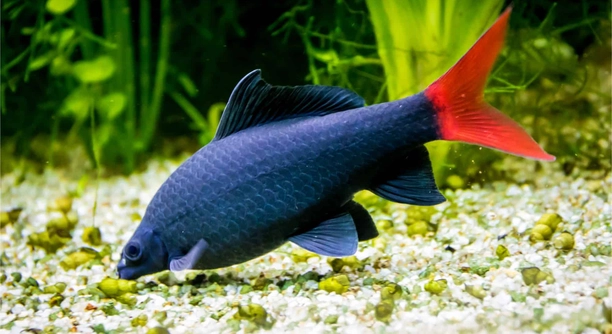
Caring for a Rainbow Shark requires attention to its environment to keep it healthy and calm. These fish thrive best in tanks where stress is minimized and conditions are stable. Creating the right space helps them live longer and happier.
Maintaining a stress-free environment for Rainbow Sharks involves proper tank size, stable water parameters, hiding spots, compatible tank mates, balanced diet, regular maintenance, and minimal disturbances. These factors collectively reduce stress and promote optimal health.
This article will guide you through practical steps to improve your Rainbow Shark’s living conditions for a peaceful and thriving aquarium.
Choose the Right Tank Size
A Rainbow Shark needs enough space to swim freely and feel secure. A tank smaller than 30 gallons can make the fish feel cramped, leading to stress. Larger tanks help maintain stable water quality, which is important for their health. The fish also needs places to hide, so adding plants and decorations can help reduce anxiety. Without enough room, they may become aggressive or hide constantly, which is a sign of discomfort. Remember to use a proper filter to keep the water clean, as dirty water adds to stress. Regular monitoring of the tank conditions keeps the environment comfortable. Overall, a well-sized and well-maintained tank is essential for the Rainbow Shark’s wellbeing.
Smaller tanks increase the risk of poor water conditions and stress. A minimum of 30 gallons is recommended to provide a suitable home for a Rainbow Shark.
Providing space and clean water is the first step in ensuring your Rainbow Shark remains calm and healthy in its tank.
Maintain Stable Water Conditions
Keeping the water stable in temperature, pH, and cleanliness is key to reducing stress for Rainbow Sharks. Sudden changes can shock the fish and weaken its immune system. The ideal temperature range is between 74°F and 80°F, with a pH of 6.5 to 7.5. Frequent testing helps catch any changes early. Avoid overfeeding, as leftover food pollutes the water and can cause harmful spikes in ammonia and nitrites. Regular water changes, about 25% weekly, keep the tank clean and safe. A good filtration system is necessary to remove waste and toxins. Stability in these conditions helps the fish feel secure and live a longer, healthier life.
When water conditions are stable, Rainbow Sharks show more active and natural behavior, making them easier to care for.
Establishing a routine to check water parameters and clean the tank helps prevent stress and keeps the fish thriving.
Provide Plenty of Hiding Spots
Rainbow Sharks need places to hide to feel safe and reduce stress. Plants, rocks, and decorations create shelter that helps them relax. Without enough hiding spots, they may become aggressive or nervous.
Hiding spots give Rainbow Sharks a sense of security in the tank. They use these areas to rest and escape from bright lights or other fish that may bother them. Natural decorations like driftwood and leafy plants work well because they mimic the fish’s natural environment. Adding caves or tunnels can also provide additional shelter. When the fish has safe places to retreat, it is less likely to show signs of stress such as hiding constantly or aggressive behavior. These spots also encourage natural behavior, improving the overall health of the fish.
Regularly rearranging or adding new hiding places can keep your Rainbow Shark curious and comfortable. Changing the tank layout sometimes helps reduce boredom and stress by providing new spaces to explore and rest.
Choose Compatible Tank Mates
Avoid keeping Rainbow Sharks with small, slow-moving, or shy fish. They can become stressed or aggressive towards these types. Opt for tank mates that are peaceful but active enough to hold their own.
Tank mates should be chosen carefully because Rainbow Sharks can be territorial. Fish that are too passive may become targets, while overly aggressive fish can cause fights. Suitable companions include fast-swimming species that occupy different tank levels, such as danios or barbs. Avoid overcrowding, as this increases stress and aggression. Each fish needs enough space to establish its own territory. Compatibility reduces the risk of injury and stress, making the aquarium a peaceful environment. Proper pairing supports a balanced ecosystem where all fish can thrive.
Observing interactions between tank mates after introduction is important. Early intervention helps prevent stress and aggression, ensuring a calm aquarium for your Rainbow Shark.
Feed a Balanced Diet
Rainbow Sharks need a varied diet to stay healthy and reduce stress. Feeding them only one type of food can lead to nutritional gaps and weaken their immune system.
Including a mix of high-quality flakes, pellets, and occasional live or frozen foods provides essential nutrients. Vegetables like blanched spinach or zucchini also support their health. Feeding small amounts twice a day prevents overfeeding and keeps water clean.
Avoid Overcrowding
Too many fish in one tank increase stress for Rainbow Sharks. Overcrowding leads to poor water quality and territorial fights, harming all the fish.
Maintaining the right number of fish based on tank size is important. Each Rainbow Shark needs enough space to swim freely and claim its territory without constant stress from others.
Keep Disturbances Low
Loud noises, tapping, and sudden movements can stress Rainbow Sharks. Minimizing these disturbances creates a calmer environment where the fish feel safe and secure.
How often should I clean my Rainbow Shark’s tank?
Regular cleaning is essential to keep your Rainbow Shark healthy and stress-free. Aim to do a partial water change of about 25% every week. This helps remove toxins like ammonia and nitrites that build up from fish waste and leftover food. Along with water changes, clean the tank walls and decorations gently to avoid algae buildup. Be careful not to remove all the beneficial bacteria, which live mainly in the filter and substrate. Avoid full tank cleanings unless absolutely necessary, as they can disrupt the biological balance and increase stress for your fish. Maintaining this weekly routine keeps the water quality high and creates a stable environment for your Rainbow Shark.
What signs show that my Rainbow Shark is stressed?
Stress in Rainbow Sharks often shows in changes in behavior and appearance. Common signs include hiding more than usual, loss of appetite, faded colors, and erratic swimming patterns like darting or rubbing against objects. Aggression towards other fish or increased territorial behavior may also be a sign of stress. Sometimes the fish may become lethargic or seem weak. If you notice these signs, check your water parameters first, as poor water quality is a major cause of stress. Also, review tank size, hiding spots, and compatibility with other fish. Early detection and correction help prevent long-term health problems.
Can Rainbow Sharks live with other fish species?
Yes, Rainbow Sharks can live with other fish, but tank mates must be chosen carefully. They are territorial and may show aggression towards smaller, slow-moving, or shy fish. Suitable tank mates are usually peaceful but fast swimmers that occupy different tank levels, such as danios, barbs, and larger tetras. Avoid keeping them with fish that stay near the bottom or those with long fins, which Rainbow Sharks might nip. Also, ensure the tank is large enough to provide enough space for all fish to reduce territorial disputes. Proper pairing keeps the tank peaceful and your Rainbow Shark stress-free.
How important is tank temperature for Rainbow Sharks?
Tank temperature is very important for Rainbow Sharks. They thrive best between 74°F and 80°F (23°C to 27°C). Temperatures outside this range can cause stress, weaken their immune system, and increase the risk of disease. Sudden changes in temperature are especially harmful. Use a reliable heater and thermometer to maintain stable warmth. Avoid placing the tank near drafts or direct sunlight, which can cause temperature swings. Keeping the water in the ideal range helps your Rainbow Shark stay healthy, active, and less stressed.
What should I feed my Rainbow Shark?
Rainbow Sharks need a varied diet to stay healthy and avoid stress from nutritional deficiencies. Feed high-quality sinking pellets or flakes designed for bottom feeders. Supplement their diet with live or frozen foods like bloodworms, brine shrimp, or daphnia for protein variety. Vegetables such as blanched zucchini, spinach, or peas are also beneficial. Feed small amounts twice daily and remove any uneaten food to maintain water quality. Avoid overfeeding, as it can pollute the tank and cause stress. A balanced diet supports vibrant colors and good overall health.
How can I reduce aggression in my Rainbow Shark?
Reducing aggression starts with providing enough space, hiding spots, and compatible tank mates. A tank under 30 gallons often increases territorial behavior. Adding plants, caves, and decorations gives your fish places to hide and claim as their own. Avoid overcrowding to minimize competition. Choose tank mates carefully—avoid smaller or slow fish that may be targets. Feeding well and keeping water conditions stable also helps reduce aggression. Regularly observe the fish and rearrange decorations if needed to break up territories. These steps create a calmer environment for your Rainbow Shark.
Why does my Rainbow Shark hide all the time?
Hiding is natural behavior, but constant hiding can indicate stress or poor tank conditions. It may mean your Rainbow Shark feels threatened, overcrowded, or uncomfortable with water quality. Check water parameters, tank size, and tank mates for any problems. Make sure there are enough hiding spots so the fish feels secure without needing to stay hidden all the time. If the fish suddenly starts hiding more, look for signs of illness or stress. Improving the environment usually encourages the Rainbow Shark to explore and swim more openly.
Is it necessary to rearrange the tank decorations?
Yes, occasionally rearranging tank decorations can benefit your Rainbow Shark. Changing the layout breaks up established territories, reducing aggression and boredom. It encourages your fish to explore new spaces and use different hiding spots. However, avoid drastic changes that disrupt the biological filter or cause stress. Move decorations carefully and gradually. This simple change can refresh the environment and help keep your Rainbow Shark calm and engaged.
Creating a stress-free environment for your Rainbow Shark is key to keeping it healthy and happy. These fish need proper space, clean water, and stable conditions to thrive. When their basic needs are met, they are less likely to show signs of stress, such as hiding all the time or acting aggressively. Providing enough room, hiding spots, and compatible tank mates helps create a peaceful atmosphere where your Rainbow Shark can swim freely and feel secure. Regular tank maintenance and a balanced diet are also important factors in supporting their wellbeing.
It is important to pay attention to the details that affect your Rainbow Shark’s environment. Consistent water temperature, proper filtration, and routine water changes keep the tank clean and safe. Overcrowding and sudden changes in water quality or temperature can cause stress and lead to illness. Keeping noise and disturbances to a minimum will help your fish feel calm and avoid unnecessary anxiety. Watching your Rainbow Shark’s behavior can give you clues about how well the tank is set up and if adjustments are needed to reduce stress.
Taking the time to understand your Rainbow Shark’s needs makes a big difference. Small changes, like adding new hiding spots or rearranging decorations, can improve their comfort and reduce aggression. Choosing the right tank mates and feeding a varied diet also contribute to a healthy and stress-free environment. With patience and care, you can create a home that allows your Rainbow Shark to live a longer and happier life. Consistent attention to their tank conditions will help you enjoy watching this beautiful fish thrive.

Hello,
If you enjoy the content that we create, please consider saying a "Thank You!" by leaving a tip.
Every little bit helps us continue crafting quality advice that supports the health, happiness, and well-being of pets around the world, for pets of all shapes, sizes, and species.
We really appreciate the kindness and support that you show us!