
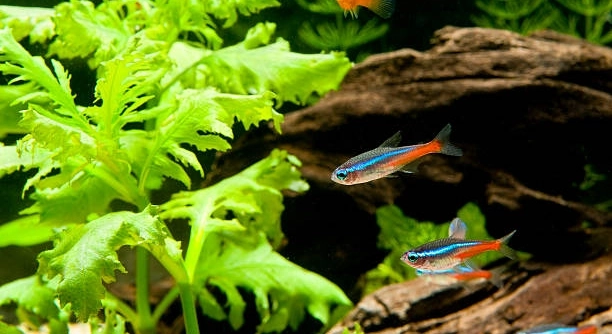
Are your tetras constantly chasing each other, making your aquarium feel more chaotic than calm? A peaceful tank makes all the difference, especially for these active little fish that thrive in stable, low-stress environments.
The best way to create a peaceful tetra community is by maintaining a balanced environment with proper tank size, compatible species, stable water conditions, and ample hiding spaces. This reduces stress and aggression, promoting healthy, natural behavior.
Learning how to manage their space, social dynamics, and tank setup will help you build a more peaceful and thriving tetra community.
Choose the Right Tank Size
Tetras may be small, but they need space to feel comfortable and act naturally. A cramped tank can lead to stress, territorial behavior, and health problems. For a peaceful community, start with a tank that holds at least 20 gallons. This gives your tetras enough room to swim freely in groups and reduces the chances of them becoming aggressive. The more space they have, the easier it is to create distinct zones for swimming, hiding, and resting. A longer tank is better than a tall one because it mimics the horizontal swimming patterns tetras prefer. Overcrowding should be avoided at all costs. Not only does it affect water quality, but it also causes competition for resources and space. If you’re keeping multiple tetra species or other fish with them, be sure to factor in their space needs too. A well-sized tank creates a calm, steady environment your fish can thrive in.
A larger tank also allows for more stable water parameters, which helps reduce stress and disease among tetras.
Starting with enough space will make every other step easier. Your tetras will be calmer, more colorful, and far more likely to live in harmony with their tank mates.
Keep Water Conditions Consistent
Tetras are sensitive to changes in their environment, especially water temperature, pH, and cleanliness. Even small fluctuations can cause stress, making them more skittish or aggressive.
Keep your tank temperature between 74–80°F and monitor it with a reliable aquarium thermometer. Stability is more important than hitting a perfect number. Sudden drops or spikes can shock your fish. Aim for a pH level between 6.5 and 7.5, and test your water weekly to ensure levels stay in range. Ammonia and nitrite should always be at zero, while nitrate should remain low. Perform small, regular water changes (about 25% weekly) to remove waste and refresh minerals without disrupting the ecosystem. Use a water conditioner when adding tap water to remove harmful chlorine and chloramines. A quiet, efficient filter will also help keep the tank clean and oxygenated. When everything stays steady, your tetras won’t have to constantly adjust. This makes them feel safe, reduces stress-related behavior, and supports their overall well-being.
Add Plants and Hiding Spots
Plants and hiding spaces help tetras feel safe. When they know they can retreat if needed, they tend to stay calmer and behave more naturally around each other.
Use a mix of live or artificial plants, driftwood, and decorations with soft edges to give your tetras places to hide or rest. Try to create zones across the tank, not just in one corner. Floating plants can reduce light intensity, which also makes the fish feel more secure. Spread out the décor so each fish has somewhere to go without crossing paths constantly. This reduces chasing and nipping, especially in tanks with different tetra species. These spots are not just for hiding—they also offer space to explore and mark territory in a low-conflict way. Keep decorations clean, and avoid sharp objects that could damage fins. A planted tank also improves water quality and brings out the natural colors in your fish.
A tank with proper cover encourages schooling behavior and keeps stress levels low. Your tetras will move more gracefully, show brighter colors, and interact more gently with each other when they feel sheltered by plants and decor. A well-decorated tank makes a noticeable difference in their behavior and overall comfort.
Avoid Aggressive Tank Mates
Tetras are peaceful and do best with other calm fish. Placing them with aggressive or fin-nipping species causes stress and increases the risk of injury or illness.
Stick to tank mates that match their temperament and size. Good choices include other tetras, corydoras catfish, peaceful rasboras, and small livebearers like guppies or mollies. Avoid barbs, large cichlids, or any fish known to chase or bite. Watch new fish carefully when first added—sometimes aggression is subtle at first. Rearranging decor before adding new tank mates can help break up territories and reduce tension. Feed all fish well to avoid food-related chasing. Having peaceful companions creates a calm atmosphere where all species can relax. A good mix of fish helps the tank feel lively without becoming chaotic. Always research compatibility before adding anything new, and be ready to adjust your setup if problems arise. Peaceful tank mates lead to a more balanced and stable environment.
Feed Them Properly
Tetras need small, balanced meals. Overfeeding can pollute the tank and cause health problems, while underfeeding may lead to stress and aggression. Feed once or twice a day, giving only what they can eat in two minutes.
A mix of quality flakes, micro pellets, and occasional frozen or live foods keeps them healthy and satisfied.
Maintain a Stable Routine
Tetras respond well to routine. Keep feeding, cleaning, and light schedules consistent. Sudden changes can lead to anxiety, which affects their behavior and overall health. Using a timer for lights and sticking to weekly water changes makes things predictable for them.
Avoid Excess Noise and Vibration
Loud sounds and tank vibrations can startle tetras. Keep the tank away from speakers, slamming doors, or high-traffic areas. A calm space helps them stay relaxed and interact peacefully with each other.
FAQ
How many tetras should I keep together?
Tetras are schooling fish and feel safest in groups. Keep at least six of the same species together, though more is usually better. Larger schools reduce stress and help prevent aggressive behavior. When kept in small numbers, tetras often become skittish, hide more often, and may even nip at tank mates. A group of ten or more creates a natural look and allows them to display healthy social behavior. Make sure your tank size can support the number of fish you plan to keep, especially if you’re mixing species or including other types of fish.
Can different tetra species live together?
Yes, many tetra species can live together peacefully, as long as they are similar in size and temperament. Neon tetras, ember tetras, and glowlight tetras are just a few examples that usually get along well. It’s still best to keep each species in its own school of at least six to ten individuals. This lets them feel secure and display natural behaviors. Avoid mixing aggressive or very large species with small, gentle ones. Watch closely when introducing new types to ensure there’s no chasing or nipping. A peaceful mix depends on balance and space.
Why are my tetras chasing each other?
Mild chasing is normal among tetras and can be part of their social interaction or schooling movement. However, frequent or aggressive chasing often points to overcrowding, lack of hiding spots, or unbalanced groups. Sometimes one fish becomes territorial or stressed due to poor water quality or sudden changes in the tank. Start by checking your water parameters, then make sure your tank is large enough and has enough decor to break up sightlines. If one fish is overly dominant, separating it temporarily may help calm the group.
Do tetras need a filter and heater?
Yes, both a filter and a heater are important for a healthy tetra tank. A filter keeps the water clean by removing waste and keeping oxygen levels stable. A heater keeps the water temperature consistent, which is essential since tetras are sensitive to fluctuations. Most tetras thrive in water between 74–80°F. Use a reliable, adjustable heater and a thermometer to monitor temperature regularly. Without a filter and heater, your tetras may become stressed, sick, or more aggressive due to unstable conditions.
How often should I clean the tank?
Clean your tetra tank weekly by changing 20–30% of the water, vacuuming the substrate lightly, and wiping algae off the glass if needed. Avoid removing all decorations or doing deep cleans unless absolutely necessary, as this can disrupt the beneficial bacteria your tank depends on. Always treat new water with a conditioner before adding it to the tank. Regular maintenance helps keep water parameters steady, which directly impacts your tetras’ behavior and health. A stable environment makes for a peaceful tank.
What signs show that my tetra is stressed?
Stressed tetras may show faded colors, clamped fins, erratic swimming, hiding more than usual, or refusing food. Chasing and fin-nipping are also signs something is off. Stress can come from many sources, including poor water quality, overcrowding, lack of cover, or aggressive tank mates. Test your water first, then check your tank’s layout and stocking levels. Addressing the cause quickly helps prevent illness and keeps your fish active and peaceful. Small changes can make a big difference in how your tetras behave.
Can I keep tetras in a community tank?
Yes, tetras do well in community tanks as long as the other fish are peaceful and similar in size. Avoid species that nip fins or grow much larger. Make sure all fish have enough space and hiding places. Feeding should be fair so no group dominates the food. Introducing new fish slowly and watching their behavior for a few days will help ensure harmony. A carefully planned community tank with tetras can be calm, colorful, and enjoyable to watch.
Final Thoughts
Keeping a peaceful tetra community is not difficult, but it does take attention to detail. These small fish are sensitive to changes, so a steady and calm environment makes a big difference. By giving them enough space, clean water, and compatible tank mates, you’re setting the stage for healthy and relaxed behavior. Watching your tetras swim calmly together, showing their bright colors and natural movements, is a sign that they feel safe. That sense of balance often comes from small actions done consistently—regular water changes, steady feeding, and keeping the tank layout comfortable.
It’s also important to remember that tetras are social fish. Keeping them in proper groups, providing cover, and avoiding aggressive fish helps reduce the chances of chasing or stress. Each type of tetra may have slightly different preferences, so always research a new species before adding it to your tank. Quiet surroundings, gentle lighting, and simple decorations go a long way in helping your fish feel at ease. While they may not show their emotions the way other pets do, their behavior tells you a lot. Calm swimming, bright colors, and active schooling are all signs that your setup is working.
Whether you’re new to keeping tetras or simply trying to improve your current tank, small changes can have a big effect. Adding a few more plants, spacing out feeding times, or even testing water more often can bring better results than you’d expect. With patience and regular care, your tetra community can thrive for years. A peaceful tank is not just good for the fish—it also creates a relaxing and enjoyable space for you. Watching them move through the water quietly and in harmony is one of the most calming parts of keeping an aquarium.

Hello,
If you enjoy the content that we create, please consider saying a "Thank You!" by leaving a tip.
Every little bit helps us continue crafting quality advice that supports the health, happiness, and well-being of pets around the world, for pets of all shapes, sizes, and species.
We really appreciate the kindness and support that you show us!