
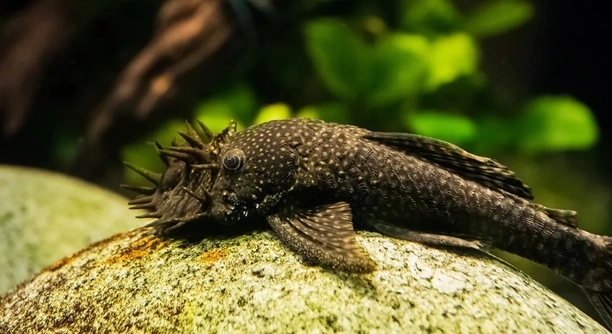
Have you ever tried keeping plecos in a community tank and noticed their behavior can be unpredictable? Breeding them successfully requires patience, attention, and a little knowledge about their habits and environment in shared aquariums.
Breeding plecos in a community tank is achievable by providing stable water conditions, adequate hiding spots, proper diet, and monitoring tank mates. Ensuring these factors promotes spawning behavior and increases the chances of successfully raising fry without compromising tank harmony.
Understanding these steps can make a significant difference in your aquarium experience. Each detail contributes to a healthier environment and a higher success rate for breeding plecos.
Choosing the Right Pleco Species
Selecting the right pleco species for a community tank is essential. Some plecos grow very large, while others remain small and manageable. Popular options include Bristlenose Plecos, which are generally peaceful and easy to care for. When choosing, consider the size of your tank and compatibility with existing fish. Aggressive or territorial plecos can cause stress or injuries, making breeding nearly impossible. Research each species’ adult size, behavior, and environmental needs before adding them to your tank. A smaller pleco may adapt more easily to a community setting, reducing the risk of conflict. Proper species selection ensures both your plecos and other fish can coexist comfortably. Tank decorations and hiding spaces must suit the chosen species, as some plecos prefer caves while others need driftwood or plants for grazing. Compatibility is key to creating an environment where plecos feel secure enough to breed naturally without disturbances from other fish or tank dynamics.
Choosing the right species reduces stress and encourages breeding behaviors in a shared tank environment.
By paying attention to size, temperament, and environmental needs, you increase the likelihood that plecos will thrive. Understanding the species’ natural habits helps you provide the ideal conditions for reproduction. Some plecos are nocturnal, so they need quiet, dark spaces to spawn. Providing caves, PVC pipes, or hollow decorations gives them a secure area to lay eggs. Additionally, plecos often require specific water parameters like pH, hardness, and temperature ranges. Matching these to the species’ natural habitat improves health and reproductive success. Feeding a varied diet rich in vegetables, algae, and occasional protein can stimulate breeding activity. Observing interactions between tank mates is also important, as aggressive species can disturb plecos during courtship or egg-laying. By combining careful species selection, proper tank setup, and attentive care, breeding plecos in a community tank becomes achievable while maintaining harmony among all aquatic inhabitants.
Maintaining Optimal Water Conditions
Stable water conditions are critical for breeding plecos successfully.
Plecos are sensitive to fluctuations in temperature, pH, and ammonia levels. Regular water testing and partial water changes maintain a healthy environment. Consistency encourages natural spawning behavior and reduces stress that can prevent breeding.
Keeping temperature, pH, and ammonia within species-specific ranges is essential. Plecos need clean water with low nitrate levels, which means frequent monitoring and filtration. Sudden changes can inhibit breeding and harm fry. Water hardness can also affect egg development, so using buffers or natural substrates helps maintain stability. A gentle current and adequate oxygenation improve overall health, making plecos more likely to reproduce. Using a reliable heater and testing equipment ensures your aquarium stays within safe limits. Observing water clarity and waste accumulation allows early detection of issues. When water conditions are consistent, plecos exhibit natural behaviors like exploring hiding spaces and courting, which are necessary for successful spawning. Patience and careful observation go hand in hand with water maintenance to create a breeding-friendly community tank.
Providing Adequate Hiding Spaces
Plecos need secure hiding spots to feel comfortable in a community tank. Caves, driftwood, and PVC pipes offer shelter for resting and breeding. Without these, they may hide excessively or become stressed, reducing the likelihood of spawning.
Hiding spaces not only reduce stress but also mimic natural habitats. Many plecos are nocturnal and require dark areas to feel safe. PVC pipes are inexpensive and customizable, while natural driftwood provides surfaces for grazing and laying eggs. Caves made from rocks or ceramic also give them private breeding sites. Placement matters: spots should be evenly distributed and easily accessible without overcrowding the tank. Proper hiding spaces help plecos establish territories and feel secure, encouraging mating behaviors.
Observing plecos’ use of hiding areas gives clues about their comfort level. If they explore caves frequently or guard entrances, it often indicates readiness to breed. Combining multiple types of shelters supports both juvenile and adult plecos, promoting natural activity patterns and overall tank harmony.
Feeding a Nutritious Diet
A balanced diet is essential for healthy plecos and successful breeding. Fresh vegetables, algae wafers, and occasional protein help maintain energy and fertility.
Feeding a variety of foods ensures plecos receive all necessary nutrients. Leafy greens like zucchini or spinach provide fiber, while algae wafers support digestion and growth. Some species benefit from small amounts of protein like shrimp or bloodworms, which can stimulate reproductive behavior. Consistent feeding schedules help maintain health without overfeeding, which can foul water and create stress.
Plecos often graze throughout the day, so leaving small portions and supplementing with vegetables ensures proper intake. Observing their feeding habits can indicate readiness for breeding, as well-nourished plecos display active, exploratory behavior. Rotating food types keeps them interested and ensures a complete diet, which is crucial for egg production and fry development. Adequate nutrition supports overall immunity and longevity, giving plecos the best chance to reproduce successfully in a community tank.
Separating Aggressive Tank Mates
Some fish may disturb plecos during breeding, so identifying aggressive tank mates is important. Removing or isolating these fish can prevent stress and protect eggs.
Peaceful species coexist better with plecos, allowing them to establish territories and spawn without interference. Monitoring interactions helps maintain a safe environment.
Monitoring Water Quality
Regular testing of ammonia, nitrite, nitrate, and pH levels ensures plecos remain healthy. Clean water reduces stress, which is crucial for spawning. Maintaining stability in these parameters supports both adult fish and developing fry, improving survival rates in a community tank.
Recognizing Breeding Behavior
Plecos often show increased activity, exploring caves and defending territories when ready to breed.
FAQ
How often should I feed plecos to encourage breeding?
Plecos benefit from small, frequent feedings throughout the day. Vegetables like zucchini, cucumber, and spinach should be offered daily. Algae wafers can supplement their diet, and occasional protein like shrimp or bloodworms supports reproductive health. Consistent feeding keeps them healthy and encourages natural breeding behavior.
Can plecos breed in a fully stocked community tank?
Yes, but success depends on tank conditions and tank mate behavior. Peaceful species coexist best, while aggressive fish can stress plecos and prevent spawning. Providing ample hiding spaces, caves, and proper diet increases chances of successful breeding in a shared tank environment.
What is the best type of hiding spot for breeding plecos?
Caves, driftwood, and PVC pipes are ideal. The hiding spot should be dark, secure, and sized to fit the pleco comfortably. Placement in quiet corners helps reduce stress and encourages natural spawning behaviors. Offering multiple shelters can support multiple pairs.
How do I know if plecos are ready to spawn?
Males become territorial, guarding caves and showing increased activity. They often clean surfaces inside the cave and may chase other fish away. Females appearing fuller in the abdomen is a sign of egg development. Observing these behaviors indicates readiness to breed.
Do I need to adjust water parameters for breeding?
Yes. Maintaining stable temperature, pH, and hardness within species-specific ranges is critical. Plecos are sensitive to sudden changes, which can prevent spawning. Frequent testing and small, regular water changes ensure conditions remain optimal for eggs and fry.
How long does it take for pleco eggs to hatch?
Depending on species and water temperature, eggs generally hatch in 3 to 10 days. Warmer, stable conditions often speed up development, while cooler water can slow it. After hatching, fry remain in the cave under the male’s care for several days.
Should I remove the fry from the community tank?
It is optional but often recommended. Other fish may eat the fry, especially in busy community tanks. If left in the main tank, providing additional hiding spots and careful observation improves survival. Some breeders prefer raising fry separately for better control.
What diet is best for pleco fry?
Initially, fry feed on biofilm and leftover algae. Supplementing with finely crushed algae wafers, vegetables, or specialized fry food ensures proper growth. Gradually introduce protein as they grow to promote healthy development. Frequent feeding in small amounts prevents water quality issues.
Can stress from tank mates prevent breeding?
Absolutely. Plecos need calm, secure areas to spawn. Aggressive or overly active fish can disturb their breeding routine, cause injuries, or even lead to eggs being abandoned. Separating problematic fish or creating isolated breeding zones reduces stress and increases success.
How do I maintain water quality with breeding plecos?
Regular water testing for ammonia, nitrites, nitrates, and pH is essential. Partial water changes help maintain cleanliness without shocking plecos. Gentle filtration, proper aeration, and avoiding overfeeding prevent spikes in harmful compounds that could threaten both adults and fry.
Are there signs of a successful spawn?
Eggs laid on cave surfaces or driftwood, guarded by the male, indicate successful spawning. Fry swimming near the cave after hatching shows survival. Healthy, active behavior and consistent feeding signal that breeding conditions are working.
How long do plecos guard their eggs?
Typically, males guard eggs for 5 to 10 days, depending on species. During this time, they fan the eggs with their fins to provide oxygen and remove debris. Minimal disturbances during this period increase hatching success.
Do all pleco species breed the same way?
No. Breeding behaviors vary by species. Some prefer caves, others attach eggs to wood or rocks. Size, water parameters, and dietary needs also differ. Researching the specific species you have ensures proper care and maximizes breeding success.
Can plecos breed multiple times in a year?
Yes, under stable conditions with proper care. Once fry are independent, healthy adults may spawn again after a few weeks. Consistent diet, water quality, and tank environment support repeated breeding cycles in a community tank.
What common mistakes reduce breeding success?
Overcrowding, aggressive tank mates, inconsistent water parameters, insufficient hiding spaces, and poor diet can all prevent breeding. Observing behaviors, maintaining cleanliness, and providing appropriate shelter help avoid these issues and increase the likelihood of successful spawning.
Is it necessary to simulate seasonal changes for breeding?
While not always required, some plecos respond to minor seasonal changes, like slightly lowering water temperature and then gradually increasing it, to trigger spawning. This mimics natural conditions and can encourage reproductive behavior in captive environments.
How can I tell if eggs are fertilized?
Fertilized eggs usually appear slightly opaque or cream-colored. Unfertilized eggs often become white or moldy and should be removed to prevent contamination. Careful monitoring and cleaning of the spawning site ensures healthy development for the remaining eggs.
What role does male pleco behavior play in breeding?
Males are responsible for guarding and fanning eggs to provide oxygen and prevent fungus. Their territorial behavior helps protect eggs from other fish. Observing male care behavior is crucial for ensuring a high survival rate of fry in a community tank.
How can I increase fry survival in a community tank?
Providing plenty of hiding spots, avoiding aggressive tank mates, and maintaining high water quality are key. Supplemental feeding with appropriate fry food supports growth. Gentle filtration and careful observation of tank dynamics reduce risks, giving fry a better chance to thrive.
Can plecos breed without a partner in the same tank?
No. Breeding requires a male and female. Even in larger tanks with multiple plecos, a pair must establish territory and exhibit courtship behaviors for spawning to occur. Proper identification and pairing increase the chances of successful reproduction.
How long before fry can eat the same diet as adults?
Fry start small and gradually adapt to adult diets after a few weeks. Initially, finely crushed algae wafers, biofilm, and soft vegetables are ideal. As they grow, larger portions of algae wafers and vegetables can be introduced to match adult feeding habits.
What environmental changes encourage plecos to spawn?
Stable water parameters, appropriate hiding spots, consistent diet, and reduced disturbances all help. Some breeders also simulate seasonal rain cycles by performing small, frequent water changes with slightly cooler water, followed by gradual warming to stimulate breeding behavior naturally.
How can I tell the sex of my plecos?
Males often have larger, more pronounced fins and may develop bristles on their heads, depending on the species. Females tend to have rounder, fuller bodies, especially when carrying eggs. Observing size, shape, and fin development can help identify a breeding pair.
What is the best way to care for fry after hatching?
Provide plenty of hiding spots, clean water, and small, frequent feedings. Observe growth and remove uneaten food to maintain water quality. Gradually introduce larger foods as fry develop. Minimizing stress and tank disturbances improves survival and healthy development.
How long until plecos reach breeding age?
Most species reach sexual maturity between 6 months to 2 years, depending on size and growth rate. Adequate nutrition and stable water conditions accelerate development. Once mature, adults are more likely to exhibit spawning behaviors and produce viable eggs.
Are there signs that plecos are not ready to breed?
Lethargy, lack of interest in hiding spots, or aggressive interactions with potential mates indicate unpreparedness. Stress, poor diet, and unstable water conditions can delay breeding. Ensuring proper care and environment helps plecos reach readiness for spawning.
Can multiple pairs breed in the same tank?
Yes, if the tank is large enough and hiding spots are sufficient. Multiple caves or shelters prevent conflicts. Monitoring interactions is necessary to ensure males do not compete aggressively, which could harm eggs or reduce overall breeding success.
What is the most important factor for successful pleco breeding?
Stable water conditions, proper diet, secure hiding spots, and minimal stress are all critical. Each factor contributes to natural behaviors and egg survival. Observing plecos and adjusting the environment accordingly maximizes the chances of successful reproduction in a community tank.
How do I prevent fungal infections on eggs?
Fungal infections are common in stagnant or dirty water. Removing infertile eggs promptly, maintaining high water quality, and ensuring good water flow around the eggs reduces risk. Using a gentle fan from the filter can help prevent fungus and support healthy development.
Can plecos spawn multiple times in a single breeding season?
Yes. Healthy adults may spawn several times if water conditions remain stable and diet is adequate. Observing the male guarding eggs and ensuring fry survival allows multiple breeding events without stressing the fish or the tank environment.
How long should I wait before introducing new tank mates after breeding?
Wait until fry are free-swimming and able to hide or feed independently. Introducing new fish too early can stress adults, disrupt spawning behaviors, or result in predation of eggs or fry. Patience improves survival and tank harmony.
Do plecos need special lighting for breeding?
No special lighting is required. Normal aquarium lighting that maintains day-night cycles is sufficient. Darker areas for caves and hiding spots help simulate natural conditions, encouraging spawning behavior without complicated adjustments to lighting.
How do I clean the tank without disturbing breeding plecos?
Partial water changes and careful siphoning around caves are best. Avoid moving decorations or disturbing hiding spots. Use gentle filtration and small adjustments to maintain water quality while keeping plecos comfortable during the breeding period.
Is it normal for male plecos to chase females aggressively?
Yes, during courtship, males may chase females to encourage them into the breeding cave. This behavior should be brief and controlled; constant harassment may indicate stress or improper conditions. Observing interactions ensures that courtship remains healthy and productive.
Can plecos breed in tanks smaller than 20 gallons?
Some smaller species like Bristlenose Plecos can breed in tanks under 20 gallons, but space for hiding and territorial behavior must be adequate. Larger species require bigger tanks to reduce stress and provide room for successful spawning.
How do I transition fry from caves to the main tank?
Wait until fry are strong swimmers and large enough to avoid predation. Gradually acclimate them by opening cave entrances and monitoring behavior. Providing plenty of plants and hiding spots in the main tank ensures safe integration and growth.
How important is consistency in feeding and water maintenance?
Consistency is critical. Irregular feeding or sudden water changes can stress plecos and disrupt breeding. Maintaining a predictable schedule supports reproductive health and improves egg and fry survival in a community tank.
What are signs of healthy fry?
Active swimming, grazing on biofilm or vegetables, and responsive behavior indicate healthy fry. Proper growth rate, clear eyes, and smooth skin are additional markers. Monitoring these signs ensures early detection of problems and allows prompt care.
How long should I observe breeding plecos daily?
Regular observation, 10–15 minutes daily, is sufficient. Watch for courtship, egg guarding, feeding, and interactions with tank mates. This helps detect stress, aggression, or water issues, ensuring successful breeding without overhandling or disturbing the fish.
Can plecos breed in soft water?
Some species prefer soft water, while others need harder conditions. Researching the species’ natural habitat helps match water hardness. Maintaining appropriate levels supports egg development and fry survival, improving overall breeding success.
Are there supplements that improve breeding success?
Vitamin-rich foods, high-quality algae wafers, and occasional protein boosts reproductive health. Natural vegetables and varied diet help maintain energy and fertility, increasing the likelihood of successful spawning in a community tank.
How can I prevent egg predation in a community tank?
Providing multiple caves, hiding spots, and monitoring aggressive tank mates reduces predation. Observing interactions and removing potential threats ensures eggs and fry survive while maintaining overall tank harmony.
How soon after spawning should I start feeding fry?
Fry usually absorb yolk sacs for the first few days. Once free-swimming, start with biofilm, finely crushed algae wafers, or specialized fry food. Frequent small feedings support healthy growth and reduce water contamination from leftover food.
What is the role of water flow in breeding plecos?
Gentle water flow ensures proper oxygenation around eggs and prevents debris accumulation. Too strong a current can stress adults or displace eggs. Adjusting flow near caves creates optimal conditions for egg development and fry survival.
Can stress from humans affect breeding?
Yes. Excessive tapping, moving decorations, or handling plecos during breeding can cause stress, leading to egg abandonment or aggression. Observing from a distance and minimizing disturbances increases breeding success.
How do I know when fry are ready to be weaned onto adult food?
Fry are ready when they can eat small pieces of vegetables and algae wafers on their own. Gradually increase portion size and variety while reducing reliance on finely crushed fry food. Observation of active feeding behavior ensures successful transition.
How do I maintain tank hygiene with multiple breeding pairs?
Regular water testing, partial water changes, and careful removal of uneaten food are essential. Multiple hiding spots prevent overcrowding, and monitoring interactions ensures adults do not harm eggs or fry, maintaining cleanliness and safety for all inhabitants.
Can breeding plecos affect water chemistry?
Yes. Increased feeding, waste from fry, and egg debris can alter ammonia, nitrite, and nitrate levels. Frequent testing and partial water changes prevent spikes, protecting both adult plecos and fry from harmful conditions.
Is it necessary to isolate the male after eggs hatch?
Generally, males continue guarding fry for a few days. Isolation is not required unless he becomes overly aggressive or tank mates threaten the fry. Observing behavior ensures protection without unnecessary stress.
How do I prevent fungal or bacterial infections in fry?
Maintain high water quality, remove uneaten food promptly, and ensure adequate hiding spots. Gentle water flow around fry and eggs reduces stagnation, minimizing the risk of infections and supporting healthy development.
What is the best way to track multiple breeding cycles?
Keep a journal noting dates of spawning, number of eggs, hatching times, and fry growth. Tracking helps identify patterns, optimize conditions, and improve success rates for future breeding attempts.
Can plecos breed in tanks with artificial plants?
Yes, as long as sufficient caves or hiding spots are available. Some plecos may use plant surfaces for grazing, but secure, dark breeding sites are essential for egg-laying and fry protection.
How long should I wait between successive breeding attempts?
Wait until adults have recovered and fry are independent. Overbreeding can stress plecos and reduce egg viability. Providing adequate nutrition, stable water conditions, and minimal disturbances supports repeated successful cycles.
Are there differences in breeding behavior between males and females?
Yes. Males guard caves, fan eggs, and display territorial behavior. Females focus on egg-laying and may stay close to the male initially. Observing these roles helps ensure proper care and increases survival rates of fry.
How can I encourage shy plecos to spawn?
Provide plenty of hiding spots, minimize disturbances, maintain stable water conditions, and offer a nutritious diet. Patience is key, as shy plecos may take longer to feel secure enough to breed in a community tank.
Do plecos need a specific substrate for breeding?
Not always, but some species prefer smooth rocks, driftwood, or fine sand near caves. Substrate choice can affect egg adhesion and ease of fry movement, influencing successful hatching and survival.
Can I use breeding traps or separate containers in a community tank?
Yes, these can protect eggs and fry from aggressive tank mates. Small mesh cages or separate breeding boxes allow adults to remain in the main tank while keeping offspring safe, improving survival rates without removing parents entirely.
What is the best water temperature range for most plecos?
Generally, 75–82°F (24–28°C) suits many species. Some tropical plecos may need slightly warmer water. Stable temperatures support reproductive health, egg development, and fry growth, reducing stress in a community environment.
How do I prevent overfeeding during breeding?
Feed small portions multiple times daily, remove uneaten food promptly, and monitor water quality. Overfeeding can lead to ammonia spikes, stress, and decreased breeding success. Balanced, controlled feeding supports adult health and fry survival.
How long should eggs remain guarded by the male?
Typically, 5–10 days depending on species and water conditions. The male ensures proper oxygenation and protection. Interfering during this time can reduce hatching success. Observing from a distance is best to allow natural care behaviors.
Can plecos breed in soft or slightly acidic water?
Some species tolerate or prefer soft, slightly acidic water. Matching water parameters to the species’ natural habitat promotes egg viability and fry survival. Researching the specific pleco species ensures optimal breeding conditions in a community tank.
What signs indicate unsuccessful spawning?
Unfertilized eggs turning white, eggs being eaten or abandoned, or lack of guarding behavior by males indicate failure. Monitoring egg health and removing spoiled eggs promptly prevents fungal growth and protects remaining eggs.
How often should I perform water changes during breeding?
Small, frequent water changes maintain quality without disturbing adults. Typically, 10–20% changes every few days are sufficient. Consistent maintenance reduces stress, supports egg development, and improves fry survival rates in a community tank.
Can stress from other fish prevent fry from growing?
Yes. Aggressive or overly active tank mates can stress fry, reduce feeding, and inhibit growth. Providing hiding spots, monitoring interactions, and separating threats ensures fry develop safely.
How do I identify a healthy male for breeding?
Look for larger size, pronounced fins, territorial behavior, and, in some species, head bristles. Active males that explore caves and guard territory are more likely to successfully fertilize eggs.
Is it necessary to remove decorations after spawning?
No, unless they obstruct caves or create safety hazards. Stable decorations help adults feel secure and allow eggs and fry to remain protected. Minimal disruption supports breeding success.
How can I prevent overcrowding during multiple breeding events?
Provide sufficient hiding spots and monitor population growth. Remove or separate fry if necessary. Ensuring space for adults to establish territories reduces stress and supports continued successful breeding.
What is the ideal tank size for multiple breeding plecos?
A minimum of 30–40 gallons is recommended for small species, larger species need 55 gallons or more. Adequate space allows territory establishment, reduces aggression, and ensures enough hiding spots for successful spawning and fry survival.
How do I handle fry that fall victim to tank mates?
Unfortunately, predation can happen. Providing more hiding spaces, separating fry, and monitoring aggressive species reduces risk. Observing interactions helps protect future breeding attempts and maintain healthy fry populations.
Can plecos breed without caves?
Some species may attach eggs to driftwood or flat surfaces, but caves or enclosed spaces improve success. Offering
Breeding plecos in a community tank can be a rewarding experience, but it requires attention, patience, and consistency. These fish thrive when their environment mimics their natural habitat, with plenty of hiding spots, stable water conditions, and a balanced diet. Each species has its own preferences and behaviors, so learning about the particular plecos you keep is essential. Observing their behavior regularly helps you understand when they are ready to breed, how they interact with tank mates, and whether their hiding spaces and feeding routines are meeting their needs. Over time, you begin to notice patterns that make it easier to support successful spawning.
Providing a calm and secure environment is one of the most important steps for breeding plecos. Aggressive or overly active fish can stress them and prevent egg-laying or fry survival. Properly chosen tank mates, combined with caves, driftwood, or PVC pipes, create spaces where plecos feel safe enough to reproduce. Feeding a varied diet, including fresh vegetables, algae wafers, and occasional protein, helps maintain their energy and fertility. Small, frequent feedings support both adult health and reproductive readiness. Maintaining water quality with regular testing and partial water changes ensures that eggs and fry have the best chance of survival. These simple, consistent actions can make a significant difference in the breeding process.
Even when conditions are ideal, breeding plecos requires patience. Eggs can take several days to hatch, and fry need careful observation and feeding to grow successfully. Some plecos may spawn multiple times in a season, while others might take longer to become ready again. By keeping track of spawning events, water conditions, and feeding routines, you can gradually refine your approach and increase success rates over time. Breeding plecos in a community tank is not just about producing offspring; it’s about creating a stable, healthy environment where all your fish can coexist comfortably. Observing the interactions, maintaining care routines, and supporting natural behaviors ensures that your plecos thrive and reproduce successfully. With consistent attention and understanding, community tank breeding can be a fulfilling and manageable endeavor, giving you a closer connection to the fish in your care.

Hello,
If you enjoy the content that we create, please consider saying a "Thank You!" by leaving a tip.
Every little bit helps us continue crafting quality advice that supports the health, happiness, and well-being of pets around the world, for pets of all shapes, sizes, and species.
We really appreciate the kindness and support that you show us!