
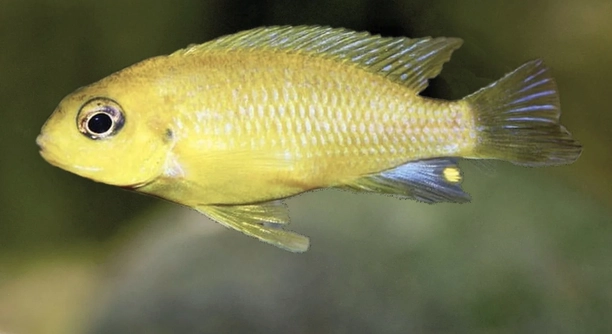
Are your electric yellow cichlids swimming around the tank more than usual? Observing them can be both entertaining and puzzling. Their movements are often playful and exploratory, reflecting natural instincts rather than stress or illness in their environment.
Electric yellow cichlids exhibit exploring behaviors for multiple reasons, including territory familiarization, social interaction, foraging, and environmental enrichment. These activities are natural and healthy, helping maintain their physical well-being and cognitive stimulation within their aquarium habitat.
Watching these bright fish navigate their surroundings can be fascinating, revealing unique patterns and habits that enhance understanding of their daily routines and personalities.
Investigating New Hiding Spots
Electric yellow cichlids often explore their tank by investigating new hiding spots. Rocks, plants, and decorations provide areas to retreat and feel secure. Observing your cichlid slip behind a rock or into a plant cluster shows it is assessing its environment. This behavior is natural and indicates curiosity rather than fear. They may push or nudge objects to create a preferred hiding place. Rearranging the tank occasionally encourages this behavior, but sudden or frequent changes can stress them. These fish use hiding spots to feel in control of their space. As they explore, they learn the layout and can respond more confidently to other fish. Watching them move between spots reveals how they interact with their surroundings and shows their preference for certain textures or areas. Over time, they may even claim a favorite spot as their own, revisiting it frequently.
Exploring hiding spots helps your cichlid feel safe while stimulating natural instincts.
Regularly providing varied hiding spaces benefits both mental and physical health. By observing preferences, you can optimize tank layout to suit their needs. Hiding spots reduce stress, support natural behaviors, and can improve social dynamics. This attention also allows you to monitor their health and ensure they are active, engaged, and comfortable. Adjusting locations gradually can maintain interest and prevent boredom while promoting exercise and confidence in your cichlid’s environment.
Inspecting Tank Boundaries
Electric yellow cichlids often patrol tank edges to familiarize themselves with boundaries and resources. They swim along walls, corners, and substrates to understand their habitat and detect other inhabitants.
This boundary exploration helps cichlids establish territory and maintain control over resources. It reduces conflict and supports natural behavior patterns, particularly in multi-fish aquariums. By checking edges, your cichlid assesses hiding spots, feeding zones, and potential threats. These patrols are essential for both comfort and security. Over time, consistent boundary inspection strengthens confidence and reduces stress in their daily routine. It also allows them to react efficiently if the environment changes or if new fish are introduced. Watching these movements provides insight into social hierarchy, preferred areas, and overall well-being. Recognizing boundary exploration as a normal behavior ensures you interpret actions accurately and maintain a stable, enriching aquarium for your cichlid. Understanding this pattern helps in designing the tank layout and placing decorations strategically, encouraging natural movement while minimizing territorial disputes.
Following Tank Mates
Electric yellow cichlids often follow other fish to observe behavior and maintain social awareness. This is a normal part of their interaction and helps establish pecking order and familiarity within the aquarium.
Following tank mates allows cichlids to learn routines and respond to social cues. They watch who claims food first, who defends territory, and which areas are preferred for resting or hiding. These observations guide their own behavior and reduce conflicts. Over time, your cichlid develops a better understanding of the aquarium dynamics. This pattern also helps them feel included in group activities, promoting mental stimulation and reducing stress from isolation.
Tracking other fish strengthens social bonds and hierarchy recognition. Electric yellow cichlids use this behavior to navigate their environment confidently. Following helps them adapt to changes, monitor safety, and coordinate movements with companions, ensuring a balanced and engaging tank environment.
Investigating Substrate
Electric yellow cichlids often dig or sift through substrate to find food particles or hidden objects. This activity is instinctive and provides both mental and physical stimulation.
Substrate exploration allows cichlids to interact with their surroundings naturally. They may move sand, gravel, or small pebbles, uncovering potential food or rearranging their space. This behavior encourages exercise and reinforces natural foraging instincts. Over time, digging habits can indicate contentment, curiosity, and engagement with the tank environment. Observing substrate investigation helps monitor appetite, health, and interest in the aquarium.
Consistent substrate interaction also provides enrichment, preventing boredom. By varying substrate textures or adding small items to sift through, you can enhance stimulation. This encourages natural behavior, supports muscle development, and offers insight into individual preferences, making the tank more dynamic and suitable for electric yellow cichlids.
Inspecting Decorations
Electric yellow cichlids frequently swim around decorations, checking for safe spots or potential hiding areas. This behavior is natural and helps them become familiar with their environment.
They may nudge or circle objects, testing stability and suitability for resting or shelter. These inspections also provide mental stimulation and reinforce territory awareness.
Observing Reflections
Cichlids sometimes react to their reflection on tank glass. They may approach, flare fins, or swim alongside the reflection to assess it. This behavior is instinctive and not a sign of stress but rather a form of environmental interaction and curiosity.
Swimming Patterns
Electric yellow cichlids often display repeated swimming patterns throughout the tank. These routines help them map out territory, exercise, and maintain comfort in their surroundings. Regular observation of these patterns can indicate normal, healthy behavior and overall activity levels.
Investigating Surface
Cichlids occasionally inspect the water surface, searching for floating food or observing movements above the tank. This behavior is normal and reflects natural foraging instincts.
FAQ
Why does my electric yellow cichlid keep exploring the same spots repeatedly?
Repetition in exploration is common and reflects natural territory familiarization. Your cichlid revisits preferred hiding places, feeding zones, or decorations to monitor changes and maintain comfort. These repeated checks also reinforce confidence and reduce stress in their environment. Over time, this behavior can help identify favorite areas and patterns of movement.
Is it normal for my cichlid to follow other fish constantly?
Yes, following tank mates is part of natural social behavior. Electric yellow cichlids observe other fish to understand hierarchy, anticipate feeding times, and assess safety. This behavior helps them adapt to the group, reduce conflict, and strengthen social interactions without showing aggression.
Why does my cichlid dig in the substrate so often?
Digging is instinctive and provides both physical exercise and mental stimulation. Cichlids sift through sand or gravel to uncover hidden food or rearrange their surroundings. This activity also supports natural foraging behavior and helps prevent boredom, contributing to overall well-being.
Should I worry if my cichlid inspects decorations for long periods?
No, extended inspection of decorations is a sign of curiosity and environmental awareness. Your cichlid evaluates stability, potential hiding spots, and territory boundaries. This exploration is essential for comfort, mental stimulation, and establishing a sense of security within the aquarium.
Why does my cichlid react to its reflection?
Responses to reflections are normal and instinctive. The fish may interpret the reflection as a competitor or simply show curiosity. Approaching or flaring at a reflection allows the cichlid to assess threats, practice territorial behavior, and engage with its environment safely.
How can I tell if exploring behavior is healthy?
Healthy exploration is consistent, curious, and non-destructive. Your cichlid will swim actively, interact with the environment, and occasionally return to resting spots. Signs of stress, such as rapid darting, hiding excessively, or refusing food, indicate issues that may need attention.
Can exploring help my cichlid stay active?
Yes, exploration provides physical exercise and mental enrichment. Swimming around the tank, inspecting decorations, and digging in the substrate engages muscles, improves coordination, and prevents lethargy. Regular exploration supports overall health and helps maintain natural behaviors.
Is it okay if my cichlid explores at night?
Some cichlids are more active during low-light periods. Nighttime exploration can be normal, especially if the tank is dimly lit or the fish is adjusting to its surroundings. Providing adequate hiding spots and stable lighting helps them feel secure while allowing natural activity.
Does substrate type affect exploration?
Yes, substrate texture influences digging and sifting behavior. Sand allows easier movement and natural foraging, while coarse gravel may reduce activity or lead to selective digging. Matching substrate to natural instincts encourages exploration and keeps your cichlid mentally and physically engaged.
How can I encourage healthy exploration?
Offer varied decorations, rocks, and plants to create stimulating hiding spots and pathways. Regularly change layout gradually to maintain interest. Feeding at different locations and providing occasional enrichment, like floating items or small treats, can also promote active exploration and prevent boredom.
Can exploring reduce aggression in the tank?
Exploration can indirectly reduce aggression by keeping fish engaged and mentally stimulated. When a cichlid has sufficient territory, hiding spots, and enrichment, it is less likely to stress over space or competition, improving social dynamics and overall tank harmony.
Is it normal for my cichlid to explore alone?
Yes, solitary exploration is natural. Even in social tanks, individual fish may prefer investigating certain areas alone. This behavior allows them to assess territory, exercise, and engage with their environment without interference, supporting mental stimulation and confidence.
How often should I observe my cichlid’s exploration?
Daily observation is beneficial to monitor health, behavior patterns, and social interactions. Noticing changes in movement, preferred spots, or interest in surroundings helps detect potential issues early and ensures the fish remains active and comfortable in the tank.
Can stress affect exploring behavior?
Yes, stress can alter exploration. A stressed cichlid may hide excessively, avoid areas, or become aggressive. Causes include overcrowding, sudden changes in water conditions, or incompatible tank mates. Maintaining stable water parameters, proper tank layout, and compatible fish encourages normal, healthy exploration.
Does age impact exploring habits?
Young cichlids tend to explore more actively as they learn the environment, while older fish may slow down but still maintain routine checks of territory. Adjusting tank enrichment and monitoring activity ensures all ages remain engaged and healthy.
Observing your electric yellow cichlid explore its tank provides valuable insight into its natural behavior. These fish are naturally curious and active, and much of their movement is instinct-driven rather than a sign of stress. Watching them investigate hiding spots, swim along tank edges, inspect decorations, or dig in the substrate can be fascinating. Each action reflects a different aspect of their environment, from social interactions with other fish to the establishment of territory and comfort zones. Over time, consistent exploration indicates that your cichlid is healthy, mentally engaged, and adjusting well to its habitat. Noting patterns of behavior, such as favorite hiding spots or preferred swimming routes, can help you understand their preferences and make small adjustments to the tank layout to support natural instincts. Providing a stable, enriched environment allows your cichlid to engage in these behaviors safely, reducing stress while promoting overall well-being.
Electric yellow cichlids benefit from an environment that encourages natural activity. Decorations, plants, rocks, and varied substrate create opportunities for investigation and engagement. Observing substrate digging, for example, shows that your cichlid is exercising natural foraging instincts, which also promotes physical health and coordination. Following tank mates and interacting with reflections or other environmental features further supports mental stimulation. These behaviors are not signs of discomfort; rather, they demonstrate intelligence and adaptability. By arranging the tank to include diverse hiding spots and pathways, you give your cichlid choices in how it moves and interacts with its surroundings. Regular observation allows you to track preferences and activity levels, ensuring that your fish remains active and content. Adjusting the environment gradually rather than abruptly helps maintain interest while minimizing stress. Consistent enrichment supports both mental and physical development, keeping your cichlid engaged and reducing the likelihood of boredom or aggression.
Monitoring exploration also helps maintain overall tank health and harmony. A cichlid that engages with its surroundings is more likely to show regular eating patterns, maintain territorial boundaries, and display typical social behaviors. Recognizing normal exploratory behavior allows you to differentiate it from signs of illness or distress, which might include hiding excessively, erratic swimming, or loss of appetite. Encouraging exploration through varied decorations, safe hiding spots, and enriched substrate not only supports your cichlid’s well-being but also enhances the overall visual and functional appeal of the tank. Healthy exploration fosters a sense of stability and security, reinforcing natural instincts while providing daily engagement. Understanding and supporting these behaviors ensures that your electric yellow cichlid thrives in a well-maintained aquarium, remaining active, confident, and healthy over the long term.

Hello,
If you enjoy the content that we create, please consider saying a "Thank You!" by leaving a tip.
Every little bit helps us continue crafting quality advice that supports the health, happiness, and well-being of pets around the world, for pets of all shapes, sizes, and species.
We really appreciate the kindness and support that you show us!