
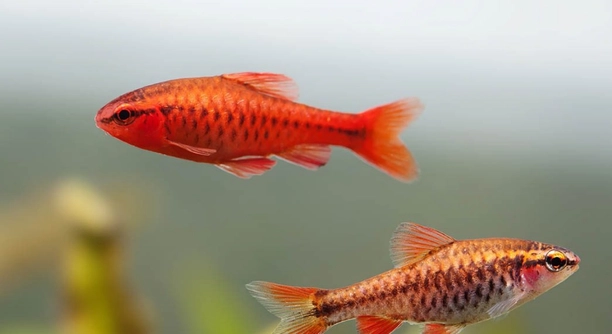
Cherry Barbs are colorful and lively fish that many aquarium enthusiasts enjoy breeding. However, sometimes these fish can refuse to breed, leaving their owners confused and frustrated. Understanding the reasons behind this behavior can help.
Cherry Barbs may refuse to breed due to factors like improper water conditions, lack of a suitable mate, or stress. Temperature fluctuations, poor water quality, and an imbalance of males and females can all impact their readiness to breed.
By recognizing the signs of stress and adjusting their environment accordingly, you can create the ideal conditions for Cherry Barbs to breed. There are several steps you can take to encourage successful breeding and ensure healthy offspring.
Incorrect Water Conditions
The water conditions in your tank play a huge role in whether Cherry Barbs will breed. They prefer a stable environment with the right temperature, pH, and hardness. If these parameters are off, breeding may not occur. A temperature range of 75-80°F is ideal for Cherry Barbs. If the water gets too cold or too warm, they may not breed at all. Similarly, water hardness should be moderate, and the pH should be slightly acidic or neutral. Any sudden changes in these factors can stress the fish and make them less likely to breed.
Even small fluctuations in water quality can affect your Cherry Barbs. If ammonia or nitrite levels are high, it will stress the fish and possibly stop them from reproducing. Regular water changes are necessary to maintain a clean and healthy environment. Make sure to test the water regularly for any imbalances and address them promptly.
For the best chances of breeding, ensure the water remains stable and clean. Consistent water parameters provide a comfortable setting for Cherry Barbs to thrive and breed.
Imbalanced Male-to-Female Ratio
The number of males and females in your tank impacts breeding. Cherry Barbs do best when the ratio is about two females to one male. If there are too many males, they may compete aggressively, which can cause stress to the females. This stress can disrupt breeding behavior and make it difficult for them to reproduce.
When the male-to-female ratio is balanced, the fish are less stressed, and the males can focus on courting the females instead of fighting. The males will often display vibrant colors to attract females, making breeding more likely.
Stress and Aggression
Stress is a major factor that can prevent Cherry Barbs from breeding. Aggression among fish, whether between males or between males and females, can cause a lot of tension. When stressed, the fish are less likely to focus on reproduction.
Aggression can stem from overcrowded conditions or a lack of hiding spots. Cherry Barbs, like many fish, need space to swim freely. Overcrowding leads to stress, which can discourage mating behaviors. Additionally, having plenty of plants or decorations where they can hide will help reduce aggression and create a calmer environment.
To keep stress levels low, ensure that your tank is appropriately sized and well-planted. The fish will feel more secure and less threatened, which can promote breeding. A peaceful tank environment makes a big difference in their willingness to breed.
Poor Diet
A poor diet can be another reason Cherry Barbs refuse to breed. If they are not getting the right nutrients, their reproductive health may suffer. A lack of essential vitamins and minerals can lead to unhealthy fish, and they may not be in optimal condition to reproduce.
Feeding Cherry Barbs a varied diet is essential. They thrive on high-quality flake food, supplemented with live or frozen foods like brine shrimp or daphnia. These food sources provide the necessary proteins and fats that boost their health and energy levels. A good diet is especially important during breeding season, as it supports their overall well-being and reproductive system.
To ensure breeding success, focus on providing a balanced diet that includes both plant-based and protein-rich foods. Proper nutrition will keep them in peak condition and improve their chances of breeding.
Incompatible Tank Mates
Tank mates can play a significant role in whether Cherry Barbs breed. If there are aggressive or overly active fish in the same tank, they can stress out the Cherry Barbs and prevent them from breeding.
Fish like cichlids or larger species may intimidate Cherry Barbs, making them less likely to breed. It’s important to choose peaceful tank mates that won’t disturb the Barbs. Keeping them with non-aggressive fish ensures they can focus on breeding without constant fear or stress.
Water Chemistry
Water chemistry plays a crucial role in the breeding process. Cherry Barbs prefer soft, slightly acidic water for optimal breeding conditions.
Testing and adjusting your water parameters regularly can help maintain the correct levels of hardness and pH. If the water is too hard or too alkaline, they may be unwilling to breed. Soft, slightly acidic water encourages their natural reproductive instincts, so regular monitoring is key to creating an environment where they feel comfortable enough to breed.
Insufficient Light
Cherry Barbs need appropriate light to regulate their biological rhythms. Too little or too much light can affect their mood and breeding behavior.
The right amount of light helps set their day-night cycle, which influences their readiness to breed. A natural light cycle, with moderate lighting during the day and darkness at night, can help signal to the fish that it’s time to breed.
FAQ
What is the ideal tank size for breeding Cherry Barbs?
The ideal tank size for breeding Cherry Barbs is at least 20 gallons. While Cherry Barbs are small fish, they need enough space to swim freely, which encourages a healthy breeding environment. A larger tank also helps maintain stable water parameters, which is crucial for their well-being and breeding behavior. It also provides enough room for hiding spots, which reduce stress and aggression. If you plan to breed them, having a tank of this size will help them feel secure and comfortable. Smaller tanks may cause overcrowding, which can hinder breeding efforts.
How can I create the right environment for breeding Cherry Barbs?
To create the right environment for breeding, focus on maintaining stable water conditions. Cherry Barbs thrive in slightly acidic water with a pH between 6.5 and 7.0, and a temperature range of 75-80°F. You can use a heater to keep the water temperature stable. Adding live plants such as java moss or anubias creates natural hiding spots, which reduces stress. Soft lighting and a gentle filter also help maintain an environment that mimics their natural habitat, encouraging them to breed. Keeping the water clean with regular water changes is essential as well.
How can I tell if my Cherry Barbs are ready to breed?
You can tell that your Cherry Barbs are ready to breed when the males begin to show off their brighter, more vibrant colors. The males become more active and may chase the females around. The females also tend to become fuller as they carry eggs. During breeding, the males will often try to attract the females by displaying their vivid red coloration, especially around their belly and fins. The presence of ripe females and the male’s colorful display are clear indicators that breeding is likely to happen soon.
What should I feed Cherry Barbs to encourage breeding?
A varied and nutritious diet is crucial for encouraging breeding. Cherry Barbs thrive on high-quality flake food, but you should also offer live or frozen foods such as brine shrimp, daphnia, or bloodworms. These protein-rich foods help boost their energy and health, which is essential for successful breeding. You can also offer some plant-based foods like spinach or blanched zucchini to ensure they get all the necessary nutrients. Proper nutrition supports their overall health, making them more likely to breed. Feeding them a variety of foods also helps replicate their natural diet, making them feel more comfortable in the breeding environment.
Can Cherry Barbs breed in a community tank?
Yes, Cherry Barbs can breed in a community tank, but it’s important to consider the tank mates. As long as the other fish are peaceful and won’t disturb the Cherry Barbs, they can breed successfully. Aggressive or overly active fish might stress out the Cherry Barbs and prevent breeding. It’s best to avoid species like cichlids or large, predatory fish. Additionally, ensure that the tank has plenty of plants and hiding spots for the Barbs to feel safe and comfortable. If possible, keep a separate breeding tank to improve the chances of successful breeding.
How do I know if my Cherry Barbs are stressed?
Stress in Cherry Barbs can manifest in several ways, including faded colors, erratic swimming, or excessive hiding. They may also become more aggressive, especially if tank mates are competing for territory. Other signs of stress include loss of appetite or decreased activity levels. If you notice these symptoms, check the water quality, as poor water conditions are often the cause. Aggression from other fish, overcrowding, and insufficient hiding spots can also lead to stress. Addressing these factors can help reduce stress and encourage breeding.
Should I separate the male and female Cherry Barbs for breeding?
Separating the males and females is not strictly necessary for breeding, but it can help. In some cases, it may be helpful to place the females in a separate tank for a short time to condition them and ensure they are well-fed and healthy before introducing them to the males. If you do separate them, ensure they are placed in a stable environment with good water conditions and plenty of food. After a short period, you can reintroduce the males to encourage breeding. This method can sometimes make the breeding process more predictable and effective.
What are the common mistakes when breeding Cherry Barbs?
One common mistake is not providing enough space in the tank, which leads to overcrowding. Overcrowded conditions cause stress, which can prevent breeding. Another mistake is poor water quality, which can also cause stress and disrupt the breeding process. Not providing enough hiding spots is another issue, as Cherry Barbs feel safer when they have places to retreat to. Additionally, overfeeding or underfeeding can affect the health of the fish and prevent successful breeding. It’s also important to have a proper male-to-female ratio, as too many males can lead to aggression and stress.
How often do Cherry Barbs breed?
Cherry Barbs do not breed every day, but they can breed multiple times during the year, especially if the conditions are right. Breeding typically occurs during the warmer months when the water temperature is stable, and there’s plenty of food available. After a successful breeding event, the female may not breed again for a few weeks to recover. If the conditions remain favorable, Cherry Barbs can breed regularly. Providing them with consistent care and good water quality can encourage them to breed more often.
How long does it take for Cherry Barbs to lay eggs?
After successful courtship, Cherry Barbs lay eggs within a few hours. The female typically lays the eggs on plants or tank decorations, where the male fertilizes them. The eggs usually hatch within 24-48 hours, depending on the water temperature. In ideal conditions, the process from courtship to egg hatching can happen quite quickly. However, it’s important to monitor the tank closely during this period, as the eggs can be eaten by other fish if not protected. Many breeders opt to remove the eggs or place the breeding pair in a separate tank to ensure successful hatching.
Should I remove the parents after breeding?
Yes, it’s generally a good idea to remove the adult Cherry Barbs from the breeding tank after they have laid their eggs. While the adults won’t typically eat the eggs, other fish in the tank may. Removing the parents ensures the eggs are protected and gives the baby fish a better chance of survival. After the eggs hatch, the fry can be left in the tank until they are large enough to fend for themselves. Removing the parents also helps prevent any stress caused by them trying to care for the young, which can lead to aggressive behaviors.
Final Thoughts
Breeding Cherry Barbs can be a rewarding experience, but it requires patience and attention to detail. By creating the right environment, maintaining stable water conditions, and ensuring a balanced male-to-female ratio, you can increase the chances of successful breeding. It’s important to focus on their needs, such as a varied diet and a stress-free atmosphere. If you’re dedicated to these factors, your Cherry Barbs will feel more comfortable and may breed naturally. Keep in mind that while these fish are relatively easy to care for, providing them with optimal conditions is key to their reproductive success.
While Cherry Barbs are generally peaceful, they can become stressed if their environment is not suitable. Overcrowding, poor water quality, or aggressive tank mates can prevent them from breeding. Ensuring a peaceful tank with plenty of space and hiding spots will help them feel secure. Additionally, maintaining the right water parameters—temperature, pH, and hardness—plays a critical role in their breeding behavior. When all these elements are in balance, Cherry Barbs are more likely to breed and produce healthy offspring. Regular monitoring of the tank’s condition will also help you spot any problems early.
Overall, the process of breeding Cherry Barbs requires a good understanding of their needs and a commitment to keeping their environment healthy. With the right care, these colorful fish can reproduce successfully and bring new life to your aquarium. Remember that it’s not always a quick process, and results may take time. However, with patience and the right conditions, you’ll increase your chances of enjoying a new generation of Cherry Barbs in your tank. Keep observing their behavior, adjust the environment when needed, and give them the right nutrition to encourage successful breeding.

Hello,
If you enjoy the content that we create, please consider saying a "Thank You!" by leaving a tip.
Every little bit helps us continue crafting quality advice that supports the health, happiness, and well-being of pets around the world, for pets of all shapes, sizes, and species.
We really appreciate the kindness and support that you show us!