
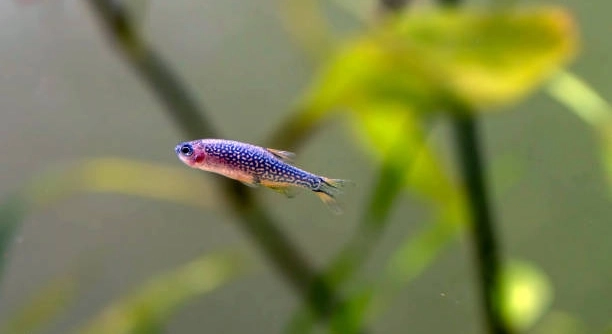
Feeding danios is always a lively moment in the aquarium. Watching their small bodies dart and swirl as they approach food can be both relaxing and engaging. Their reactions often reveal more than just hunger or interest in feeding.
Immediately after feeding, danios exhibit several observable behaviors. They may chase floating particles with precision, display rapid fin movements, gather in groups near the food source, and occasionally compete for larger pieces. These behaviors indicate activity levels, social interaction, and feeding efficiency.
Observing these reactions gives insight into your fish’s health, habits, and the overall dynamics of your aquarium environment. Paying attention ensures a balanced and thriving aquatic habitat.
Rapid Swimming After Feeding
After giving your danios food, you may notice a sudden burst of energy. They dart back and forth across the tank with quick, almost frantic movements. This behavior is normal and shows they are actively searching for food. Smaller flakes may float longer, prompting repeated passes through the same area. Sometimes, you will see them chase each other briefly, creating a small ripple of movement in the water. This is often paired with short stops to nibble on stray particles. Their fins flare slightly as they maneuver, making their colors more vivid. Observing this behavior over time can help you understand how your fish interact and compete for food. These bursts usually calm after several minutes, leaving the fish more evenly distributed across the tank. Rapid swimming indicates alertness, responsiveness, and overall activity levels, which are important for healthy growth and vitality in your danios.
This energetic display is a natural response to feeding and shows your fish are healthy and engaged.
Watching their movements helps identify patterns, aggression, and preferences in their feeding behavior. Recording these moments can guide adjustments in feeding schedules and amounts.
Group Feeding Behavior
Danios often gather tightly around the food source immediately after feeding.
They swim in synchronized patterns, occasionally nudging each other aside to reach flakes first. This grouping reduces as food diminishes, but early interactions are crucial. Dominant fish may edge out smaller ones temporarily, creating a clear hierarchy. You might notice quick lunges for larger pieces while others wait patiently for smaller particles. Over time, the group disperses, and swimming becomes more leisurely. Feeding behavior offers insight into social structures, helping you maintain balance in the tank. Paying attention to these dynamics ensures no fish are consistently left hungry. Tracking their interactions also reveals stress points or over-competition. Adjusting feeding techniques, such as spreading food across the tank or using smaller portions more frequently, can reduce aggressive behavior and support calmer, healthier feeding sessions. Well-fed danios show stable, bright colors and active swimming even after the initial frenzy subsides.
Color Intensification
Danios often appear brighter right after feeding. Their colors become more vivid as blood flow increases and fins flare during movement. This change is temporary but noticeable, reflecting excitement and active metabolism.
The intensification of color occurs because feeding stimulates circulation and energy in the fish. As they swim quickly and compete for food, their natural pigments are more pronounced, making the patterns on their scales easier to see. This effect is especially visible in tanks with proper lighting and clean water. Watching this change can help identify healthy, well-nourished fish versus those that may be stressed or unwell. Color changes can also indicate maturity and readiness for breeding in certain species, offering insight into overall vitality. Regular observation helps track subtle shifts that could indicate diet or environmental needs.
Bright colors after feeding are not only visually appealing but also serve as indicators of well-being. Healthy danios will maintain this vibrancy consistently, while dullness may suggest dietary or environmental adjustments are needed.
Fin Display
After feeding, danios often spread and flare their fins while swimming.
This behavior signals alertness and readiness for movement. The flared fins help with balance during rapid changes in direction while they chase food. Occasionally, fins remain extended briefly, showing confidence and territorial awareness among the group.
Flaring fins also improve maneuverability when competing for flakes or pellets. Dominant fish may display longer or more dramatic fin extensions, asserting presence without physical confrontation. Subtle differences in fin display between individuals reveal hierarchy and temperament. Over time, these behaviors become predictable, allowing for better feeding strategies. Observing which fish consistently flare first or chase most aggressively helps ensure even distribution of food. Proper tank size and spacing can reduce stress and allow all fish to display natural fin movements freely, contributing to healthier, more active swimming patterns.
Surface Feeding
Danios quickly gather at the water surface after food is added. They skim floating flakes efficiently, often moving in tight groups.
This behavior allows them to access the most accessible food first. Surface feeding is common and indicates healthy appetite and coordination among the fish.
Short Bursts of Darting
After detecting food, danios often make sudden, rapid movements in short bursts. This darting helps them reach flakes before others and prevents competition from dominating smaller fish. Observing these movements reveals energy levels and agility. Over time, recognizing each fish’s speed helps adjust feeding techniques for balanced access and reduces stress. Consistent darting is a sign of healthy, active fish, while lethargic movements may indicate illness or insufficient diet. Tracking burst patterns allows for better tank management and ensures that all fish can feed properly without excessive chasing or aggression.
Bubble Chasing
Some danios chase air bubbles released during feeding. This adds playful activity and engages their hunting instincts, making feeding more interactive.
FAQ
Why do my danios swim so fast after feeding?
Danios are naturally active fish, and feeding stimulates their energy. Rapid swimming helps them reach food quickly and compete with other fish. This behavior also improves circulation and signals overall health. Short bursts of speed are normal, especially in groups, and usually calm after a few minutes. Observing these patterns can indicate whether your fish are energetic and well-nourished or if there are signs of stress or illness in the tank.
Why do they gather in one spot during feeding?
Danios often cluster around food because it is concentrated in a specific area. This grouping behavior ensures they all have access, but dominant fish may edge out smaller ones temporarily. Over time, they learn the feeding routine, and the clustering becomes predictable. Spreading food across the tank can reduce competition and allow shy or slower fish to feed comfortably. Watching this behavior helps you monitor social interactions and ensure all fish get enough nutrition.
Why do my danios’ colors look brighter after feeding?
Feeding increases circulation and activity, which temporarily intensifies the colors of your fish. Their fins flare, and scales become more vivid as they swim and compete for food. Bright colors after feeding are a good sign of health and energy. If colors remain dull even after feeding, it could indicate a nutritional deficiency or stress. Proper lighting, clean water, and a balanced diet help maintain consistent vibrancy in your danios’ appearance.
Why do they flare their fins after eating?
Fin flaring during feeding is a natural display of alertness and movement control. Extended fins help balance during rapid swimming and competition for food. Dominant fish may flare more to assert presence without aggression, while less assertive fish may display minimal fin extension. Observing these patterns helps identify social hierarchy and temperament. Ensuring adequate space in the tank allows all fish to display natural fin behavior without stress, supporting healthier, more confident swimming.
Why do they chase bubbles during feeding?
Some danios are attracted to bubbles created by water movement or feeding tools. Bubble chasing is playful and engages their natural hunting instincts. This behavior encourages movement and mental stimulation. It is harmless and often occurs alongside darting or surface feeding. Observing these interactions helps you understand each fish’s activity level and curiosity. Adding floating food or gentle water currents can enhance this playful behavior without causing stress.
Why do some fish miss the food entirely?
Danios vary in speed, size, and assertiveness. Slower or less dominant fish may miss flakes when others dart in quickly. Dispersing food in multiple areas of the tank or using smaller portions more frequently ensures all fish have access. Tracking which fish consistently miss meals helps adjust feeding strategies to prevent nutritional gaps. Maintaining a balanced diet and calm environment reduces competition stress and supports the health of the entire group.
How long do danios feed after food is added?
Typically, feeding lasts a few minutes, depending on the number of flakes or pellets and the size of the group. Most fish finish quickly, while smaller or shy fish continue nibbling afterward. Observing feeding duration can indicate appetite and energy levels. Prolonged feeding or excessive aggression may suggest overfeeding or poor distribution, while very short feeding may indicate low activity or stress. Adjusting the amount, timing, and placement of food helps maintain a calm, healthy feeding routine.
What should I do if one danio consistently eats more than others?
Monitor feeding closely and consider dividing food across different areas to prevent a single fish from dominating. Using a feeding ring or small portions encourages even distribution. Observing eating patterns helps identify assertive or aggressive fish and ensures all individuals receive proper nutrition. Maintaining tank balance and watching social interactions reduces stress and promotes healthy growth in all your danios.
Can feeding behavior indicate health issues?
Yes, changes in feeding behavior often reflect health. Lethargic swimming, lack of interest in food, or consistently being outcompeted can signal illness or dietary deficiencies. Rapid darting or unusual aggression may also suggest stress. Regular observation of feeding patterns provides insight into physical and social health, allowing timely adjustments to diet, water conditions, or tank environment. Tracking these behaviors ensures your fish remain active, well-fed, and healthy over time.
How often should I feed my danios?
Feeding twice daily with small, manageable portions is ideal. Overfeeding can lead to uneaten food, water quality issues, and obesity. Consistent feeding schedules help maintain regular activity and predictable behaviors. Observing how your danios respond to each feeding session helps refine portion sizes and timing to meet the group’s needs efficiently. Adjusting based on activity and appetite keeps the tank balanced and your fish healthy.
Final Thoughts
Feeding danios offers more than just nourishment; it provides a clear window into their behavior, health, and interactions. Observing how they respond immediately after food is added can reveal energy levels, social hierarchy, and even potential stress points in the tank. Rapid swimming, surface feeding, and darting bursts are all natural responses that indicate alertness and engagement. These movements show that your fish are active and that the food you provide meets their dietary needs. Over time, familiar patterns emerge, helping you understand each fish’s personality, preferences, and feeding style. Recognizing these behaviors allows for better care, ensuring that all fish are well-fed without excessive competition or stress. The way danios cluster, chase bubbles, or flare fins provides insight into both individual tendencies and group dynamics. Consistent observation creates opportunities to adjust feeding methods, tank layout, and portion sizes, improving the overall environment for every fish in the aquarium. Paying attention to these details can make routine feeding a more informative and rewarding experience.
Color changes and fin displays are additional indicators of well-being. When danios appear brighter or flare their fins, it reflects proper circulation, alertness, and confidence. Healthy fish will maintain vivid coloration and energetic movements, while dullness, lethargy, or disinterest can signal dietary or environmental issues. Feeding behavior is closely tied to these visual cues. For instance, rapid darting followed by calm swimming indicates a balanced reaction to food, while prolonged hiding or hesitation may indicate stress or illness. These subtle signals provide valuable feedback for tank maintenance and nutrition planning. Paying attention to fin displays, swimming patterns, and how the group disperses after feeding can guide adjustments to food distribution and tank enrichment. Such observations help ensure all fish receive equal access to food, reducing aggressive interactions and maintaining harmony. By integrating these behavioral insights into your care routine, you can support a healthier, more active aquarium.
Finally, feeding sessions are an opportunity to monitor and enhance the overall tank environment. Consistent routines, appropriate portion sizes, and the strategic placement of food all contribute to healthier interactions and sustained activity levels. Small adjustments, like spreading flakes across the tank or using feeding tools to control portions, can prevent dominant fish from monopolizing food and reduce stress among smaller or shy individuals. Watching how danios respond to feeding allows you to identify both strengths and weaknesses in the current setup. Over time, these observations can guide water quality maintenance, dietary improvements, and tank organization, all of which support long-term fish health. By paying close attention to these feeding behaviors, you gain insight into both individual and group dynamics, helping you create a balanced, thriving aquarium environment. Feeding becomes not just a routine task but a way to ensure vitality, social harmony, and well-being for every fish under your care.

Hello,
If you enjoy the content that we create, please consider saying a "Thank You!" by leaving a tip.
Every little bit helps us continue crafting quality advice that supports the health, happiness, and well-being of pets around the world, for pets of all shapes, sizes, and species.
We really appreciate the kindness and support that you show us!