
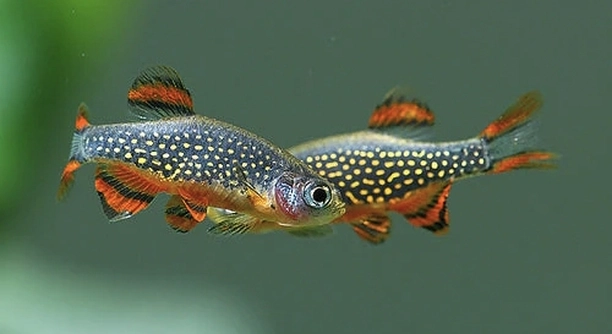
Raising Celestial Pearl Danio fry can be a rewarding experience for any aquarist, yet it comes with specific challenges. From delicate care requirements to environmental sensitivity, these tiny fish demand attention and patience in their early stages of life.
Successfully raising Celestial Pearl Danio fry involves careful monitoring of water conditions, feeding schedules, and tank environment. Maintaining stable temperatures, preventing overcrowding, and ensuring optimal nutrition are critical factors for promoting healthy growth and reducing mortality during their vulnerable developmental period.
Understanding these challenges will help you provide a safe and supportive environment for your fry. Proper care can make a significant difference in their survival and growth.
Water Quality Sensitivity
Celestial Pearl Danio fry are extremely sensitive to water conditions. Even minor fluctuations in temperature, pH, or ammonia levels can stress them, leading to poor growth or mortality. I found that using a sponge filter helps maintain gentle water flow, keeping fry safe while providing aeration. Regular water changes, about 10–15% daily, help keep the environment stable without shocking them. Testing water parameters consistently ensures that ammonia, nitrites, and nitrates remain at safe levels. Fry are particularly vulnerable during the first few weeks, so keeping the water clean is essential for survival. Avoid overcrowding the tank, as excess waste can quickly degrade water quality, increasing stress and susceptibility to disease. Plants and moss can improve water quality naturally by absorbing nitrates and offering hiding spots. Observing the fry daily allows early detection of stress, which can save their lives. Patience and consistent care are key to keeping the water environment optimal.
Maintaining stable water conditions prevents stress and supports healthy fry development. Consistency is more important than frequent, large interventions.
Monitoring water quality daily ensures that the fry thrive and develop properly. Small adjustments prevent serious health issues.
Feeding Challenges
Feeding Celestial Pearl Danio fry requires careful attention to quantity and frequency. Overfeeding can pollute the water, while underfeeding can stunt growth. Newly hatched fry need microscopic food like infusoria or commercially prepared liquid fry food. As they grow, I gradually introduce finely crushed flakes or micro pellets. Feeding small amounts multiple times a day keeps the fry nourished without overwhelming the tank. Observation is key—uneaten food should be removed promptly to maintain water quality. Fry have tiny mouths and cannot compete with larger fish, so isolation or a separate breeding tank ensures all receive adequate nutrition. Rotating food types helps provide a balanced diet rich in protein and essential nutrients. Live foods, such as baby brine shrimp, are highly beneficial for growth and activity levels. Preparing and portioning food in advance makes feeding manageable and reduces stress for both the fry and the caretaker.
Consistent and measured feeding supports growth and reduces mortality. Avoiding overfeeding is crucial.
Proper feeding practices not only ensure survival but also promote healthy coloration and strong development, making fry more resilient.
Tank Size and Space
Providing adequate space is essential for Celestial Pearl Danio fry. Small tanks can quickly become crowded, increasing stress and stunting growth. A 10-gallon tank is often the minimum for a healthy group. Plants and moss give hiding spots, reducing aggression and competition.
A larger tank allows fry to swim freely and establish territories. Overcrowding leads to rapid water quality deterioration, which can cause disease or death. I make sure to keep the population low and provide plenty of plants to create visual barriers. Open swimming areas combined with dense vegetation help fry explore while staying safe from stress. Monitoring the number of fry as they grow ensures the tank remains spacious enough. Separating larger or more aggressive fry prevents bullying and ensures uniform growth. Adequate space also makes feeding easier, as each fry can access food without being outcompeted by others.
When designing a fry tank, consider both water volume and layout. Balancing open swimming areas with plants reduces stress, encourages healthy growth, and prevents territorial disputes. Providing multiple hiding spots ensures shy fry are not left out. Using gentle filtration helps maintain clean water without creating strong currents that can tire small fry. As they grow, gradually increasing space or moving them to a larger tank supports development. Keeping a manageable number of fry per tank is a practical approach.
Disease Prevention
Maintaining hygiene prevents common fry illnesses. Dirty water or leftover food encourages bacterial growth, which can infect fry. I clean the tank regularly and remove uneaten food promptly to avoid outbreaks.
Quarantining new additions is important. Even a single infected fish can introduce pathogens to the tank. Using a separate rearing area for fry reduces exposure to adult fish diseases. Observing fry daily helps identify early signs of illness, such as lethargy, fin damage, or abnormal swimming patterns. Temperature fluctuations or poor water quality can weaken their immune systems, making disease more likely. I found that mild treatments with safe antifungal or antibacterial solutions prevent minor infections from spreading. Balanced nutrition also strengthens immune defenses, reducing susceptibility to common fry ailments. Keeping equipment clean and avoiding cross-contamination between tanks supports long-term health and survival.
Routine monitoring, proper tank sanitation, and careful quarantine practices form the foundation for healthy fry. Combining these measures with stable water and balanced feeding reduces stress and prevents most preventable diseases. Ensuring all tools and nets are sanitized avoids accidental transmission of pathogens. Small adjustments, like removing decaying plants or debris, further reduce microbial growth. Maintaining a calm, stable environment limits stress-induced vulnerability, which is often the first step toward illness. Consistency in these practices helps the fry develop strong immune systems and thrive in their environment.
Temperature Fluctuations
Celestial Pearl Danio fry are sensitive to sudden changes in temperature. Even small drops or spikes can stress them, slowing growth or causing illness. Using a reliable heater and thermometer helps maintain consistent conditions.
Gradual adjustments are essential when changing water or moving fry between tanks. Rapid shifts increase vulnerability to disease. I always acclimate fry slowly, matching new water conditions closely to the old environment. Keeping the tank in a stable room, away from drafts or direct sunlight, also helps prevent fluctuations. Stable temperatures promote steady growth and stronger immune systems, reducing the risk of stress-related mortality.
Light and Photoperiod
Proper light conditions support healthy development. Too much direct light stresses fry, while too little slows activity. I keep the tank on a consistent day-night schedule.
Tank Decorations
Plants, moss, and hiding spots are critical for fry safety. They reduce stress and prevent bullying. Dense planting allows shy fry to thrive while giving open areas for swimming and exploration.
Breeding Stock Quality
Starting with healthy, high-quality parents increases fry survival rates. Poor genetics or unhealthy adults lead to weaker offspring. Choosing strong, disease-free breeders is key for long-term success.
FAQ
How often should I feed Celestial Pearl Danio fry?
Feeding small amounts multiple times per day is best. Newly hatched fry need microscopic foods like infusoria or liquid fry food. As they grow, finely crushed flakes or micro pellets can be introduced. Remove uneaten food promptly to maintain water quality and prevent stress.
What water parameters are ideal for fry survival?
Fry thrive in stable water with a pH around 6.5–7.5 and a temperature between 24–26°C (75–79°F). Ammonia and nitrites should always be zero, while nitrates should remain under 20 ppm. Regular testing ensures the environment remains safe for delicate fry.
Do fry need a separate tank?
Yes, a separate breeding or rearing tank reduces competition with adults and prevents accidental predation. It also allows better control of feeding, water quality, and environmental conditions, which are crucial for healthy growth.
Can I use live plants with fry?
Live plants and moss are highly recommended. They provide hiding spots, improve water quality by absorbing nitrates, and reduce stress by giving fry safe areas to explore. Dense planting is particularly helpful for shy or smaller fry.
How do I prevent disease in fry?
Maintain strict hygiene by removing uneaten food and cleaning the tank regularly. Quarantine new additions and avoid sharing nets or tools between tanks. Balanced nutrition and stable water parameters also strengthen immune systems, reducing susceptibility to infections.
What is the best tank size for fry?
A 10-gallon tank is generally sufficient for a small group. Larger tanks offer more swimming space and help maintain stable water conditions. Overcrowding should be avoided, as it increases stress, aggression, and waste buildup, which can be harmful.
How important is temperature stability?
Temperature fluctuations can severely stress fry, slowing growth or causing illness. Using a reliable heater and thermometer, placing the tank in a stable room, and acclimating fry slowly to new water conditions all help maintain a consistent environment.
Can fry grow without live food?
While live food like baby brine shrimp supports rapid growth and activity, finely crushed flakes or micro pellets can sustain fry if live options are unavailable. Rotating food types ensures balanced nutrition and encourages proper development.
When should I start feeding larger foods?
Gradually introduce crushed flakes or micro pellets once fry are visibly larger and capable of consuming bigger particles. Start small and monitor growth to ensure all fry can access the food without competition from stronger individuals.
How do I know if my fry are stressed?
Signs of stress include lethargy, erratic swimming, fin clamping, or loss of appetite. Stress is often caused by poor water quality, overcrowding, sudden temperature changes, or insufficient hiding places. Promptly addressing these factors improves survival and development.
Is it necessary to separate larger fry from smaller ones?
Yes, separating larger or more aggressive fry prevents bullying and ensures smaller fry receive adequate food. Unequal growth can occur if stronger fry dominate, leading to stunted development or increased mortality for weaker individuals.
How long does it take for fry to mature?
Celestial Pearl Danio fry usually reach juvenile stage in about 6–8 weeks under optimal conditions. Full maturity, including coloration and breeding capability, typically occurs around 6–8 months, depending on diet, water quality, and overall care.
Can overcrowding affect fry health?
Overcrowding increases stress, promotes aggression, and accelerates water quality deterioration. Each fry requires space to swim and explore safely. Ensuring appropriate tank size and plant cover prevents territorial disputes and reduces mortality.
Should I use a filter for fry tanks?
A gentle sponge filter is ideal. It provides aeration and water circulation without creating strong currents that can exhaust small fry. Filters also help maintain water quality by supporting beneficial bacteria while keeping fry safe.
How do I handle water changes for fry?
Perform small, frequent water changes, about 10–15% daily. Sudden, large changes can shock fry. Always match new water temperature and parameters closely to the existing tank to minimize stress and maintain stability.
Can fry live with adult fish?
It is not recommended. Adult fish may eat or outcompete fry for food. Using a separate tank ensures better survival rates, reduces stress, and allows more precise control over feeding and environmental conditions.
How can I improve fry coloration?
Balanced nutrition with protein-rich foods like baby brine shrimp or specialized fry food enhances coloration. Stress-free conditions, stable water parameters, and proper lighting also contribute to vibrant, healthy fish as they grow.
Is it necessary to remove uneaten food immediately?
Yes, leftover food can decay quickly, producing ammonia and promoting bacterial growth. Prompt removal prevents water quality issues, stress, and disease, which are major factors in fry mortality.
How do I know when fry are ready for a larger tank?
Fry are ready when they can swim confidently, eat larger foods, and are visibly larger than their initial stage. Gradually moving them ensures minimal stress and allows the new tank to support growth effectively.
What are the most common mistakes in raising fry?
Common errors include overfeeding, overcrowding, inconsistent water parameters, lack of hiding spots, and introducing unquarantined fish. Avoiding these mistakes increases survival, encourages steady growth, and promotes healthier, more resilient Celestial Pearl Danio fry.
How important is observation in fry care?
Daily observation is critical. Monitoring swimming behavior, feeding, and growth allows early detection of stress, disease, or environmental issues. Quick intervention improves survival rates and ensures fry develop properly into healthy, vibrant fish.
Can fry survive in unheated tanks?
Unheated tanks can slow growth and make fry vulnerable to disease, especially in cooler climates. Consistent temperatures using a reliable heater support metabolism, activity, and overall health during the early developmental stages.
What type of substrate is best for fry tanks?
Fine sand or smooth gravel is ideal. It prevents injury to delicate fry while allowing plants to root. Avoid sharp or large substrates that can trap food or harm small fry during exploration.
How do I encourage fry to eat more actively?
Offering live food or finely crushed pellets in small, frequent portions encourages feeding. Moving food gently and providing multiple spots in the tank allows all fry to access it without competition. Gradually increasing food size supports growth.
Are there signs of poor nutrition in fry?
Indicators include slow growth, pale coloration, lethargy, or deformities. Ensuring a varied diet with protein-rich foods and proper feeding frequency prevents these issues and promotes strong, healthy development.
Can stress affect fry development long-term?
Yes, prolonged stress can stunt growth, weaken immune systems, and increase susceptibility to disease. Maintaining stable water, providing hiding spots, and controlling overcrowding minimizes stress and supports healthy, long-term development.
How often should I test water parameters?
Daily testing of ammonia, nitrite, nitrate, and temperature is recommended during the first few weeks. Frequent monitoring ensures early detection of changes that could harm fry and allows timely corrective action.
What is the best lighting for fry tanks?
Moderate, consistent lighting supports growth without causing stress. Too bright or direct light can make fry skittish, while very dim light slows activity. A regular day-night cycle helps maintain natural behavior and feeding patterns.
Can I mix different fry batches in one tank?
Mixing different batches is risky. Variations in size, age, or health can lead to competition and stress. Keeping batches separate ensures uniform growth, easier feeding management, and better survival rates for all fry.
Is it necessary to aerate the fry tank?
Yes, gentle aeration ensures oxygen levels remain adequate. Sponge filters provide mild water flow and oxygenation without creating strong currents that could tire small fry or cause them to hide excessively.
How do I know if my fry tank is overpopulated?
Signs include crowded swimming, aggressive behavior, slowed growth, and rapid water quality deterioration. Maintaining appropriate fry density prevents stress, promotes healthy growth, and reduces mortality.
Should I use tap water or RO water for fry?
Tap water is acceptable if properly treated and parameters are stable. RO water can be used with mineral supplementation to maintain proper hardness and pH. Testing water ensures safety for delicate fry.
How can I reduce aggression among fry?
Providing dense planting, multiple hiding spots, and open swimming areas helps reduce competition. Separating larger or more aggressive individuals further ensures that weaker fry can feed and grow without being bullied.
What is the ideal fry-to-food ratio?
Offer small amounts frequently, ensuring all fry have access. Food should be consumed within minutes to avoid water pollution. Adjust portion size as fry grow, increasing gradually to match appetite and size.
How do I prepare for fry growth spurts?
Monitor growth weekly and adjust tank conditions, feeding, and space accordingly. Adding plants, increasing feeding portions, or moving fry to larger tanks prevents overcrowding and ensures steady, healthy development.
Can fry survive on flake food alone?
Flakes can sustain growth if crushed finely and fed appropriately, but live foods enhance health, coloration, and activity levels. Combining flake and live options provides a balanced diet for optimal development.
How do I handle sick fry?
Isolate affected fry immediately to prevent spread. Identify the issue, adjust water parameters, and treat with safe antifungal or antibacterial solutions if needed. Maintaining hygiene and stable conditions supports recovery and prevents further illness.
Are there signs that fry are thriving?
Healthy fry are active, evenly colored, and feed readily. They swim confidently, show steady growth, and explore their environment. Monitoring these indicators confirms that care practices are effective and fry are developing properly.
How long should I maintain a dedicated fry tank?
Keep fry in a separate, carefully maintained tank until they are large enough to compete safely in a community or adult tank. This period typically lasts several weeks, depending on growth rate and size uniformity.
Can stress from water changes affect fry?
Yes, sudden or large changes can shock fry. Using small, frequent water changes and matching temperature and parameters minimizes stress, ensuring stable growth and reducing mortality.
How important is consistency in fry care?
Consistency in feeding, water quality, temperature, and observation is critical. Irregular care increases stress, slows growth, and heightens disease risk. Regular routines create a stable environment, allowing fry to thrive and develop into healthy adults.
What tools are essential for fry care?
Reliable thermometer, sponge filter, fine net, water testing kits, and containers for quarantining or transferring fry are essential. Clean, dedicated tools prevent disease spread and maintain consistent care practices.
How do I transition fry to adult tanks?
Acclimate fry gradually to new water conditions. Ensure sufficient space, hiding spots, and compatible tank mates. Monitor behavior and feeding closely to prevent stress and support continued healthy growth.
Can poor water circulation harm fry?
Yes, stagnant water can reduce oxygen levels and promote waste buildup. Gentle filtration ensures adequate aeration without creating strong currents that exhaust or stress delicate fry.
How do I encourage uniform growth among fry?
Feed small amounts frequently, provide sufficient space, and separate overly aggressive or large fry. Dense planting reduces competition and allows weaker fry to access food safely. Uniform growth ensures healthier and more robust adults.
Are fry sensitive to chemicals in tap water?
Yes, chlorine and chloramine can be harmful. Always treat tap water with a dechlorinator or use safe, pre-conditioned water to prevent chemical stress and ensure survival during early development.
Can overcrowding affect water quality more than feeding?
Yes, even with proper feeding, high fry density accelerates waste accumulation, leading to ammonia spikes and stress. Maintaining appropriate stocking density is essential to protect water quality and promote healthy growth.
Is observing fry behavior as important as monitoring water?
Absolutely. Behavior indicates stress, disease, or feeding issues before they show in water tests. Daily observation allows timely intervention and ensures fry remain healthy and active.
What is the best strategy for long-term fry health?
Consistent feeding, stable water, adequate space, proper hygiene, and careful observation form the foundation. Combining these practices supports growth, coloration, and immune strength, giving fry the best chance to thrive.
How often should I clean the fry tank?
Remove debris and perform small, frequent water changes. Avoid over-cleaning, which can disturb beneficial bacteria. Maintaining balance between cleanliness and environmental stability promotes healthy development.
Can fry survive without hiding spots?
Fry without adequate cover are more stressed, leading to slower growth and higher mortality. Plants, moss, or artificial decorations provide security, reduce aggression, and encourage natural behavior.
Is it necessary to separate different species of fry?
Yes, different species may have varying growth rates, dietary needs, or aggression levels. Keeping them separate ensures proper care, reduces competition, and prevents predation, improving survival rates for all fry.
How do I deal with uneven growth in fry batches?
Separate larger, faster-growing fry to prevent them from outcompeting smaller individuals. Adjust feeding and provide adequate hiding spots to support weaker fry, ensuring more uniform development and better overall survival.
How can I support fry during molting or early developmental stages?
Maintain stable water conditions, provide high-quality nutrition, and minimize stress. Delicate fry are vulnerable during growth phases, so gentle care and consistent observation help them progress safely to juvenile stages.
Can fry survive in cooler temperatures for short periods?
Brief exposure may slow metabolism and growth but can increase susceptibility to disease. Keeping water consistently within the ideal temperature range ensures proper development and reduces stress.
What is the effect of overcrowding on fry feeding behavior?
Overcrowding increases competition for food, causing smaller fry to be outcompeted. Providing multiple feeding points, dense planting, and occasional separation ensures all fry receive sufficient nutrition for healthy growth.
How do I maintain fry tank hygiene without stressing fish?
Use gentle sponge filtration, remove uneaten food daily, and perform small water changes. Avoid strong currents or sudden changes. Observing fry during maintenance prevents accidental harm and keeps the environment stable.
Can fry survive sudden light changes?
Sudden bright light can stress fry, making them hide or refuse food. Gradual changes and a consistent day-night cycle promote natural behavior, healthy feeding, and growth.
Are microfoods better than commercial flakes for young fry?
Microfoods are easier for tiny fry to consume and digest. While crushed flakes work for slightly older fry, live or liquid microfoods support initial growth and development more effectively.
How long should I wait to introduce fry to community tanks?
Wait until fry are large enough to avoid predation, can eat adult-sized foods, and exhibit confident swimming behavior. Gradual acclimation minimizes stress and ensures higher survival rates.
Can uneven tank decorations affect fry development?
Yes, too few hiding spots can increase stress, while overly dense areas may restrict swimming. Balanced decoration supports exploration, reduces aggression, and encourages uniform growth among fry.
What is the most common reason for fry mortality?
Poor water quality, overfeeding, overcrowding, and sudden environmental changes are the main factors. Maintaining stable, clean, and properly stocked conditions significantly reduces mortality and improves survival.
How important is consistent feeding time?
Feeding at regular times helps fry establish routines, reduces stress, and ensures all fry have equal access to food, promoting steady growth and healthy development.
Should I adjust feeding based on fry activity?
Yes, active fry may require slightly more frequent feedings, while lethargic fry indicate possible stress or water quality issues. Observing behavior helps fine-tune feeding schedules for optimal growth.
Is it necessary to track fry growth individually?
Tracking individual growth is helpful for large batches. It identifies weaker fry early, allowing separation or special care to ensure more uniform development and higher survival rates.
Can fry survive in water with fluctuating hardness?
Stable water hardness is preferred. Sudden changes can stress fry and impact growth. Gradual adjustments or pre-conditioning water ensures fry remain healthy.
How do I encourage shy fry to feed?
Providing multiple feeding spots, dense planting, and gentle food placement reduces competition and encourages timid fry to eat. Small, frequent portions prevent dominance by stronger fry.
Are fry affected by strong currents?
Yes, strong currents exhaust fry and make feeding difficult. Gentle sponge filtration provides circulation without overexerting small fry. Observing flow ensures fry remain active but safe.
Can poor-quality water affect fry coloration?
Yes, unstable or polluted water can dull coloration, stress fry, and slow development. Maintaining clean, stable conditions along with proper nutrition enhances natural colors.
Is it necessary to separate sick fry immediately?
Yes, isolating sick fry prevents disease spread and allows targeted treatment. Early action improves recovery chances and protects the health of remaining fry.
How do I prevent fungal infections in fry?
Maintain hygiene, stable water, and remove decaying food. Quarantine new additions and observe fry closely. Balanced nutrition and gentle care reduce susceptibility to fungal growth.
Can overcrowding cause long-term developmental issues?
Yes, prolonged overcrowding leads to stunted growth, weakened immune systems, and increased stress. Providing sufficient space and monitoring population density supports healthy long-term development.
Should I use live food exclusively for fry?
Not exclusively, but live food is highly beneficial for early growth. Combining with finely crushed flakes ensures balanced nutrition and promotes healthy development.
How do I know if water changes are sufficient?
Monitoring ammonia, nitrite, and nitrate levels after changes indicates effectiveness. Small, frequent water changes prevent parameter spikes and maintain stability for delicate fry.
What is the best way to acclimate fry to new tanks?
Gradually match temperature and water parameters. Introduce small amounts of new water over time to reduce stress. Observing fry behavior during acclimation ensures a smooth transition.
Can fry survive in soft versus hard water?
Both can work if parameters are stable, but sudden shifts in hardness can stress fry. Pre-conditioning water and gradual adjustments help maintain healthy development.
How often should I clean filters in fry tanks?
Rinse sponge filters gently in tank water during routine maintenance. Avoid harsh cleaning, which can remove beneficial bacteria. Proper care maintains water quality without stressing fry.
Are artificial decorations safe for fry?
Yes, smooth plastics or silicone decorations provide hiding spots and enrichment. Avoid sharp edges that can injure delicate fry during swimming or exploration.
Can overcrowding affect fry growth rate?
Yes, high density increases competition for food and space, slowing growth. Proper stocking ensures equal access to food and reduces stress, promoting steady development.
What is the best practice for feeding live foods?
Offer small, frequent portions and ensure all fry can access them. Remove excess immediately to prevent water quality issues. Rotating live foods provides balanced nutrition.
How do I prevent mold or algae growth in fry tanks?
Maintain regular cleaning, avoid overfeeding, and ensure moderate light. Live plants help compete with algae and absorb nutrients, keeping the environment stable.
**Can fry survive in
Raising Celestial Pearl Danio fry is a delicate but rewarding experience that requires attention to detail and patience. These tiny fish are particularly sensitive during their early stages, making water quality, temperature stability, and proper feeding essential for their survival. Ensuring a stable environment with clean, well-maintained water reduces stress and encourages steady growth. Overcrowding and poor hygiene are two of the most common issues that lead to fry mortality, so careful planning of tank size and population density is critical. Providing sufficient hiding spots, whether through live plants or moss, allows shy fry to feel safe and reduces competition among individuals. Even small adjustments, such as gradual water changes or using a gentle sponge filter, can make a noticeable difference in their development. By understanding the basic requirements and addressing these challenges proactively, it is possible to create conditions that allow fry to thrive and grow into healthy, vibrant adult fish.
Feeding is another important aspect of raising fry. Newly hatched fry require very small, easily digestible foods, such as infusoria or liquid fry food, before transitioning to crushed flakes or micro pellets as they grow. Overfeeding or underfeeding can both have negative effects: excess food pollutes the water and increases the risk of disease, while insufficient nutrition slows growth and weakens immunity. Rotating different food types, including live options like baby brine shrimp, provides a balanced diet that supports strong development and healthy coloration. Observing the fry while they feed helps identify any individuals that may not be getting enough food, allowing for timely intervention. Careful attention to feeding practices, combined with stable water conditions and proper tank management, creates a foundation for strong fry growth and reduces the likelihood of preventable problems. Consistency and diligence in daily care routines are key to successful fry raising.
Monitoring fry behavior and health completes the cycle of care. Regular observation allows early detection of stress, illness, or abnormal growth patterns, which can be addressed before they become serious issues. Healthy fry are active, swim confidently, feed readily, and display vibrant coloration. Signs of stress or poor development should prompt review of water conditions, feeding schedules, and tank setup. Additionally, separating larger or more aggressive fry from smaller individuals prevents bullying and ensures more uniform growth across the batch. Patience is essential, as fry require time to develop fully into juveniles and eventually adults. By maintaining a consistent approach to water quality, nutrition, tank environment, and observation, raising Celestial Pearl Danio fry becomes a manageable and rewarding process. Following these careful practices increases survival rates and supports the development of strong, resilient fish capable of thriving in their aquatic environment.

Hello,
If you enjoy the content that we create, please consider saying a "Thank You!" by leaving a tip.
Every little bit helps us continue crafting quality advice that supports the health, happiness, and well-being of pets around the world, for pets of all shapes, sizes, and species.
We really appreciate the kindness and support that you show us!