
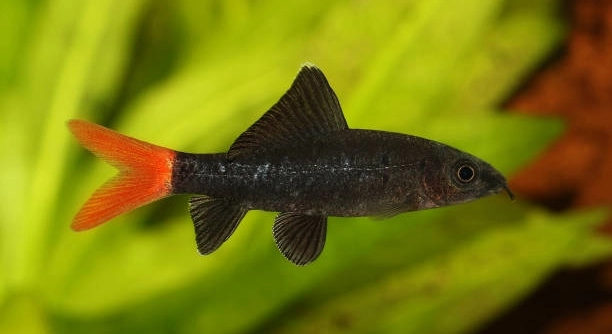
Are you thinking of adding a rainbow shark to your aquarium but feel unsure about what kind of environment it needs to thrive?
The rainbow shark’s natural habitat includes freshwater rivers with sandy bottoms, moderate currents, and dense vegetation. These fish prefer warm temperatures and slightly acidic to neutral water conditions, mimicking their native environment in Southeast Asia.
Learning about their natural surroundings will help you recreate a healthier, more comfortable aquarium space that supports their long-term well-being.
Rainbow Sharks Prefer Warm, Freshwater Rivers
Rainbow sharks are native to freshwater rivers in Southeast Asia, mainly Thailand. These rivers are warm, with temperatures between 75°F and 81°F. The water is clear and gently flowing, offering a calm but steady current. The riverbeds are sandy or muddy with scattered rocks and driftwood, giving the fish space to explore and hide. These rivers are rich in aquatic plants that provide both shelter and shade. Light levels are moderate, filtered through vegetation and overhanging trees. This natural setting helps regulate their behavior and supports healthy growth. Replicating these river-like features in an aquarium helps rainbow sharks feel more comfortable and active. A strong filtration system, stable water temperature, and dense plant coverage are essential to mimic this environment properly.
In the wild, rainbow sharks are bottom dwellers. They prefer swimming near the substrate and hiding in crevices or plant clusters to feel secure.
When setting up your tank, choose a soft substrate like sand, include smooth rocks, and create shaded areas using live plants or decorations. Avoid sharp objects that could injure them. Add driftwood or caves to mimic their natural hiding spots. Proper lighting should be moderate, not too bright or harsh. Aim to keep the water temperature consistent using a reliable heater. If your tap water is too hard, consider using a mix of distilled or reverse osmosis water to help keep the pH between 6.5 and 7.5. Also, ensure the current from your filter is not too strong. While rainbow sharks like some movement, high currents can cause stress. Recreating these conditions helps the fish stay active, less territorial, and better adjusted to their aquarium setting.
Dense Vegetation Offers Protection
Rainbow sharks use thick plants in the wild to hide from threats and avoid stress. The plants also offer a shaded area, reducing direct light exposure.
Aquatic plants are important for rainbow sharks because they provide shelter, reduce stress, and help maintain stable water conditions. In the wild, these fish spend time weaving through dense vegetation, hiding when they feel threatened, or simply resting. Live plants also help oxygenate the water and absorb harmful nitrates. For home aquariums, choosing plants like java fern, anubias, and hornwort can create a natural setup. These plants are hardy, easy to care for, and thrive in the same temperature range as rainbow sharks. Plants also break up the line of sight, helping to minimize aggression. The more hiding spaces and plant coverage you include, the more secure your rainbow shark will feel. This can lead to healthier behavior, improved coloration, and less fighting with other tank mates.
Rainbow Sharks Need Ample Space to Swim
Rainbow sharks are active swimmers and need enough space to feel secure. A tank that’s too small can make them territorial and aggressive, especially as they grow.
A single rainbow shark should be kept in a tank that’s at least 55 gallons. Smaller tanks limit movement and increase stress, which often causes the shark to lash out at other fish. They are territorial by nature and need room to claim their own area. A long tank with horizontal space is best since these fish swim along the bottom. Adding caves and plants helps break up the space and reduce visibility, which lowers conflict. Avoid housing more than one rainbow shark unless the tank is very large and has multiple hiding spots. Keeping them alone or with peaceful mid-to-top level fish can help maintain balance.
Overcrowding can quickly create issues. Not only does it increase aggression, but it also makes it harder to maintain water quality. Waste builds up faster, oxygen levels may drop, and stress levels rise for every fish in the tank. With limited territory, rainbow sharks may start chasing or nipping at tank mates. Even peaceful fish can become defensive under pressure. Providing enough room and planning your stocking carefully allows the rainbow shark to claim its space without conflict. A larger tank also gives you more flexibility to add compatible species in the future. When space is respected, these fish are more relaxed and visually striking.
Rainbow Sharks Are Sensitive to Water Conditions
These fish are very sensitive to poor water quality. Ammonia, nitrites, and fluctuating pH levels can cause stress or illness quickly, even if the tank looks clean from the outside.
A proper filtration system is essential. Weekly water changes and regular testing help maintain stability and prevent sudden changes.
Rainbow Sharks Dislike Bright Lighting
Bright lighting causes stress and can make rainbow sharks hide more often. In their natural habitat, light is filtered through plants and water.
To keep them comfortable, use dim or adjustable lighting. Adding floating plants helps block strong light and provides a more natural, shaded environment.
Rainbow Sharks Can Become Aggressive
Aggression often happens when rainbow sharks feel crowded or threatened. Keeping the tank calm, spacious, and filled with hiding spots helps prevent this behavior.
What water temperature is best for rainbow sharks?
Rainbow sharks thrive in warm water, ideally between 75°F and 81°F. Maintaining a steady temperature within this range is important for their health. Sudden changes can cause stress, weaken their immune system, and lead to illness. Using a reliable aquarium heater and thermometer helps keep conditions stable.
How much space does a rainbow shark need in an aquarium?
A minimum tank size of 55 gallons is recommended for one rainbow shark. They are active swimmers and need plenty of horizontal space to move around. A cramped tank increases stress and territorial behavior. Adding plants and hiding spots reduces aggression and helps them feel secure.
Can rainbow sharks live with other fish?
Rainbow sharks can live with other fish if the tank is large enough and includes hiding places. Avoid keeping more than one rainbow shark in a small tank, as they are territorial and may fight. Peaceful fish that occupy different tank levels are better companions.
What type of substrate is best for their habitat?
A soft, sandy substrate is best. Rainbow sharks spend much of their time near the bottom, and rough or sharp gravel can injure their sensitive fins and barbels. Sand mimics their natural riverbed environment and helps prevent damage.
How important is vegetation in their tank?
Vegetation is very important. Thick aquatic plants provide shelter and reduce stress by giving them places to hide. Plants also help maintain water quality by absorbing nitrates and oxygenating the water. Hardy plants like java fern and anubias work well in rainbow shark tanks.
How often should I change the water?
Weekly water changes of about 20-30% help keep the water clean and balanced. This reduces harmful chemicals like ammonia and nitrites that build up over time. Frequent water changes are crucial because rainbow sharks are sensitive to poor water conditions.
What should I feed a rainbow shark?
Rainbow sharks are omnivores and need a balanced diet. High-quality sinking pellets designed for bottom feeders form the base of their diet. Supplement with live or frozen foods like bloodworms, brine shrimp, and vegetables such as zucchini or peas. Feeding twice daily in small amounts helps prevent overfeeding.
Why does my rainbow shark act aggressively?
Aggression usually stems from overcrowding, lack of hiding spaces, or incompatible tank mates. Rainbow sharks are territorial by nature, so providing enough room and visual barriers like plants or decorations helps reduce fighting. Separating aggressive individuals may be necessary in some cases.
Can rainbow sharks jump out of the tank?
Yes, rainbow sharks can jump if startled or stressed. Make sure your tank has a secure lid to prevent escapes. Sudden loud noises, bright lights, or changes in water quality can cause them to jump.
How long do rainbow sharks live?
With proper care, rainbow sharks can live between 5 and 8 years. Maintaining stable water conditions, providing enough space, and feeding a balanced diet all contribute to a longer, healthier life for these fish.
Taking care of rainbow sharks means understanding their natural needs and creating an environment that suits them. Their native habitat includes warm, freshwater rivers with sandy bottoms, moderate currents, and plenty of vegetation. Reproducing these conditions in an aquarium helps keep them healthy and less stressed. Temperature control, water quality, and space are all important factors. It is not just about having a pretty tank but making sure it matches what the fish are used to. This makes a difference in how well they adapt and thrive.
Rainbow sharks are active fish that need room to swim and places to hide. They can become aggressive if they feel crowded or threatened. Offering a large enough tank with plants, caves, and soft substrates gives them comfort and helps reduce fighting. The right setup allows them to behave naturally and stay calm. Keeping only one or carefully choosing tank mates also helps prevent stress and aggression. Regular water changes and proper filtration maintain clean water, which is essential because these fish are sensitive to poor conditions.
Overall, caring for rainbow sharks takes attention and effort but is rewarding. When their environment mimics their natural habitat, they show better colors and behavior. Providing warmth, hiding spots, space, and good water quality supports their health and happiness. Remembering these basic needs makes it easier to care for them long-term. With proper care, rainbow sharks can be beautiful and lively additions to a home aquarium.

Hello,
If you enjoy the content that we create, please consider saying a "Thank You!" by leaving a tip.
Every little bit helps us continue crafting quality advice that supports the health, happiness, and well-being of pets around the world, for pets of all shapes, sizes, and species.
We really appreciate the kindness and support that you show us!