
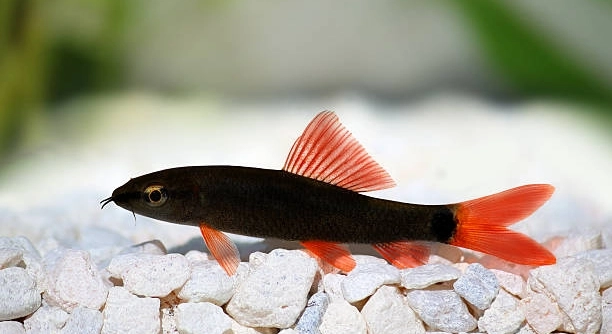
Are your rainbow sharks growing faster than you expected? These colorful fish can quickly outgrow their tanks if not monitored carefully. Keeping them comfortable and healthy means paying close attention to their size and behavior over time.
Rainbow sharks showing signs of overcrowding include increased aggression, limited swimming space, frequent hiding, poor appetite, rapid growth, water quality decline, and damage to tank plants or decorations. Recognizing these signs early can prevent stress and health problems.
Knowing the signs your rainbow shark is too large will help you maintain a balanced tank environment. This ensures your fish stays healthy and your aquarium remains a pleasant space.
Signs Your Rainbow Shark Is Showing Aggression
Aggression is one of the most common signs that your rainbow shark is outgrowing its tank. When they don’t have enough space, they become territorial and may start chasing or nipping other fish. This behavior can cause stress to both your shark and tank mates. You might notice them spending more time hiding or showing rapid movements to defend their space. It’s important to observe how your fish interacts with others regularly. If aggression increases, it may indicate the need for a larger tank or fewer tank mates. Ensuring enough room reduces stress and supports healthier fish. Tank aggression is often linked to overcrowding, and giving your rainbow shark room to swim freely is key. Keep an eye on their behavior to avoid conflicts and injuries that could harm the overall tank environment.
Increased aggression in rainbow sharks often signals insufficient space and can affect tank harmony significantly.
Adjusting tank size or stocking can help reduce stress and promote peaceful coexistence among fish.
Limited Swimming Space and Its Effects
Limited swimming space restricts your rainbow shark’s natural behavior. These fish are active swimmers that need room to explore. When the tank becomes too small, movement becomes restricted, leading to stress and weakened immune systems. You may notice the shark lingering near the tank edges or appearing lethargic. This confinement can also affect their growth, as they don’t have enough space to develop properly. Overcrowded tanks often suffer from poor water quality, which further stresses the fish. Regularly checking your tank size against the adult size of your rainbow shark helps prevent this problem. A tank of at least 55 gallons is recommended for a single adult. Providing adequate space supports healthy swimming habits, reduces stress, and improves overall fish health. This is crucial to maintaining a balanced, thriving aquarium environment where all fish can flourish.
Making sure your rainbow shark has enough swimming room is essential for its wellbeing and long-term survival.
Frequent Hiding Behavior
Frequent hiding is a clear sign your rainbow shark feels stressed or cramped. When their space is limited, they seek shelter more often than usual.
Hiding can indicate your fish is overwhelmed by tank conditions. If your shark spends most of its time behind decorations or plants, it may be avoiding conflicts or discomfort caused by a crowded tank. Stress weakens their immune system, making them prone to illness. The lack of swimming space limits their natural behavior, which is essential for their health. Monitoring hiding patterns helps identify when your tank is no longer suitable for your fish.
Adjusting tank size or layout to reduce hiding spots and increase open areas can improve your shark’s wellbeing. Providing a larger environment allows them to feel secure while swimming comfortably, reducing stress and promoting a healthier life.
Declining Water Quality
Poor water quality often results from overcrowded tanks where rainbow sharks outgrow their space. Excess waste and leftover food quickly pollute the water.
When the tank becomes too small for the fish, filtration systems struggle to keep water clean. Elevated ammonia and nitrite levels harm your rainbow shark, leading to health problems like fin rot or infections. Regular water testing is crucial to catch issues early. If water quality declines despite routine maintenance, overcrowding may be the cause. Keeping fewer fish or upgrading to a larger tank supports better filtration and cleaner water. Clean water is vital for the overall health of all aquatic life and maintains a stable environment.
Ensuring your tank is not overstocked and performing regular water changes helps maintain good water quality. A healthy environment reduces stress and supports the long-term survival of your rainbow shark.
Poor Appetite
A decrease in appetite can signal your rainbow shark is stressed or uncomfortable due to limited space. Fish that feel cramped often eat less than usual, which affects their health.
Poor feeding habits weaken the immune system, making fish more vulnerable to disease. If your shark refuses food regularly, check the tank conditions and space. Overcrowding and stress are common causes of reduced appetite in rainbow sharks.
Rapid Growth
Rainbow sharks can grow quickly, sometimes faster than expected. This rapid growth can cause them to outgrow tanks sooner than anticipated.
When your fish grows too large for the tank, it struggles to move freely, leading to stress and behavioral changes. Planning for their adult size is essential to avoid these problems and maintain a healthy environment.
Damage to Plants and Decorations
Overgrown rainbow sharks often damage tank plants and decorations by knocking them over or uprooting them. This behavior shows they no longer have enough space to swim properly.
What size tank does a rainbow shark need?
Rainbow sharks require at least a 55-gallon tank when fully grown. This size provides enough swimming space to reduce stress and prevent territorial behavior. Smaller tanks limit movement and can lead to aggression and poor health. Planning for their adult size ensures they have a comfortable environment for long-term well-being.
How fast do rainbow sharks grow?
Rainbow sharks grow rapidly, often reaching their full size of about 6 inches within 12 to 18 months. Growth rates can vary based on diet, tank conditions, and water quality. Regular monitoring is important to adjust tank size or care as they mature to prevent overcrowding and stress.
Can rainbow sharks live with other fish?
Yes, rainbow sharks can live with other species but prefer peaceful tank mates. Avoid housing them with slow-moving or delicate fish, as the sharks can be territorial and aggressive when space is limited. Providing plenty of hiding spots and a spacious tank helps reduce conflicts.
What are common signs that a rainbow shark is stressed?
Signs of stress include hiding frequently, loss of appetite, erratic swimming, aggression, and damaged fins. These behaviors often relate to overcrowding or poor water quality. Addressing these issues promptly can improve the shark’s health and tank environment.
How often should I clean my tank if I have a rainbow shark?
Regular cleaning every 1-2 weeks is ideal, including partial water changes of 20-30%. Overcrowded tanks accumulate waste faster, so monitoring water quality and performing frequent maintenance helps keep conditions safe and stable for your fish.
What should I do if my rainbow shark outgrows its tank?
If your rainbow shark outgrows its tank, consider upgrading to a larger aquarium to provide more space. Alternatively, rehoming the fish to a larger setup or someone with an appropriate tank can prevent stress and aggression. Avoid keeping them in cramped conditions, which negatively affect their health.
Can limited swimming space cause illness in rainbow sharks?
Yes, limited space can cause stress, weakening the immune system and making rainbow sharks more prone to infections like fin rot and fungal diseases. Ensuring enough room to swim and maintaining good water quality are essential to prevent illness.
Is aggression normal for rainbow sharks?
Some aggression is normal, especially when the fish feel crowded. However, excessive aggression usually indicates insufficient space or improper tank mates. Managing tank size and stocking levels reduces territorial disputes and promotes a peaceful environment.
How do I know when it’s time to upgrade my tank?
When your rainbow shark shows signs of overcrowding, such as aggression, hiding, or restricted movement, it’s time to consider a larger tank. Regularly assess growth and behavior to anticipate the need for more space before problems arise.
Can poor water quality affect my rainbow shark’s growth?
Poor water quality stresses fish and can stunt growth by limiting their ability to absorb nutrients properly. Maintaining clean water through regular testing, filtration, and water changes supports healthy development and overall vitality.
Monitoring the size of your rainbow shark is important to keep it healthy and comfortable in its tank. These fish grow quickly and need enough space to swim and behave naturally. When a tank becomes too small, it can cause stress and lead to problems such as aggression, hiding, and poor appetite. Watching for signs that your fish is outgrowing its environment helps prevent these issues. Providing the right tank size from the start or upgrading when needed ensures a better quality of life for your rainbow shark.
Maintaining good water quality is another key part of keeping your rainbow shark healthy. Overcrowded tanks often suffer from poor water conditions, which can harm your fish. Regular water changes and monitoring the levels of ammonia, nitrites, and nitrates are necessary to keep the environment safe. Clean water supports the immune system of your fish and prevents common diseases. In addition, a well-maintained tank reduces stress, which helps your rainbow shark grow and stay active.
Taking care of a rainbow shark means understanding its needs and paying attention to changes in behavior. Whether it is increased hiding, aggression, or signs of discomfort, these clues show that your fish might need more space or better conditions. Being proactive about tank size and water quality will help your rainbow shark live a longer and healthier life. Providing a balanced environment not only benefits your fish but also makes your aquarium a more enjoyable space to observe and care for.

Hello,
If you enjoy the content that we create, please consider saying a "Thank You!" by leaving a tip.
Every little bit helps us continue crafting quality advice that supports the health, happiness, and well-being of pets around the world, for pets of all shapes, sizes, and species.
We really appreciate the kindness and support that you show us!