
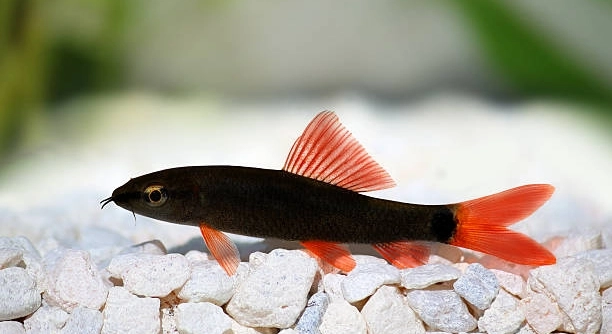
Rainbow sharks are popular freshwater fish known for their striking appearance and active nature. Many aquarium enthusiasts enjoy watching their behaviors, but understanding how they act in the wild offers valuable insights. Observing their natural habits reveals important aspects of their lifestyle and environment.
Rainbow sharks exhibit territorial behavior, often defending their space against intruders. They are primarily bottom dwellers, feeding on algae, small invertebrates, and plant matter. Their activity levels vary throughout the day, showing periods of rest and foraging.
Learning about these behaviors helps better appreciate rainbow sharks beyond their aquarium charm. It also supports their conservation and care in both wild and captive settings.
Territorial Behavior of Rainbow Sharks
Rainbow sharks are known for their strong territorial instincts. In the wild, they usually claim specific areas near the bottom of rivers or streams and defend these spots vigorously. This behavior helps reduce competition for food and shelter. Males tend to be more aggressive when protecting their territory, especially during breeding seasons. They use body language, such as flaring their fins and making sudden movements, to warn other fish to stay away. Territorial disputes can sometimes lead to brief fights, but these are usually not fatal. Instead, these sharks rely on intimidation to maintain control over their chosen area. Their preference for hiding spots like rocks or submerged plants also supports their territorial nature, offering them cover from predators and rivals. Understanding this behavior is important for managing rainbow sharks in captivity, where space limitations can increase stress and aggression.
Rainbow sharks mark their territory using visual and physical signals to communicate dominance.
When rainbow sharks are kept in confined spaces, their territorial nature can cause conflicts. Providing plenty of hiding places and ample space helps reduce aggression. In their natural environment, territorial behavior balances with available resources, ensuring their survival. This behavior also influences how they interact with other species in their habitat, often avoiding confrontation by occupying separate zones. Awareness of their territorial needs improves care practices and helps maintain a healthier environment for these fish, whether in the wild or in aquariums.
Feeding Habits in Natural Habitats
Rainbow sharks are omnivores that feed on a variety of foods in their natural habitat. They graze on algae covering rocks and plants but also consume small invertebrates such as insects and larvae. Their feeding activity usually takes place during daylight hours, with peaks in the morning and late afternoon. They use their sharp teeth to scrape algae and capture prey on the riverbed. Their diet helps control algae growth and contributes to the ecosystem’s balance. Young rainbow sharks tend to feed more on animal matter, while adults shift toward more plant-based food as they mature. Their adaptability in diet supports their survival in diverse freshwater environments, from fast-flowing streams to calmer river areas.
Proper understanding of their feeding habits is crucial for both conservation efforts and aquarium care. Knowing their diet supports healthier fish and a more balanced aquatic environment.
Activity Patterns of Rainbow Sharks
Rainbow sharks are most active during dawn and dusk. They spend much of their time exploring the bottom areas of their habitat, searching for food. During the hottest parts of the day, they tend to rest in shaded or sheltered spots to avoid predators and conserve energy.
Their activity is influenced by water temperature and light levels. Cooler temperatures often reduce their movement, while moderate lighting encourages foraging. In the wild, they may swim longer distances during low light to avoid threats. These patterns help them balance energy use and safety. Rest periods are important for recovery and maintaining health.
When disturbed or threatened, rainbow sharks quickly retreat to hiding spots like crevices or dense vegetation. This behavior reduces risk and allows them to monitor their surroundings safely. Their cautious nature combined with active foraging supports their survival in dynamic freshwater environments.
Social Interaction and Communication
Rainbow sharks generally prefer solitary lives, especially adult males who defend territories. However, they show some social tolerance during feeding or breeding seasons, where multiple individuals can share the same area briefly. Their communication mostly relies on body movements and fin displays to signal intentions.
They avoid prolonged contact with others to reduce conflicts but recognize familiar individuals within their habitat. This balance helps maintain a peaceful coexistence without excessive fighting. Communication also includes subtle changes in color and posture that signal stress or readiness to mate.
Understanding these social behaviors is important for managing their environments. Overcrowding can increase aggression, so providing enough space and hiding places is essential. This knowledge helps keep rainbow sharks healthy and reduces stress in captive settings.
Breeding Behavior of Rainbow Sharks
Rainbow sharks spawn during warmer months, often triggered by increased water temperature. Males perform displays such as fin flaring to attract females. Spawning usually occurs in shallow, sheltered areas with plenty of vegetation.
After fertilization, females scatter eggs on plants or rocks. Both parents typically leave the eggs unattended. Eggs hatch in about a week, and the young sharks stay hidden until they grow stronger.
Adaptations for Survival
Rainbow sharks have streamlined bodies that help them swim quickly and avoid predators. Their coloration provides camouflage among rocks and plants, aiding in concealment. Sharp fins serve as defense mechanisms, deterring potential threats.
These physical traits allow rainbow sharks to navigate diverse freshwater habitats safely. Their ability to adapt to changing conditions contributes to their survival in the wild.
Importance in Ecosystems
Rainbow sharks help control algae growth and maintain balance in freshwater systems. Their feeding habits prevent algae overgrowth, benefiting other aquatic life. As prey, they support larger predators.
Their role is vital for ecosystem health, influencing both plant and animal communities.
FAQ
What do rainbow sharks eat in the wild?
Rainbow sharks are omnivores. They primarily feed on algae, small insects, and other invertebrates found on riverbeds. Their diet includes plant material and tiny aquatic animals. This variety helps them get enough nutrients to stay healthy and active in their natural habitat.
How aggressive are rainbow sharks toward other fish?
Rainbow sharks can be territorial and show aggression, especially adult males defending their space. However, they rarely cause serious harm. Their aggressive behavior mainly involves chasing or displaying fins to warn intruders. Providing enough space helps reduce conflicts in both wild and captive environments.
How do rainbow sharks communicate?
These fish communicate mainly through body language. Fin displays, color changes, and movements signal their intentions or mood. For example, flaring fins can indicate territorial defense, while calm swimming suggests peaceful behavior. They avoid prolonged contact to minimize fights.
Where do rainbow sharks prefer to live in the wild?
Rainbow sharks inhabit freshwater rivers and streams with moderate currents. They favor areas with rocky bottoms and plenty of hiding spots like plants or crevices. These environments provide shelter from predators and suitable places for feeding.
How long do rainbow sharks live in the wild?
In the wild, rainbow sharks typically live around 5 to 8 years. Factors like predation, water quality, and food availability influence their lifespan. Proper habitat conditions support longer, healthier lives.
Do rainbow sharks migrate or stay in one place?
Rainbow sharks usually maintain territories and do not migrate long distances. They move within limited areas to find food and shelter. This territorial behavior helps them avoid unnecessary conflicts and conserve energy.
How do rainbow sharks reproduce?
Breeding occurs during warmer months when males display to attract females. Females lay eggs on plants or rocks, which hatch in about a week. Young sharks stay hidden until they grow strong enough to swim freely and find food.
Are rainbow sharks endangered?
Currently, rainbow sharks are not listed as endangered. However, habitat destruction and pollution can threaten their populations. Conservation efforts focused on clean waterways and habitat protection are important to maintain their numbers.
Can rainbow sharks live with other fish species?
They can coexist with other fish if the aquarium or habitat has enough space and hiding spots. Avoid keeping them with very small or slow-moving fish, as rainbow sharks may show aggression toward vulnerable species.
What is the best environment for rainbow sharks in captivity?
A spacious tank with plenty of rocks, plants, and hiding areas mimics their natural habitat. Water should be clean and well-oxygenated, with moderate flow and temperature between 72°F and 79°F. Regular maintenance reduces stress and keeps them healthy.
How can you tell if a rainbow shark is stressed?
Signs of stress include hiding more than usual, loss of color, reduced appetite, and erratic swimming. Stress can result from overcrowding, poor water quality, or aggressive tank mates. Addressing these issues helps restore their well-being.
What is the role of rainbow sharks in their ecosystems?
Rainbow sharks help control algae and insect populations, contributing to a balanced ecosystem. They also serve as prey for larger predators, linking various levels of the food chain. Their presence supports healthy freshwater environments.
Final Thoughts
Rainbow sharks are fascinating fish with unique behaviors that help them survive in their natural habitats. Their territorial nature, feeding habits, and activity patterns show how well adapted they are to freshwater environments. Understanding these behaviors provides insight into their needs, both in the wild and in captivity. Their ability to balance aggression with cautiousness allows them to thrive among other aquatic species. This balance is important for maintaining healthy populations and ecosystems.
In captivity, caring for rainbow sharks requires attention to their natural instincts. Providing enough space, hiding places, and appropriate tank mates can help reduce stress and aggression. Their diet should reflect what they would find in the wild, including algae and small invertebrates. Monitoring water quality and temperature is also essential to support their health. By replicating their natural environment as closely as possible, caretakers can encourage natural behaviors and improve the fish’s well-being.
Rainbow sharks play an important role in freshwater ecosystems by helping control algae and supporting the food chain. Their presence contributes to the overall balance and health of aquatic habitats. Protecting their natural environments from pollution and habitat destruction is important to ensure their continued survival. Learning about rainbow sharks’ behavior and needs benefits both conservation efforts and those who keep them in aquariums. This knowledge promotes responsible care and helps maintain the species for future generations.

Hello,
If you enjoy the content that we create, please consider saying a "Thank You!" by leaving a tip.
Every little bit helps us continue crafting quality advice that supports the health, happiness, and well-being of pets around the world, for pets of all shapes, sizes, and species.
We really appreciate the kindness and support that you show us!