
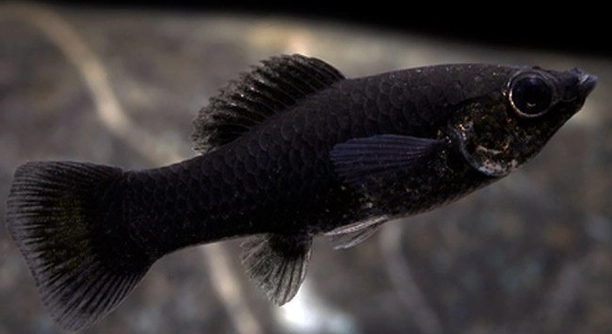
Black mollies are popular freshwater fish that many aquarists enjoy keeping at home. Watching them grow can be rewarding, but understanding their development requires attention to water, diet, and tank conditions to ensure healthy growth.
Black molly growth is influenced by genetics, diet, water quality, and tank size. Providing balanced nutrition, stable water parameters, and adequate space promotes proper development and prevents stunted growth or health issues in these ornamental fish.
Learning about their growth patterns can help you care for your mollies better and maintain a thriving aquarium environment.
Understanding Black Molly Lifespan
Black mollies can live up to three to five years in captivity when cared for properly. Their lifespan depends on water quality, diet, and tank conditions. Keeping water clean and stable is essential. Fluctuations in temperature or pH can stress the fish, slowing growth or causing illness. Feeding them a balanced diet, including flakes, frozen foods, and occasional vegetables, supports healthy development. Overfeeding can lead to obesity, poor water quality, and stunted growth. Tank size also plays a role; crowded tanks increase stress and reduce oxygen levels, which can shorten their lifespan. Observing their behavior helps detect early signs of illness. Healthy black mollies are active, swim steadily, and show bright coloration. Stress, disease, or poor diet can make them lethargic or discolored. Routine maintenance, proper filtration, and regular water changes are critical. With consistent care, black mollies remain vibrant and grow steadily, providing enjoyment for several years.
Lifespan is directly linked to water stability and diet, so monitoring these consistently is essential.
Regular observation and maintenance are key to preventing problems. Healthy mollies swim actively, feed readily, and interact with their environment. Proper nutrition, water changes, and adequate space ensure they grow normally and live their full lifespan. By keeping these factors in mind, you can maintain a thriving aquarium.
Growth Stages of Black Mollies
Juvenile black mollies are smaller, delicate, and require careful feeding.
From birth to adulthood, black mollies undergo noticeable changes. Fry are tiny, with transparent bodies, and need finely crushed food. As they grow, their fins and coloration develop, usually taking a few months. Proper nutrition during this time is critical for bone structure and coloration. Water temperature affects metabolism and growth speed. Warmer water can accelerate development, while cooler water slows it. Adult black mollies reach around 3 inches, with full black coloration and sturdy fins. Their growth slows once they reach adulthood, but maintaining water quality and diet continues to support health. Breeding behavior may appear as males chase females, which requires monitoring to prevent stress. Observing each stage allows you to adjust care for optimal growth and long-term health. Understanding these changes helps plan feeding schedules, tank adjustments, and overall care strategies to keep the fish thriving. Regular care ensures mollies remain active, colorful, and healthy throughout their lifespan.
Tank Size and Space
Black mollies need enough room to swim freely. A small tank can stress them and slow growth.
A 20-gallon tank is ideal for a small group, allowing adequate space for movement and proper water circulation. Overcrowding increases waste, reduces oxygen, and can lead to aggression among fish. Adding plants and hiding spots provides comfort, reducing stress and supporting healthy development. Regular monitoring of water parameters, including ammonia, nitrite, and nitrate levels, helps maintain a safe environment. Filtration should match tank size to keep water clean. A spacious tank ensures that black mollies remain active, display natural behaviors, and grow properly. Proper tank setup also reduces the risk of disease and keeps their coloration vibrant.
Maintaining space and clean water together creates an environment where black mollies can thrive. Observing their activity and interactions helps adjust care.
Proper tank setup prevents stress and promotes healthy growth. With the right environment, mollies develop fully, remain vibrant, and show natural swimming behaviors. Regular maintenance and observation ensure that the tank supports their long-term well-being.
Feeding and Nutrition
Feeding black mollies a varied diet supports growth and color.
A balanced diet includes high-quality flake food, frozen or live brine shrimp, and occasional vegetables like spinach or zucchini. Feeding small amounts multiple times a day prevents overfeeding and maintains water quality. Nutrient-rich foods support immune function, fin development, and overall vitality. Avoid relying solely on flakes, as this can lead to deficiencies and slower growth. Introducing live foods encourages natural foraging behavior. Fresh vegetables provide fiber and essential vitamins, helping digestion. Maintaining consistent feeding routines ensures that all fish get adequate nutrition. Adjust portions as the fish grow, since fry and adults have different dietary needs. Proper feeding enhances growth rates and keeps black mollies healthy.
Monitoring their eating habits helps detect early signs of illness or stress.
Consistent nutrition and portion control prevent obesity and water issues. By offering varied foods and observing consumption, black mollies grow steadily, maintain strong health, and display full coloration.
Water Temperature and Conditions
Black mollies thrive in water temperatures between 75°F and 82°F. Stable temperature promotes growth and reduces stress.
They prefer slightly alkaline water with a pH of 7.5 to 8.5. Sudden changes in temperature or pH can weaken their immune system and slow development. Regular monitoring is essential.
Common Growth Issues
Slow growth in black mollies often results from poor water quality, inadequate nutrition, or overcrowding. Maintaining proper tank conditions and diet helps prevent stunted growth. Regular water changes, balanced feeding, and enough space allow black mollies to grow at a healthy rate and maintain vibrant coloration.
Breeding and Size
Adult black mollies reach about 3 inches, with males slightly smaller than females. Proper care ensures healthy growth and successful breeding.
Observing Health Indicators
Healthy black mollies are active, swim steadily, and show bright coloration. Changes in behavior, appetite, or appearance can indicate stress or illness that may impact growth.
FAQ
How fast do black mollies grow?
Black mollies grow fastest during the first six months of life. Fry develop from tiny, nearly transparent fish to juveniles with full fins and partial coloration. Growth slows as they reach adulthood, usually around 3 inches. Proper diet, water quality, and tank size all affect growth rate.
What is the ideal tank size for black mollies?
A 20-gallon tank is suitable for a small group of black mollies. Larger tanks reduce stress, provide more swimming space, and improve water quality. Overcrowding can lead to slower growth, aggression, and higher disease risk.
What temperature do black mollies need?
Maintaining water between 75°F and 82°F ensures healthy growth. Temperatures outside this range can slow metabolism and weaken the immune system. Consistency is more important than exact numbers; sudden changes are harmful.
What should I feed black mollies?
A varied diet is essential. Flake foods, frozen or live brine shrimp, and occasional vegetables like zucchini or spinach provide nutrients. Feeding small portions two to three times daily prevents overfeeding and supports steady growth. Live foods also encourage natural foraging behavior.
How often should I change the water?
Weekly partial water changes of 20–30% keep ammonia, nitrite, and nitrate levels low. Clean water supports growth and reduces disease risk. Avoid changing too much at once, as drastic shifts can stress the fish.
How can I tell if my molly is healthy?
Healthy black mollies swim actively, display full black coloration, and eat consistently. Lethargy, faded color, clamped fins, or erratic swimming may indicate stress, illness, or poor water conditions. Observing their behavior daily helps catch problems early.
Why are my black mollies not growing?
Slow growth can result from poor water quality, inadequate diet, overcrowding, or stress. Ensuring proper nutrition, stable water conditions, and enough space allows mollies to develop properly. Check for illnesses or parasites that may also stunt growth.
Can black mollies live with other fish?
Yes, black mollies are generally peaceful but thrive best with compatible species. Avoid aggressive or fin-nipping fish. Proper tank size and hiding spots reduce stress and allow healthy social interactions. Stress-free environments support growth and coloration.
Do black mollies need plants in the tank?
Plants provide hiding spaces, improve water quality, and encourage natural behaviors. They help fry survive by offering cover from adults. Live plants also reduce stress, which promotes growth and overall health. Artificial plants can be used if necessary, but live plants are preferable.
How long do black mollies live?
With proper care, black mollies can live three to five years. Lifespan depends on stable water conditions, diet, and stress management. Regular maintenance and observation help ensure they remain healthy and vibrant throughout their life.
Can I breed black mollies at home?
Yes, black mollies are livebearers, giving birth to fully formed fry. Ensure a healthy, stress-free tank with proper diet. Provide hiding spots for fry to prevent them from being eaten. Breeding can be done in community tanks, but separate breeding tanks increase fry survival.
How do I prevent diseases?
Maintaining clean water, proper diet, and appropriate tank mates prevents most diseases. Quarantine new fish before adding them to the main tank. Watch for unusual behavior or physical changes to catch illnesses early. Prompt treatment ensures healthy growth and longevity.
What signs indicate overfeeding?
Overfeeding can cause bloating, poor water quality, and slower growth. Uneaten food should be removed after a few minutes. Feeding in moderation ensures proper nutrition without compromising tank conditions.
How important is filtration for black mollies?
Filtration is critical to maintain water quality and oxygen levels. A properly sized filter removes waste, reduces toxins, and supports healthy growth. Combine filtration with regular water changes for best results.
Can black mollies live in brackish water?
They tolerate mildly brackish water, which can support their health and coloration. Sudden changes should be avoided. Most aquarists keep them in freshwater with stable parameters for simplicity and optimal growth.
What is the difference between male and female black mollies?
Males are smaller, with longer dorsal fins, while females are larger and rounder, especially when gravid. Females can give birth multiple times per year under proper conditions. Recognizing sex differences helps manage breeding and tank dynamics.
Do black mollies need supplements?
Occasional supplements, like spirulina flakes or vitamins, support growth and color, especially if diet is limited. Supplements should not replace a varied diet but enhance nutrition. Proper feeding routines are more important than frequent supplementation.
How do I encourage black molly growth?
Provide balanced nutrition, stable water conditions, adequate space, and minimal stress. Monitoring water quality and feeding habits, along with regular tank maintenance, encourages steady growth. Observing fish behavior helps make adjustments to care routines.
What is the impact of lighting on growth?
Moderate lighting supports plant growth and natural behaviors. Too much or too little light can stress fish. A 10–12 hour light cycle mimics natural conditions and encourages activity, feeding, and overall health.
Can black mollies adapt to new tanks quickly?
Acclimation is necessary to prevent stress. Gradually adjusting them to temperature, pH, and water chemistry reduces shock. Float the bag and slowly mix tank water over an hour. Stress-free acclimation supports healthy growth and prevents illness.
Black mollies are relatively easy to care for when you pay attention to the basics. They require stable water conditions, a balanced diet, and enough space to swim freely. Maintaining these factors ensures that the fish remain healthy, active, and grow at a normal pace. Observing them regularly helps detect early signs of illness or stress, allowing timely intervention. Simple steps like regular water changes, proper filtration, and careful monitoring of tank temperature and pH go a long way in supporting their overall health. Even small adjustments, such as adding plants or hiding spots, can reduce stress and make the tank environment more suitable for natural behavior. Understanding their needs allows you to create a setup where black mollies can thrive, display full coloration, and remain lively throughout their life.
Feeding plays a major role in black molly growth and well-being. A varied diet that includes high-quality flakes, frozen or live foods, and vegetables provides essential nutrients for healthy development. Overfeeding or relying solely on one type of food can lead to poor growth, obesity, and water problems that stress the fish. Fry have different dietary needs than adults, so adjusting portions and food types is important as they grow. Observing their feeding habits helps ensure each fish receives enough nutrition without compromising water quality. Providing occasional supplements, like spirulina or vitamins, can enhance color and vitality, but the foundation of healthy growth is a consistent, well-rounded diet combined with stable water conditions and a comfortable tank environment.
Growth and health are closely linked to the environment you provide. Tank size, water quality, temperature, and compatibility with other fish all influence development. Overcrowding and poor water conditions increase stress, which can stunt growth or lead to illness. By planning tank setup carefully and maintaining consistent care, black mollies can reach full adult size and maintain vibrant coloration. Breeding, if desired, is easier to manage when fish are healthy and stress-free, with hiding spots for fry to survive. Paying attention to each aspect of their care ensures long-term success and a thriving tank. Regular observation, proper feeding, and routine maintenance allow black mollies to grow steadily and live a healthy life, making them rewarding fish to keep in any freshwater aquarium.

Hello,
If you enjoy the content that we create, please consider saying a "Thank You!" by leaving a tip.
Every little bit helps us continue crafting quality advice that supports the health, happiness, and well-being of pets around the world, for pets of all shapes, sizes, and species.
We really appreciate the kindness and support that you show us!