
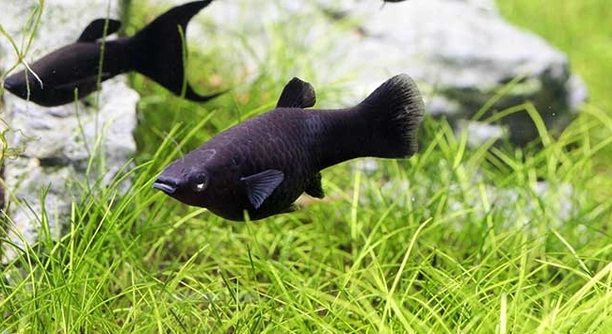
Are your Black Mollies acting more hostile than usual in your aquarium? Sudden aggression can be surprising, especially when they normally swim calmly among their tank mates. Observing these behaviors closely can help prevent further issues.
Black Mollies may display sudden aggression due to territorial disputes, overcrowding, poor water quality, nutritional deficiencies, hormonal changes, stress from tank conditions, or the introduction of new fish. Identifying the specific cause is essential for maintaining a peaceful environment.
Understanding the triggers behind their behavior can help you restore harmony in your tank and keep your fish healthy and content.
Territorial Disputes
Black Mollies can become aggressive when defending their space in the tank. If the tank is too small or has limited hiding spots, they may chase or nip at other fish to establish dominance. Males, in particular, often display more aggressive behavior during breeding periods, and even female mollies can assert their territory. Providing plenty of plants, rocks, or decorations can help break lines of sight and create separate zones, reducing conflicts. Observing which fish are targeted can also help you understand the social hierarchy. Over time, minor skirmishes are normal, but persistent aggression can lead to injury or stress, affecting their health and appetite.
Adding decorations or rearranging the tank can provide immediate relief for stressed fish, giving them space to retreat and feel safe.
Creating distinct territories allows each molly to have a personal space. This reduces constant chasing, prevents injury, and encourages calmer interactions among tank mates, supporting healthier behavior and a more stable social structure.
Overcrowding
Overcrowded tanks cause stress and aggression. When too many fish are in a confined space, competition for food and swimming areas increases.
Maintaining an appropriate fish-to-gallon ratio is essential. A well-planned tank helps reduce aggression and promotes healthy growth for all mollies.
Excessive population in the tank forces Black Mollies to compete for resources constantly. They may nip, chase, or push other fish aside, which raises stress levels and can lead to illness. Overcrowding also makes it difficult for fish to establish territories, causing ongoing tension. Regularly monitoring the number of fish and their size ensures a balanced environment. Adding more space or redistributing fish between tanks can prevent further aggression. Proper filtration and regular water changes are also critical because more fish produce more waste, which can lower water quality. By keeping population density in check, you promote a calmer atmosphere, reduce the risk of injuries, and support the overall well-being of each molly in the aquarium.
Poor Water Quality
Dirty or poorly maintained water can trigger aggressive behavior in Black Mollies. High ammonia, nitrite, or nitrate levels stress the fish, making them more likely to chase or nip at others. Regular water testing and maintenance are essential to prevent aggression.
Poor water conditions affect mollies physically and mentally. Ammonia and nitrite are toxic, while high nitrate levels weaken their immune system. Fish may become irritable, swim erratically, or display constant chasing. Ensuring proper filtration, partial water changes, and monitoring temperature and pH can stabilize the environment. Clean water reduces stress, supports growth, and promotes natural, calmer behavior among tank mates.
Neglecting water maintenance can create a cycle of stress and aggression. Mollies under constant environmental stress will show signs of fatigue, fin damage, or lethargy. Regular testing, partial water changes, and proper filtration are simple but effective ways to maintain a peaceful and healthy aquarium. Consistent care prevents aggression and supports overall longevity of your fish.
Nutritional Deficiencies
An inadequate diet can cause Black Mollies to become more aggressive. Lack of essential nutrients affects their behavior and energy levels, making them more irritable.
Mollies need a balanced diet with protein, vitamins, and minerals. Feeding only one type of food, like flakes or dried pellets, can lead to deficiencies. Including live or frozen foods such as brine shrimp or bloodworms helps meet their dietary needs. A varied diet promotes health, reduces stress, and lowers aggressive tendencies.
When fish are not properly nourished, they may compete more fiercely for food, leading to frequent chasing or nipping. Nutritional stress can weaken their immune system, making them more vulnerable to illness. Providing consistent, balanced meals ensures they remain healthy and reduces behavioral problems. Observing their feeding habits and adjusting portions accordingly helps maintain peace in the tank and keeps all fish satisfied.
Hormonal Changes
Hormonal shifts, especially during breeding periods, can make Black Mollies more aggressive. Males often display chasing or nipping behaviors to assert dominance and attract mates.
Females may also become territorial or defensive. These changes are temporary but noticeable, and providing hiding spaces helps reduce tension among tank mates.
Stress from Tank Conditions
Stress from sudden changes in temperature, pH, or lighting can trigger aggressive behavior. Mollies are sensitive to environmental fluctuations and may react by chasing or nipping other fish. Maintaining stable water conditions and consistent care is essential for preventing stress-related aggression.
Introduction of New Fish
Adding new fish can provoke aggression in Black Mollies. Established fish may see newcomers as a threat, leading to chasing or territorial disputes.
Why is my Black Molly suddenly aggressive toward other fish?
Sudden aggression in Black Mollies usually stems from environmental stress, territorial disputes, or changes in tank dynamics. Overcrowding, poor water quality, or introducing new fish can trigger chasing, nipping, or territorial behavior. Observing patterns helps identify the specific trigger so you can address it effectively.
Can overcrowding really make Black Mollies aggressive?
Yes. Black Mollies need sufficient space to swim freely. When too many fish share a confined area, competition for food and territory rises. This constant pressure can cause stress, leading to aggression. Ensuring proper tank size and population balance reduces conflicts and improves their overall well-being.
How does water quality impact aggression?
Poor water conditions create stress, which can make mollies irritable. High ammonia, nitrite, or nitrate levels affect their health and behavior. Regular testing, partial water changes, and proper filtration are necessary to maintain a stable environment and reduce aggressive tendencies.
Do dietary issues affect behavior?
Absolutely. Nutritional deficiencies can increase irritability in Black Mollies. A balanced diet with flakes, pellets, and occasional live or frozen foods like brine shrimp or bloodworms ensures they receive essential nutrients. Proper feeding habits minimize competition and reduce aggression during meal times.
Are hormonal changes a factor in aggression?
Yes. Hormonal shifts during breeding can make males more dominant and females more territorial. Temporary aggression during mating periods is natural. Providing hiding spaces and maintaining a balanced male-to-female ratio helps minimize stress and conflicts.
Can stress from tank conditions trigger aggression?
Stress from sudden changes in temperature, pH, or lighting can provoke aggressive behaviors. Mollies are sensitive to environmental fluctuations. Maintaining stable conditions, avoiding sudden changes, and providing a calm atmosphere help prevent stress-induced aggression.
Will introducing new fish always cause aggression?
Not always, but it can provoke initial territorial disputes. Established mollies may chase newcomers until a social hierarchy forms. Introducing fish gradually, rearranging tank decorations, and monitoring behavior reduces long-term conflicts and allows smoother integration of new tank mates.
How do I stop aggressive behavior in my Black Mollies?
Start by identifying the trigger—territorial disputes, overcrowding, poor water quality, or diet issues. Adjust tank conditions, provide hiding spots, maintain a proper population balance, and ensure a nutritious diet. Gradual changes and careful observation usually calm aggressive tendencies.
Is aggression dangerous for other fish?
Yes. Persistent aggression can injure fins, cause stress, and even lead to illness in more passive tank mates. Prompt intervention, such as separating overly aggressive individuals or improving tank conditions, protects the health and safety of all fish.
Can Black Mollies become aggressive without warning?
Yes, changes in tank conditions, the introduction of new fish, or sudden environmental stress can trigger abrupt aggression. Observing daily behavior and maintaining stable conditions help anticipate and reduce these sudden outbursts, ensuring a more peaceful tank environment.
Do hiding spaces reduce aggression?
Providing plants, rocks, or decorations gives fish areas to retreat and claim territory. This reduces chasing and conflict, especially in a tank with multiple males or newly introduced fish. Proper tank design promotes calmer interactions and a healthier social structure.
How long does aggressive behavior last?
Temporary aggression during breeding or adjustment periods usually lasts a few days to a couple of weeks. Persistent aggression, caused by poor tank conditions, overcrowding, or nutritional issues, may continue until the underlying cause is corrected. Regular monitoring and intervention are key to resolution.
Can diet alone calm aggressive mollies?
Diet helps but is not the only factor. A balanced diet reduces competition and irritability, but environmental stability, space, and social structure also play major roles in maintaining calm behavior. Combining proper nutrition with good tank management is most effective.
Are some Black Mollies naturally more aggressive?
Yes. Individual temperament varies. Some mollies are more dominant or territorial than others. Recognizing these differences helps in tank planning, such as providing sufficient space and hiding areas to minimize conflicts.
What is the best way to introduce new fish to reduce aggression?
Introduce new fish slowly and monitor interactions closely. Rearranging tank decorations before adding newcomers can reduce territorial disputes. Temporary separation with a divider allows gradual acclimation and reduces stress for both established and new fish.
Can stress cause long-term aggression in Black Mollies?
Yes. Chronic stress from poor water quality, overcrowding, or constant territorial disputes can make aggression a persistent issue. Addressing environmental factors, maintaining a balanced diet, and providing adequate space are essential to prevent long-term behavioral problems.
Is it normal for females to show aggression?
Yes. While males are often more dominant, females may also defend territory or compete for resources. Ensuring a balanced ratio and adequate hiding spots helps manage female aggression, particularly in smaller tanks or crowded conditions.
How often should I check water parameters to prevent aggression?
Regular monitoring is crucial. Weekly testing for ammonia, nitrites, nitrates, and pH helps maintain stable conditions. Consistent care prevents stress-related aggression and supports a healthy, peaceful environment for Black Mollies.
Can tank size alone prevent aggression?
Tank size is important but not sufficient on its own. Proper population balance, hiding spaces, stable water conditions, and a balanced diet all contribute to reducing aggression and promoting a harmonious aquarium.
What signs indicate that aggression is becoming a serious problem?
Look for frequent chasing, damaged fins, or stressed and hiding fish. Persistent aggressive interactions indicate an issue that requires intervention, such as separating aggressive individuals or improving tank conditions.
Black Mollies are generally peaceful fish, but sudden aggression can occur due to various factors. Territorial disputes, overcrowding, poor water quality, nutritional deficiencies, hormonal changes, stress from tank conditions, and the introduction of new fish are the most common triggers. Observing their behavior closely can help identify the cause, which is the first step in addressing the issue. Each factor affects the fish differently, so solutions may vary. For instance, aggression caused by overcrowding requires adjusting the number of fish, while aggression due to poor water quality requires immediate maintenance and careful monitoring. Understanding the underlying reason is essential for creating a balanced and calm environment for all tank inhabitants.
Maintaining a stable and healthy environment is crucial for preventing aggression in Black Mollies. Proper tank size, adequate hiding spaces, and a balanced diet all contribute to reducing conflicts. Regular water changes, monitoring parameters like ammonia and nitrate levels, and keeping temperature and pH consistent help minimize stress. Stress is one of the main drivers of aggressive behavior, and even minor fluctuations in tank conditions can have a noticeable impact. In addition, observing social dynamics, especially during breeding periods or after introducing new fish, allows for timely intervention. Providing sufficient resources and space ensures that each fish can establish its territory without constant conflict, leading to a healthier and more peaceful aquarium.
Addressing aggression in Black Mollies requires patience and consistent care. Immediate changes, such as adding decorations or separating aggressive fish, can reduce tension, but long-term stability comes from regular maintenance and attentive observation. It is important to note that some aggression is natural, particularly among males or during breeding, and temporary behaviors may resolve on their own. However, persistent aggression that harms other fish should never be ignored. By combining proper nutrition, stable water conditions, adequate space, and attention to social interactions, you can create an environment where Black Mollies coexist peacefully. Taking these steps not only reduces aggressive behavior but also promotes the overall health, growth, and well-being of all your aquarium fish, ensuring a thriving aquatic habitat.

Hello,
If you enjoy the content that we create, please consider saying a "Thank You!" by leaving a tip.
Every little bit helps us continue crafting quality advice that supports the health, happiness, and well-being of pets around the world, for pets of all shapes, sizes, and species.
We really appreciate the kindness and support that you show us!