
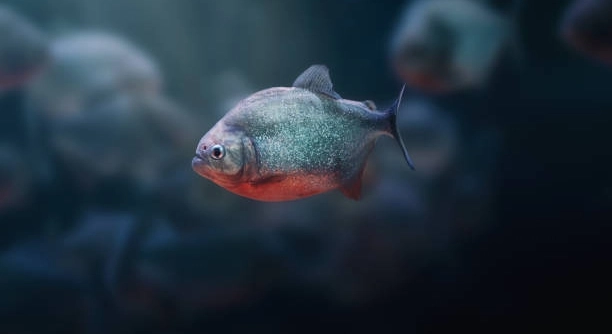
Piranhas are often known for their sharp teeth and fierce reputation. When these fish come together, certain behaviors and patterns usually emerge. Understanding what happens when piranhas meet can be helpful for enthusiasts and observers alike.
When piranhas gather, expect intense social interactions that include territorial displays, rapid movements, and coordinated feeding behaviors. Their group dynamics are complex and driven by survival instincts, often resulting in aggressive but structured encounters.
Learning about these interactions sheds light on the piranhas’ natural habits and helps appreciate their role in aquatic ecosystems.
Group Size and Social Structure
Piranhas often gather in groups called schools, which can range from just a few fish to several dozen. These groups help protect them from predators and improve their chances of finding food. Within the school, there is a loose social order, but it is not as strict as in some other fish species. Piranhas are known to display different behaviors depending on the size and makeup of the group. When in larger groups, they tend to be more confident and aggressive, while smaller groups may be more cautious. These schools can move together quickly, almost like a single unit, which makes it harder for predators to target any one fish. This social structure is essential for their survival in the wild, where threats are common and food can be scarce.
Being in a group helps piranhas stay safer and work together when searching for food.
The social behavior of piranhas within their schools is fascinating. They use body language and quick movements to communicate and establish dominance without constantly fighting. This helps keep the group functioning smoothly. Although they are often seen as aggressive, their group dynamics are more about survival and cooperation than constant conflict.
Feeding Behavior and Aggression
Piranhas are known for their sharp teeth and quick feeding habits. When food is present, especially meat or injured prey, piranhas can become very aggressive. They often hunt in groups to overpower larger animals or scavenge leftovers. Their feeding frenzy is fast and efficient, allowing them to consume food quickly before other predators arrive. This aggression is a natural response to competition and survival needs. Outside of feeding times, piranhas tend to be calmer and less hostile toward each other.
During feeding, piranhas show a clear pattern of fast bites and competition to get the best piece. This behavior is driven by the need to eat quickly and protect their food from others. While it can look chaotic, it is an effective method that has helped piranhas survive in competitive environments. The aggression during feeding does not mean they attack everything around them; it is usually triggered by the presence of food. Understanding this helps explain why piranhas have a fierce reputation but also spend much of their time in relative peace. This balance between aggression and calmness is an important part of their daily behavior.
Communication and Signals
Piranhas use body movements and sounds to communicate within the group. These signals help them avoid unnecessary fights and organize feeding times.
Visual cues, like changes in posture or fin displays, are common during social interactions. These subtle signals keep the group coordinated and prevent chaos.
In addition to body language, piranhas produce noises by rubbing their bones or vibrating muscles. These sounds help warn others of danger or signal readiness to feed, playing a crucial role in their social life.
Territory and Space
Piranhas often claim specific areas in their environment, especially when food or shelter is limited. They defend these spaces to avoid competition and keep the group stable.
Territorial behavior varies depending on the species and group size. Some piranhas show strong defense of a small area, while others tolerate neighbors nearby. This balance reduces constant fighting and helps maintain peace.
Space is essential for piranhas to thrive. It allows them to find food without too much conflict and gives weaker fish room to escape aggression. Managing territory helps the group stay healthy and focused on survival.
Breeding and Reproduction
Piranhas breed during the rainy season when food is plentiful. Males prepare nests by clearing debris from the riverbed.
Females lay eggs in these nests, and males guard them carefully until they hatch. This protection increases the chances of survival for the young fish.
Movement and Speed
Piranhas are fast swimmers, using quick bursts of speed to catch prey or escape danger. Their agility helps them navigate through dense underwater plants and tight spaces.
Role in the Ecosystem
Piranhas help control the population of other fish and clean up dead animals. This keeps their environment balanced and healthy for many species.
FAQ
What happens when piranhas meet in large groups?
When piranhas gather in large groups, they show more confident and coordinated behavior. They swim together to protect themselves from predators and hunt more efficiently. These schools help each fish by making it harder for enemies to single them out. Even though they look aggressive, most of their interactions involve quick displays rather than constant fighting. Their main focus is survival, and working together increases their chances of finding food and avoiding danger.
Are piranhas always aggressive when they meet?
Piranhas are not aggressive all the time. Their aggression usually appears during feeding or when protecting territory. Outside of those moments, they tend to be calm and keep their distance from each other. Aggressive behavior is mainly triggered by competition for food or space. When no threat or food is present, they often swim quietly together without conflict. This shows their ability to balance social interactions with moments of peace.
How do piranhas communicate with each other?
Piranhas use body language and sounds to communicate. They change their posture or move their fins to send signals, like warnings or invitations to feed. They also make noises by rubbing bones or vibrating muscles, which helps keep the group organized and alerts others to danger. These signals are important for maintaining order in the group and preventing unnecessary fights.
Do piranhas fight over territory?
Yes, piranhas defend territories, especially during breeding or when food is scarce. They mark and guard areas to keep other fish away. However, the intensity of territorial defense depends on the species and group size. Some tolerate neighbors nearby to avoid constant fighting. This territorial behavior helps reduce stress and maintain group stability, making sure there is enough space for everyone to survive.
How do piranhas hunt in groups?
When hunting, piranhas often work together to catch larger prey or scavenge leftovers. Their sharp teeth and quick bites allow them to tear food quickly. Group hunting helps them overpower animals that a single fish couldn’t handle alone. During feeding, competition can be fierce, but it usually lasts only a short time. After eating, the group calms down and returns to peaceful swimming.
What role do piranhas play in their environment?
Piranhas help keep the ecosystem balanced by controlling other fish populations and cleaning up dead animals. This prevents overpopulation and disease spread in the water. Their feeding habits recycle nutrients and support the health of aquatic plants and animals. By playing this role, piranhas contribute to maintaining a healthy environment for many species.
How do piranhas protect their young?
Male piranhas prepare nests and guard eggs until they hatch. This care protects the young from predators and strong currents. The parents stay close and defend the nest aggressively when needed. This parental care is crucial for the survival of the offspring, as young piranhas are vulnerable during the first weeks of life.
Can piranhas coexist peacefully in captivity?
Piranhas can coexist in captivity if there is enough space, hiding spots, and food. Overcrowding or limited resources often lead to stress and aggression. Proper care, such as a large tank and varied diet, reduces fights. Still, occasional disputes can happen, as their natural behavior includes defending territory and competition during feeding.
How fast can piranhas swim?
Piranhas are quick swimmers and use short bursts of speed to catch prey or escape threats. Their agility allows them to maneuver through tight spaces and dense plants easily. This speed is essential for their survival, helping them avoid predators and successfully capture food.
Are all piranha species equally aggressive?
No, aggression varies by species and environmental conditions. Some species are more territorial and show stronger feeding aggression, while others are calmer. Factors like group size, availability of food, and breeding status affect their behavior. Understanding these differences helps explain why not all piranhas act the same way in the wild or captivity.
Piranhas are often misunderstood because of their sharp teeth and strong reputation. However, when they meet, their behavior is not just about aggression. These fish rely on groups to survive, protect each other, and find food. Their interactions include a mix of cooperation, communication, and competition. Understanding how piranhas behave together helps clear up many myths and gives a better view of their true nature. They are much more than just fierce hunters; they are social creatures with complex habits that keep their groups balanced and healthy.
When piranhas come together, their actions follow clear patterns. They use body language and sounds to communicate, which helps avoid unnecessary fights. They defend territories when needed, especially during breeding or when food is limited. Their feeding behavior can seem chaotic but is actually a well-organized process to get enough food quickly. Despite the aggressive image, piranhas spend a good part of their time calm and interacting peacefully within their groups. This balance between aggression and calm is key to their survival in the wild, where dangers and competition are common.
Knowing what to expect when piranhas meet also helps those who care for them in captivity. Providing enough space, hiding spots, and proper food reduces stress and fights. It also allows the natural social behavior of piranhas to show without too much conflict. Learning about their habits is useful for keeping piranhas healthy and calm, whether in the wild or in tanks. Overall, piranhas are fascinating fish with more going on beneath the surface than most people realize. Their social lives show how animals can be both fierce and cooperative at the same time.

Hello,
If you enjoy the content that we create, please consider saying a "Thank You!" by leaving a tip.
Every little bit helps us continue crafting quality advice that supports the health, happiness, and well-being of pets around the world, for pets of all shapes, sizes, and species.
We really appreciate the kindness and support that you show us!