
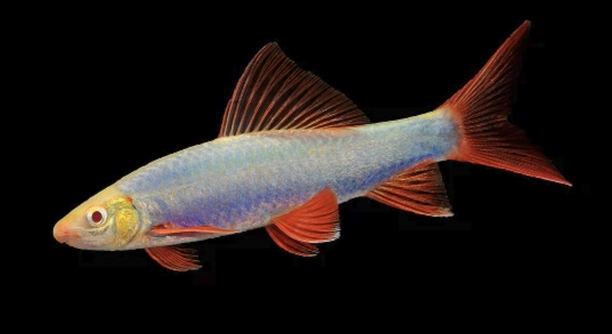
Is your rainbow shark showing less interest in its usual food? This can be concerning for any fish keeper who wants their pet healthy and happy. Understanding the reasons behind this behavior helps in providing better care for your aquatic friend.
When a rainbow shark loses interest in food, common causes include poor water quality, stress, illness, or changes in diet. Addressing these factors with proper tank maintenance, disease prevention, and suitable feeding habits is essential for restoring appetite and well-being.
Recognizing and managing these issues early can make a significant difference in your rainbow shark’s health and activity. The following guide offers practical steps to support your fish during this time.
Check Water Quality and Tank Conditions
Maintaining clean water is crucial for your rainbow shark’s health. Poor water quality can reduce their appetite and make them stressed. Test the water regularly for ammonia, nitrites, nitrates, and pH levels. Keep the water temperature stable between 72 and 79°F (22 to 26°C). Perform partial water changes of about 20-30% weekly to remove toxins. Ensure your tank is well-filtered and avoid overcrowding. A stressed or uncomfortable environment often leads to food refusal. Look for signs like cloudy water or algae buildup, which indicate that cleaning is needed. Keeping the tank environment ideal encourages your rainbow shark to eat regularly and stay active.
Consistent tank maintenance helps prevent health problems and promotes a stable feeding routine for your fish.
Creating a healthy environment means paying attention to water parameters and cleanliness. This will reduce stress and improve your rainbow shark’s appetite over time. Regular testing and water changes are simple ways to maintain the right conditions. Be patient as your fish adjusts after changes.
Offer a Balanced and Varied Diet
Rainbow sharks benefit from a diet that includes both plant and animal matter. Providing variety keeps them interested in food. Try high-quality sinking pellets formulated for omnivorous fish, supplemented with live or frozen foods like bloodworms, brine shrimp, or daphnia. Occasionally offer vegetables such as blanched zucchini or spinach. Feeding small amounts two to three times daily helps stimulate appetite. Avoid overfeeding, which can cause poor water quality and health issues. Introducing new foods slowly allows your fish to adjust without stress. Observing your fish’s preferences can guide you in choosing the right diet mix.
A balanced diet supports your rainbow shark’s nutrition and encourages regular feeding behavior.
In addition to commercial pellets, supplementing with fresh or frozen foods adds nutrients and variety. Live foods can trigger natural hunting instincts and increase interest in feeding. Vegetables provide fiber and improve digestion. Rotate foods to keep meals appealing and prevent boredom. Feeding smaller portions more often mimics natural feeding patterns and reduces waste. Monitoring eating habits helps identify if adjustments are needed. Ensuring a diverse and nutritious diet promotes your rainbow shark’s overall health and vitality.
Monitor for Signs of Illness
Loss of appetite often signals health problems in rainbow sharks. Watch for abnormal behavior like lethargy, discoloration, or spots. Early detection is important to prevent worsening conditions.
Illnesses such as parasites, bacterial infections, or fungal diseases can cause a drop in appetite. Quarantine any new fish before introducing them to the tank to reduce risks. If you notice symptoms, consult a veterinarian or an experienced aquarist. Treatment usually involves medicated food or water additives. Maintaining good water quality supports recovery and prevents future illness.
Regular observation helps catch health issues early. Prompt care and treatment improve your rainbow shark’s chances of regaining a healthy appetite. Being attentive makes a difference in their well-being.
Reduce Stress Factors
Stress reduces feeding activity in rainbow sharks and can come from tank mates, poor environment, or sudden changes. Keep the tank peaceful and stable.
Avoid aggressive or overly active fish that may intimidate your rainbow shark. Provide hiding spots using plants, caves, or decorations to create safe spaces. Limit loud noises or vibrations near the tank. Gradual changes to the environment or water conditions prevent shock. Stress weakens the immune system and impacts appetite negatively. A calm, consistent environment helps your fish feel secure and encourages regular eating. Adjusting the setup to reduce stress can improve feeding habits and overall health.
Adjust Feeding Schedule
Feeding your rainbow shark at consistent times helps build a routine. Irregular feeding can confuse them and reduce interest in food.
Offer food in small amounts to avoid waste. Overfeeding can harm water quality and lower appetite. Stick to two or three feedings daily for best results.
Improve Tank Lighting
Proper lighting supports your rainbow shark’s natural behavior. Too much or too little light can cause stress and affect appetite.
Use a timer to maintain a regular light cycle, typically 8 to 10 hours daily. Balanced lighting mimics their natural environment and encourages healthy activity.
Avoid Overcrowding
Crowded tanks increase competition for food and cause stress. Ensure enough space for your rainbow shark to swim and feed comfortably. Overcrowding can lead to aggressive behavior and reduce feeding opportunities. Keeping an appropriate number of fish supports a peaceful tank environment and better feeding response.
FAQ
Why is my rainbow shark refusing to eat even though the water conditions are good?
Even with perfect water conditions, your rainbow shark might refuse food due to stress, illness, or boredom with its diet. Changes in tank mates or sudden environment shifts can cause stress. Sometimes, they simply need a diet change or variety to regain interest. Observing their behavior closely will help identify the issue.
How can I tell if my rainbow shark is sick?
Look for signs like lethargy, unusual swimming patterns, faded colors, spots, or frayed fins. Loss of appetite often accompanies these symptoms. Early detection is key. If you notice anything unusual, isolate the fish and consider treatment or professional advice.
Can stress really cause my rainbow shark to stop eating?
Yes. Stress weakens their immune system and reduces appetite. Factors include aggressive tank mates, overcrowding, loud noises, or rapid water changes. Providing hiding spots and a calm environment helps minimize stress and supports regular feeding.
What types of food are best for encouraging my rainbow shark to eat?
A varied diet is best. Use sinking pellets designed for omnivorous fish, plus occasional live or frozen foods like bloodworms or brine shrimp. Adding vegetables such as blanched spinach or zucchini helps provide nutrients and variety. Rotate foods to maintain interest.
How often should I feed my rainbow shark?
Feed small amounts two to three times daily. Avoid overfeeding as leftover food pollutes water and can cause health problems. Regular, moderate feedings promote better appetite and overall health.
Is it okay to skip feeding for a day if my rainbow shark isn’t eating?
Yes, skipping a day won’t harm your fish. Rainbow sharks can tolerate short fasting periods. Use this time to check water quality and observe for signs of illness or stress before resuming feeding.
What tank size is appropriate to prevent feeding issues?
A minimum of 30 gallons is recommended for one rainbow shark. Adequate space reduces stress and competition for food. Overcrowded tanks increase aggression and decrease feeding chances.
How can I encourage a picky eater rainbow shark to try new food?
Introduce new foods gradually by mixing them with familiar pellets. Offering live or frozen foods can stimulate natural hunting instincts. Changing feeding locations or using feeding rings can also attract attention. Patience is important during this process.
Should I quarantine new fish before adding them to the tank?
Yes. Quarantining new fish for at least two weeks helps prevent disease introduction. It reduces stress on current fish and maintains a healthy environment, supporting consistent feeding habits.
Can poor water temperature affect my rainbow shark’s appetite?
Absolutely. Rainbow sharks thrive between 72 and 79°F (22 to 26°C). Temperatures outside this range can stress the fish and reduce feeding interest. Use a reliable heater and thermometer to keep temperature stable.
What are the signs of poor water quality that might affect feeding?
Cloudy water, algae overgrowth, strong odors, or visible debris indicate poor water quality. Elevated ammonia, nitrites, or nitrates can stress fish. Regular testing and water changes help keep conditions ideal and support normal feeding.
Is it normal for rainbow sharks to lose appetite during breeding?
Yes, some fish eat less when preparing to breed. This behavior is temporary. Providing a calm environment and consistent feeding routine helps them recover quickly.
Can tank decorations impact feeding behavior?
Yes. Lack of hiding places can increase stress, lowering appetite. Providing caves, plants, or rocks offers security, reducing stress and encouraging feeding.
What should I do if my rainbow shark suddenly stops eating?
Check water parameters immediately, observe for illness or stress signs, and review recent changes in the tank. Address any issues found and consider diet adjustments. If the problem continues, seek advice from an aquatics professional.
How long can a rainbow shark go without food?
They can survive about one to two weeks without eating, but longer periods weaken their health. Monitor closely and act quickly to resolve feeding issues.
This FAQ covers common concerns and practical advice for maintaining your rainbow shark’s appetite and health. Following these tips supports a happy and well-fed fish.
Maintaining a healthy appetite in your rainbow shark is important for its overall well-being. Many factors can affect feeding behavior, such as water quality, stress, illness, and diet. Paying close attention to these elements helps create an environment where your fish feels comfortable and motivated to eat. Regular water testing, tank cleaning, and proper feeding schedules all play key roles in supporting your rainbow shark’s health. Addressing issues early prevents more serious problems and keeps your fish active and thriving.
Offering a balanced and varied diet is another essential part of care. Rainbow sharks need both plant and animal-based foods to meet their nutritional needs. Rotating different types of food, such as pellets, live or frozen items, and vegetables, can help maintain interest and provide important nutrients. Overfeeding or underfeeding can lead to health problems, so it is important to provide small, regular meals and avoid leaving excess food in the tank. Observing your fish’s reactions to different foods will guide you in choosing the best diet plan for them.
Creating a stable and stress-free environment encourages consistent feeding. Overcrowding, aggressive tank mates, or sudden changes in the tank can cause stress, which often results in reduced appetite. Providing hiding places and maintaining a calm atmosphere helps your rainbow shark feel secure. Proper tank size and stable water temperature also contribute to a comfortable habitat. By focusing on these care aspects, you can support your rainbow shark’s health and help prevent feeding problems before they start. Consistency, patience, and attention to detail are the best tools to ensure your fish stays healthy and well-nourished.

Hello,
If you enjoy the content that we create, please consider saying a "Thank You!" by leaving a tip.
Every little bit helps us continue crafting quality advice that supports the health, happiness, and well-being of pets around the world, for pets of all shapes, sizes, and species.
We really appreciate the kindness and support that you show us!