
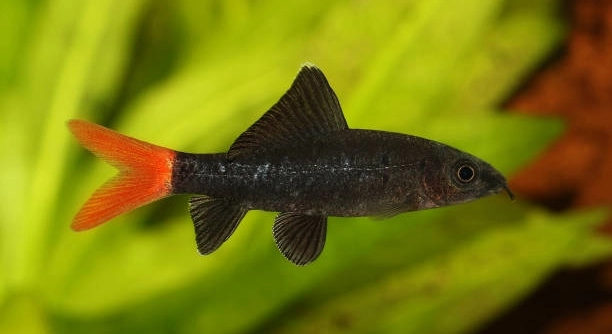
Rainbow sharks are popular aquarium fish, admired for their striking colors and active nature. However, they can sometimes show behavior problems that concern many fish owners. Understanding these issues helps keep your tank peaceful and your fish healthy.
Rainbow shark behavior problems often arise from overcrowding, poor water quality, insufficient hiding spots, improper diet, stress from tank mates, lack of territory, and inadequate tank size. Addressing these factors systematically is essential to restore balanced and healthy behavior.
Knowing the common causes behind these behaviors will help you improve your fish’s environment and well-being. This article will guide you through practical solutions to fix these problems effectively.
Overcrowding and Aggression
Overcrowding is one of the main reasons rainbow sharks show aggressive behavior. These fish are territorial by nature and need enough space to establish their own area in the tank. When the tank is too crowded, they may feel threatened and act aggressively toward other fish. Overcrowding also increases stress levels, which can weaken their immune system and make them more prone to illness. Providing enough space means keeping the tank size appropriate for the number of fish you have. It also helps to arrange decorations and plants to create hiding spots and visual barriers. These elements reduce conflicts by allowing fish to retreat when needed. A well-planned tank layout minimizes aggression and improves overall harmony among your aquatic pets.
Keeping the tank stocked with fewer fish reduces stress and helps maintain peace. It also improves water quality, which supports better fish health.
Providing enough room and proper tank setup will prevent aggressive behavior and promote a calmer environment for your rainbow sharks to thrive.
Poor Water Quality
Poor water quality causes stress and health problems that affect behavior. Rainbow sharks are sensitive to ammonia, nitrites, and nitrates, which build up quickly in small or unfiltered tanks. Dirty water can lead to lethargy, loss of appetite, and erratic swimming. Regular water testing and changes are necessary to keep water safe and clean. Using a reliable filter and maintaining it regularly will help remove waste and toxins. Water temperature and pH should also stay within the recommended range to prevent discomfort. Stress caused by bad water conditions can make rainbow sharks more aggressive or withdrawn. Keeping water clean is the first step to improving their behavior and overall well-being.
Proper filtration and frequent water changes maintain a healthy environment, helping fish stay active and less aggressive.
Ensuring clean water involves monitoring parameters regularly and adjusting care routines. Keeping water quality high will help rainbow sharks feel comfortable and behave naturally. This prevents many common health and behavior problems. Water changes remove waste and harmful chemicals, while filters keep the tank clear and oxygenated. Taking these steps consistently makes a big difference in your fish’s happiness and lifespan.
Lack of Hiding Spots
Rainbow sharks need places to hide and feel secure in the tank. Without enough cover, they can become stressed and act aggressively. Hiding spots help reduce conflicts and give fish a sense of safety.
Adding plants, rocks, and decorations creates natural shelters. These areas allow rainbow sharks to retreat when they feel threatened or tired. It’s important to arrange these spots evenly throughout the tank to avoid territorial disputes. Using live plants can improve water quality and provide extra cover. Artificial decorations work well too, as long as they are safe for fish. The goal is to mimic their natural habitat by offering plenty of options to hide. This simple change reduces stress and helps your fish feel more comfortable, leading to better behavior.
Providing enough hiding places balances the tank’s social dynamic. Fish will interact less aggressively and show more natural, calm behavior. It also benefits shy or weaker fish, giving them a chance to rest and avoid confrontation.
Improper Diet
A poor diet can cause behavior problems in rainbow sharks. They need a balanced mix of protein and plant matter to stay healthy. Feeding only flakes or pellets is not enough.
Rainbow sharks are omnivores and benefit from varied food sources. Including live or frozen foods such as bloodworms, brine shrimp, and vegetables helps meet their nutritional needs. Feeding the right amount is just as important—overfeeding leads to poor water quality, while underfeeding causes stress and aggression. A diet rich in nutrients supports their immune system and energy levels. Providing food that mimics their natural diet keeps them active and less prone to irritability.
Adjusting feeding habits improves behavior by reducing competition over food. Well-fed fish are calmer and more sociable, making your aquarium more peaceful and enjoyable to watch.
Stress from Tank Mates
Some fish do not get along well with rainbow sharks. Aggressive or very active tank mates can cause stress. Stress leads to bad behavior and health issues.
Choosing peaceful and compatible species reduces conflicts. Avoid small or slow fish that rainbow sharks may bully. Proper tankmate selection supports a calm, balanced environment.
Lack of Territory
Rainbow sharks claim territories in the tank. Without clear boundaries, they may become aggressive. Providing enough space and hiding spots helps them establish their areas.
Territorial disputes decrease when fish have defined spaces. Organizing the tank to create separate zones can prevent fights and keep peace.
Inadequate Tank Size
A small tank limits space for swimming and territory. Rainbow sharks need at least 30 gallons to thrive. Limited space increases stress and aggression.
FAQ
Why is my rainbow shark acting aggressively?
Aggression usually happens because of overcrowding, lack of hiding spots, or incompatible tank mates. Rainbow sharks are territorial and need enough space to feel secure. Stress from poor water quality or improper diet can also cause them to act out. Making sure their environment meets their needs reduces aggressive behavior.
How often should I change the water to keep my rainbow shark healthy?
Perform partial water changes of about 20-25% every one to two weeks. This helps remove waste, toxins, and excess nutrients that build up over time. Frequent water changes keep water quality stable and reduce stress, which improves behavior and overall health.
What tank size is ideal for a rainbow shark?
A minimum of 30 gallons is recommended for one rainbow shark. Larger tanks provide more swimming space and reduce territorial disputes. Bigger tanks also allow for more decorations and hiding spots, which help create a peaceful environment.
Can I keep rainbow sharks with other fish?
Yes, but choose peaceful, similarly sized species. Avoid small or slow-moving fish, as rainbow sharks can bully them. Good tank mates include larger tetras, barbs, and peaceful catfish. Proper tank size and hiding places are essential to reduce stress among fish.
What should I feed my rainbow shark?
Feed a varied diet including high-quality flakes or pellets formulated for omnivores. Supplement with live or frozen foods like bloodworms and brine shrimp, plus some vegetables like zucchini or peas. Balanced nutrition supports their health and reduces behavioral problems caused by hunger or poor diet.
How do I create enough hiding spots in my tank?
Use a mix of live plants, rocks, and aquarium decorations to build shelters. Spread these hiding places evenly so each fish can find its own space. Plants also improve water quality, while decorations provide solid structures for refuge.
What water parameters are best for rainbow sharks?
Keep the water temperature between 72-79°F (22-26°C). The pH should stay near neutral, between 6.5 and 7.5. Ammonia and nitrites must be at zero, with nitrates below 20 ppm. Stable water conditions reduce stress and support good behavior.
How can I tell if my rainbow shark is stressed?
Signs of stress include hiding more than usual, loss of appetite, erratic swimming, and color fading. Stress weakens their immune system, making them vulnerable to disease. Improving tank conditions and providing enough space and hiding spots can help reduce stress.
Is it normal for rainbow sharks to chase each other?
Some chasing is normal as they establish territories, but constant or severe chasing signals problems. Overcrowding, lack of hiding spots, or improper tank mates may cause aggressive chasing. Adjusting these factors helps calm the fish and reduce conflicts.
How do I prevent behavior problems in the future?
Maintain good water quality, provide enough space and hiding spots, feed a balanced diet, and select peaceful tank mates. Regular monitoring and adjustments to the tank setup ensure your rainbow sharks stay healthy and behave well over time.
Rainbow sharks can be a beautiful and active addition to an aquarium, but they require proper care to avoid behavior problems. Understanding the main causes of aggression and stress helps create a peaceful environment for these fish. Factors such as overcrowding, poor water quality, lack of hiding spots, and incompatible tank mates all affect their behavior. Addressing these issues early on prevents many common problems and keeps the fish healthier.
Providing enough space is one of the most important steps in caring for rainbow sharks. A tank that is too small causes stress and territorial disputes. Along with tank size, arranging decorations and plants to create hiding places helps fish feel secure. Clean, well-maintained water is also essential for their well-being. Regular water changes and proper filtration keep toxins low and support a stable environment. Feeding a balanced diet with a variety of foods keeps the fish healthy and less likely to act out due to hunger or poor nutrition.
Behavior problems often indicate something is wrong in the tank setup or care routine. Taking time to observe your rainbow sharks and learning their needs will help you recognize signs of stress or aggression. Making adjustments based on these observations will improve their quality of life. By maintaining a suitable tank environment, providing good nutrition, and choosing peaceful tank mates, you can enjoy watching your rainbow sharks thrive with calm and natural behavior. This care approach ensures your fish stay happy and healthy for years.

Hello,
If you enjoy the content that we create, please consider saying a "Thank You!" by leaving a tip.
Every little bit helps us continue crafting quality advice that supports the health, happiness, and well-being of pets around the world, for pets of all shapes, sizes, and species.
We really appreciate the kindness and support that you show us!