
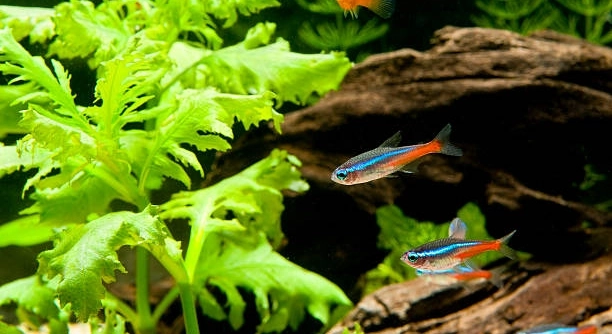
If your neon tetra suddenly stops swimming, it could be a sign of stress or illness. Understanding what might be causing this behavior can help you care for your fish better.
When a neon tetra stops swimming, it may be due to poor water quality, injury, disease, or improper tank conditions. Addressing these factors promptly is essential for the health and well-being of your fish.
Checking on water parameters, tank mates, and fish behavior can make a big difference. Ensuring your neon tetra is comfortable and healthy will prevent further issues.
Poor Water Quality
Neon tetras are sensitive to water conditions. If the water parameters in your tank aren’t ideal, it can lead to stress, making your neon tetra stop swimming. They thrive in water that is clean, slightly acidic, and at the right temperature. Regular water changes and testing the water’s pH, ammonia, and nitrate levels are essential. If the water is too dirty or has high ammonia levels, it can cause your fish to become lethargic.
Make sure your filter is working properly and that there are no sudden changes in temperature or pH. These changes can overwhelm the fish. The ideal water temperature for neon tetras is between 72-78°F, and they prefer a pH range of 6.0-7.0. Testing the water regularly will help you identify any issues early.
If you haven’t been keeping an eye on these parameters, it might be time for a full tank cleanup. You’ll want to change the water and check all filtration systems. Ensure that the tank water is safe for your neon tetras, as poor water quality is a major factor in their health. Small changes can make a significant difference, so don’t wait too long to address it.
Injury or Illness
Sometimes, neon tetras stop swimming because they are injured or unwell. This could be a physical injury from rough tank mates or a sign of an infection. If the tetra has visible wounds or unusual marks on its body, you’ll need to act fast.
If your fish isn’t eating and seems to be staying still, it might be suffering from a bacterial or parasitic infection. Infections often cause lethargy and other symptoms, like faded colors or spots on the skin. In this case, you may need to isolate the fish in a quarantine tank and treat it with medication. Additionally, if the injury is due to bullying from other fish, consider separating the aggressive tank mates to give your neon tetra a chance to recover.
If the tetra is still not swimming after a few days of treatment or isolation, a visit to an aquatic vet might be necessary for further diagnosis.
Tank Size and Space
Neon tetras need enough room to swim and explore. If your tank is too small or overcrowded, it can cause stress. Stress is a major factor that can cause them to stop swimming or become lethargic. A cramped tank will limit their movement, making them feel unsafe.
Ensure that your tank is large enough for your fish to swim freely. A minimum of 10 gallons is recommended for a small school of neon tetras. If you have other fish, you may need a larger tank to accommodate everyone comfortably. This will not only keep the tetras active but will also prevent other health problems caused by overcrowding.
Adding plants or decorations can also help create hiding spaces. This allows the neon tetras to feel more secure, reducing stress. Make sure there is enough swimming space around the decorations, though, so they don’t feel trapped. A spacious tank with proper hiding spots promotes a healthy, active fish.
Poor Tank Mates
If you’ve added other fish to your tank, their behavior could be stressing your neon tetras. Aggressive or larger fish may chase or bully them, leading to stress and reduced activity. This is especially true if the aggressive fish constantly try to dominate the space.
To avoid this issue, ensure your tank mates are peaceful and similar in size. Fish like bettas, cichlids, and large goldfish can be dangerous for neon tetras. Even some overly active fish can disturb their peaceful nature. If you suspect bullying is happening, consider relocating the more aggressive fish to another tank.
You can also create separate zones in the tank with decorations or plants, which will give the tetras a space of their own. Neon tetras feel safest in groups, so ensure they are with others of their kind. A calm, balanced tank will keep your fish happy and swimming freely.
Water Temperature
Neon tetras are sensitive to water temperature. If the water is too cold or too hot, it can cause them to become inactive. The ideal water temperature is between 72-78°F. Anything outside this range can stress your fish and cause them to stop swimming.
A sudden change in temperature can also shock the fish. To avoid this, use a heater with a thermometer to maintain a stable temperature. Make sure the temperature is consistent, as fluctuations can stress your neon tetra. Regularly check the tank’s temperature to keep it within the optimal range for their well-being.
Overfeeding
Overfeeding can lead to water quality issues and digestive problems for neon tetras. Leftover food will rot in the tank, causing ammonia spikes, which can stress the fish. It’s important to feed them small amounts, ensuring they finish the food within a few minutes.
The right amount of food prevents waste buildup and keeps the water clean. Additionally, it helps avoid issues like bloating or constipation. Stick to feeding them once or twice a day, adjusting the quantity based on their needs. This will help maintain a healthy environment for your fish.
Stress from Changes
Neon tetras are sensitive to changes in their environment. Any sudden changes, like new tank decorations, frequent water changes, or a noisy area, can cause stress. This stress can result in reduced swimming and overall inactivity. It’s important to minimize disruptions to their habitat.
Give your fish time to adjust to changes gradually. Avoid moving tank decorations too often or introducing new fish abruptly. Also, try to maintain a quiet environment around the tank to reduce stress from loud noises. Creating a stable environment will help keep your tetras calm and active.
FAQ
Why is my neon tetra not swimming?
A neon tetra may stop swimming due to several reasons. The most common causes are poor water quality, inappropriate tank conditions, injury, or stress from aggressive tank mates. Ensure that the water temperature is stable, the pH is within range, and the ammonia and nitrate levels are low. Also, check if your fish is stressed by overcrowding, bullying, or sudden changes in its environment.
How do I know if my neon tetra is sick?
Neon tetras show signs of illness through changes in behavior, appearance, and appetite. Look for fading colors, visible lesions, bloating, or unusual swimming patterns, like floating or sinking. A loss of appetite, isolation, and lethargy are also common signs. If you notice these symptoms, it’s best to quarantine the fish and treat it with appropriate medication.
Can I put neon tetras with other fish?
Neon tetras are peaceful and do well with other small, calm fish. However, avoid aggressive fish like bettas or large predatory species, which may stress or harm them. Good tank mates include guppies, small rasboras, or Corydoras catfish. Always research your fish to ensure compatibility.
What should I feed my neon tetra?
Neon tetras are omnivores, so they will eat a mix of high-quality flakes, pellets, and frozen or live food like brine shrimp or daphnia. Feed them small portions once or twice a day. Make sure they finish the food within a few minutes to prevent waste buildup.
How often should I change the water in my neon tetra tank?
It’s essential to do regular water changes to maintain a clean and healthy environment. A 20-25% water change once a week is recommended for most tanks. If your tank is smaller or heavily stocked, you might need to do water changes more often to keep the water quality stable.
Can neon tetras live alone?
Neon tetras are schooling fish, meaning they feel safest when kept in groups. Keeping them alone can cause stress, leading to inactivity or health issues. It’s best to have at least six neon tetras in a tank to allow them to display natural behaviors. A group will help them feel secure.
What size tank do neon tetras need?
Neon tetras require a minimum of a 10-gallon tank, especially if you plan to keep a small school of them. A larger tank will provide more space for swimming and reduce stress. If you have other fish, you may need a bigger tank to ensure there’s enough room for everyone.
How can I reduce stress in my neon tetra?
To reduce stress in neon tetras, make sure the tank has stable water conditions. Avoid overcrowding and introduce new tank mates gradually. Providing plenty of hiding spots with plants or decorations can help your tetras feel more secure. Keep the tank in a quiet, calm environment to minimize external stressors.
Are neon tetras sensitive to light?
Yes, neon tetras are sensitive to bright lights. They thrive in dimmer environments, as bright lights can cause them stress and make them hide. Using subdued tank lighting or providing plants and decorations to create shaded areas can help your tetras feel more comfortable and active.
How do I know if my neon tetra is stressed?
Stressed neon tetras may display behaviors like erratic swimming, hiding, or staying at the bottom of the tank. They may also lose their appetite or become unusually aggressive. Check for environmental factors like water quality, tank mates, and any recent changes to identify the cause of stress. Reducing these factors can help them feel better.
Can I use tap water for my neon tetra tank?
You can use tap water, but it’s essential to treat it first. Tap water often contains chlorine or chloramine, which can harm your fish. Use a water conditioner to neutralize these chemicals before adding it to your tank. Also, make sure the water’s pH and hardness levels are suitable for neon tetras.
What temperature do neon tetras need?
Neon tetras prefer water temperatures between 72-78°F (22-25°C). If the water is too cold or too hot, it can stress the fish and affect their swimming. Make sure your tank has a reliable heater with a thermometer to maintain a consistent temperature within this range.
Why is my neon tetra swimming upside down?
If your neon tetra is swimming upside down or exhibiting unusual swimming behavior, it could indicate a swim bladder issue, which affects buoyancy. This can be caused by overfeeding, constipation, or an underlying illness. It’s best to isolate the fish and monitor it closely for other symptoms.
How do I treat sick neon tetras?
Treatment for sick neon tetras depends on the illness. For parasites or infections, you may need to use specific medications available at pet stores. If the tetra has a swim bladder problem, fasting it for a few days or offering special food might help. Always monitor the fish’s behavior and consider consulting an aquatic vet if symptoms persist.
Do neon tetras need a filter?
Yes, neon tetras need a filter to keep the water clean. A filter helps remove waste, prevent ammonia buildup, and maintain stable water conditions. Choose a filter with gentle flow, as strong currents can stress neon tetras. Regularly clean and maintain the filter to ensure it works properly.
Can neon tetras jump out of the tank?
Neon tetras are not known to jump often, but it’s still possible if they are startled or feel threatened. It’s a good idea to keep the tank covered with a lid or mesh to prevent accidental escapes, especially if your tank is near a draft or high-traffic area.
How do I make my neon tetras more active?
To make your neon tetras more active, ensure they have the proper tank conditions. This includes maintaining stable water parameters, providing plenty of hiding spots, and keeping them in a group. Regular feeding and reducing stress factors like aggressive tank mates will also help keep them active and healthy.
How long do neon tetras live?
On average, neon tetras live for about 5 years, though some can live longer with proper care. A clean, stable environment, along with good water quality and a balanced diet, can help extend their lifespan. Regular monitoring for health issues and treating them promptly can also contribute to their longevity.
Final Thoughts
Taking care of neon tetras requires attention to their environment and health needs. These small, colorful fish are sensitive to changes in water quality, temperature, and tank conditions. If your neon tetra stops swimming, it’s important to address the root cause quickly. Whether it’s poor water quality, inappropriate tank mates, or stress from overcrowding, identifying the issue and resolving it can help your fish feel better and return to its active state. Regular water changes, proper filtration, and stable conditions are key to keeping your fish healthy.
It’s also essential to monitor the behavior of your neon tetras regularly. These fish are not as hardy as some other species and can be easily affected by stress or illness. If you notice any changes in their swimming patterns, color, or appetite, it’s best to act fast. Make sure you’re providing the right diet, the proper water conditions, and a peaceful environment. Neon tetras do best in groups, so if you have only one, consider adding more to keep them company. A small school will help reduce stress and encourage natural behaviors, keeping your fish healthy and active.
In the end, neon tetras are relatively low-maintenance fish as long as their environment is well-maintained. Keeping their tank clean, checking the water regularly, and ensuring they have compatible tank mates will go a long way in promoting their well-being. Pay attention to their health and behavior, and don’t hesitate to make changes if something seems off. With proper care, neon tetras can thrive in your aquarium, providing beauty and movement for years to come.

Hello,
If you enjoy the content that we create, please consider saying a "Thank You!" by leaving a tip.
Every little bit helps us continue crafting quality advice that supports the health, happiness, and well-being of pets around the world, for pets of all shapes, sizes, and species.
We really appreciate the kindness and support that you show us!