
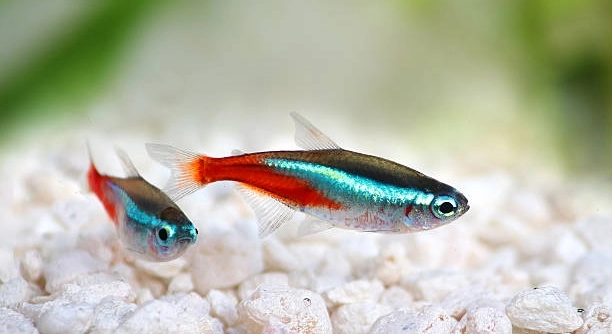
Have you ever brought home a group of neon tetras, only to notice that some don’t seem to thrive as expected?
Neon tetras often have shortened lifespans due to poor tank conditions, inadequate diet, and stress from incompatible tank mates. Each of these factors can significantly affect their health, behavior, and overall longevity.
Understanding the most common care mistakes will help you create a better environment and improve your neon tetra’s chances of living a longer, healthier life.
Overcrowding the Tank
Keeping too many fish in a small tank is one of the most common mistakes. Neon tetras are small, but they still need space to swim and feel safe. When overcrowded, they become stressed, which weakens their immune systems and makes them more prone to disease. Poor water quality also becomes a bigger issue in a crowded tank. Waste builds up faster, oxygen levels drop, and there isn’t enough space for each fish to establish a comfort zone. Over time, these conditions lead to health problems and early death. A group of neon tetras should have at least a 10-gallon tank, and that’s only if the tank is well-maintained. More space is always better, especially if you’re keeping other species in the same tank. Giving them enough room helps reduce aggression and lets them display their natural schooling behavior, which is key to their well-being and long-term survival.
Too many fish in a small tank can quickly lead to stress, disease, and shorter lifespans for your neon tetras.
A lightly stocked tank allows for better water quality, more oxygen, and a peaceful environment. You’ll also find it easier to manage the tank, keeping nitrate and ammonia levels under control. Clean water and space to swim freely can greatly improve your neon tetras’ lives.
Inconsistent Water Parameters
Sudden changes in water conditions can be dangerous for neon tetras. These fish are sensitive to their environment and prefer stable water parameters. Shifts in temperature, pH, or hardness can lead to shock, illness, and even death. Poor monitoring or infrequent water changes often cause these fluctuations.
Neon tetras thrive in water that is slightly acidic with a pH between 6.0 and 7.0, a temperature range of 72°F to 78°F, and soft water conditions. Testing your water regularly is important, especially when setting up a new tank or adding new fish. Even small changes in water chemistry should be made gradually to avoid shocking the fish. If your tank lacks a reliable heater or filtration system, it becomes harder to keep things stable. Overfeeding and irregular maintenance can also lead to ammonia and nitrate spikes. These invisible changes may not show up right away but can damage your fish’s health over time.
Feeding the Wrong Diet
Feeding neon tetras the wrong food can weaken their immune systems and affect their growth. These fish need a balanced diet that includes both protein and plant matter. A poor diet makes them more vulnerable to disease and stress.
Stick to high-quality flake or micro-pellet food as a base. Add variety with frozen or live foods like brine shrimp, daphnia, or bloodworms a few times a week. Avoid overfeeding, which can lead to bloating and pollute the tank. Feed small amounts once or twice a day—just enough for them to eat within two minutes. Uneaten food breaks down and affects water quality, increasing the risk of illness. Many new keepers think feeding more is showing care, but it actually causes more harm than good. Balanced nutrition and consistent feeding routines help neon tetras stay active, colorful, and healthy over time.
Choosing food meant for larger or aggressive fish can cause digestive issues in neon tetras. They have small mouths and delicate systems, so they need food that’s easy to digest and size-appropriate. A diet lacking in nutrients may also dull their bright colors and slow their activity levels. Proper feeding is a simple but crucial part of their care.
Keeping Them with Aggressive Tank Mates
Neon tetras are peaceful fish and don’t do well with aggressive tank mates. Placing them with larger or territorial fish can lead to stress, injury, or even death. They are best kept with other calm, community-friendly species that won’t compete aggressively for food or space.
Fish like angelfish, barbs, or cichlids may bully or eat them, especially when neon tetras are still small. Constant chasing, nipping, or hiding behavior is a sign your tetras are uncomfortable. Over time, this stress causes them to eat less, lose color, and become more likely to get sick. When choosing tank mates, go for other peaceful fish like guppies, rasboras, or small catfish. It helps to watch their behavior closely during the first few days after adding new fish. Creating a safe, calm tank environment helps neon tetras live longer and show off their natural schooling behavior more confidently.
Skipping Regular Tank Maintenance
Neglecting regular tank cleaning causes waste and uneaten food to build up. This leads to spikes in ammonia and nitrate levels, which are harmful to neon tetras and can slowly damage their organs and immune systems.
Even small, clean-looking tanks need weekly water changes. Replacing 20–30% of the water helps remove toxins and keeps the environment stable. Ignoring filter maintenance or substrate cleaning can also disrupt beneficial bacteria and make conditions unsafe for your fish.
Using Harsh Lighting
Bright or intense lighting can stress neon tetras. These fish come from shaded streams and prefer dim or low lighting. Too much light can cause them to hide often, lose color, or become anxious. Use gentle lighting and provide hiding spots like plants to keep them comfortable.
Ignoring Quarantine for New Fish
Skipping quarantine for new fish can introduce diseases and parasites into your main tank. Even healthy-looking fish may carry issues that stress or harm your neon tetras. A separate tank for observation helps protect the rest of your fish.
FAQ
How long do neon tetras usually live?
In a well-maintained tank with proper care, neon tetras can live up to 5 years. However, many only make it to 1–2 years due to common mistakes like poor water conditions or stress. Lifespan depends heavily on stable water parameters, a balanced diet, and a calm tank environment. Small things like avoiding overfeeding and using proper filtration go a long way in helping them live longer. If they are housed with aggressive tank mates or exposed to poor maintenance habits, their lives may be cut short significantly.
What is the best tank size for neon tetras?
A group of neon tetras needs at least a 10-gallon tank, but a 20-gallon setup is better. These fish are active swimmers and do best in a school of six or more. The extra space helps reduce stress, supports stable water parameters, and gives them room to display their natural behavior. A larger tank is also easier to maintain in terms of water chemistry. Cramped conditions make them uncomfortable and more likely to get sick, so giving them space should always be a priority.
Do neon tetras need a heater and filter?
Yes, both a heater and a filter are essential for keeping neon tetras healthy. They are tropical fish and need a stable temperature between 72°F and 78°F. Without a heater, water temperatures can drop too low, especially in cooler months. A good filter helps maintain water quality by removing debris and supporting the growth of beneficial bacteria. It also promotes water movement, which improves oxygen levels. Skipping these tools makes it much harder to create a safe, balanced environment for your fish.
How often should I feed my neon tetras?
Feed your neon tetras once or twice a day in small amounts. Only give them what they can finish in under two minutes. Overfeeding leads to water quality problems and can cause digestive issues. Stick to quality flake food or micro-pellets, and mix in frozen or live foods like brine shrimp or daphnia a few times a week. It’s better to feed less and more consistently than to dump in too much food at once. Routine is important, and clean-up is easier when there’s little waste left behind.
Why are my neon tetras hiding all the time?
Constant hiding can be a sign of stress. Common causes include aggressive tank mates, harsh lighting, sudden changes in water parameters, or not enough hiding spots in the tank. Neon tetras are schooling fish, so they also need to be kept in groups. A small group or isolation can make them feel unsafe. Check for signs of bullying from other fish, make sure lighting isn’t too bright, and test your water to rule out chemical imbalances. Adding more plants or decor for cover can also help them feel more secure.
Can neon tetras be kept with other fish?
Yes, but choose peaceful tank mates. Neon tetras get along well with calm species like rasboras, guppies, small tetras, and Corydoras catfish. Avoid pairing them with aggressive or territorial fish like angelfish, barbs, or larger cichlids. These can nip at fins, steal food, or cause constant stress. Compatibility is key to avoiding fights and keeping everyone in the tank healthy. It also ensures your neon tetras are able to swim freely and behave naturally without fear.
What should I do if a neon tetra looks sick?
First, isolate the sick fish if possible in a separate tank. Look for signs like faded color, clamped fins, erratic swimming, or lack of appetite. Test your water immediately—most illnesses start with poor water quality. Address any ammonia or nitrate issues, and consider adding aquarium salt or starting treatment based on symptoms. Avoid using medications unless you’re sure what the problem is. Keeping the tank clean, stable, and stress-free is often the best way to support recovery. Quarantine new fish before introducing them to prevent future outbreaks.
Final Thoughts
Neon tetras are small, peaceful fish that can bring a lot of life and color to an aquarium. They are not very difficult to care for, but they do need a stable and healthy environment to live long, happy lives. Many of the problems that affect their lifespan come from simple mistakes that can easily be avoided with a little knowledge and routine care. Things like keeping the tank clean, feeding them the right food, and making sure they have the right tank mates can make a big difference. Paying attention to the small details will help you create a space where your neon tetras can thrive.
Most of the mistakes mentioned in this article happen slowly and often without warning. A fish may not show signs of stress or illness right away, but over time, poor conditions can lead to serious health problems. That’s why it’s important to stay consistent with your tank maintenance and feeding schedule. Regular water testing, gentle lighting, and giving your fish space to swim can help prevent issues before they start. Observing your fish every day will also help you notice changes in behavior, which can be a sign that something is wrong. Catching problems early gives your neon tetras the best chance at recovery and long-term health.
Caring for neon tetras is not just about avoiding mistakes. It’s also about building good habits that support their well-being. When you give them a calm tank, proper food, and a clean home, they show it through their bright colors and active behavior. Watching them swim in a healthy group can be a very relaxing and rewarding experience. Over time, you’ll learn more about what they need and what makes them comfortable. And as your confidence grows, your tank will become a safer place for them and any other fish you choose to keep. By staying informed and taking small steps to improve their care, you can help your neon tetras live longer and enjoy their time in your aquarium.

Hello,
If you enjoy the content that we create, please consider saying a "Thank You!" by leaving a tip.
Every little bit helps us continue crafting quality advice that supports the health, happiness, and well-being of pets around the world, for pets of all shapes, sizes, and species.
We really appreciate the kindness and support that you show us!