
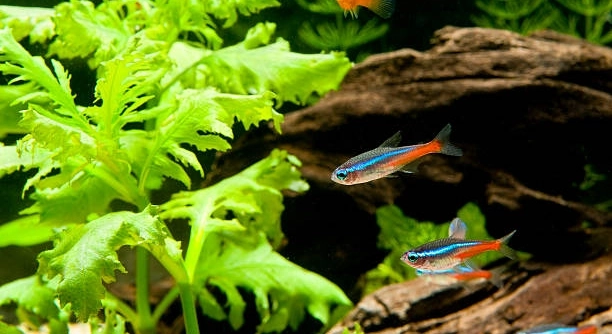
Tetras are popular freshwater fish that many keep in home aquariums. Sometimes, these fish refuse to breed, which can be frustrating for hobbyists who want to see their tanks thrive. Understanding the causes helps improve their chances of successful breeding.
Tetras may refuse to breed due to poor water quality, inadequate diet, lack of proper environment, stress, wrong tank mates, insufficient lighting, or incorrect water temperature. Each factor affects their natural breeding behavior and overall health.
Knowing these key reasons can help you create a better environment for your tetras and increase the likelihood of breeding success.
Poor Water Quality
Maintaining clean water is one of the most important factors for tetra breeding. Dirty or polluted water can stress fish and disrupt their natural behavior. When ammonia, nitrite, or nitrate levels rise, it can create an unhealthy environment, causing tetras to avoid breeding. Frequent water changes and a good filtration system help keep the tank water safe. It’s also important to check the pH level, as tetras prefer slightly acidic to neutral water. A stable environment without sudden changes is key to encouraging spawning. I’ve seen many cases where improving water quality led to a noticeable difference in fish activity and breeding success.
Water with high toxins or incorrect pH discourages tetras from breeding because it affects their health and comfort.
Keeping water clean and stable ensures that your tetras feel safe and healthy enough to reproduce, making breeding much more likely.
Inadequate Diet
A balanced diet rich in nutrients plays a major role in tetra breeding. Tetras need a variety of foods like flakes, frozen bloodworms, and brine shrimp to stay healthy and ready to spawn. Without enough protein and vitamins, their energy drops, and breeding activity slows or stops. Feeding small amounts multiple times a day mimics their natural feeding habits and keeps them in good condition. Overfeeding can cause water quality problems, so it’s important to feed just enough. Including live or frozen foods encourages natural behavior and improves chances for spawning. When I adjusted the diet for some of my tetras, their breeding behavior improved noticeably, showing how much diet matters.
A poor diet weakens tetras and stops their natural breeding instincts.
Making sure tetras get the right mix of food can revive their health and encourage them to breed, helping you maintain a thriving tank.
Stress and Tank Environment
Stress can stop tetras from breeding quickly. Loud noises, frequent disturbances, or sudden changes in the tank make fish nervous.
Tetras need a calm, quiet environment to feel safe enough for breeding. Overcrowding increases stress and causes fighting or hiding, which lowers spawning chances. Keeping decorations like plants and hiding spots reduces stress by giving fish places to retreat. I noticed that when my tank was too busy, the tetras stopped showing breeding signs. Reducing disturbances and providing cover helped them relax and start spawning again.
A stable, peaceful tank helps tetras feel secure, which encourages natural breeding behavior to return.
Wrong Tank Mates
Not all fish get along well, especially when breeding is involved. Aggressive or overly active tank mates can scare tetras and stop breeding.
Peaceful species are better companions because they don’t stress tetras. Tetras often avoid breeding when chased or bullied. Smaller, calm fish work best in community tanks. Avoiding large or aggressive fish reduces competition for food and space, which helps tetras focus on spawning. When I switched some tank mates for quieter species, the tetras began breeding again quickly. It’s important to choose compatible fish to maintain a peaceful environment for breeding success.
Insufficient Lighting
Tetras need the right amount of light to trigger breeding. Too much or too little light can confuse their natural cycles.
A consistent light schedule helps mimic day and night, which encourages spawning behavior.
Incorrect Water Temperature
Tetras breed best in temperatures between 75°F and 80°F (24°C to 27°C). Water that is too cold or too warm slows down their metabolism and breeding readiness. Keeping the temperature stable within this range is crucial. I adjusted my tank heater after noticing no breeding activity, and the tetras responded well once the temperature was right. Proper heating promotes natural behaviors and supports egg development, making breeding much easier.
Lack of Spawning Sites
Tetras look for safe spots to lay eggs. Without plants or spawning mops, they may avoid breeding altogether. Providing plenty of hiding places helps create the ideal environment for spawning.
How can I tell if my tetras are ready to breed?
Tetras show specific signs when they are ready to breed. Males often become more colorful and active, while females may appear rounder with eggs. You might see males chasing females gently or setting up territories near plants or spawning sites. Sometimes, tetras clean surfaces or plant leaves in preparation for laying eggs. Watching their behavior closely can give clues if they’re getting ready to spawn. In my experience, patience is key—these signs don’t always appear immediately after adjusting tank conditions, but they usually come once the environment feels right.
What is the best water condition for breeding tetras?
Tetras prefer slightly acidic to neutral water with a pH between 6.0 and 7.0. The water should be soft to moderately hard, as very hard water can hinder breeding. Temperature should stay steady between 75°F and 80°F (24°C to 27°C). Frequent water changes help maintain cleanliness and stable chemistry, which encourages spawning. Avoid sudden changes in temperature or pH, as these shock fish and stop breeding activity. I found that keeping water parameters stable over time was more effective than trying quick fixes.
How often should I feed my tetras during breeding?
Feeding should be done two to three times daily, offering small amounts each time. Use high-quality food rich in protein, such as live or frozen bloodworms and brine shrimp. This diet boosts their energy and promotes spawning readiness. Overfeeding causes water pollution, so only give what tetras can eat in a few minutes. When I switched to this feeding schedule, my tetras became healthier and more active, which helped trigger breeding.
Can tank size affect tetra breeding?
Yes, tank size plays a role in breeding success. A small or overcrowded tank stresses fish and limits their movement, which reduces spawning behavior. A minimum of 10 gallons is recommended for a small group of tetras, with plenty of space to swim and hide. Overcrowding causes aggression and stress, making breeding less likely. Providing a spacious, well-planted tank gives tetras room to display natural behavior. I noticed a big improvement when upgrading to a larger tank and reducing fish numbers.
What plants or decorations help tetras spawn?
Tetras prefer fine-leaved plants like Java moss, hornwort, or spawning mops to lay eggs on. These plants provide safe hiding spots for eggs and fry, protecting them from being eaten. Dense vegetation mimics their natural environment and encourages natural breeding. Decorations should not block swimming space but offer enough cover. I always add live plants when preparing a breeding tank, and it makes a noticeable difference in how comfortable the fish feel.
How do I care for tetra eggs and fry?
After spawning, remove adult tetras from the breeding tank to prevent egg eating. Keep the water clean and slightly warmer, around 78°F (26°C), to help eggs develop. Eggs usually hatch in two to three days. Feed fry tiny foods like infusoria or specially prepared fry food once they start swimming freely. Regular small water changes are essential to keep the water healthy. I’ve found patience important here, as raising fry takes time and careful attention to water quality and feeding.
Why do tetras sometimes eat their own eggs?
Tetras may eat their eggs due to stress, overcrowding, or lack of hiding spots. Inexperienced parents often do this instinctively. Removing adults immediately after spawning reduces this risk. Providing dense plants or spawning mops also helps protect the eggs. When I first bred tetras, I lost many eggs before figuring out to separate the adults quickly, which improved survival rates dramatically.
Is it necessary to simulate seasonal changes for breeding?
Simulating seasonal changes, like cooler water temperatures or changing light cycles, can encourage breeding by mimicking natural conditions. Gradual lowering of temperature or shortening daylight hours followed by warming and longer light can trigger spawning. This technique isn’t always required but can be helpful if tetras refuse to breed despite good conditions. I used this method a few times when my tetras were reluctant, and it helped restart their breeding cycle.
Final Thoughts
Breeding tetras can sometimes be challenging, but understanding the key reasons they may refuse to breed is the first step toward success. Factors like water quality, diet, stress, and tank environment all play important roles. When these needs are met carefully, tetras are more likely to feel comfortable and ready to spawn. Taking time to observe your fish and adjust conditions patiently will improve the chances of seeing those small eggs and fry in your tank.
It is important to create a stable and peaceful environment for your tetras. Avoid sudden changes in water temperature or chemistry, and provide plenty of hiding places and plants. Feeding a varied diet with enough protein will also support their health and breeding instincts. Removing aggressive or incompatible tank mates reduces stress, giving your tetras the space they need to focus on reproducing. Small changes can make a big difference in how your fish behave.
Patience and consistency are key when trying to breed tetras. It may take a few weeks or more for your fish to respond to improved care and begin spawning. Keep an eye on their behavior and water conditions regularly, making adjustments as needed. Breeding tetras can be a rewarding experience, offering a closer look at their natural life cycle. By providing the right environment and care, you increase the chances of successful breeding and a thriving aquarium.

Hello,
If you enjoy the content that we create, please consider saying a "Thank You!" by leaving a tip.
Every little bit helps us continue crafting quality advice that supports the health, happiness, and well-being of pets around the world, for pets of all shapes, sizes, and species.
We really appreciate the kindness and support that you show us!