
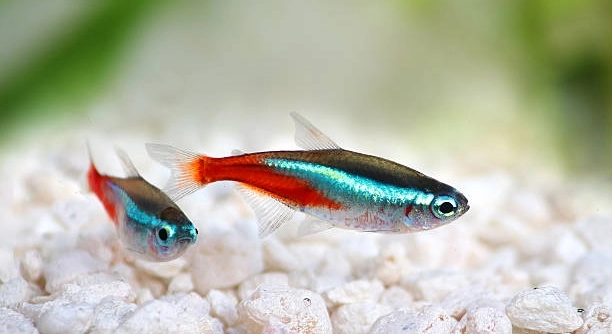
Many aquarium owners notice their tetra fish suddenly disappear after a tank cleaning. This common behavior can be puzzling and sometimes worrying. Understanding why tetras hide after cleaning helps improve their care and comfort in the tank environment.
Tetras hide after tank cleaning primarily due to stress and changes in their surroundings. Sudden disturbances, water parameter shifts, and altered hiding spots cause them to seek shelter until conditions stabilize. This response is a natural survival mechanism in fish behavior.
Recognizing these reasons can help you create a calmer environment for your tetras. This knowledge ensures your fish feel safe and return to normal activity sooner after cleaning.
Sudden Changes in Water Parameters
When you clean a tank, the water conditions often change quickly. Even small differences in temperature, pH, or chemical levels can stress tetras. These fish are sensitive to their environment and depend on stable conditions to feel safe. A sudden shift makes them cautious and triggers hiding behavior. Water conditioners or partial water changes may help reduce this stress but cannot eliminate it entirely. Tetras use hiding as a way to protect themselves until the water stabilizes. Keeping the cleaning routine gentle and consistent can minimize shock and help your fish adjust faster.
Water parameters that fluctuate too much make tetras feel vulnerable, leading them to hide immediately after tank maintenance.
Understanding these changes helps in planning tank cleaning carefully to avoid causing stress. Monitoring water quality before and after cleaning is essential. Using a heater or water testing kit ensures the environment stays within safe ranges. Slowly changing water conditions allows tetras to adapt without panic. Adding natural hiding places like plants or decorations provides security. Over time, the fish learn that the tank remains safe despite maintenance. Being attentive to these details supports the well-being and comfort of your tetras after cleaning.
Loss of Familiar Hiding Spots
Tetras rely on specific hiding places in the tank to feel secure. When cleaning removes or rearranges these spots, fish can become unsettled. Without their usual shelters, they may hide more or stay out of sight. This temporary discomfort occurs because fish need time to adjust to new tank layouts. Leaving some decorations and plants in place during cleaning helps maintain familiar areas. Reintroducing or adding new hiding spots afterward encourages your tetras to explore and feel safe again. Gradual changes in tank design reduce their need to hide for extended periods.
Sensitivity to Movement and Noise
Tetras are very sensitive to sudden movements and loud noises near their tank. Cleaning often involves tapping, splashing, or shifting equipment, which can startle them. This causes them to hide quickly as a protective instinct.
Fish rely heavily on their senses to detect danger. During cleaning, unfamiliar sounds and rapid motions create a stressful environment. This stress triggers hiding behavior until the disturbance ends. Tetras prefer calm surroundings, so even small disruptions can feel threatening. Minimizing noise and handling the tank gently helps reduce their fear. Keeping the room quiet during cleaning lets the fish feel more secure and return to normal behavior sooner.
Repeated exposure to loud noises or abrupt movements may make tetras more prone to hiding in the future. Taking time to clean slowly and carefully allows the fish to acclimate and lowers stress levels over time. Providing soft lighting and quiet conditions supports their well-being.
Changes in Lighting Conditions
Lighting often changes during and after tank cleaning, which can confuse tetras. The lights might be turned off or become brighter, disturbing their usual routine. These shifts cause fish to hide until the environment feels stable again.
Fish are accustomed to a consistent light schedule. When lights suddenly go out or flash on, it disrupts their natural rhythm. Tetras may respond by seeking shelter to avoid perceived threats. Maintaining steady lighting before, during, and after cleaning helps them adjust. Using a timer can ensure the lights follow a regular cycle. Avoiding bright flashes or turning the lights off abruptly keeps tetras calm. Gradual changes in lighting are easier for fish to handle and reduce hiding behavior.
Keeping the tank lighting consistent supports the health and comfort of tetras. It also helps maintain their natural activity patterns. This simple step can make a noticeable difference in their response to cleaning.
Temporary Loss of Scent Trails
Tetras use scent trails to navigate their tank and feel secure. Cleaning often washes away these chemical markers, leaving fish disoriented. This can cause them to hide until they reacquire familiar scents.
Without these cues, tetras may feel vulnerable. They rely on scent trails to find food, mates, and safe spots. When these trails disappear, their confidence drops, and hiding increases. Restoring these markers takes time, so fish stay cautious until the environment smells familiar again.
Stress from Handling and Equipment Use
Handling the tank and equipment during cleaning adds extra stress to tetras. The vibrations and presence of unfamiliar tools can startle them and increase hiding behavior. Minimizing direct contact with the fish and cleaning gently helps reduce this stress.
Shifts in Water Flow
Changes in water flow during cleaning affect tetra behavior. Sudden shifts can make fish uncomfortable, causing them to hide. Gradual restoration of normal flow helps fish adjust faster and reduces stress.
Why do tetras hide after tank cleaning?
Tetras hide after tank cleaning mainly because they experience stress from sudden changes in their environment. Cleaning disrupts the water conditions, removes familiar scents, and rearranges hiding spots. These fish are naturally cautious and use hiding as a way to protect themselves when they feel threatened or uncertain. Stressful noises, movements, and lighting changes during cleaning add to their anxiety. Hiding allows tetras to wait safely until their surroundings feel stable and secure again.
How long do tetras usually stay hidden after cleaning?
The time tetras remain hidden varies depending on the extent of the disturbance and how sensitive the individual fish are. Generally, they might hide from a few hours up to a day or two. If the water parameters stabilize quickly and the tank environment feels safe, they often return to normal behavior sooner. Providing adequate hiding spots and keeping the tank conditions consistent can shorten their hiding period.
Can frequent tank cleaning cause permanent stress in tetras?
Frequent, aggressive cleaning can cause ongoing stress in tetras if done improperly. Constant disruption to their environment may lead to chronic hiding, reduced appetite, or weakened immune systems. To avoid this, clean the tank gently and avoid large changes all at once. Regular partial water changes and maintaining stable water parameters are better than deep, frequent cleanings that disturb the fish heavily.
What can I do to help my tetras feel safe during and after cleaning?
Minimizing sudden changes in water temperature, pH, and flow during cleaning helps reduce stress. Keep the lighting consistent and avoid loud noises or sudden movements near the tank. Preserve some decorations and plants to maintain familiar hiding places. Adding new shelters gradually also helps. Using a water conditioner and testing the water before finishing the cleaning ensures safe conditions for your tetras.
Is it normal for tetras to hide more after a tank rearrangement?
Yes, it is normal. Rearranging decorations or plants changes the environment, causing tetras to feel insecure. They rely on known hiding spots, and moving or removing these areas makes them cautious. Given time, they will adjust to the new layout and start exploring again once they feel safe.
Should I worry if my tetras don’t come out of hiding right away?
It is usually not a cause for concern if tetras hide for a short time after cleaning. This behavior is natural and temporary. However, if hiding continues for several days and is accompanied by other signs like loss of appetite or lethargy, it could indicate stress or illness. Monitoring water quality and fish behavior closely will help identify any issues.
Does the type of cleaning method affect how much tetras hide?
Yes, gentle cleaning methods tend to cause less hiding. Using soft tools, partial water changes, and avoiding complete substrate disruption keeps stress levels lower. Aggressive scrubbing or removing too many plants and decorations at once increases the likelihood of hiding. A careful approach helps fish feel more secure.
Can adding more plants or decorations reduce hiding behavior?
Providing plenty of natural hiding spots can make tetras feel safer and reduce their need to hide excessively. Plants and decorations mimic their natural environment, offering shelter and security. A well-decorated tank helps fish relax after cleaning disturbances by giving them places to retreat that feel familiar.
Are tetras more likely to hide at certain times of day after cleaning?
Tetras may hide more during daylight hours right after cleaning, especially if lighting conditions changed suddenly. They often become more active and visible during their usual feeding times or in dimmer lighting. Maintaining a regular light schedule helps reduce unusual hiding patterns related to cleaning.
What role does water temperature play in tetra hiding after cleaning?
Water temperature changes can greatly impact tetra behavior. Even slight fluctuations during cleaning stress the fish, causing them to hide. Tetras prefer stable temperatures within their ideal range. Using a reliable heater and checking temperature before adding water back into the tank helps prevent unnecessary hiding caused by temperature shock.
Maintaining a healthy aquarium means understanding how your fish react to changes, especially after tank cleaning. Tetras, like many other fish, are sensitive to disturbances in their environment. When you clean the tank, water parameters shift, hiding spots may be removed or moved, and lighting or noises can change suddenly. These factors cause tetras to feel stressed and hide until they feel safe again. This behavior is normal and is part of their natural survival instincts. Being aware of these reasons helps you better care for your fish and reduce their stress during cleaning.
It is important to keep tank cleaning routines gentle and consistent. Avoid making large changes all at once, such as completely rearranging decorations or doing a full water change too often. Partial water changes done carefully, keeping temperature and water chemistry stable, help minimize stress. Also, preserving some familiar hiding spots during cleaning gives tetras places to retreat when they feel unsettled. Gradually introducing new decorations or plants allows fish to adapt without feeling threatened. Simple steps like these make a noticeable difference in how quickly your tetras return to normal behavior after cleaning.
Patience is key when dealing with fish that hide after tank cleaning. Give your tetras time to adjust and settle back into their environment. Monitor their behavior and water quality closely to ensure their well-being. Over time, with steady care and a calm tank environment, tetras will feel secure and less likely to hide. Understanding their natural responses lets you provide the best conditions for your fish to thrive. This creates a more enjoyable and stress-free experience for both you and your aquatic pets.

Hello,
If you enjoy the content that we create, please consider saying a "Thank You!" by leaving a tip.
Every little bit helps us continue crafting quality advice that supports the health, happiness, and well-being of pets around the world, for pets of all shapes, sizes, and species.
We really appreciate the kindness and support that you show us!