
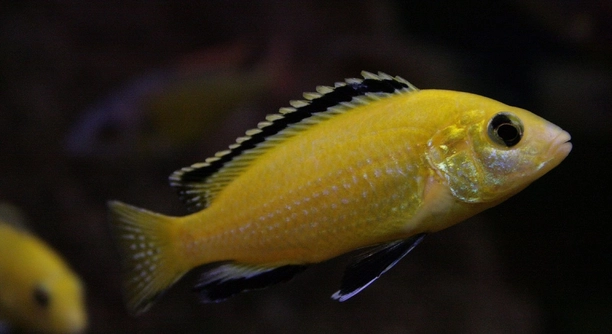
Have you ever noticed how tanks in a group seem to know their place without any instructions? Some tanks naturally take the lead while others fall in line, creating an unspoken hierarchy within their environment.
Tank hierarchy is influenced by multiple factors including size, age, aggression level, feeding behavior, and social experience. Each factor contributes to establishing dominance or submission, resulting in a structured order that determines access to resources and overall group stability.
Understanding these influences can help you manage your tanks better. The way they interact is more complex than it may first appear.
Size and Strength
Larger tanks often hold a natural advantage in hierarchy. Their size makes them more confident and less likely to be challenged by smaller tanks. Strength also plays a role in how they assert themselves, especially during feeding times or when defending territory. I’ve noticed that even small gestures, like pushing another tank aside, can signal dominance. Over time, other tanks learn to respect this presence. While aggression is not always constant, the combination of size and physical strength generally dictates who moves first and who follows. This doesn’t mean smaller tanks are powerless, but they often find ways to coexist while avoiding conflict. It is interesting to see how these interactions stabilize into a predictable order. Size and strength are the first signs you can observe when trying to understand a tank’s position in its group hierarchy.
Large tanks usually gain priority access to food and space, naturally placing them higher in rank.
Observing these dynamics over weeks reveals a consistent pattern. Bigger tanks rarely lose in confrontations, and smaller tanks adapt by staying cautious or waiting their turn. Strength influences behavior in subtle ways too, such as the confidence to explore new parts of the tank. Even non-aggressive displays, like swimming assertively through shared areas, show dominance. The hierarchy allows the group to function with minimal constant fighting, as each tank learns its role. In my own tank, I’ve seen how a previously timid tank gradually gained confidence, yet it never surpassed the naturally larger tanks. This balance of power helps maintain harmony while allowing each tank to express its personality within the established order.
Age and Experience
Older tanks tend to lead younger ones.
Experience gives tanks a better sense of timing and awareness. Older tanks often know when to approach food or avoid conflict.
Age is more than just a number when it comes to hierarchy. Experienced tanks understand subtle signals from others and anticipate potential disputes. Younger tanks often mimic or avoid the behavior of older tanks, learning to navigate social interactions carefully. In my observation, older tanks also set the pace during movement around the tank, influencing when younger tanks explore or retreat. Experience can sometimes outweigh size, especially if an older, smaller tank has been part of a stable group for years. Social memory, recognition of individuals, and familiarity with feeding patterns all contribute to this influence. A tank’s experience helps create predictability in behavior, which reduces tension in the group. In combination with other factors like strength and feeding habits, age and experience play a central role in shaping hierarchy within any tank community.
Aggression and Temperament
Aggressive tanks usually rise in rank quickly. Their boldness and willingness to challenge others establish them as dominant, while more passive tanks learn to avoid confrontation and accept lower positions.
Aggression can be subtle or overt. I’ve noticed some tanks use quick nudges or blocking movements to assert dominance without constant fighting. Others may flare fins or swim rapidly to intimidate peers. These small actions often determine feeding order and preferred spots in the tank. Passive tanks respond by yielding space or avoiding direct contact, which reinforces the hierarchy. Even within a calm group, moments of aggression shape relationships and teach younger or weaker tanks their place. Over time, these behaviors stabilize into predictable patterns that guide daily interactions.
Temperament interacts with aggression, as naturally calm tanks rarely fight but find ways to assert themselves in quieter ways. Understanding each tank’s personality helps explain why some dominate without constant aggression, while others rely on frequent challenges to maintain rank.
Feeding Behavior
Tanks that eat quickly often take the lead in the hierarchy. Their efficiency ensures they get more resources and assert control over feeding areas.
Feeding behavior is a strong influence on social order. I’ve watched tanks that consistently swim faster to food or eat first gain confidence and authority over others. Some tanks patiently wait their turn but are still respected due to strategic placement or subtle dominance displays. Feeding times become structured events, with each tank understanding its role. Dominant tanks often monopolize the best spots, while lower-ranked tanks adapt by feeding around them or at slower times. These patterns repeat daily and create a clear social framework.
The impact of feeding behavior goes beyond just mealtime. Tanks that are quick and assertive in obtaining food often show similar confidence in other areas, like exploring new parts of the tank or interacting with peers. Observing these tendencies helps identify which tanks hold higher positions and why they maintain them. It also highlights how less aggressive or slower tanks adapt to coexist peacefully. Feeding behavior works in tandem with size, age, and temperament to maintain overall order, demonstrating that social hierarchy in tanks is multifaceted and influenced by repeated daily behaviors that reinforce established roles.
Social Experience
Tanks with more social experience usually navigate conflicts better. They understand when to assert themselves and when to step back, which helps maintain their position in the hierarchy.
Experienced tanks also recognize individuals and remember past interactions. This memory allows them to avoid unnecessary fights and focus on asserting dominance only when needed.
Territory and Space
Tanks that control key areas of the tank often gain higher rank. Holding preferred spots like corners, hiding spaces, or feeding zones gives them a clear advantage in interactions with others. These territories become markers of dominance and influence daily movement patterns.
Health and Condition
A healthy tank is naturally more confident. Strong swimming, vibrant color, and active behavior signal vitality, making these tanks more likely to assert themselves and be respected by others in the group.
How do I know which tank is dominant?
Dominant tanks usually show confidence in movement and behavior. They swim through shared spaces without hesitation and often claim prime spots during feeding. I’ve noticed that dominant tanks rarely back down when another tank approaches, and others tend to yield to them. Small displays, like nudges or blocking, signal authority. Over time, these patterns become clear as daily interactions reinforce the hierarchy. Even if a tank isn’t physically the largest, its consistent behavior can place it higher in rank. Watching multiple days of behavior makes dominance easier to identify than judging a single moment.
Can smaller tanks become dominant?
Yes, but it depends on personality, strategy, and social experience. Smaller tanks that are bold and assertive can rise in rank, especially if they use intelligence and timing to avoid direct confrontations. I’ve seen smaller tanks observe patterns during feeding or territory shifts and take advantage when larger tanks are distracted. Confidence, aggression, and knowledge of the tank environment allow them to maintain a higher position than their size might suggest. They may not always win in direct fights, but clever behavior can keep them respected.
How does aggression affect the group?
Aggression establishes boundaries and reinforces social order. Dominant tanks often display brief confrontations or assertive movements to remind others of their position. Passive tanks typically learn to avoid these displays, reducing constant fighting. In my tank, small aggressive gestures like chasing or flaring fins prevent prolonged conflicts. This system creates stability because every tank understands its role. Too much aggression, however, can stress lower-ranked tanks and disrupt harmony. Observing interactions helps balance the group, as aggression can be moderated by space, hiding spots, and careful feeding management.
Does age matter in hierarchy?
Age often influences rank, but it works alongside size, strength, and experience. Older tanks tend to be more confident and aware of social cues. I’ve noticed that younger tanks learn by observing older ones, gradually understanding where they fit in the hierarchy. Experienced tanks anticipate disputes and know when to assert authority, reducing conflicts. Even if they aren’t the largest, their familiarity with the group gives them an advantage. Younger tanks generally adapt by being cautious or following established patterns.
Can health affect hierarchy?
Absolutely. Healthy tanks are more active, confident, and assertive, which naturally places them higher in rank. Weak or sick tanks often retreat, lose confidence, and avoid confrontations. I once had a tank temporarily fall in rank after a minor illness, and it regained its position only after recovery. Vibrant color, steady swimming, and energy during feeding all signal health, helping others recognize which tanks are capable leaders. Maintaining good water quality and nutrition ensures that hierarchy remains stable and that every tank can participate fully.
How does feeding order influence dominance?
Tanks that eat first or fastest often establish higher rank. Quick feeding demonstrates confidence and control. I’ve noticed that feeding time is a clear example of hierarchy in action. Dominant tanks claim the best spots, while others wait or feed around them. Over time, this behavior reinforces the social order. Feeding patterns are repeated daily, making them reliable indicators of rank. Observing who approaches first and how others respond gives insight into both aggression and temperament within the group.
Can territory shifts change hierarchy?
Yes. Controlling preferred areas like hiding spots or central spaces gives tanks an advantage. When a tank takes over a territory, it can assert dominance over others, especially if the area is strategic for feeding or resting. I’ve seen lower-ranked tanks move into empty spaces and gain confidence gradually, sometimes challenging higher-ranked tanks. Space and territory are closely tied to confidence, aggression, and experience, making them a critical component of hierarchy. Observing how tanks react to shifts in territory shows their adaptability and social awareness.
Do temperament differences matter?
Temperament greatly affects hierarchy. Bold, confident tanks naturally rise, while passive ones adapt to avoid conflict. I’ve noticed that calm tanks can still hold respectable positions by being strategic, avoiding unnecessary fights, and asserting themselves subtly. Aggressive temperament helps establish authority but must be balanced to prevent stress in the group. Temperament interacts with size, age, and experience, shaping social order in ways that size alone cannot explain. Watching these behaviors over weeks provides a clear picture of each tank’s role.
How long does it take for hierarchy to stabilize?
Stability depends on group size, personalities, and environmental factors. In my experience, a small group can establish a clear order in a few weeks, while larger or more diverse groups take longer. Initial conflicts are normal, but repeated patterns and consistent behaviors eventually create a predictable hierarchy. Changes in size, health, or territory can temporarily shift rankings, but once adjustments settle, stability returns. Consistent feeding, proper space, and observation help the group reach equilibrium faster, ensuring that each tank knows its place and interactions remain calm.
Can hierarchy change over time?
Yes, hierarchy is flexible. Factors like growth, aging, illness, or new tanks entering the group can alter positions. I’ve seen previously submissive tanks rise as they grow or gain experience, while dominant tanks may drop temporarily after illness. Understanding these dynamics allows for better tank management and reduces stress in the group. Observing daily interactions ensures you notice changes early and can support smooth transitions. Hierarchy is not fixed, but it tends to stabilize once new patterns emerge, reflecting the balance between size, health, aggression, experience, and temperament.
Hierarchy among tanks is a natural part of their social behavior. Each tank has a place determined by factors like size, strength, age, aggression, and feeding behavior. I’ve observed that even small interactions, like swimming through shared spaces or nudging another tank, can clearly show the order in which tanks operate. Dominant tanks often lead movements and take the best spots for feeding or resting, while others adapt by waiting or keeping a safe distance. Understanding these behaviors helps make sense of daily tank interactions and allows for better care. When the hierarchy is stable, tanks are less stressed, conflicts are reduced, and everyone has access to resources in a predictable way. Watching tanks over time reveals these patterns, showing that hierarchy is not random but a consistent structure that supports the group’s balance.
Health and temperament play an important role in hierarchy as well. Tanks that are healthy, active, and confident tend to assert themselves naturally, gaining respect from others in the group. I’ve noticed that even smaller tanks can maintain high rank if they are bold and use strategy to their advantage. Passive or sick tanks tend to fall lower in rank until they regain confidence or strength. Feeding patterns and territory control also reinforce hierarchy. Tanks that eat quickly or hold preferred areas show dominance, while others adapt by avoiding conflict or feeding in secondary spaces. Age and experience matter too, because older tanks are often more aware of social cues and can manage conflicts effectively. All these factors combine, creating a layered and flexible social structure that ensures the tank group functions with minimal disruption.
Hierarchy in tanks is not fixed and can change over time. Changes in size, health, introduction of new tanks, or shifts in territory can temporarily alter positions, though the system usually stabilizes again. I’ve seen lower-ranked tanks grow in confidence or size and eventually challenge higher-ranked individuals, while dominant tanks may lose rank during illness or stress. Observing these changes is useful for maintaining a balanced environment. Understanding hierarchy allows you to provide better care, arrange spaces effectively, and anticipate behavioral issues. It also helps reduce stress for all tanks, because each one knows its place and role within the group. Paying attention to these dynamics ensures a healthier, more harmonious tank community where every tank can thrive and interact safely.

Hello,
If you enjoy the content that we create, please consider saying a "Thank You!" by leaving a tip.
Every little bit helps us continue crafting quality advice that supports the health, happiness, and well-being of pets around the world, for pets of all shapes, sizes, and species.
We really appreciate the kindness and support that you show us!