
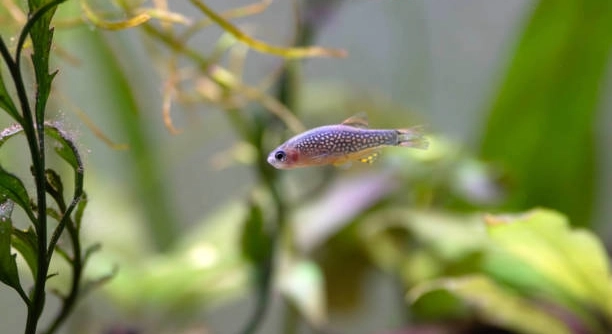
Danios are small, active fish that often display vibrant behavior in home aquariums. Watching them flare their fins can be fascinating, but it can also indicate stress or reactions to their environment. Understanding triggers helps maintain calm tanks.
Danio flaring is primarily caused by environmental stressors, social interactions, and sudden changes in tank conditions. Common triggers include overcrowding, aggressive tank mates, water quality fluctuations, and external disturbances, which lead to defensive or territorial displays.
Recognizing these triggers can improve your aquarium management and create a healthier, more peaceful environment for your fish. It also helps prevent frequent stress responses in your tank community.
Overcrowding in the Tank
When too many danios share a small tank, flaring becomes more frequent. Each fish competes for space and territory, which increases tension. Overcrowding limits swimming space and makes it harder for fish to hide or escape aggressive peers. In some cases, a tight environment leads to persistent stress, affecting their health. Even minor flaring can indicate discomfort if it happens often. Maintaining appropriate stocking levels ensures each fish has enough room to swim freely. Larger tanks reduce competition for resources, letting danios establish small territories without constant conflict. Proper planning also makes feeding easier, as all fish can access food without chasing others away. Observing your tank daily helps you notice subtle signs of stress early, like repeated fin displays or chasing behaviors. Making adjustments in tank size or population can reduce flaring and support calmer, healthier fish. Consistent monitoring ensures that your tank stays balanced and comfortable for everyone.
Providing adequate space prevents constant flaring and supports natural behavior among danios, reducing stress and improving overall health in the aquarium.
Proper tank management starts with knowing how many danios can comfortably live in your setup. Overcrowding affects not just movement but also water quality. High fish density increases waste, which strains filtration systems and leads to rapid chemical changes. Even slight ammonia or nitrite spikes can trigger stress, prompting more flaring. When danios have room to swim, they establish territories naturally without constant confrontations. Aquarists often underestimate the space needed for schooling fish, but proper stocking ensures calmer interactions. Adjusting the number of fish or upgrading tank size can dramatically reduce tension. Overcrowding can also mask other stress indicators, making it harder to spot illness or injury. By observing behavior, maintaining clean water, and spacing fish appropriately, flaring becomes less of an issue. These steps create a stable environment that promotes natural activity, reduces aggression, and encourages healthy social dynamics among the danios.
Aggressive Tank Mates
Aggressive tank mates can trigger frequent fin displays, as danios react to perceived threats or competition. They often flare to defend themselves or establish boundaries.
Introducing peaceful companions helps minimize stress and reduce constant displays of aggression. Avoid species that intimidate or chase danios.
Danios are generally active but not overly aggressive. When placed with more dominant fish, their natural behavior changes. Flared fins signal a defensive or warning posture in response to intimidation. Aggressive species may attack, nip fins, or chase danios, raising stress levels and leading to continuous flaring. Keeping compatible tank mates ensures that danios can swim without fear and express normal social behaviors. Observation is key: watching interactions during feeding and regular activity hours can reveal tension. If aggressive interactions persist, separating species or using tank dividers can provide relief. Choosing calm, non-territorial fish allows danios to exhibit their lively nature without constant stress. Proper pairing encourages harmony and reduces the likelihood of injury, promoting a healthier and more visually appealing aquarium environment over time.
Sudden Changes in Water Conditions
Sudden changes in temperature, pH, or hardness can stress danios, triggering flaring. Even small shifts may cause defensive behavior. Maintaining stable conditions reduces stress and helps fish remain calm and healthy.
Rapid fluctuations in water conditions disrupt the comfort zone of danios. They are sensitive to temperature swings, which can affect metabolism and activity levels. A sudden pH change can irritate their skin and gills, while shifts in water hardness may interfere with natural behaviors. When the water environment becomes unpredictable, flaring acts as a stress response and warning to others. Regular testing and slow adjustments help avoid these problems, allowing danios to thrive. Keeping a consistent water schedule ensures that they experience minimal stress and remain active and healthy.
Using gradual acclimation techniques during water changes or tank adjustments can prevent unnecessary flaring. Monitoring parameters before introducing new water, heating, or adding treatments allows fish to adapt safely. Slow, controlled changes in temperature or chemistry give danios time to adjust without displaying defensive behaviors. Avoiding sudden additions of chemicals or drastic changes in water levels is essential. Over time, these careful practices reduce stress-related flaring and support a calmer, more stable tank environment. Consistent monitoring and preparation make it easier to maintain peaceful interactions among fish.
Overstimulation from Reflections or Lighting
Bright lights or reflections from tank glass can provoke flaring, as danios perceive their own image as a rival. They often react repeatedly, causing stress and energy loss. Adjusting lighting and minimizing reflections helps reduce these behaviors.
Danios rely heavily on visual cues, and strong lighting or mirrored surfaces can trick them into thinking other fish are intruding. Flaring becomes a response to these false signals, increasing stress and disrupting normal activity. Even subtle reflections from windows, equipment, or shiny objects near the tank can trigger repeated fin displays. Using diffused lighting or covering reflective surfaces allows fish to settle and interact naturally. Managing light cycles also supports healthy behavior patterns, reducing aggression caused by visual overstimulation. Proper tank placement and controlled illumination prevent unnecessary stress, allowing danios to focus on schooling and foraging.
Consistently monitoring tank light intensity and reflection sources ensures that danios are not reacting to illusions. Using plants, backgrounds, or decorations can help break reflections and create visual barriers. Adjusting the duration and brightness of aquarium lighting reduces energy expenditure from repeated flaring. Ensuring the tank is positioned away from direct sunlight or reflective areas stabilizes their environment. Over time, these adjustments promote calmer behavior and prevent ongoing stress responses. Fish become more predictable and easier to manage in a well-controlled visual environment.
Hunger and Feeding Competition
When food is scarce, danios flare to assert dominance and compete for resources. This behavior can become frequent if feeding routines are inconsistent or portions are too small. Properly scheduled feeding reduces unnecessary stress and flaring.
Overfeeding or uneven distribution of food can also trigger flaring. Some fish may guard favored spots, chasing others away to claim more. Using multiple feeding points and appropriate portions ensures all danios receive enough nutrition while reducing aggressive displays.
Presence of Dominant Fish
A dominant fish in the tank can cause frequent flaring among less assertive danios. They display fins to establish hierarchy, which can stress other fish if prolonged. Recognizing social dynamics helps maintain a more balanced environment for all individuals.
Sudden Movements Outside the Tank
Rapid hand movements or tapping on the tank glass startle danios, prompting defensive flaring. Minimizing abrupt actions near the tank helps fish feel secure and reduces repeated stress responses.
Why do my danios flare their fins so often?
Danios flare their fins as a response to stress, perceived threats, or competition. Frequent flaring can be caused by overcrowding, aggressive tank mates, sudden changes in water conditions, or environmental disturbances. Observing their behavior helps identify triggers and adjust the tank setup accordingly.
Is flaring harmful to my fish?
Flaring itself is not directly harmful, but repeated stress from constant flaring can affect overall health. It can weaken the immune system, increase susceptibility to disease, and cause exhaustion. Ensuring proper tank conditions, compatible companions, and stable water parameters reduces the negative impact of stress-related flaring.
How can I reduce flaring in my tank?
Reducing flaring involves providing adequate space, compatible tank mates, and stable water conditions. Regular feeding, controlled lighting, and minimizing reflections or sudden movements near the tank also help. Monitoring behavior daily and making adjustments early prevents prolonged stress. Consistency is key to maintaining calm, healthy fish.
Do reflections in the tank make danios flare?
Yes, reflections or mirrored surfaces can trick danios into thinking another fish is present, prompting defensive flaring. Using tank backgrounds, plants, or diffused lighting minimizes reflections and helps fish interact naturally, reducing repeated displays of aggression and stress.
Can aggressive tank mates increase flaring?
Aggressive tank mates trigger frequent flaring as danios respond to threats or competition. Choosing peaceful, non-territorial species allows danios to express natural behaviors without constant defensive displays. Observation is crucial to prevent prolonged stress from dominant or aggressive companions.
Does water temperature affect flaring behavior?
Sudden or extreme changes in water temperature can provoke flaring. Danios are sensitive to rapid fluctuations, which can alter metabolism, activity, and behavior. Gradual adjustments and consistent monitoring of water temperature maintain a stable environment and prevent stress-related fin displays.
Does feeding influence flaring in danios?
Feeding schedules and portion sizes can impact flaring. Insufficient or uneven feeding may lead to competition and dominance displays. Using multiple feeding points and regular, measured portions ensures all fish receive adequate nutrition while reducing stress-induced flaring.
Can overcrowding cause constant flaring?
Overcrowding increases tension among danios, as limited space leads to frequent territorial disputes and defensive displays. Maintaining appropriate stocking levels and providing hiding spots reduces competition and helps fish remain calm. Adequate tank size supports natural swimming and schooling behaviors.
Do sudden movements outside the tank make danios flare?
Rapid hand movements, tapping, or vibrations near the tank can startle danios, prompting defensive flaring. Minimizing abrupt actions around the tank helps fish feel secure and lowers stress, leading to calmer, healthier interactions within the aquarium.
How can I tell if flaring is a sign of serious stress?
Persistent, frequent flaring combined with hiding, loss of appetite, or erratic swimming indicates stress beyond normal territorial behavior. Monitoring water quality, tank conditions, and social dynamics helps identify underlying problems. Early intervention prevents long-term health issues and keeps the aquarium balanced.
Does lighting intensity influence flaring?
Bright lights or harsh illumination can overstimulate danios, triggering flaring. Adjusting light levels, using diffused lighting, and controlling the duration of illumination supports natural behavior and reduces defensive displays. Strategic tank placement away from direct sunlight also helps maintain a calm environment.
Can I prevent flaring completely?
While flaring is a natural behavior, its frequency can be managed. Maintaining proper tank conditions, compatible companions, stable water parameters, and a calm environment minimizes unnecessary stress and energy expenditure. Consistent observation and adjustments allow danios to thrive while displaying minimal aggressive behavior.
How long does it take for danios to calm down after flaring?
Recovery time depends on the cause and intensity of stress. Minor triggers may result in calm behavior within minutes, while prolonged exposure to stressors can take hours or longer. Reducing triggers, providing hiding spots, and maintaining stable conditions help danios return to normal behavior faster.
Do danios flare more during certain times of the day?
Danios may flare more during feeding or active periods when competition and activity increase. Observing patterns can help schedule feedings, lighting, and interactions to minimize stress-related displays, ensuring a balanced and peaceful tank environment.
Can adding plants or decorations reduce flaring?
Yes, plants and decorations provide visual barriers, hiding spots, and areas to establish small territories. These additions reduce tension, break lines of sight that provoke aggression, and help danios feel more secure, decreasing the frequency of defensive flaring.
Should I separate flaring fish from the rest of the tank?
Separation is sometimes necessary if flaring becomes excessive and causes injury or persistent stress. Using dividers or temporary quarantine areas can allow fish to calm down. Addressing environmental factors first usually reduces the need for long-term separation.
Does water quality play a role in flaring?
Poor water quality increases stress and flaring frequency. High ammonia, nitrite, or nitrate levels irritate fish, trigger defensive behaviors, and disrupt natural activity. Regular testing, filtration, and water changes maintain optimal conditions and support calmer, healthier danios.
Can stress from flaring affect breeding?
Stress from repeated flaring can interfere with reproduction. Stressed danios may delay spawning, reduce egg viability, or show aggressive behavior toward mates. Maintaining a calm environment with stable conditions improves chances of successful breeding.
Is flaring normal for all danios?
Flaring is a natural behavior in most danios, but frequency and intensity vary by individual and tank conditions. Occasional displays are normal, but persistent, high-intensity flaring signals stress or environmental issues that require attention.
How can I monitor flaring effectively?
Regular observation during feeding, active periods, and quiet times helps identify triggers. Keeping notes on patterns, water conditions, and social interactions allows early detection of stress, helping you make informed adjustments to reduce flaring and maintain a healthy tank.
This FAQ section provides a practical guide to understanding, managing, and reducing danio flaring while supporting their well-being in a home aquarium.
Danios are lively and social fish, and their flaring behavior is a natural part of how they communicate and interact. Flaring is often a response to stress, territorial instincts, or environmental changes, and it can signal a variety of conditions within the tank. Observing when and how often they flare provides insight into their well-being. By paying attention to these subtle signs, aquarists can better understand the needs of their fish and take steps to ensure a comfortable environment. Recognizing triggers early, such as overcrowding, aggressive tank mates, or sudden changes in water conditions, allows for timely interventions that reduce stress and promote healthier behavior. When handled correctly, flaring can remain a normal, occasional behavior rather than a persistent sign of tension or discomfort.
Maintaining stable water conditions is one of the most effective ways to manage flaring. Sudden changes in temperature, pH, or water hardness can provoke defensive displays, so it’s important to monitor and adjust the tank environment gradually. Proper filtration, regular water testing, and careful attention to chemical balances help keep the tank stable and reduce unnecessary stress. Tank size also plays a crucial role in minimizing flaring. Adequate swimming space ensures that each danio can establish its own territory without constant confrontation. Additionally, providing hiding spots or plants allows fish to feel secure, giving them a place to retreat when tensions rise. Balanced feeding routines are equally important. Overcrowded or uneven feeding conditions can lead to competition, which often increases flaring. Distributing food evenly and maintaining regular feeding schedules helps reduce stress and supports natural social behaviors.
Tank setup, lighting, and companions further influence how often danios flare. Reflections or bright lights can make fish perceive rivals, while aggressive or dominant tank mates may trigger frequent defensive displays. Choosing peaceful species, controlling lighting intensity, and using decorations to break lines of sight all contribute to a calmer environment. It’s also essential to minimize sudden movements around the tank, as startling the fish can provoke repeated flaring. Observing the fish regularly and noting patterns in their behavior allows aquarists to make small adjustments that have a meaningful impact. Over time, these practices create a stable and comfortable habitat where danios can thrive, swim actively, and express natural behaviors without unnecessary stress. Flaring becomes a normal, occasional expression rather than a sign of persistent discomfort, allowing both the fish and their caretaker to enjoy a peaceful aquarium.

Hello,
If you enjoy the content that we create, please consider saying a "Thank You!" by leaving a tip.
Every little bit helps us continue crafting quality advice that supports the health, happiness, and well-being of pets around the world, for pets of all shapes, sizes, and species.
We really appreciate the kindness and support that you show us!