
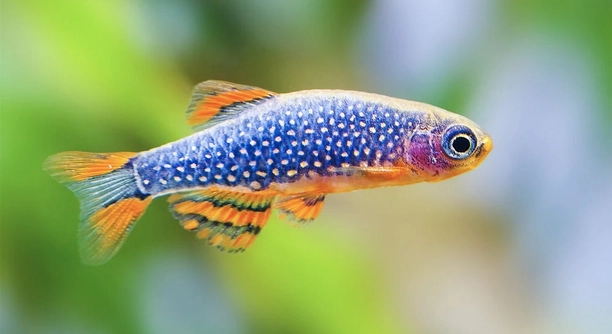
Danios are lively, social fish that thrive in groups. Observing them swim together is fascinating, yet many aquarists notice uneven movement or disorganized shoals in their tanks. Understanding what improves their group behavior benefits both fish and keeper alike.
Shoaling dynamics in Danios can be enhanced through environmental enrichment, proper tank size, balanced group composition, consistent water parameters, feeding routines, visual barriers, and structured social interactions. Each of these factors contributes to synchronized swimming, reduced stress, and overall healthier fish behavior.
Implementing these strategies creates a harmonious aquatic environment, ensuring Danios remain active, healthy, and display natural shoaling patterns consistently over time.
Proper Tank Size
A tank that is too small can quickly disrupt Danio shoaling dynamics. These fish are active swimmers and require ample space to move freely in a coordinated manner. A minimum of 20 gallons is recommended for a small group, but larger groups benefit from tanks of 30 gallons or more. Crowding can cause stress, leading to aggressive interactions and uneven shoaling patterns. In addition to length, the tank’s width and depth matter because they allow the fish to spread out naturally. Including open swimming areas combined with hiding spots encourages healthy activity while giving shy individuals space to avoid constant confrontation. Plants and decorations should be arranged thoughtfully to avoid blocking movement paths. Regular maintenance, including water changes and filter checks, ensures water quality supports energetic swimming. Monitoring fish behavior over time can help identify if the space is adequate. Observing Danios in a spacious tank reveals smoother, synchronized swimming and more natural group behavior.
Proper tank size directly affects stress levels, activity, and cohesion within the Danio group.
A sufficiently large tank allows each fish to maintain personal space while remaining part of the shoal. When Danios have room, they exhibit coordinated movement patterns and social behaviors that are more predictable. Fish in cramped environments often show signs of fatigue or aggression, which can disrupt the natural flow of the group. Strategic placement of plants, rocks, and visual barriers can enhance swimming routes and create zones that encourage exploration. Open areas paired with secure hiding spots help balance activity and safety, reducing tension in the group. Overcrowded tanks increase competition for food and reduce oxygen levels, both of which can negatively impact shoaling dynamics. By choosing a tank that accommodates both group size and swimming behavior, aquarists can foster a stable environment where Danios thrive. Observation over time allows for adjustments to layout and group composition to maintain optimal dynamics, supporting healthier, more synchronized fish.
Balanced Group Composition
A balanced group of Danios ensures harmony in shoaling behavior. Mixing males and females evenly, and avoiding overrepresentation of one size or age group, prevents dominance struggles and reduces stress among individuals.
Group composition influences interaction, hierarchy, and coordinated swimming patterns among Danios.
Shoaling is a social activity, and the presence of compatible peers is essential for cohesion. Small groups can lead to isolation of weaker or smaller fish, which may retreat or be harassed. Larger groups promote natural schooling behavior, but only if members are compatible in size and temperament. Introducing new fish gradually and observing how they integrate into the existing group minimizes disruptions. Avoid combining aggressive or unusually timid individuals with the general population, as this can break shoal consistency. Maintaining an even balance in gender, size, and age helps all fish participate equally, enhancing overall movement synchrony. Aquarists who carefully consider group composition see smoother swimming patterns, fewer skirmishes, and reduced stress, which directly contributes to healthier, more active Danios. Stable groups also recover faster from minor disturbances, keeping the shoal dynamic and predictable.
Environmental Enrichment
Adding plants, decorations, and hiding spots encourages natural behavior and reduces stress among Danios. Varied textures and shapes provide stimulation, helping fish explore their surroundings and maintain active, coordinated shoaling patterns without conflict or boredom.
Environmental enrichment directly influences Danio activity levels and shoaling cohesion. Including live or artificial plants creates vertical and horizontal zones for swimming, allowing fish to interact naturally while maintaining distance when needed. Floating plants offer shade and shelter, while rocks and caves provide resting or hiding areas. Open swimming lanes combined with complex structures encourage both exploration and schooling behavior. Enrichment prevents monotony, reduces stress-related aggression, and promotes healthier, more synchronized shoaling. Observing the fish adapt to new elements can guide gradual adjustments, ensuring each addition enhances movement patterns without overcrowding or obstructing key swimming areas.
Enrichment also encourages mental stimulation, which supports long-term health and social interaction. Fish engage more with their environment, maintaining alertness and responsiveness. This reduces lethargy and minimizes conflicts caused by boredom or territorial disputes, fostering smoother shoaling over time. Careful placement of decorations ensures that fish can move freely while using hiding spots as needed, balancing exploration with security. Over time, enriched tanks display Danios that are more active, cohesive, and visually engaging, reflecting improved shoaling dynamics and overall well-being.
Consistent Water Parameters
Stable temperature, pH, and water quality directly support shoaling behavior. Sudden changes stress Danios, disrupting synchronized swimming and social interactions. Maintaining consistency creates a predictable environment that encourages natural group movement and reduces aggression.
Fluctuating water conditions interfere with Danios’ health and behavior. These fish are sensitive to rapid shifts in temperature, pH, or ammonia levels, which can trigger stress responses and break shoaling cohesion. Regular testing and adjustments ensure parameters remain within safe ranges, allowing fish to swim confidently without hesitation. Filters and partial water changes help maintain clarity and oxygenation, supporting overall vitality. Stress from inconsistent conditions can lead to hiding, lethargy, or aggression, all of which fragment the shoal. Monitoring the tank daily helps prevent problems before they escalate, reinforcing a stable environment that promotes natural swimming patterns.
Maintaining consistent water parameters also supports long-term health. Healthy fish display regular activity levels, coordinate smoothly with group members, and recover faster from minor disturbances. Stability encourages feeding routines, social interactions, and overall responsiveness within the shoal. Inconsistent conditions, on the other hand, can create uneven movement, increase susceptibility to disease, and reduce lifespan. By prioritizing steady water quality, aquarists create a safe, predictable environment that encourages cohesive, balanced shoaling behavior while fostering stronger physical health, making it easier to observe natural Danio dynamics and maintain an active, harmonious aquarium.
Feeding Routines
Regular feeding schedules help Danios stay active and coordinate swimming. Predictable meal times reduce competition and stress, allowing the group to maintain smooth shoaling dynamics consistently.
Balanced diets also prevent aggression. Overfeeding or irregular feeding can cause conflict, whereas portioned meals keep fish healthy and focused on natural group movement.
Visual Barriers
Using plants, rocks, or decorations as visual breaks reduces stress and aggressive encounters. Barriers create zones for individual fish to retreat while staying part of the shoal.
Structured Social Interactions
Gradually introducing new Danios helps maintain harmony within the group. Controlled introductions prevent sudden dominance struggles and allow smooth integration, supporting consistent shoaling behavior.
Observation and Adjustment
Regularly watching the tank ensures issues are noticed early. Adjustments to layout, group composition, or feeding routines help maintain balanced, active, and healthy shoaling dynamics.
FAQ
How many Danios should be kept together for proper shoaling?
Danios are social fish and thrive in groups. Keeping at least six individuals is recommended, though larger groups of ten or more improve cohesion and natural swimming patterns. Small groups can lead to isolated fish or erratic movements, disrupting shoaling dynamics.
Can tank size affect Danio shoaling?
Yes, space is crucial. A cramped tank limits movement and increases stress, which can fragment the shoal. A minimum of 20 gallons is advised for a small group, with larger groups requiring 30 gallons or more to allow free swimming and natural social interaction.
What water parameters support healthy shoaling?
Stable temperature, pH, and water quality are essential. Sudden fluctuations cause stress, break coordination, and increase aggression. Ideal temperature ranges between 72–78°F, and pH should be neutral, around 6.5–7.5. Regular testing and partial water changes maintain a predictable environment.
Does feeding frequency impact group behavior?
Yes. Consistent feeding schedules reduce competition and tension among Danios. Overfeeding or irregular meals can lead to aggressive behavior, uneven swimming, and stress. Portioning food appropriately ensures all fish eat, supporting coordinated shoaling and healthy activity levels.
Are decorations important for shoaling dynamics?
Decorations, plants, and hiding spots provide visual barriers and enrichment. These create zones for fish to retreat without leaving the group, reducing stress and aggressive interactions. Open swimming areas combined with barriers encourage natural movement and help maintain a balanced shoal.
How should new Danios be introduced to an established group?
Gradual introductions prevent dominance struggles. Quarantining new fish first and using visual separation allows the existing shoal to adjust. Slowly removing barriers encourages interaction while minimizing conflict. This approach maintains harmony and ensures smooth integration without breaking shoal cohesion.
Can group composition affect shoaling patterns?
Yes. Mixing males and females evenly, and considering size and age, reduces dominance issues. Overrepresentation of one type can lead to aggression or social imbalance. Balanced groups encourage synchronized swimming, stable hierarchies, and natural social behaviors, improving overall shoaling dynamics.
How often should I monitor shoaling behavior?
Daily observation is best. Watching how fish interact, swim, and respond to changes helps identify early signs of stress, aggression, or illness. Quick adjustments to feeding, layout, or water parameters maintain a cohesive, active, and healthy shoal over time.
Can stress disrupt shoaling permanently?
Prolonged stress can weaken group cohesion and affect health. Short-term stress may cause temporary erratic behavior, but consistent stress from poor water conditions, overcrowding, or incompatible group composition can lead to long-term disruptions. Addressing stressors quickly restores proper shoaling patterns.
Do Danios need enrichment for better shoaling?
Yes. Environmental enrichment stimulates natural behaviors, keeping fish active and coordinated. Plants, rocks, and varied swimming zones prevent boredom, reduce aggression, and enhance shoaling cohesion. Observing how fish use these elements helps maintain an engaging, healthy environment that supports natural group movement.
Is it necessary to separate aggressive individuals?
Sometimes. If a fish consistently harasses others or disrupts the shoal, temporary separation can prevent stress and maintain harmony. Once aggressive tendencies are reduced, gradual reintegration can occur. Monitoring the group ensures balance is maintained without long-term disruption.
How long does it take for Danios to adapt to a new tank?
Adaptation typically takes one to two weeks. During this period, fish explore, establish hierarchy, and adjust to water parameters. Providing stable conditions, enrichment, and a consistent routine supports faster acclimation and helps shoaling behavior normalize quickly.
What are signs of healthy shoaling?
Smooth, synchronized swimming, minimal aggression, active exploration, and coordinated responses to feeding or disturbances indicate a healthy shoal. Fish appear confident, interact naturally, and utilize open and sheltered areas evenly. Regular observation ensures early detection of any changes in behavior.
Can lighting affect shoaling?
Lighting influences activity and perception. Moderate, consistent lighting encourages natural swimming and reduces stress. Sudden changes or overly bright lights may cause hiding or frantic movement, disrupting shoal cohesion. Using timers helps maintain predictable light cycles, supporting natural patterns.
Do water changes improve shoaling?
Yes. Regular water changes maintain clarity, oxygen levels, and water chemistry, reducing stress and supporting active, coordinated swimming. Partial changes prevent sudden fluctuations, ensuring stability, which is crucial for cohesive and healthy shoaling dynamics over time.
How do I know if shoaling issues are behavioral or environmental?
Observation and testing are key. If water parameters, tank size, or enrichment are adequate but erratic swimming persists, behavioral issues may arise from group composition or aggression. Adjusting the group or layout can restore balance, while environmental problems require parameter stabilization or enrichment improvements.
Can Danios recover from disrupted shoaling?
Yes, with proper care. Addressing stressors, ensuring stable water parameters, balancing group composition, and providing enrichment helps restore cohesion. Gradual adjustments and monitoring allow fish to reestablish natural swimming patterns, reducing aggression and supporting a healthy, active shoal over time.
Final Thoughts
Maintaining healthy shoaling dynamics in Danios requires attention to multiple factors, but each step is manageable with consistent care. Tank size, group composition, and environmental enrichment play major roles in how these fish interact. A spacious tank allows for free swimming and personal space, preventing crowding and stress. Even distribution of males and females, along with similar age and size, reduces dominance struggles and encourages smooth, coordinated movement. Decorations and plants create hiding spots and open areas, providing stimulation and a sense of security. When these elements are combined, Danios display natural behaviors and cohesive shoaling, which benefits their physical health and overall well-being. Observing their daily activity gives valuable insight into the success of these adjustments, showing whether changes are needed or the tank is functioning optimally.
Water quality and stability are equally important for supporting healthy shoaling. Regular monitoring of temperature, pH, and ammonia levels prevents stress that can disrupt group behavior. Predictable feeding routines reduce competition and keep all fish active without aggression. Partial water changes maintain clarity and oxygenation, contributing to a balanced environment. Even small fluctuations in conditions can lead to erratic swimming or fragmented shoals, so consistent care is key. By establishing a stable environment, fish feel secure and are more likely to swim in coordinated patterns, which reduces stress and supports long-term health. Paying attention to these details ensures that the aquarium remains a harmonious space where Danios can thrive socially and physically, promoting both their activity and natural behaviors.
Observation and gradual adjustments complete the process of maintaining strong shoaling dynamics. New fish should be introduced carefully to avoid sudden disruption of the group, and aggressive individuals may require temporary separation. Adjusting decorations, feeding patterns, or water conditions can restore balance if the shoal shows signs of stress or disorganization. Regular monitoring allows for proactive care, preventing minor issues from becoming larger problems. By focusing on these key elements, aquarists can create an environment that supports active, cohesive, and healthy shoaling. In the end, these steps provide a consistent, reliable approach to fostering natural behaviors, improving the well-being of the fish, and allowing their energetic and synchronized movements to be enjoyed without constant intervention. With patience and careful observation, maintaining optimal Danio shoaling dynamics becomes a structured, achievable routine.

Hello,
If you enjoy the content that we create, please consider saying a "Thank You!" by leaving a tip.
Every little bit helps us continue crafting quality advice that supports the health, happiness, and well-being of pets around the world, for pets of all shapes, sizes, and species.
We really appreciate the kindness and support that you show us!