
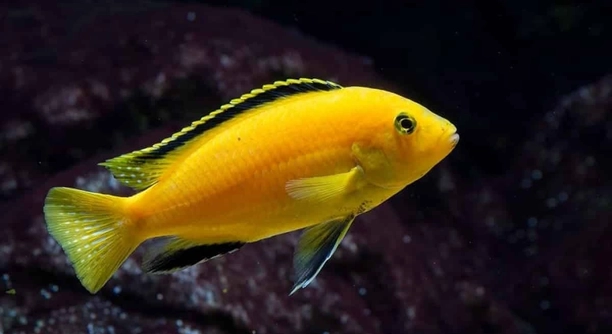
Electric Yellow Cichlids are vibrant fish that brighten any aquarium. Their vision plays an important role in feeding, interacting, and navigating their environment, making it essential to understand what affects how they see and respond.
Several factors can influence the vision of Electric Yellow Cichlids, including water clarity, lighting conditions, diet, age, genetics, stress levels, and overall tank environment. Each factor impacts their ability to perceive colors, shapes, and movements accurately, affecting behavior and health.
Recognizing these influences helps maintain healthy vision and supports the overall well-being of your cichlids in captivity. Proper care ensures they remain active and visually responsive in their aquatic home.
Water Clarity
Water clarity is essential for Electric Yellow Cichlids to see clearly. Cloudy or murky water can reduce light penetration, making it difficult for them to distinguish colors and shapes. Particles and debris in the tank scatter light and can strain their eyes over time, affecting feeding and social interactions. Maintaining proper filtration and performing regular water changes are key steps. Using a combination of mechanical and chemical filtration helps remove suspended particles and dissolved impurities, keeping the water transparent. Avoid overfeeding, as leftover food can increase turbidity and encourage bacterial growth. Observing your cichlids’ behavior can indicate whether water clarity is an issue, such as hesitation when approaching food or poor interaction with tank mates. A clear tank ensures better visual acuity and promotes a healthier environment. Investing in quality water management practices benefits both vision and overall fish health, making the aquarium more enjoyable to watch.
Clear water improves their vision and helps them behave naturally.
Maintaining optimal water clarity is not just about appearance. Clear water ensures proper light reaches all areas, allowing Electric Yellow Cichlids to locate food efficiently and interact socially. Poor visibility can lead to stress and aggression among fish. Consistent monitoring of water parameters, combined with effective filtration, keeps turbidity low. Additionally, limiting excess waste, such as uneaten food or overpopulation, reduces cloudiness. Light scattering from particles can strain eyes over time, affecting feeding success and movement precision. Even small adjustments, like adding a pre-filter sponge or performing partial water changes weekly, can significantly improve clarity. Understanding the relationship between water quality and visual health is vital for long-term care. A transparent environment not only improves vision but also supports immune function, reduces stress, and promotes active, confident behavior. Paying attention to these factors ensures Electric Yellow Cichlids maintain optimal vision and continue to display their vibrant coloration, making the aquarium more vibrant and engaging.
Lighting Conditions
Lighting directly affects how cichlids perceive their surroundings. Bright, consistent light helps them distinguish colors and navigate efficiently.
Proper lighting enhances visual clarity, mimicking natural daylight cycles and reducing eye strain.
Balanced lighting ensures Electric Yellow Cichlids can forage, identify mates, and interact naturally. Too dim or inconsistent lighting can disrupt their daily patterns, affecting overall behavior. Full-spectrum lights simulate sunlight, promoting color recognition and supporting plant growth if live plants are present. Adjusting light duration to 8–10 hours a day prevents stress from prolonged exposure while maintaining a natural rhythm. Positioning lights to avoid glare or shadows ensures all areas of the tank are evenly illuminated. Light intensity can also highlight their bright yellow coloration, making it easier for them to spot each other and respond to visual cues. Monitoring their response to different lighting setups helps identify the ideal conditions. Combining proper lighting with clear water and a well-structured tank environment creates the best conditions for their eyesight, encouraging healthy, confident movement and normal feeding behavior.
Diet and Nutrition
A balanced diet impacts cichlid vision. High-quality foods rich in vitamins, especially A and C, support eye health and color perception. Poor nutrition can weaken eyesight and reduce visual responsiveness.
Providing a varied diet with pellets, flakes, and occasional live or frozen foods ensures all essential nutrients. Vitamin-rich ingredients like spirulina, carotenoids, and leafy greens enhance eye function and maintain vibrant coloration. Feeding in small, frequent amounts prevents overfeeding, which can affect water quality and indirectly impact vision. Supplements can help, but whole foods are more effective. Observing behavior during feeding helps determine whether dietary needs are met.
Consistent proper nutrition strengthens their eyes over time. Foods that are deficient in nutrients may cause slow vision deterioration, reduced activity, and difficulty spotting food. Regular monitoring of their diet and incorporating necessary supplements keeps their visual abilities sharp. Fresh ingredients, rotation of food types, and careful portion control are key to preventing deficiencies. Even minor adjustments in diet can make a significant difference in color perception, clarity, and overall eye health. By prioritizing nutrition, Electric Yellow Cichlids remain active, responsive, and visually alert.
Age and Genetics
Age affects how well Electric Yellow Cichlids see. Younger fish generally have sharper vision, while older fish may experience natural decline. Genetics also determine eye health and color sensitivity.
Genetic traits can predispose fish to visual issues or color perception differences. Selecting healthy breeders and avoiding inbreeding helps maintain strong eyesight in offspring. Monitoring older fish for changes in activity or feeding patterns can indicate age-related vision decline. Environmental care, including proper diet and water conditions, supports eye function throughout life.
Understanding the interplay between age and genetics allows better care planning. As fish age, gradual changes in eye structure or lens clarity may reduce visual acuity. Maintaining consistent conditions, nutritious food, and low-stress environments helps slow these effects. Some genetic lines may be more prone to cataracts or other eye issues, making careful breeding and observation essential. By tracking individual development and adjusting care accordingly, you can help cichlids retain sharper vision longer. Supporting both hereditary and age-related factors ensures they remain active, alert, and capable of responding to their surroundings.
Stress Levels
Stress can negatively affect Electric Yellow Cichlids’ vision. Crowded tanks, aggressive tank mates, or sudden changes in the environment can increase stress and reduce their ability to see clearly.
Minimizing stress involves maintaining stable water conditions, providing hiding spots, and monitoring interactions. Calm, predictable surroundings help preserve visual health and prevent behavioral issues.
Tank Environment
A well-structured tank supports healthy vision. Rocks, plants, and open swimming areas allow natural movement and reduce eye strain. Avoid sharp decorations that could injure eyes.
Consistent water temperature, proper filtration, and adequate lighting create an environment where cichlids can navigate safely. Tanks that mimic natural habitats promote visual engagement and overall health.
Genetics and Breeding
Breeding choices influence eye health and vision quality. Selecting strong, healthy stock reduces the risk of inherited visual problems. Careful pairing helps maintain robust eyesight across generations.
How can I tell if my Electric Yellow Cichlid has vision problems?
Signs of vision issues include hesitation when swimming, difficulty finding food, or bumping into objects. Fish may appear less active or overly cautious. Changes in eye appearance, such as cloudiness or swelling, can also indicate problems. Observing daily behavior helps detect issues early.
What water conditions are best for their eyesight?
Clear water with low ammonia, nitrites, and nitrates is essential. Maintain stable pH and temperature to prevent stress that can affect vision. Regular water changes and effective filtration reduce particles and debris, allowing light to reach them properly and supporting eye health.
Does diet really affect their vision?
Yes, proper nutrition is crucial. Foods rich in vitamins A, C, and carotenoids improve eye function and color perception. Providing high-quality pellets, flakes, and occasional live or frozen foods ensures they get essential nutrients. Supplements can help but should complement whole foods.
How often should I adjust lighting in the tank?
Lighting should follow a consistent daily cycle, typically 8–10 hours. Bright, even light supports visual clarity and reduces eye strain. Avoid sudden changes or overly intense lights, as they can stress fish and temporarily impair their vision. Using full-spectrum lights mimics natural daylight.
Can stress really impact vision?
Stress can temporarily reduce visual acuity. Crowding, aggressive tank mates, or sudden environmental changes increase cortisol levels, affecting behavior and focus. Providing hiding spots, stable water parameters, and a calm tank environment helps maintain clear vision and normal activity levels.
Do age and genetics play a significant role?
Yes, younger cichlids generally have sharper vision, while older fish may experience natural decline. Genetic traits influence eye health and color sensitivity. Careful breeding and selecting healthy stock reduce inherited vision problems and help maintain eyesight in future generations.
Are certain tank decorations better for eyesight?
Smooth surfaces, natural rocks, and live plants prevent accidental injury to the eyes. Open swimming areas reduce collisions. Avoid sharp or rough decorations that can scratch or irritate eyes. Structuring the tank to mimic their natural habitat encourages normal visual behavior.
How can I prevent long-term vision problems?
Maintain stable water conditions, provide a balanced diet, limit stress, and use proper lighting. Regular observation allows early detection of issues. Supporting overall health with these measures ensures Electric Yellow Cichlids retain good vision throughout their lives.
Do cloudy or dirty tanks directly affect vision?
Yes, suspended particles and debris scatter light, reducing clarity. Fish may struggle to locate food or navigate effectively. Regular cleaning, proper filtration, and avoiding overfeeding are essential to maintain water clarity and protect eyesight.
Is it possible to improve eyesight once problems occur?
Improvement depends on the cause. Nutritional deficiencies can be corrected with diet changes, while stress-related vision issues may resolve when conditions stabilize. Age-related or genetic problems are less reversible, but proper care can slow decline and maintain comfort.
How important is monitoring daily behavior?
Daily observation is critical. Subtle changes in swimming patterns, feeding behavior, or interaction with tank mates can indicate vision problems. Early detection allows corrective measures before long-term damage occurs. Consistency in observation helps maintain healthy, visually active cichlids.
Can lighting color affect their perception?
Full-spectrum lighting supports natural color recognition. Certain LED or tinted lights may alter perception, making it harder for fish to distinguish objects or food. Consistent, balanced lighting ensures optimal visual conditions and reduces stress on their eyes.
What role does tank size play in vision health?
Larger tanks allow more movement, reducing stress and collisions that can strain eyes. Small, overcrowded tanks increase risk of injuries and stress-induced vision problems. Providing adequate space supports natural behavior and helps maintain clear, healthy vision.
Are supplements necessary for every cichlid?
Not always, if the diet is balanced and high quality. Supplements are helpful when nutritional gaps exist, especially for vitamins supporting eye health. Overuse can harm water quality, so they should complement a varied diet rather than replace it.
How often should I check for eye issues?
Regularly observing fish during feeding and routine maintenance is sufficient. Look for cloudiness, swelling, or unusual behavior. Prompt attention to early signs prevents worsening conditions and ensures long-term visual health.
What is the impact of poor water movement on vision?
Inadequate flow can allow debris to accumulate, reducing visibility. Proper water circulation ensures particles are filtered out and light penetration is consistent. Balanced currents also reduce stress, helping fish maintain focus and normal visual activity.
Do live plants help their vision?
Yes, live plants improve water quality by absorbing excess nutrients, reducing debris and turbidity. They also create shaded areas, reducing eye strain, and encourage natural behavior that keeps vision sharp and eyes healthy.
How can I protect young cichlids’ eyes?
Ensure clean water, proper nutrition, gentle lighting, and low-stress environments. Avoid overcrowding and provide small hiding spaces. Early care establishes strong eyesight and supports normal development into adulthood.
Are there signs of permanent vision loss?
Persistent cloudiness, consistent bumping into objects, or lack of response to food may indicate irreversible damage. Age, genetics, or severe environmental issues often contribute. Early intervention can prevent further deterioration.
Can tank mates affect vision?
Aggressive or fast-moving fish can stress cichlids, making them less responsive visually. Territorial disputes may lead to eye injuries. Choosing compatible species and monitoring interactions helps protect eyesight and reduce stress-related vision problems.
How important is consistency in care for vision?
Consistency in water quality, diet, lighting, and stress management is vital. Sudden changes can temporarily impair vision, while steady conditions support healthy eyes, normal behavior, and long-term visual acuity.
Electric Yellow Cichlids are beautiful fish that rely heavily on their vision to interact with their environment. Their ability to see clearly affects feeding, social interactions, and overall behavior in the tank. Maintaining good visual health is not only about making the aquarium look attractive but also about ensuring the fish live comfortably and behave naturally. Factors like water clarity, lighting, diet, stress, and genetics all play a role in shaping how these fish perceive their surroundings. Paying attention to these aspects helps prevent common vision issues and supports long-term well-being. Observing daily behavior is an important part of this care. Simple actions, like noticing hesitation while swimming, difficulty finding food, or changes in color perception, can provide early warnings of potential problems. Addressing issues early often prevents further damage and keeps the cichlids active and responsive.
Water quality is one of the most influential factors for cichlid vision. Clear, stable water allows light to penetrate the tank evenly, enabling fish to see objects, food, and tank mates properly. Regular water changes and proper filtration reduce debris and particles that could scatter light and strain their eyes. Overfeeding and leftover food can cloud the water, so careful portion control is necessary. Lighting also contributes to visual clarity, and consistent, full-spectrum lighting helps cichlids distinguish colors and navigate efficiently. Stress, caused by overcrowding, aggressive tank mates, or sudden environmental changes, can temporarily reduce visual acuity and lead to abnormal behavior. Providing a calm, well-structured tank with hiding spots and open swimming areas helps reduce stress and allows cichlids to focus on feeding and interacting naturally.
Diet and genetics are additional elements that affect eyesight. A balanced diet rich in vitamins and nutrients supports eye health and maintains vibrant coloration. Feeding high-quality pellets, flakes, and occasional live or frozen foods ensures they receive essential vitamins like A and C. Some vision issues are hereditary, so selecting healthy breeding stock and avoiding inbreeding helps maintain good eyesight across generations. Age naturally affects vision, with younger fish seeing more clearly than older individuals, but proper care can slow decline. Paying attention to all these factors—water quality, lighting, stress, diet, and genetics—creates an environment where Electric Yellow Cichlids can maintain healthy vision and thrive. Focusing on these elements ensures they remain active, visually alert, and able to enjoy their surroundings fully, supporting both their health and the enjoyment of their aquarium.

Hello,
If you enjoy the content that we create, please consider saying a "Thank You!" by leaving a tip.
Every little bit helps us continue crafting quality advice that supports the health, happiness, and well-being of pets around the world, for pets of all shapes, sizes, and species.
We really appreciate the kindness and support that you show us!