
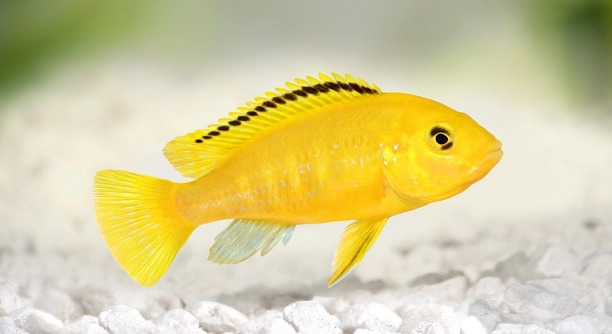
Are your electric yellow cichlids showing signs of stress despite careful care and a clean tank? Many hobbyists struggle with maintaining proper water flow, which can quietly impact their fish’s health and behavior over time.
Improper tank flow is a common contributor to stress in electric yellow cichlids. Issues such as uneven currents, strong turbulence, or stagnant areas disrupt natural swimming patterns, interfere with feeding, and affect oxygen distribution, ultimately compromising their overall well-being.
Recognizing these flow problems early helps ensure your cichlids remain healthy, active, and comfortable in their aquatic environment. Proper water movement can make a noticeable difference.
Uneven Water Flow
Electric yellow cichlids thrive in a consistent water current that allows them to swim naturally. Uneven flow creates areas where water moves too quickly and spots that are nearly stagnant. Fish often avoid areas with strong turbulence, which reduces their exercise and can lead to stress. Stagnant zones can accumulate debris and uneaten food, lowering water quality. Over time, this imbalance affects fish behavior, appetite, and overall health. Observing your tank regularly helps identify these uneven zones, allowing adjustments in filter placement or the addition of flow-directing equipment. Even small changes, like repositioning rocks or decorations, can help distribute water more evenly. Keeping a steady, moderate flow not only mimics their natural habitat but also ensures oxygen is properly circulated. Monitoring how fish interact with currents provides clues about tank conditions. Electric yellow cichlids are sensitive to these changes, and correcting flow inconsistencies can lead to more active, less stressed fish, making the tank a healthier environment overall.
Proper distribution of water helps reduce stress and keeps fish swimming evenly throughout the tank.
Adjusting filter output, rearranging decorations, and checking for blockages can solve most uneven flow problems. Consistent monitoring ensures long-term comfort for your cichlids.
Strong Turbulence
Strong turbulence occurs when filters or pumps create excessive water movement that overwhelms electric yellow cichlids. These fish prefer moderate currents and can become stressed if they constantly fight strong flow. Turbulence disrupts swimming patterns, feeding behavior, and resting periods, leaving fish exhausted.
Excessive turbulence can also stir up substrate, cloud water, and interfere with the tank’s biological balance. Fish may hide more often or display rapid gill movement, signaling distress. Choosing appropriate pumps and directing flow away from resting or feeding areas reduces stress. Testing flow speed by hand or observing fish movement helps determine if adjustments are needed. Some tank decorations like caves or plants can act as buffers, calming turbulent areas and providing hiding spaces. Regular maintenance ensures pumps are functioning correctly and debris does not increase turbulence. By creating calmer zones and balancing flow, electric yellow cichlids regain natural swimming patterns, eat regularly, and maintain healthier gill function. Over time, managing turbulence leads to calmer, more confident fish and a visually appealing tank environment that reflects their natural habitat.
Blocked Filter
A blocked filter reduces water flow and lowers oxygen levels, stressing electric yellow cichlids. Debris buildup can cause uneven currents and stagnant areas, impacting swimming patterns and feeding habits. Regular cleaning prevents these issues and maintains a healthier tank environment.
Filters can become clogged with uneaten food, plant matter, or waste, which decreases efficiency and disrupts water circulation. When flow is restricted, oxygen distribution suffers, making it harder for fish to breathe comfortably. Stagnant zones may develop, allowing debris to accumulate further. Monitoring filter output and inspecting it weekly ensures consistent water movement. Replacing or rinsing filter media keeps the system effective. Electric yellow cichlids rely on steady currents for activity and stress reduction, so maintaining a clean, unobstructed filter supports both their physical and behavioral health in the tank.
Blocked filters also increase ammonia and nitrate buildup, causing long-term stress for cichlids. Regular maintenance preserves water quality, flow, and overall fish well-being.
Inadequate Pump Placement
Incorrect pump placement can create dead spots or areas of strong current, causing uneven water movement. Fish may avoid these zones, limiting swimming space and increasing stress. Proper positioning ensures balanced circulation throughout the tank.
Placing the pump near one end of the tank often results in uneven currents. Fish may crowd in areas with calmer water, leading to territorial conflicts and reduced exercise. Observing swimming patterns helps identify problematic zones. Adjusting the pump angle, adding flow directors, or repositioning decorations can improve distribution. Pumps near the surface may also create excessive turbulence, while those too low may leave lower areas stagnant. Balancing placement allows consistent water movement from top to bottom, supporting oxygen circulation and waste removal.
Optimizing pump location enhances overall tank stability, reduces stress, and allows electric yellow cichlids to swim freely and behave naturally.
Overcrowding
Too many fish in the tank disrupt water flow and create stress for electric yellow cichlids. Crowding limits swimming space and increases aggression, affecting both behavior and overall health. Adjusting population helps maintain proper flow and reduces tension among fish.
Overcrowding can also cause uneven oxygen distribution. Fish may compete for calmer areas, leaving some constantly exposed to stronger currents. This imbalance affects feeding patterns and increases susceptibility to disease. Reducing numbers or upgrading tank size restores adequate swimming space and ensures even circulation, supporting healthier, more active cichlids.
Large Decorations
Large decorations can block water movement, creating stagnant zones. Cichlids may avoid these areas, limiting swimming options and increasing stress. Careful placement ensures better flow and allows fish to navigate freely.
Inadequate Surface Agitation
Surface agitation helps oxygenate water and promote gas exchange. Without it, oxygen levels drop, affecting electric yellow cichlid health. Regularly adjusting flow or using surface devices maintains proper aeration.
Poorly Designed Tank Layout
A tank layout that obstructs flow leads to uneven currents and resting zones. Fish may spend too much energy swimming or hiding, increasing stress levels. Arranging decorations and equipment to allow smooth circulation improves comfort and reduces strain on cichlids.
FAQ
How can I tell if water flow is stressing my electric yellow cichlids?
Signs of stress include erratic swimming, hiding for long periods, reduced appetite, or clamped fins. Fish may avoid areas with strong current or crowd stagnant spots. Monitoring behavior daily helps identify whether flow issues are contributing to stress and allows timely adjustments to tank setup.
What is the best way to balance water flow in my tank?
Balancing flow involves adjusting filter output, repositioning pumps, and using decorations to guide currents. Flow should be moderate, allowing cichlids to swim comfortably without being pushed or trapped in turbulent zones. Observing fish movement helps determine if changes are effective, ensuring even distribution of oxygen and nutrients.
How often should I check my filter and pump for blockages?
Filters and pumps should be inspected weekly to remove debris and maintain efficiency. Clogged equipment reduces water circulation and oxygen levels, creating stagnant zones. Cleaning or replacing filter media as needed ensures consistent flow and keeps the tank healthy for electric yellow cichlids.
Can tank decorations affect water movement?
Yes. Large rocks, driftwood, or plants can block flow and create dead spots. Position decorations to allow smooth circulation, and use flow directors if necessary. Proper layout ensures all areas receive adequate water movement, supporting natural swimming behavior and reducing stress.
Is overcrowding a serious problem for flow?
Overcrowding limits swimming space, increases aggression, and creates uneven currents. Fish may compete for calmer areas, leaving some constantly exposed to strong flow. Reducing numbers or upgrading to a larger tank improves circulation, promotes exercise, and helps maintain overall health for electric yellow cichlids.
What role does surface agitation play in tank health?
Surface agitation is important for oxygen exchange and maintaining water quality. Insufficient agitation lowers oxygen levels, affecting fish respiration and overall health. Adjusting filter output or adding devices like a spray bar helps maintain adequate surface movement, supporting both oxygenation and stable flow patterns throughout the tank.
How do I prevent strong turbulence from stressing my cichlids?
Directing water away from resting areas, adjusting pump speed, and using decorations as buffers reduces turbulence. Fish need areas with moderate flow to swim naturally. Observing swimming behavior helps ensure that currents are comfortable, preventing exhaustion and promoting calmer, more confident cichlids.
Can flow issues affect feeding habits?
Yes. Uneven or strong flow can prevent cichlids from reaching food easily or disturb feeding patterns. Fish may avoid high-current areas, leaving uneaten food in stagnant zones. Adjusting flow and placing food in calmer spots helps ensure all fish can feed comfortably and reduces stress.
What maintenance practices support healthy water flow?
Regular filter and pump cleaning, checking for debris, monitoring fish behavior, and adjusting tank layout are key. Keeping equipment functioning properly and maintaining even flow prevents stress, supports oxygen distribution, and encourages natural swimming and feeding behaviors in electric yellow cichlids.
How long does it take for cichlids to adjust after flow improvements?
Adjustment time varies, but most electric yellow cichlids begin displaying calmer behavior within a few days to a week. Consistent moderate flow, improved circulation, and proper tank layout allow fish to regain natural swimming patterns, reduce stress, and restore healthy feeding and social behaviors.
Can I use multiple pumps to improve flow?
Yes, using multiple pumps or powerheads can help create balanced circulation in larger tanks. Ensure placement avoids creating excessive turbulence or dead zones. Testing flow direction and speed allows you to fine-tune the setup for consistent, comfortable water movement throughout the tank.
Are there signs that indicate flow is too weak?
Weak flow leads to stagnant areas, debris buildup, and low oxygen levels. Fish may remain in one spot, show reduced activity, or exhibit labored breathing. Increasing filter output, repositioning equipment, or adding circulation aids helps restore proper flow and improves overall tank health.
Does water temperature interact with flow effects?
Yes. Warmer water holds less oxygen, so proper flow becomes more critical in heated tanks. Strong currents in warm water can increase stress, while stagnant zones may exacerbate low oxygen conditions. Balancing temperature and flow ensures a healthier, more comfortable environment for electric yellow cichlids.
What are simple ways to test if my tank flow is effective?
Observing fish behavior, using floating test objects, and monitoring debris movement help evaluate flow. Fish swimming evenly and exploring all areas indicate proper circulation. Adjusting pump speed or placement based on these observations ensures balanced currents and reduces stress for cichlids.
How do I integrate plants without disrupting flow?
Position plants along tank edges or in areas that do not block main currents. Dense vegetation can create calm zones while still allowing overall circulation. Observing fish interaction with planted areas helps ensure flow remains adequate for swimming, feeding, and oxygen distribution.
Can flow issues trigger health problems beyond stress?
Yes. Poor circulation can cause low oxygen levels, accumulation of waste, and uneven temperature distribution. These conditions increase susceptibility to disease and reduce overall vitality. Maintaining consistent, moderate flow supports both physical health and natural behavior, reducing long-term risks for electric yellow cichlids.
How do I maintain flow in a heavily decorated tank?
Use flow-directing devices, space decorations strategically, and avoid stacking rocks or wood in ways that block movement. Regularly check for dead zones and adjust equipment placement. Properly balanced flow in decorated tanks ensures fish can navigate comfortably and reduces stress caused by obstructions.
Are there flow patterns cichlids prefer?
Electric yellow cichlids favor moderate, consistent currents that allow swimming without excessive effort. They avoid strong turbulence and completely stagnant areas. Creating a mix of gentle flow with calm zones mimics natural habitats, promotes activity, and minimizes stress while supporting healthy feeding and resting behavior.
Can small changes in flow have a big impact?
Yes. Even minor adjustments to pump placement, filter speed, or decoration positioning can improve swimming comfort, reduce hiding behavior, and support oxygen distribution. Observing responses to changes helps fine-tune the tank for optimal water movement and happier, healthier electric yellow cichlids.
Maintaining proper water flow in a tank is essential for the health and comfort of electric yellow cichlids. These fish rely on consistent currents to swim naturally, exercise regularly, and access food without stress. When flow is uneven, too strong, or blocked, it can disrupt their behavior and overall well-being. Observing your fish daily provides valuable insight into how water movement affects them. Small changes in swimming patterns, hiding spots, or feeding habits can indicate areas where the flow needs improvement. By paying attention to these signals, adjustments can be made to filters, pumps, or tank layout to create a balanced environment. Proper circulation also supports oxygen distribution and waste removal, helping maintain clean, stable water conditions. Over time, this careful attention reduces stress, prevents health problems, and encourages more active, confident fish. Electric yellow cichlids are sensitive to changes in their environment, so ensuring consistent flow is a key factor in their long-term welfare.
Regular tank maintenance is another important factor in supporting healthy water flow. Filters should be cleaned and inspected to prevent clogs, while pumps need to be positioned correctly to avoid stagnant zones or areas of excessive turbulence. Even decorations and plants can influence currents, so careful placement is necessary to allow smooth circulation. Adjustments such as redirecting flow, spacing objects strategically, or adding flow directors can make a noticeable difference in water movement. Overcrowding should be avoided, as too many fish in a tank disrupts natural swimming patterns and creates stress. Observing behavior while making these changes ensures that the cichlids are comfortable and able to explore all areas of the tank. Consistency is key: maintaining steady flow, oxygen levels, and clean water helps electric yellow cichlids thrive in a healthy, low-stress environment. Proper maintenance routines create conditions that support both physical health and natural behaviors, giving fish the opportunity to exhibit normal activity patterns.
Ultimately, understanding the impact of tank flow on electric yellow cichlids allows for more informed care and a healthier aquarium. Adjusting pumps, filters, decorations, and stocking levels can resolve many common stress-related problems. Monitoring fish behavior closely helps identify any remaining issues so they can be corrected quickly. Balanced flow not only improves swimming and feeding but also ensures that oxygen and nutrients are evenly distributed throughout the tank. When these factors are managed carefully, electric yellow cichlids show less hiding, better activity, and more natural interaction with their surroundings. Paying attention to the subtle cues of stress and making timely corrections creates a stable, comfortable environment that supports long-term health. Proper water movement is not just a technical detail; it directly affects the daily life of the fish. Consistent, moderate flow, combined with routine maintenance and thoughtful tank arrangement, ensures that electric yellow cichlids remain vibrant, healthy, and at ease in their aquatic home.

Hello,
If you enjoy the content that we create, please consider saying a "Thank You!" by leaving a tip.
Every little bit helps us continue crafting quality advice that supports the health, happiness, and well-being of pets around the world, for pets of all shapes, sizes, and species.
We really appreciate the kindness and support that you show us!