
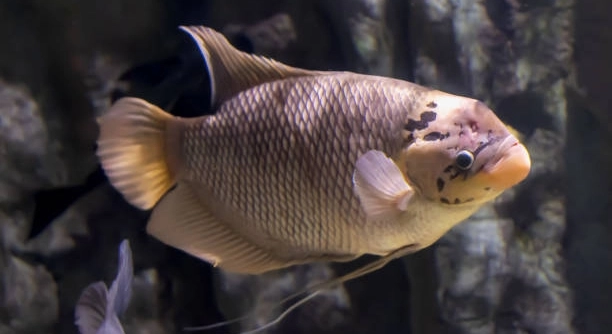
Gouramis are popular freshwater fish that many enjoy breeding at home. However, successful breeding can sometimes be tricky due to various factors that interfere with their natural process. Understanding these disruptions helps hobbyists care better for their fish.
Several key factors disrupt gourami breeding, including poor water quality, incorrect temperature, insufficient hiding spots, incompatible tank mates, improper diet, stress from frequent disturbances, and inadequate breeding conditions. These elements directly affect spawning behavior and fry survival rates.
Recognizing these common issues can improve your chances of raising healthy gourami offspring. Let’s explore the details behind these disruptions and how they impact the breeding process.
Poor Water Quality
Maintaining clean water is essential for gourami breeding. Dirty or polluted water stresses the fish and can prevent them from spawning. Ammonia and nitrite levels must be kept at zero, while nitrates should remain low. Frequent water changes help keep the environment healthy. Additionally, pH levels should be stable and suitable for gouramis, usually between 6.0 and 7.5. Sudden changes in water parameters can shock the fish, causing them to stop breeding. Many people underestimate how sensitive gouramis are to water conditions. Providing a well-filtered tank with gentle water flow is crucial. When water quality is poor, gouramis might avoid their nesting behaviors or even abandon their eggs. Keeping the tank clean not only supports breeding but also helps fry survive and grow strong after hatching.
Water quality affects fish health and breeding success directly. Clean, stable water conditions are necessary for gouramis to spawn properly.
If water parameters aren’t stable, gouramis won’t feel safe enough to breed. Regular testing and partial water changes help keep conditions ideal. Using a reliable filter and avoiding overfeeding also reduce waste buildup. It’s a good idea to cycle your tank fully before introducing breeding gouramis to avoid harmful toxins. Even slight pollution can cause stress and reduce fertility. If you notice fish acting lethargic or hiding excessively, check the water quality immediately. Keeping the water clean makes breeding less stressful and improves the chances of healthy fry.
Incorrect Temperature
Gouramis need specific temperatures to breed successfully. Most species thrive between 75°F and 82°F (24°C to 28°C). Temperatures outside this range can slow down or stop spawning altogether. If it’s too cold, their metabolism drops, and they lose interest in breeding. Too warm, and the water may hold less oxygen, stressing the fish. Stable temperature is just as important as the right temperature range. Sudden drops or rises can shock gouramis and disrupt breeding patterns. Using an aquarium heater with a thermostat helps keep the temperature steady. Monitoring the temperature daily ensures conditions remain suitable. When temperature is controlled properly, gouramis will feel more comfortable and display natural breeding behaviors, like bubble nest building.
Temperature plays a key role in triggering spawning. Proper and steady warmth encourages gouramis to breed naturally.
Inconsistent temperature often causes stress, leading to reduced spawning activity or even egg abandonment. Some gourami species may tolerate slight fluctuations, but it’s best to avoid any sudden changes. The use of a heater with an accurate thermostat is recommended for consistent warmth. Position the tank away from drafts, windows, or heating vents to maintain stable conditions. If the room temperature changes dramatically, consider insulating the tank. Careful temperature control supports healthy development of eggs and fry as well. Ensuring the right warmth not only helps start breeding but also improves fry survival by creating a comfortable environment throughout the early stages.
Insufficient Hiding Spots
Gouramis need plenty of places to hide when breeding. Without enough cover, they feel exposed and stressed, which can stop spawning. Plants, caves, or floating leaves create a safe environment for both adults and fry.
Providing dense vegetation helps gouramis feel secure during breeding. Floating plants like duckweed or frogbit offer shade and shelter, while thicker rooted plants give hiding spots near the bottom. Gouramis build bubble nests near cover, so having multiple options encourages natural behavior. Lack of hiding spots can cause aggression or stress, especially from other tank mates, disrupting breeding. Fry also need places to hide after hatching to avoid being eaten. Arranging the tank with various hiding places increases comfort and promotes successful breeding and fry survival.
It’s important to balance open swimming space with enough shelter. Avoid overcrowding the tank but ensure there are sufficient plants and decorations that serve as cover. Some gouramis prefer tall plants, while others use broad leaves for nest building. Regularly check hiding spots to keep them clean and intact. This will help gouramis stay calm and focused on breeding without distractions or threats.
Incompatible Tank Mates
Not all fish get along well during breeding, especially gouramis. Aggressive or overly active tank mates can stress the breeding pair and interrupt their spawning. Peaceful species that keep to themselves work best.
Tank mates like small tetras or rasboras usually don’t bother gouramis. However, fast swimmers or fin-nippers can cause anxiety, leading to failed breeding attempts. It’s crucial to observe how fish interact and remove any aggressive individuals. Breeding gouramis benefit from a calm environment where they feel safe and undisturbed. Crowded tanks increase stress and competition for space, making breeding difficult. Choosing compatible tank mates and providing enough room reduces conflicts and supports a successful breeding season.
Improper Diet
A balanced diet is essential for gouramis to breed well. Poor nutrition weakens their health and reduces spawning readiness. Feeding high-quality flakes, pellets, and live or frozen foods helps provide necessary nutrients.
Overfeeding or feeding only one type of food can cause health problems. A varied diet supports energy levels and improves breeding success.
Stress from Frequent Disturbances
Gouramis are sensitive to constant noise, movement, or tank changes. Frequent disturbances cause stress, which stops breeding behavior. Keeping the tank in a quiet, low-traffic area helps.
Limiting handling and sudden changes in the tank environment lets gouramis feel safe. Stress-free conditions encourage natural spawning and protect fry development.
Inadequate Breeding Conditions
Breeding gouramis require specific tank setups like proper space, water depth, and floating plants for bubble nests. Without these, spawning may fail.
Setting up a separate breeding tank with gentle filtration and calm water improves success. Supporting their natural habits leads to better egg laying and fry survival.
Frequent Tank Cleaning
Excessive cleaning can remove beneficial bacteria and disturb eggs or fry. Clean the tank gently and avoid disrupting nests.
FAQ
What is the best water temperature for gourami breeding?
Most gouramis breed best between 75°F and 82°F (24°C to 28°C). Keeping the temperature steady within this range encourages spawning and healthy fry development. Sudden changes can stress the fish, so using a heater with a thermostat is a good idea to maintain consistent warmth.
How often should I change the water during breeding?
Partial water changes of about 20-30% once a week help keep water clean without shocking the fish. Avoid full water changes because sudden shifts in water chemistry can harm eggs or fry. Regular testing of ammonia, nitrite, and nitrate levels ensures safe conditions.
Can gouramis breed in a community tank?
Gouramis can breed in community tanks, but success is less likely if tank mates disturb or stress them. Aggressive or overly active fish should be avoided. A separate breeding tank with peaceful companions or alone is often better for optimal results.
What should I feed breeding gouramis?
A varied diet including high-quality flakes, pellets, and live or frozen foods like brine shrimp or bloodworms provides the nutrients gouramis need to spawn. Feeding small amounts 2-3 times daily supports energy levels without polluting the water.
How do I know if my gouramis are ready to breed?
Signs include males building bubble nests and increased chasing or courtship behaviors. Males often become more colorful, and females may appear rounder with eggs. If these behaviors are missing, environmental conditions might need adjusting.
Why do gouramis sometimes eat their eggs?
Egg eating happens when gouramis feel stressed or insecure, or if the eggs are unhealthy. Providing enough hiding spots and keeping the tank calm reduces this behavior. Removing the parents after spawning can also protect the eggs.
How long does it take for gourami eggs to hatch?
Gourami eggs usually hatch within 24 to 36 hours after being laid. Fry become free-swimming about 3 to 4 days after hatching. During this period, it’s important to maintain stable water conditions and avoid disturbing the nest.
Should I remove the fry from the breeding tank?
Removing fry is recommended to prevent them from being eaten by adults or other tank mates. Transfer fry gently to a separate rearing tank with clean water and fine food like infusoria or newly hatched brine shrimp to ensure survival.
What kind of filtration is best during breeding?
A gentle filter that doesn’t create strong currents is best for breeding gouramis. Sponge filters or filters with adjustable flow help maintain water quality without disturbing bubble nests or stressing the fish.
Can I use plants to help gouramis breed?
Yes, floating and dense plants provide essential shelter and surfaces for bubble nests. Plants also help improve water quality and reduce stress by offering hiding places for both adults and fry.
How do I reduce stress for breeding gouramis?
Keep the tank in a quiet area away from loud noises and sudden movements. Limit handling, maintain stable water conditions, and avoid overcrowding. A calm environment encourages natural breeding behaviors.
What should I do if the gouramis don’t build bubble nests?
Check water quality, temperature, and diet first. Make sure there are enough floating plants or surfaces for nest building. Reducing stress and providing a peaceful environment usually encourages nest creation.
How long does it take for gouramis to reach breeding age?
Most gouramis reach sexual maturity between 6 to 12 months, depending on the species and care. Proper feeding and stable tank conditions can help them mature faster and healthier.
Can different gourami species breed together?
It’s best to avoid mixing species during breeding, as hybrids may occur and offspring may be less healthy. Keeping one species per breeding tank ensures better results and pure lineage.
What are common mistakes that prevent successful breeding?
Common issues include poor water quality, wrong temperature, lack of hiding spots, stress from tank mates, improper diet, and frequent disturbances. Addressing these factors improves chances of healthy breeding.
How do I care for fry after hatching?
Feed the fry tiny live foods like infusoria or newly hatched brine shrimp several times a day. Keep the water clean with gentle filtration and regular partial water changes. Provide hiding places to protect fry from being eaten.
Breeding gouramis can be a rewarding experience, but it requires attention to several important details. Understanding the factors that disrupt breeding is key to success. From maintaining clean water and proper temperature to providing enough hiding spots and a suitable diet, each element plays a vital role. When these conditions are met, gouramis are more likely to display natural behaviors and produce healthy offspring. It’s important to remember that patience and consistency go a long way in achieving good results. Small changes in the environment or care routine can have big effects on breeding success.
Stress is one of the biggest challenges when trying to breed gouramis. Factors like aggressive tank mates, frequent disturbances, or sudden changes in water quality can easily upset the fish. Creating a calm and stable environment helps reduce stress and encourages spawning. Providing plenty of cover, limiting noise and movement near the tank, and choosing peaceful companions are simple ways to support a breeding-friendly atmosphere. Additionally, feeding a balanced diet keeps gouramis healthy and ready to breed. These steps help protect not only the adults but also the eggs and fry during their most vulnerable stages.
Finally, successful gourami breeding is about balance. It’s important to prepare the tank with the right setup but also to be flexible and watch how the fish respond. Regular monitoring of water conditions and fish behavior allows quick adjustments when needed. Avoid rushing or making too many changes at once. Breeding takes time and care, but by addressing common disruptions, hobbyists can increase their chances of raising strong, healthy gouramis. Paying attention to details and providing a stress-free environment are the best ways to enjoy this part of fishkeeping.

Hello,
If you enjoy the content that we create, please consider saying a "Thank You!" by leaving a tip.
Every little bit helps us continue crafting quality advice that supports the health, happiness, and well-being of pets around the world, for pets of all shapes, sizes, and species.
We really appreciate the kindness and support that you show us!