
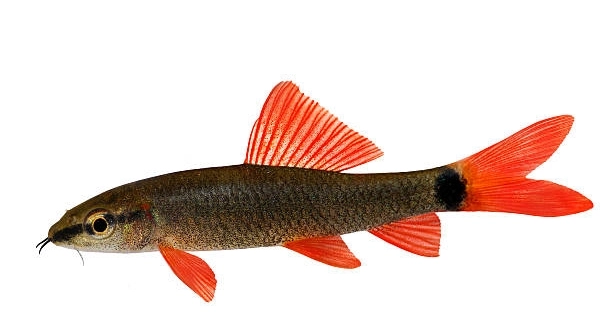
Many people enjoy keeping rainbow sharks as colorful additions to their aquariums. These fish need proper care to stay healthy and vibrant. Knowing what can harm them helps ensure they live comfortably in the tank.
Several factors can negatively impact the health of rainbow sharks, including poor water quality, inappropriate tank size, aggressive tank mates, improper diet, sudden changes in environment, lack of hiding places, and stress caused by overcrowding. Each of these can lead to illness or even death if not managed properly.
Learning about these risks will help you provide a better environment for your rainbow shark. Keeping them safe means understanding how small changes can make a big difference.
Poor Water Quality
Poor water quality is one of the most common reasons rainbow sharks become sick. These fish are sensitive to changes in water conditions, such as high levels of ammonia, nitrites, or nitrates. Dirty water can cause stress and weaken their immune systems. It’s important to regularly test the water and perform partial water changes to keep toxins low. The tank should have a good filtration system that can handle the bioload. Maintaining stable temperature and pH levels also helps the fish stay healthy. Neglecting these factors often leads to fin rot, infections, and other health problems. Rainbow sharks live best in clean, well-maintained tanks where water parameters are consistent.
Keeping water clean means checking it at least once a week and removing any uneaten food or waste. Proper care in water management is essential for your fish’s survival and well-being.
By staying on top of water quality, you can avoid many common health issues. Clean water supports your fish’s natural behavior and vibrant colors. It also reduces the risk of disease, making your tank a safer home.
Tank Size and Space
Rainbow sharks need enough space to swim and explore. A small tank can cause stress and limit their growth.
A tank smaller than 30 gallons is usually too cramped for a rainbow shark. They are active swimmers and enjoy having room to move freely. Crowded tanks can lead to aggressive behavior and injuries. Lack of space can also cause poor water quality because waste builds up faster in smaller volumes. Providing adequate space reduces stress and allows the fish to display natural behaviors. A bigger tank also makes it easier to maintain stable water conditions. Choosing the right size tank ensures a happier, healthier rainbow shark.
Aggressive Tank Mates
Aggressive tank mates can stress or injure your rainbow shark. They do not get along well with very territorial or nippy fish.
Choosing compatible species is important. Rainbow sharks can be territorial themselves, so mixing them with aggressive fish often leads to fights. Avoid species known to nip fins or chase others aggressively. Peaceful, similarly sized fish work best as tank mates. Overstocking the tank also increases aggression and stress. Observing your fish regularly can help you notice signs of bullying early. If aggression appears, rearranging decorations or separating fish may be necessary.
Creating a calm environment reduces stress and promotes natural behavior. Happy fish tend to show brighter colors and better health. Keeping the right tank mates is key to this balance.
Improper Diet
Feeding your rainbow shark the wrong diet can cause health issues like malnutrition or digestive problems. They require a balanced diet rich in protein and some plant matter.
A poor diet lacking variety weakens the immune system and stunts growth. Rainbow sharks are omnivores and benefit from high-quality pellets, live or frozen foods, and occasional vegetables like spinach or zucchini. Avoid overfeeding, as this leads to water pollution and obesity. Feed small amounts twice daily, ensuring the fish finish their food quickly. Providing the right nutrition supports their energy and vibrant colors.
Balanced feeding promotes longevity and overall vitality. Understanding their diet helps avoid common health problems linked to poor nutrition.
Sudden Changes in Environment
Sudden changes in water temperature or chemistry stress rainbow sharks. They need a stable environment to thrive.
Even small fluctuations can cause shock or illness. Avoid rapid water changes and maintain consistent conditions.
Lack of Hiding Places
Rainbow sharks feel safer when they have hiding spots. Without shelters, they become stressed and vulnerable to bullying.
Provide caves, plants, or decorations to create secure spaces. This helps reduce stress and encourages natural behavior.
Overcrowding
Overcrowding in the tank raises stress levels and causes poor water quality. Too many fish compete for space and resources.
A crowded tank increases aggression and makes maintaining clean water difficult. Keep the fish population balanced to support their health.
FAQ
How often should I change the water in my rainbow shark’s tank?
It’s best to change about 20-30% of the water every week. This keeps harmful chemicals like ammonia and nitrites at safe levels. Frequent water changes help maintain stable water conditions and reduce stress for your fish. Always use dechlorinated water at the right temperature to avoid shock.
What is the ideal tank size for a rainbow shark?
A minimum of 30 gallons is recommended. Rainbow sharks grow up to 6 inches and need space to swim and claim territory. Larger tanks help reduce aggression and make water maintenance easier. Bigger tanks also allow for better hiding spots and proper decoration.
Can rainbow sharks live with other fish?
Yes, but tank mates should be chosen carefully. Avoid aggressive or fin-nipping species. Peaceful, similarly sized fish are the best companions. Too many fish or incompatible species increase stress and fighting.
What do rainbow sharks eat?
They are omnivores. Feed a mix of high-quality pellets, frozen or live foods like bloodworms, and occasional vegetables such as spinach or zucchini. Avoid overfeeding to prevent water quality problems.
How do I know if my rainbow shark is stressed?
Signs include hiding excessively, losing color, refusing food, or showing aggressive behavior. Stress can be caused by poor water conditions, overcrowding, or aggressive tank mates. Improving tank environment usually helps reduce stress.
Is it normal for rainbow sharks to be territorial?
Yes, they are naturally territorial, especially as they mature. Providing enough space and hiding places helps reduce fights. Rearranging tank decorations can also break up territories and ease aggression.
Can temperature changes harm my rainbow shark?
Sudden or large temperature changes can shock the fish and cause illness. Keep the water temperature stable, ideally between 74-80°F (23-27°C). Use a heater and thermometer to monitor and maintain temperature.
What diseases commonly affect rainbow sharks?
Common issues include fin rot, ich, and bacterial infections. These often result from poor water quality or stress. Early treatment with proper medication and improved tank conditions is crucial.
How much should I feed my rainbow shark?
Feed small amounts two times a day, only what they can eat in a few minutes. Overfeeding pollutes the water and can cause health problems like bloating and obesity.
Do rainbow sharks need special lighting?
They do best with moderate lighting. Too bright can stress them, while too dim may affect their activity. Adding plants or decorations can provide shaded areas for comfort.
These FAQs cover the most common concerns and care tips for rainbow sharks. Keeping them happy requires attention to water quality, diet, tank size, and their social needs. Regular observation will help you catch problems early and maintain a healthy aquarium.
Taking good care of a rainbow shark means understanding what can harm it in the tank. Many factors like water quality, tank size, and the types of tank mates can affect the fish’s health and happiness. Keeping the water clean and stable is very important because poor water can quickly cause illness. Changing part of the water regularly and using a good filter helps keep the environment safe for your fish. Rainbow sharks need enough space to swim freely, so a tank that is too small can stress them and limit their natural behavior. Providing hiding places also helps reduce stress, giving your fish a safe spot to rest.
Feeding your rainbow shark the right food in the right amount is also key to its wellbeing. These fish are omnivores and need a mix of protein and plant matter to stay healthy. Overfeeding can pollute the tank and cause health problems, so it’s best to feed small portions twice a day. Choosing compatible tank mates is another important step. Aggressive or fin-nipping fish can hurt your rainbow shark and cause stress. Observing your fish regularly will help you spot signs of stress or illness early. Making small changes to the tank setup or diet can prevent many problems before they get serious.
Overall, caring for a rainbow shark requires attention to detail and a little patience. When you maintain clean water, provide enough space, offer good food, and choose peaceful tank mates, your fish will be healthier and more active. Stress is one of the main reasons these fish become sick, so reducing it is the best way to keep them happy. By following these simple guidelines, you create a better home for your rainbow shark where it can thrive and show off its beautiful colors. Taking the time to learn and adjust will make your aquarium a peaceful place for both you and your fish.

Hello,
If you enjoy the content that we create, please consider saying a "Thank You!" by leaving a tip.
Every little bit helps us continue crafting quality advice that supports the health, happiness, and well-being of pets around the world, for pets of all shapes, sizes, and species.
We really appreciate the kindness and support that you show us!