
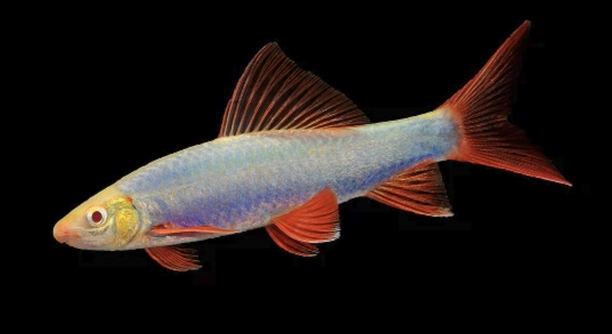
Are your rainbow sharks acting sluggish or hiding more than usual? These colorful fish need the right amount of food to stay healthy and active. Feeding them properly helps maintain their bright colors and overall well-being.
Rainbow sharks that need more food often show signs like constant searching for food, rapid fin movement, and weight loss. These behaviors indicate their nutritional needs are not being met, which can affect their health and lifespan if left unaddressed.
Recognizing these signs early can help you adjust feeding habits and improve your fish’s quality of life. Understanding their needs ensures your rainbow sharks stay vibrant and lively in your aquarium.
Signs of Constant Searching for Food
When a rainbow shark is always on the move, looking for food, it usually means it is hungry. These fish are naturally active and curious, but if you notice them darting around the tank more than usual, especially near the surface or decorations, they might be trying to find extra food. This behavior can also come with them picking at plants or substrate, which shows they are trying to fill their stomachs.
This constant searching is a clear sign that your rainbow shark needs more food. It’s important to respond before the fish becomes weak or stressed.
Not feeding enough can affect their immune system, making them more vulnerable to diseases. It also slows their growth and dulls their bright colors. Increasing feeding frequency or quantity with the right type of food can make a big difference in their behavior and health.
Rapid Fin Movement and Restlessness
Rapid fin movement often means the fish is trying to get more oxygen or food. This restless behavior is another sign your rainbow shark might be hungry. It shows they are not comfortable with their current feeding schedule.
Fish usually flare their fins when excited or stressed. If your rainbow shark seems agitated and keeps moving its fins rapidly, it’s time to adjust their feeding routine. They need balanced nutrition for energy and calmness.
Weight Loss and Visible Signs
Weight loss in rainbow sharks can be subtle at first. Their bodies start to look thinner, and their bellies may appear sunken. This is a serious sign of hunger and poor nutrition. When they don’t get enough food, their muscles weaken, and they lose their strong shape.
You might also notice their colors becoming less vibrant. A healthy rainbow shark has bright, shiny scales. When underfed, their colors fade because they lack essential nutrients. This loss of color can be the first visible clue something is wrong.
Checking your fish regularly helps you catch weight loss early. Feeding small, nutritious meals several times a day supports steady growth and vibrant coloration.
Adjusting Feeding Habits
Feeding rainbow sharks more often can solve many hunger-related problems. It’s better to feed smaller amounts multiple times than one large meal a day. This mimics their natural feeding habits and keeps them healthy.
The right food matters. High-quality pellets, flakes, and occasional live or frozen foods provide balanced nutrition. Avoid overfeeding, but don’t let them go hungry. Observing their behavior after feeding helps you find the perfect amount.
Feeding adjustments improve your fish’s energy, appearance, and longevity. Regular monitoring keeps your aquarium thriving.
Hiding More Than Usual
Rainbow sharks that need more food often hide frequently. They retreat to corners or under decorations, avoiding the rest of the tank. This behavior signals discomfort and possible hunger.
Hiding is a stress response. When these fish don’t get enough to eat, their energy drops, making them less willing to swim openly. They may avoid light and activity to conserve energy. Over time, lack of food causes them to seek shelter more often, which is not normal for such active fish. Paying attention to how often your rainbow shark hides helps detect feeding issues early.
Providing enough food reduces hiding and encourages more natural, active swimming. You’ll notice your fish exploring the tank again once their needs are met.
Slow Growth and Development
Slow growth can be hard to spot but is an important sign of underfeeding. Rainbow sharks usually grow steadily when given a balanced diet. If you notice your fish staying small or not developing its fins fully, it may not be eating enough.
Proper feeding supports muscle development and scale health. Without sufficient nutrients, growth slows down, and the fish becomes weaker. Juvenile rainbow sharks are especially vulnerable because they need more food for development. Even adult fish need consistent nutrition to maintain size and strength.
Improving feeding routines with nutrient-rich foods encourages normal growth. Avoid overfeeding, but ensure your rainbow shark receives enough calories daily. Keeping track of growth rates helps you adjust feeding and catch problems before they worsen. Healthy fish are a sign your feeding routine is working well.
Lack of Interest in Food
A rainbow shark that needs more food may suddenly lose interest in eating during regular feeding times. This can happen because they feel weak or stressed from hunger.
When fish are underfed, they can become lethargic, making them less motivated to compete for food. This behavior should be a warning to reassess their diet and feeding schedule.
Excessive Aggression
Hunger can cause rainbow sharks to act aggressively toward tank mates. This behavior often results from frustration due to not getting enough food.
Aggression may include chasing or nipping other fish. Ensuring your rainbow shark is well-fed can reduce stress and improve harmony in the tank.
Faded Colors
When rainbow sharks don’t get enough nutrients, their colors can lose brightness. Fading colors are a clear sign of poor nutrition and health.
Proper feeding with a balanced diet restores their vibrant hues and overall vitality.
FAQ
How often should I feed my rainbow shark?
Feeding your rainbow shark 2 to 3 times a day in small portions works best. Frequent, smaller meals mimic their natural feeding habits and prevent overeating. Overfeeding can pollute the tank, but too little food leaves them hungry and weak.
What types of food are best for rainbow sharks?
A balanced diet includes high-quality sinking pellets, flakes, and occasional live or frozen foods like bloodworms or brine shrimp. Vegetables such as blanched spinach or zucchini can also be added. This variety ensures they get protein, fiber, and vitamins needed for health and color.
Can I tell if my rainbow shark is underfed just by looking at it?
Yes, visible signs like weight loss, faded colors, and slow movement can indicate underfeeding. If your fish looks thinner or less vibrant, or seems lethargic, it may not be getting enough food. Monitoring these signs regularly helps catch feeding problems early.
Is it possible to overfeed a rainbow shark?
Absolutely. Overfeeding causes uneaten food to decay, polluting the tank and harming water quality. It can lead to obesity and health problems in fish. Feed only what your rainbow shark can eat within a few minutes, and remove leftovers promptly.
What should I do if my rainbow shark refuses to eat?
Refusal to eat may result from stress, illness, or poor water conditions. Check water parameters and tank environment first. Offering varied foods or feeding at different times can help. If refusal persists, consult a vet experienced with fish.
How can I improve my rainbow shark’s appetite?
Try feeding live or frozen foods to stimulate hunger. Adjust feeding times and reduce light during feeding to mimic natural conditions. Maintaining a clean tank and stable water parameters also helps keep appetite strong.
Does tank size affect feeding behavior?
Yes, small tanks can stress rainbow sharks, affecting their feeding habits. Larger, well-planted tanks provide space to explore and reduce competition for food. Proper environment encourages regular feeding and natural behavior.
Can stress affect my rainbow shark’s need for food?
Stress from overcrowding, aggressive tank mates, or poor water quality can reduce appetite and increase energy needs. Addressing these stressors and feeding appropriately helps maintain health and behavior.
Are there signs that indicate my rainbow shark is eating enough?
Active swimming, bright colors, and consistent growth are good indicators. If your fish eagerly comes to feed, maintains body condition, and shows natural behavior, it’s likely eating enough.
How important is water quality for feeding?
Water quality is crucial. Poor water conditions can make fish stressed and reduce their appetite. Clean water supports digestion and nutrient absorption, so regular maintenance is essential for healthy feeding.
Final Thoughts
Feeding your rainbow shark the right amount of food is very important for its health and happiness. These fish need enough food to stay active, grow well, and keep their beautiful colors bright. If they do not get enough food, they may start showing signs like hiding more, losing weight, or acting restless. Paying close attention to how your rainbow shark behaves and looks can help you know if it needs more food. Small changes in feeding can make a big difference in your fish’s life.
It is also important to provide a balanced diet. Rainbow sharks do best with a variety of foods, including pellets, flakes, and sometimes live or frozen foods. Vegetables can be a good addition too. Feeding them smaller amounts multiple times a day is better than giving one large meal. This helps prevent problems like water pollution and overeating. It also matches their natural eating habits. Watching how much your fish eats and adjusting their food helps keep the tank clean and your fish healthy.
Lastly, keeping the tank environment good is key. Clean water, the right tank size, and peaceful tank mates help reduce stress for your rainbow shark. Stress can affect their appetite and overall well-being. When the environment is healthy and you feed your fish well, they will be more active and colorful. Taking time to learn and observe your rainbow shark’s needs shows care and helps your fish live a long, happy life in your aquarium.

Hello,
If you enjoy the content that we create, please consider saying a "Thank You!" by leaving a tip.
Every little bit helps us continue crafting quality advice that supports the health, happiness, and well-being of pets around the world, for pets of all shapes, sizes, and species.
We really appreciate the kindness and support that you show us!