
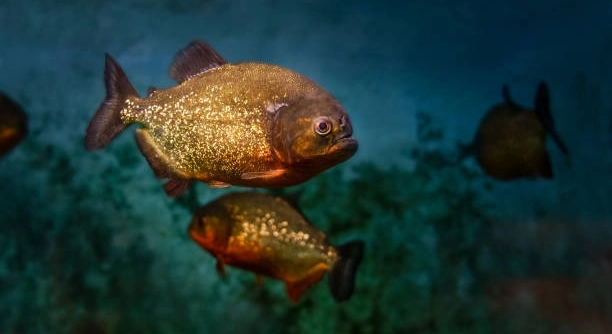
Piranhas are often seen as aggressive fish, but their behavior changes in response to different situations. When they become overstimulated, they display certain actions that help them cope with their environment. These behaviors reveal important details about their instincts and survival tactics.
When overstimulated, piranhas tend to swim rapidly in groups, increase their biting activity, exhibit heightened aggression, produce loud noises, display erratic movements, seek shelter, and sometimes reduce their feeding temporarily. These responses serve as mechanisms to manage stress and environmental pressure effectively.
Understanding these behaviors can provide valuable insight into piranha biology and how they interact with their surroundings. This knowledge helps in managing their care and studying their ecological role in aquatic systems.
Rapid Swimming in Groups
When piranhas become overstimulated, one of the most noticeable behaviors is rapid swimming in groups. This fast, synchronized movement helps them react quickly to threats or changes in their environment. Swimming in tight schools increases their chances of survival by confusing predators or potential threats. The rapid movement also allows them to disperse excess energy caused by overstimulation. This group behavior is a natural response to stress, allowing piranhas to stay alert and maintain safety through numbers. It is a way for them to communicate urgency among each other without direct confrontation. This behavior often precedes other defensive or aggressive actions, signaling the shift in their state. Understanding this response is crucial when observing piranhas in captivity or the wild, as it indicates heightened sensitivity to environmental stimuli that can affect their overall well-being.
Rapid group swimming is an important sign of piranhas managing stress effectively.
This behavior serves both defensive and social functions. It reduces individual vulnerability and helps piranhas coordinate responses to threats. In captivity, sudden changes like loud noises or rapid feeding can trigger this action. Observing how tightly and quickly they swim together offers insight into their current stress levels. It also informs caretakers about necessary adjustments to their habitat. In natural settings, this response aids in protection against predators and maintaining group cohesion. Recognizing rapid swimming as a stress response helps improve piranha care and supports healthier environments for these fish.
Increased Biting Activity
Heightened biting is common when piranhas feel overstimulated or threatened. It is a direct way to defend themselves or establish dominance.
When overstimulated, piranhas tend to increase their biting behavior as a form of aggressive response. This biting is often not aimed at large prey but at anything nearby, including tank walls or other fish. It helps them release tension and assert control within their group. The frequency and intensity of biting usually rise when environmental stimuli become overwhelming, such as excessive noise or overcrowding. This behavior also plays a role in communication, signaling frustration or warning others to keep distance. Understanding the triggers behind increased biting can prevent injury and stress in captive piranhas. Providing enough space and minimizing sudden changes in their environment reduces the likelihood of excessive biting. This response highlights the importance of carefully managing their surroundings to maintain calm and stable behavior.
Heightened Aggression
Piranhas show heightened aggression when overstimulated. This behavior can cause conflicts within their group or with other species.
The increase in aggression is a natural response to stress or perceived threats. Overstimulated piranhas may chase or nip at others to establish dominance or defend territory. This behavior helps maintain their social hierarchy but can lead to injury if prolonged. In captivity, this aggression often results from overcrowding, sudden movements, or loud noises. Recognizing these signs is important to prevent harm and promote a peaceful environment. Managing tank conditions by reducing stressors can limit aggressive outbreaks and improve group dynamics.
Aggression also serves as a warning to predators or rivals. It shows that the piranhas are ready to defend themselves or their resources. This behavior is crucial for survival but requires careful observation when keeping piranhas in confined spaces. Proper care involves monitoring their interactions and adjusting their environment to reduce triggers that lead to heightened aggression.
Loud Noise Production
Piranhas produce loud noises when overstimulated as a form of communication and defense. These sounds help warn others nearby.
The noise is created by grinding their teeth or vibrating their swim bladders. This audible warning signals distress or territorial claims, alerting other fish to potential danger. Loud noises can also startle predators or competitors, discouraging further approach. In groups, these sounds coordinate collective responses to threats, strengthening social bonds. Overstimulation from external factors like sudden changes in water quality or handling may trigger increased noise production. Observing noise levels can indicate the piranhas’ stress and help caretakers intervene when necessary to restore calm conditions.
Sound production is an effective survival mechanism that reflects piranhas’ sensitivity to their environment. Managing the stimuli that cause these noises improves their welfare and helps maintain balanced group behavior. Recognizing this behavior allows better care strategies for both wild and captive piranhas, emphasizing the importance of a stable, low-stress habitat.
Erratic Movements
Piranhas often show erratic movements when overstimulated. These sudden, unpredictable actions help them respond quickly to threats or stress.
This behavior can include darting, twisting, or rapid changes in direction. Erratic swimming allows piranhas to escape perceived danger and avoid injury. It also signals discomfort or agitation within their environment.
Seeking Shelter
Overstimulated piranhas tend to seek shelter to feel secure. Hiding reduces their exposure to stressors and helps them calm down.
Finding a safe spot among plants or rocks offers protection. Shelter-seeking is a natural coping mechanism to avoid further overstimulation.
Temporary Feeding Reduction
When overstimulated, piranhas may temporarily reduce their feeding activity. Stress can suppress their appetite and affect normal eating habits.
This change helps conserve energy during stressful periods. It is important to monitor feeding patterns to ensure their health is not compromised.
Summary of Stress Responses
Piranhas display a range of behaviors to manage overstimulation. These include rapid swimming, aggression, noise production, erratic movements, shelter-seeking, and feeding changes. Each response helps them adapt to their environment and survive under pressure.
How can I tell if my piranhas are overstimulated?
Signs of overstimulation in piranhas include rapid group swimming, increased biting, and heightened aggression. You may also notice erratic movements, loud noises, or piranhas seeking shelter more often. Changes in feeding behavior, such as reduced appetite, can be another indicator. Observing these behaviors consistently suggests that the fish are stressed and reacting to their environment.
What causes overstimulation in piranhas?
Overstimulation can result from several factors, including overcrowding, sudden changes in water temperature or quality, loud noises, or rapid movements around their tank. In the wild, threats from predators or disturbances in their habitat can trigger similar responses. Keeping their environment stable and calm is essential to prevent overstimulation.
How can I reduce overstimulation in my piranhas?
Providing a spacious tank with plenty of hiding spots helps piranhas feel secure. Maintaining consistent water quality and temperature reduces stress. Avoiding loud noises and sudden movements near the tank can also calm them. Regular monitoring and gentle handling ensure their environment remains stable.
Is aggressive behavior normal for piranhas?
Yes, piranhas are naturally territorial and can show aggression, especially when overstimulated. This behavior helps establish social hierarchy and defend resources. However, excessive aggression can cause harm, so it’s important to manage their environment to reduce stress triggers.
Why do piranhas produce loud noises?
Piranhas create noises by grinding their teeth or vibrating their swim bladders. These sounds serve as warnings to others and help communicate distress or territorial claims. Loud noise production often increases when they feel threatened or overstimulated.
What should I do if my piranhas stop eating?
A temporary decrease in feeding can occur during periods of stress or overstimulation. Ensure water conditions are ideal and reduce any stressors. If appetite loss continues for several days, it may indicate illness or poor water quality, requiring further investigation or veterinary advice.
Can piranhas live peacefully together?
Piranhas often live in groups but need enough space to reduce stress and aggression. Overcrowding increases overstimulation and fighting. Providing hiding places and proper tank size encourages more peaceful interactions.
Do piranhas always swim rapidly when stressed?
Rapid swimming is a common response to overstimulation but may not always be present. Other signs like aggression or erratic movement can also indicate stress. Observing a combination of behaviors gives a clearer picture of their condition.
How important is shelter for piranhas?
Shelter is vital for piranhas, especially when overstimulated. It offers a safe retreat, reduces exposure to stressors, and helps them regain calm. Including plants, rocks, or artificial caves in their habitat supports their natural behaviors and well-being.
Can overstimulation cause long-term health problems?
Yes, chronic overstimulation can weaken piranhas’ immune systems and increase susceptibility to disease. Prolonged stress may lead to injury from aggression or poor feeding habits. Proper care and environmental management are key to preventing long-term issues.
Final thoughts on piranhas’ behavior when overstimulated highlight the importance of understanding their natural responses. These fish react strongly to changes and stressors in their environment. Their behaviors, such as aggression, rapid swimming, noise production, and shelter-seeking, serve practical purposes related to survival and communication. Recognizing these signs helps in providing better care, whether in captivity or observing them in the wild. Proper awareness reduces unnecessary worry and allows for timely action when needed.
It is essential to maintain a stable environment for piranhas to prevent overstimulation. Factors like tank size, water quality, and minimal disturbances directly influence their well-being. Overcrowding or sudden changes can trigger stress responses that affect their health and behavior. Providing hiding places and avoiding loud noises or quick movements helps create a calm space for them. Monitoring feeding habits and social interactions further supports their health. These steps contribute to reducing stress and promoting a balanced ecosystem within their habitat.
Understanding piranhas’ reactions to overstimulation benefits anyone responsible for their care. It encourages patience and attention to detail in maintaining their environment. Stress in fish is often overlooked but can have significant consequences if ignored. By managing external factors and watching for behavioral changes, it is possible to ensure piranhas remain healthy and less reactive. This knowledge also fosters respect for their natural instincts and improves the experience of keeping or studying these unique fish.

Hello,
If you enjoy the content that we create, please consider saying a "Thank You!" by leaving a tip.
Every little bit helps us continue crafting quality advice that supports the health, happiness, and well-being of pets around the world, for pets of all shapes, sizes, and species.
We really appreciate the kindness and support that you show us!